Turning on the tap for a glass of water is such a routine part of daily life that most homeowners and renters rarely think about the complex systems responsible for delivering it. However, when a water testing report arrives filled with technical terminology, abbreviations, chemical names, and unfamiliar measurements, understanding what those results mean can quickly become challenging. Queens independent water testing services can provide clear, detailed results that help residents better understand the quality and safety of the drinking water used in their homes.
Water quality can vary depending on the source, distribution system, building plumbing, fixtures, and other factors that may affect water after it leaves the municipal supply. This means that a general water quality report may not always provide the complete picture for an individual household. Testing water directly from a home can provide more specific information about potential contaminants and help identify concerns that may otherwise go unnoticed.
Whether your results came from a municipal utility, private laboratory, or home testing kit, learning how to interpret the findings is an important first step toward making informed decisions about household water safety. Laboratory testing for lead in Bronx drinking water can provide reliable data that helps homeowners understand whether lead may be present and determine what additional steps may be appropriate.
A water testing report should not be viewed as a collection of confusing numbers. Instead, it can serve as a practical resource for understanding what is happening within your drinking water supply. By reviewing contaminant levels, detection limits, recommended standards, and other important details, residents can turn laboratory findings into practical actions that support safer water use and better household water management.
The Foundation: Why Test Your Water?
Water quality is not static. Changes in seasonal weather, shifts in local infrastructure, or even the age of the pipes within your own walls can influence what comes out of your faucet. While municipal water providers are required by law to conduct regular testing, their reports often reflect water quality at the treatment plant rather than at your point of use.
For those relying on private wells, the responsibility falls entirely on the homeowner. Regularly reviewing these reports allows you to monitor for contaminants that might not be immediately visible, such as heavy metals, bacteria, or nitrate levels. By staying informed, you can make smarter decisions about filtration, softening, or simply peace of mind.
Decoding the Language of Chemistry
A water report is essentially a balance sheet of your water’s composition. However, the units of measurement can be confusing. Here are the most common terms you will encounter:
Parts Per Million (PPM) and Milligrams per Liter (mg/L)
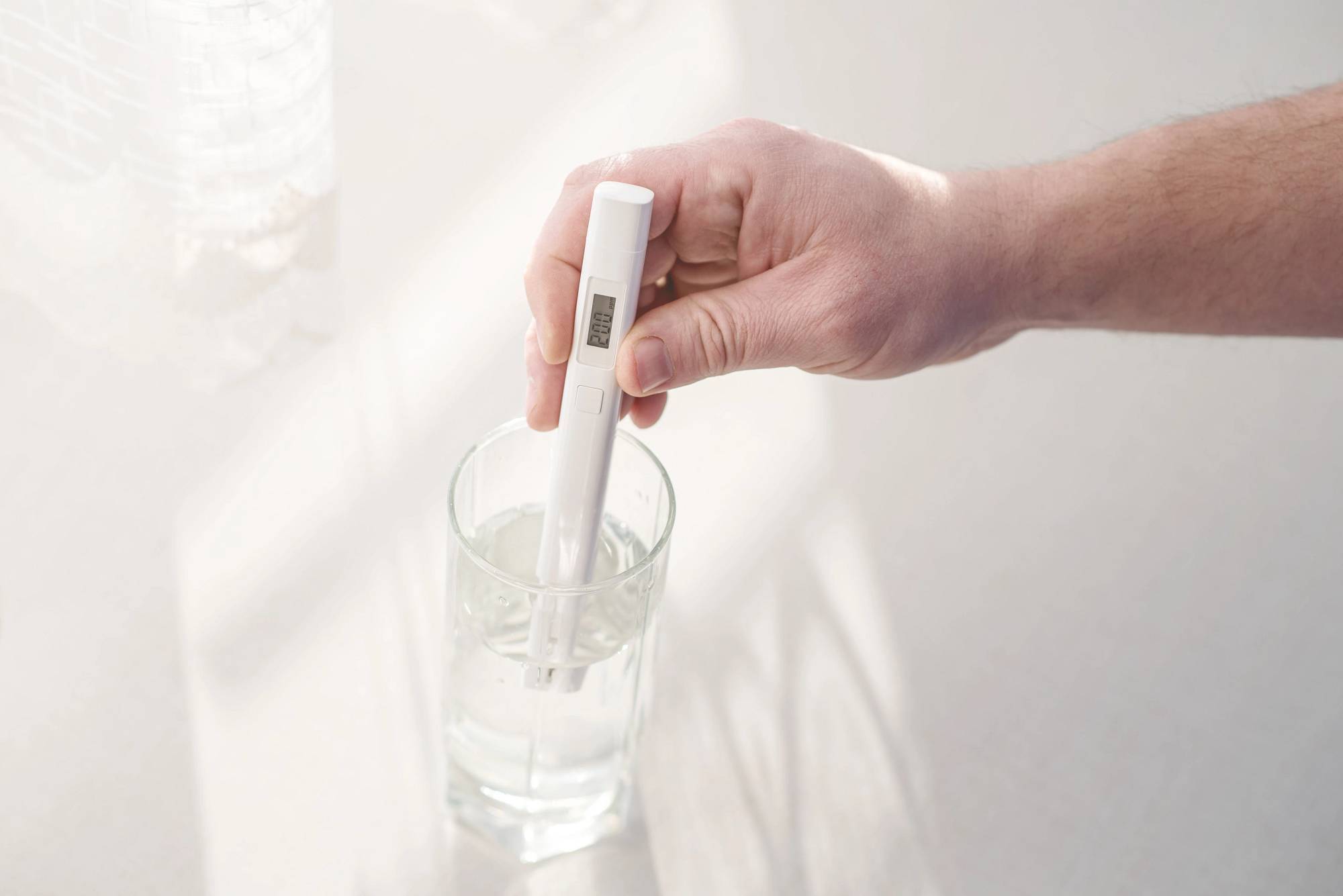
These terms are used interchangeably. They measure the concentration of a substance in your water. If you see “1 mg/L,” it means that for every liter of water, there is one milligram of the specific contaminant.
Parts Per Billion (PPB)
Used for highly potent contaminants like lead or arsenic, these measurements represent a much smaller concentration. Because these substances are toxic even in trace amounts, the “allowable” levels are often significantly lower than those for common minerals like calcium or magnesium.
MCL vs. MCLG
You will frequently see these acronyms when viewing results against government standards:
- MCL (Maximum Contaminant Level): The legal limit for a contaminant in public drinking water.
- MCLG (Maximum Contaminant Level Goal): The level of a contaminant in drinking water below which there is no known or expected risk to health. This is a non-enforceable public health goal.
Identifying What Matters
Not every item on a water report requires immediate concern. Some, like total dissolved solids (TDS) or hardness, affect the “personality” of your water—how it tastes, how it lathers with soap, or whether it leaves scale deposits on your fixtures.
Other contaminants, however, are critical to watch.
Heavy Metals
Lead and copper are often not present at the source but leach into water as it travels through aging pipes or plumbing fixtures. Even if your local water quality is high-quality at the plant, lead can pose a health risk if your home uses older plumbing components.
Microbial Contaminants
Bacteria such as E. coli or coliform are perhaps the most urgent findings. If a report indicates the presence of these organisms, it usually suggests that surface water or sewage has contaminated the supply. This is a common issue for some private wells and often requires immediate action, such as shock chlorination or the installation of UV disinfection systems.
Nitrates
Often linked to agricultural runoff or failing septic systems, high nitrate levels are particularly dangerous for infants and individuals with specific health conditions. Understanding the science behind how these pollutants travel through groundwater can help you determine if your location is at higher risk for such contamination.
Interpreting Your Results
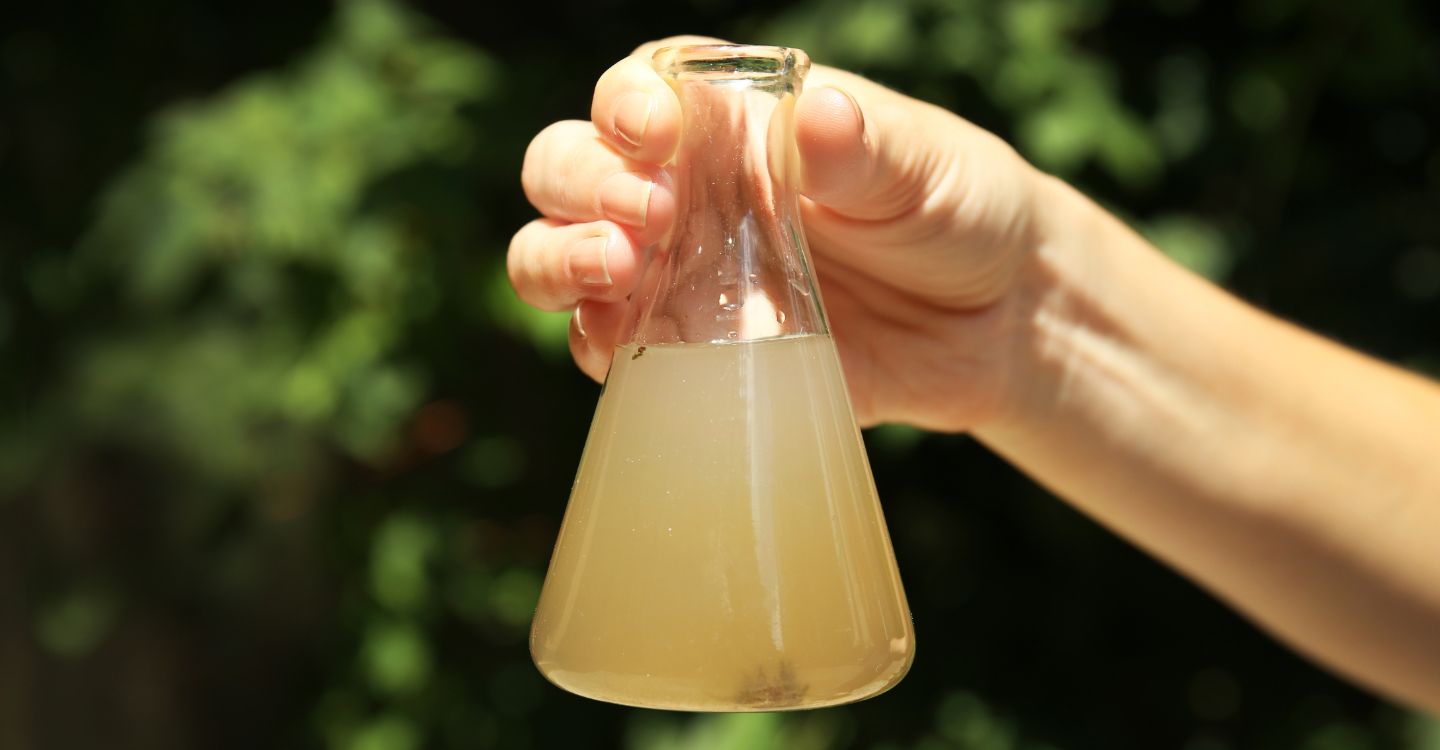
When you look at your report, start by comparing your numbers against the “Standard” column. If a result is highlighted or marked as “exceeding,” do not panic. First, determine if it is an aesthetic issue (taste, smell, color) or a health-related concern.
- Check the Date: Ensure the report is current. Water chemistry can change significantly over a few years.
- Locate the Source: Did you take the sample from the kitchen sink? The outdoor hose? Knowing the exact point of collection is crucial for diagnosing pipe-related issues versus supply-related ones.
- Cross-Reference: If you are uncertain about what your specific results mean, do not hesitate to reach out for a professional perspective. Engaging with experts can provide context that a standard template simply cannot offer.
Taking Action: Beyond the Paper
If your report suggests that your water needs attention, you have several avenues for improvement. Many households find that point-of-use filtration, such as a reverse osmosis system or a carbon block filter, provides the necessary barrier to address specific contaminants.
However, before spending money on equipment, verify that your test results are representative of your everyday water usage. Sometimes, a “bad” result is a one-time anomaly caused by a faulty testing process or a temporary disruption in the local water main.
For those looking to deepen their understanding, keeping an eye on global issues and emerging water contaminants is a great way to stay ahead of the curve. New research is constantly being published regarding how microplastics, “forever chemicals” (PFAS), and other modern pollutants behave in our drinking water.
Final Thoughts
A water testing report is a vital document, but it is not the end of the conversation—it is the beginning. By learning to read the data, you transform from a passive consumer into an informed steward of your home’s resources.
Don’t let the technicality of the report intimidate you. Use it as a roadmap to ensure that the water your family consumes is as clean, safe, and pleasant as possible. If you are ever in doubt, remember that the most effective way to ensure safety is consistent, verified testing and clear communication with those who manage your water supply.