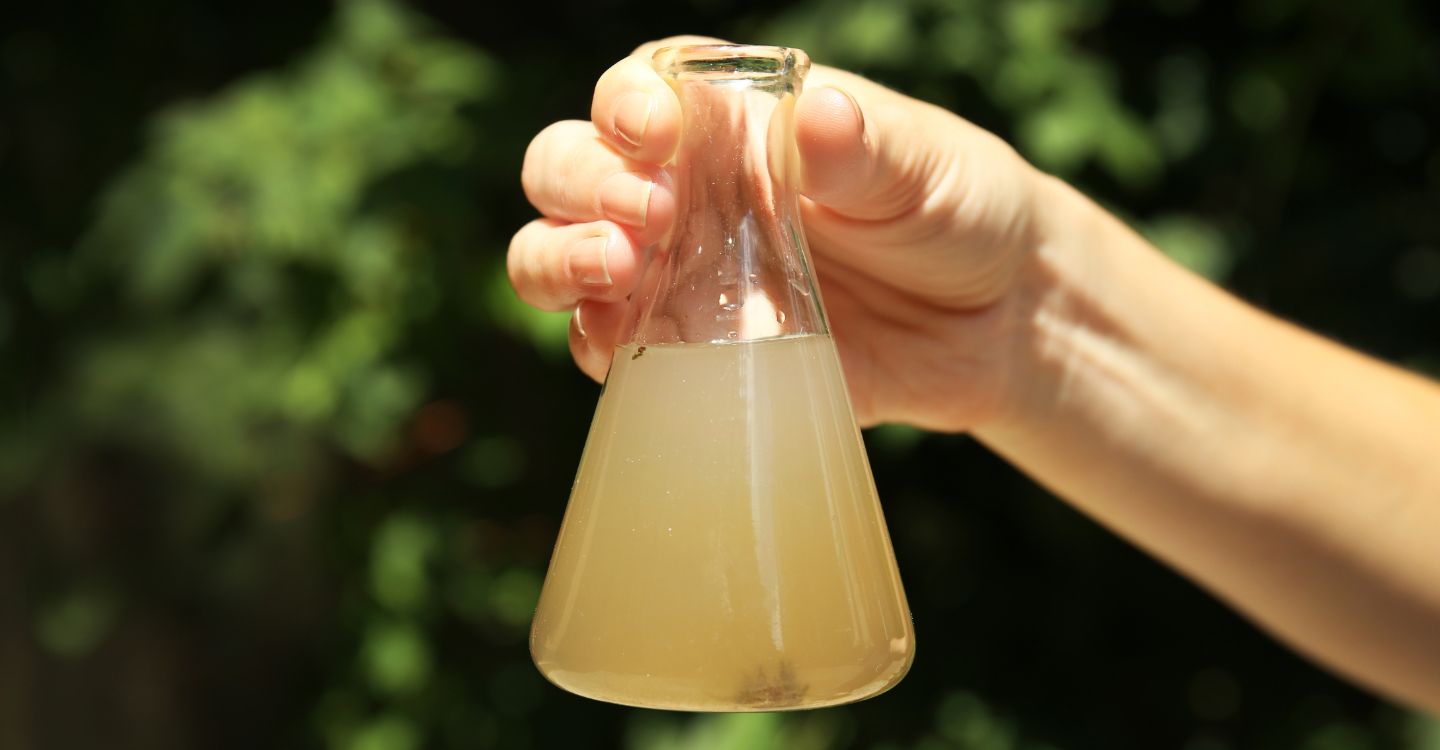
The infrastructure that delivers water to our homes often remains “out of sight, out of mind.” For decades, underground networks of pipes, valves, and service lines have carried treated water to kitchen faucets. However, much of this aging infrastructure is approaching the end of its intended lifespan, increasing the risk of leaks and bacterial contamination. Coliform water testing in NYC can help identify potential problems and confirm whether drinking water remains safe.
As water systems age, they can become less efficient and create potential pathways for contamination. Aging service lines, pipes, and plumbing fixtures may release lead into drinking water without affecting its taste, smell, or appearance. Residents searching for lead water testing near me in Queens can use professional testing to identify risks and make informed decisions about protecting their household’s long-term health.
The Hidden Vulnerability of Aging Pipes
Water mains and service lines are subject to the same stresses as any other infrastructure—pressure fluctuations, soil movement, and the relentless process of corrosion. When pipes deteriorate, their structural integrity is compromised. This creates a dual risk: contaminants can leach out of the pipe materials themselves, and external pollutants can seep in during pressure drops.
Lead Leaching and Corrosion
One of the most persistent issues associated with aging infrastructure is the presence of lead. In many older urban areas, lead service lines—the pipe connecting the home to the municipal water main—remain in use. Lead is a potent neurotoxin, and there is no safe level of lead exposure for human health.
Corrosion occurs when the chemistry of the water (such as high acidity or low mineral content) interacts with aging plumbing materials. Over time, this chemical reaction dissolves metal from the pipes. In a home with lead service lines or lead-based solder, this process can lead to the silent introduction of lead into the water supply. Because lead is invisible, odorless, and tasteless, its presence is rarely suspected until it is detected through formal testing.
Microbiological Risks and “Backflow”
Beyond chemical leaching, aging pipes are susceptible to physical breaches. When water pressure in a distribution system drops—due to a pipe burst or scheduled maintenance—it can create a vacuum effect known as backflow. If the surrounding soil is contaminated, untreated groundwater or sewage can be drawn into the water main through cracks or pinhole leaks.
Maintaining consistent, high pressure is essential to keeping these systems closed and safe. As municipalities struggle with the costs of replacing miles of deteriorating pipes, the likelihood of these pressure-related incidents increases, posing a continuous challenge to global issues related to public health and water security.
Why Your Local Environment Matters
While national headlines often focus on major crises, water safety is fundamentally a local issue. Water quality can change significantly from city to city, and even from one neighborhood to the next, depending on the age of the local distribution network.
For homeowners, relying solely on municipal data can sometimes lead to a false sense of security. While treatment plants are required to provide annual water reports, these reports typically measure water quality at the treatment plant or at specific monitoring points. They do not always account for the final “mile” of your home’s plumbing, where the most significant risks from aging infrastructure are often found.
If your home was built before the late 1980s, the potential for lead-based plumbing or aging service lines increases. To get a precise understanding of what is happening at your tap, you may need to go beyond standard reports. Exploring the science behind how your local water is treated—and how it travels to your home—is a proactive step toward protecting your family.
Taking Control of Your Home’s Water Safety
The reality of aging infrastructure doesn’t mean you are helpless. Awareness is the first line of defense. If you are concerned about the water in your home, there are concrete steps you can take:
- Test Your Water: Professional testing is the only way to identify whether lead, copper, or other heavy metals are leaching from your plumbing. Consider reaching out to a certified lab or a local water expert to discuss a comprehensive test.
- Know Your Pipes: If you are unsure about the materials in your home’s service line, contact your local water utility. Many municipalities maintain records of lead service line locations and may even offer programs for lead pipe replacement.
- Use Certified Filtration: If you choose to use a home filtration system, ensure it is certified by a third-party organization (such as NSF International) to remove the specific contaminants you are concerned about. Using an uncertified filter can provide a false sense of security.
- Stay Informed: Follow local news regarding infrastructure projects in your area. Major construction or pipe replacement in your neighborhood can temporarily increase the risk of lead or sediment release into your water.
For those navigating these complexities for the first time, keeping up with updates on the blog can help you stay informed about new research and best practices for home water safety.
A Path Forward
Aging infrastructure is a massive systemic challenge, but it is one that we can address through community advocacy and individual vigilance. As our cities invest in the necessary upgrades to modernize our water systems, we must also take responsibility for our own household environments.
If you have questions about the quality of your water or need help interpreting your local water reports, contacting research-focused organizations can provide you with the resources needed to make informed decisions. By understanding the risks associated with aging infrastructure, you are taking a crucial step toward ensuring that the water you drink, cook with, and bathe in is as safe as it can be.
Water quality is not a static condition; it is a standard we must actively work to maintain. By being proactive rather than reactive, you can ensure that your home remains a safe haven, regardless of the age of the pipes beneath your streets.