The journey of water from its original source to the glass we drink from has always represented a remarkable achievement in engineering and public infrastructure. However, in 2026, water systems are facing new challenges that require smarter, more proactive approaches. Climate change, extreme weather patterns, emerging contaminants such as PFAS, and increasing urban development are placing additional pressure on freshwater resources and traditional water management systems.
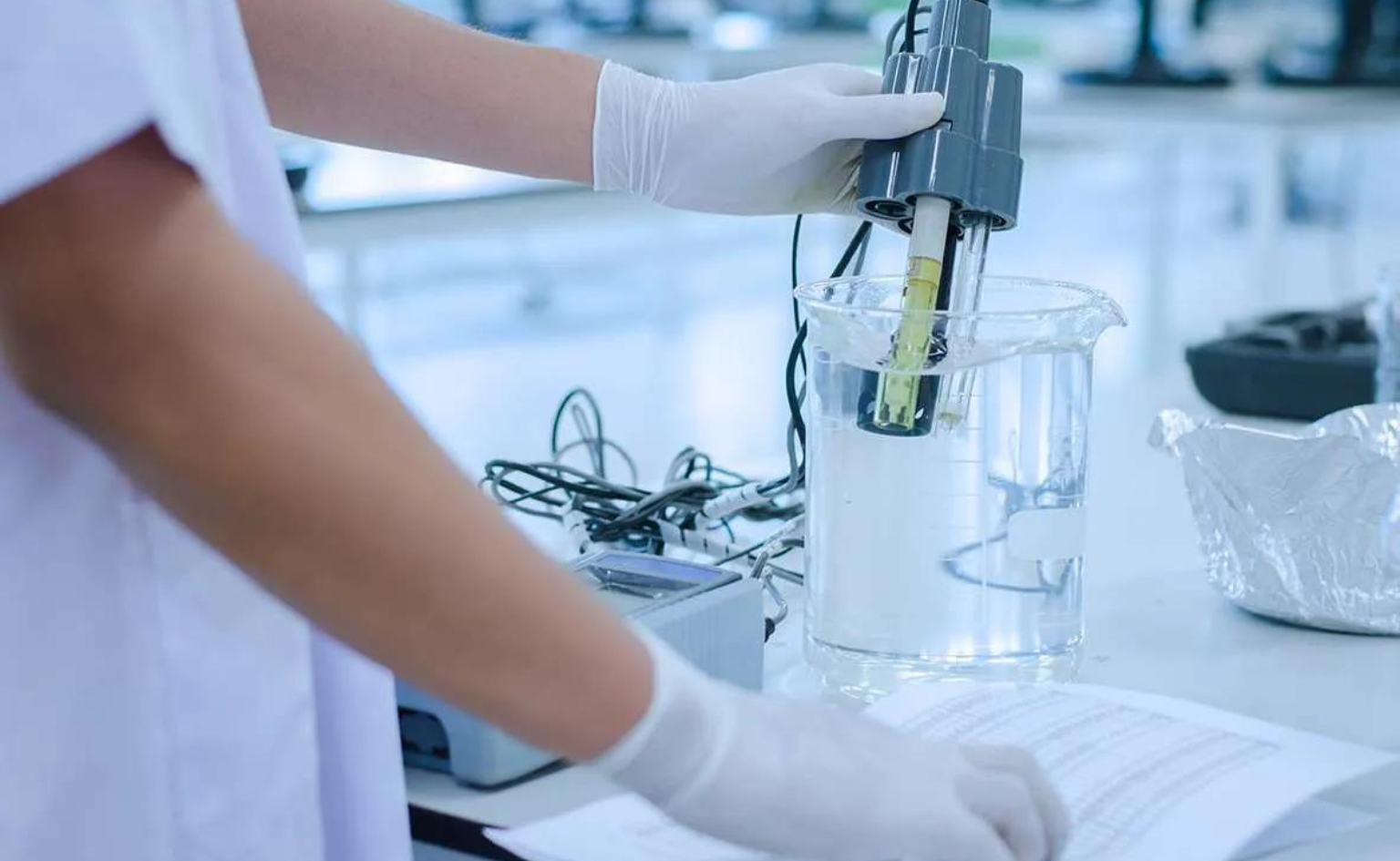
As communities adapt to these growing challenges, advanced monitoring, improved infrastructure, and reliable testing methods are becoming essential components of modern water safety. Accredited lead water testing in New York City helps identify potential lead risks within local water systems, providing valuable information that supports informed decisions and safer drinking water management.
The future of water quality will depend on combining innovative technology with consistent evaluation and preventive strategies. By detecting potential concerns early and understanding how contaminants enter water supplies, communities can develop stronger systems designed to protect public health and ensure reliable access to clean drinking water for future generations.
LG Sonic
For those curious about the science behind these changes, the transformation is marked by a shift from manual, intermittent testing to autonomous, continuous, and data-driven management.
From Reactive to Proactive: The Digital Revolution
Historically, water treatment relied on a sequential, labor-intensive workflow in which sensors collected data, analysts reviewed reports, and crews addressed problems only after they became apparent. Today, proactive monitoring and condominium lead water testing in Queens help identify potential contamination earlier, allowing property managers to respond before water quality issues become more serious.
The backbone of this transition is the integration of IoT (Internet of Things) architectures and Artificial Intelligence. By deploying “digital twins”—virtual, dynamic models of physical water bodies—utilities can now simulate how a reservoir might respond to a storm or a nutrient spike before it even happens. This allows for anticipatory ecological control rather than just emergency response.
StartUs Insights+ 1
In cities like Chicago and Hyderabad, intelligent auditing systems now use connected flow sensors and self-regulating valves to monitor water purity and pressure in real-time. This level of local oversight means that leaks, unauthorized taps, or drops in disinfectant concentration are identified and addressed in minutes, not days.
Advanced Purification: Tackling the Invisible
While digital monitoring handles the “management” side, innovations in chemical and physical engineering are redefining the “purification” side. Modern challenges, particularly the presence of microplastics and “forever chemicals” (PFAS), have pushed the industry to adopt more sophisticated, layered filtration architectures.
Puricom
- Modular Systems: The future of treatment is modular. Rather than building massive, rigid facilities, modern engineering favors scalable units that can be upgraded with new filtration media—such as high-rejection reverse osmosis or ion-exchange resins—as regulatory standards tighten. Puricom
- Biological Digital Twins: Beyond mechanical filtration, some of the most exciting work is happening at the biological level. Researchers are using machine learning to detect the specific signatures of harmful algal blooms weeks before they become visible, allowing for intervention before the water quality degrades. LG Sonic+ 1
Autonomous Remediation: The Rise of Water Robots
Perhaps the most futuristic development is the emergence of autonomous aquatic robots. These machines do more than just monitor; they actively remediate. Equipped with mechanical filtration, these robots can patrol reservoirs 24/7, physically removing organic debris and pollutants.
Unlike traditional algaecides, which may leave behind dead biomass that depletes oxygen in the water, these mechanical systems offer a chemical-free path to cleaner water. This is a critical step forward in addressing global issues like eutrophication and protecting aquatic ecosystems from unnecessary chemical exposure.
Empowering the Consumer
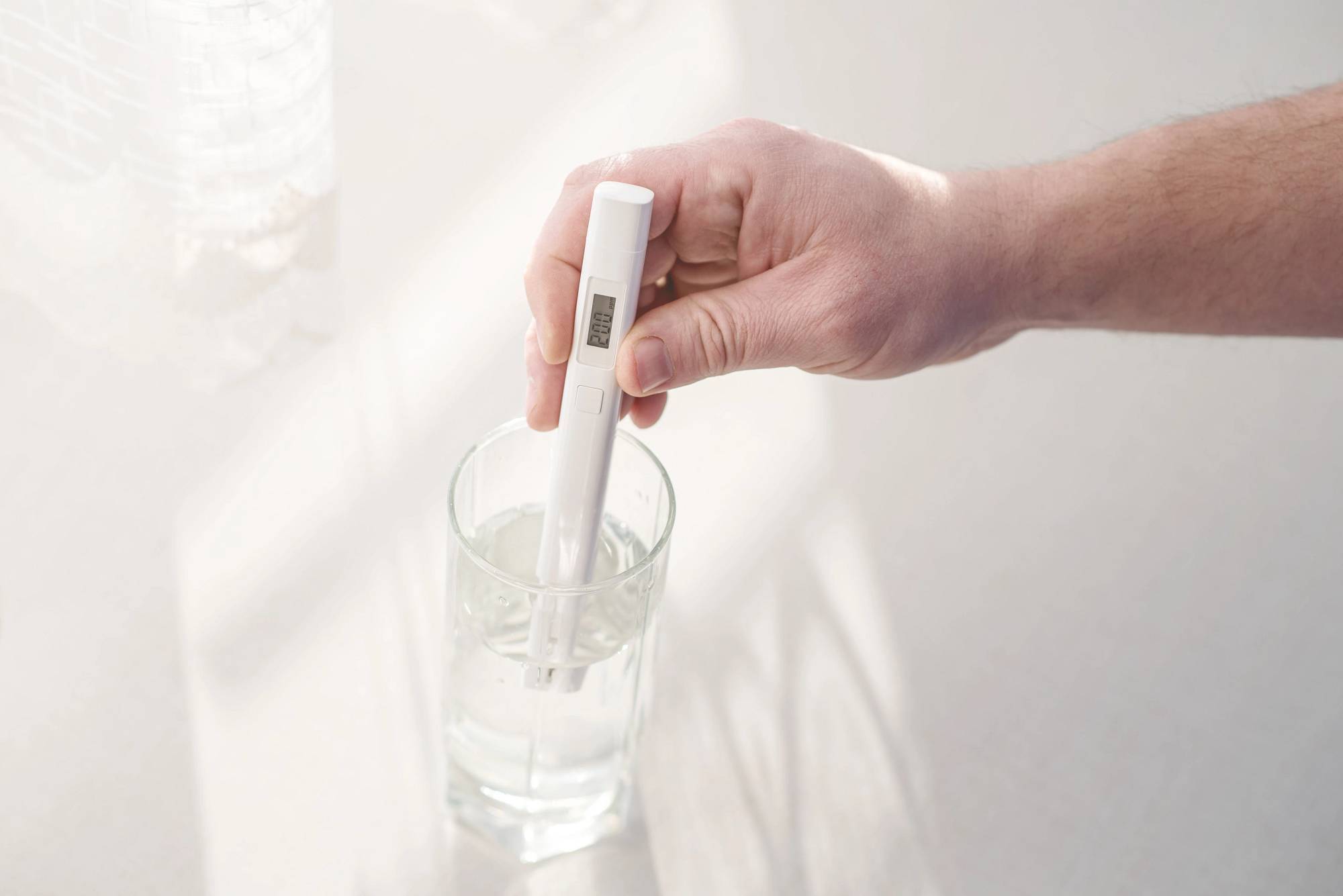
This high-tech shift isn’t confined to massive municipal plants; it is moving directly into our homes. The “smart water hub” is becoming a standard feature in modern kitchens, offering more than just filtration. New systems can now monitor water quality in real-time, predict filter replacement cycles with high accuracy, and even adjust the water’s mineral composition based on user preference or local source conditions.
For the consumer, this means the mystery of what is in your tap water is finally being solved. With transparency becoming the industry baseline, households can now access documented proof of their system’s performance via cloud-based dashboards, putting the power of high-level water management directly into the hands of the individual.
Water Treatment Supply
The Path Forward
As we look toward the latter half of the decade, the integration of these technologies is not merely a convenience—it is a necessity. The compounding effects of population growth and environmental change require a unified, data-driven approach to water safety.
LG Sonic
Whether you are a professional in the industry or simply a homeowner concerned about the quality of your supply, staying informed is the best way to participate in this future. The blog continues to track these developments as they move from the laboratory to the faucet. By embracing these advancements, we are moving toward a future where “clean water” is not just a standard, but a reliable, observable, and sustainable reality for all.
Advanced Water Purification Technologies
This video showcases how smart water hubs are integrating real-time monitoring and advanced purification to improve daily hydration.