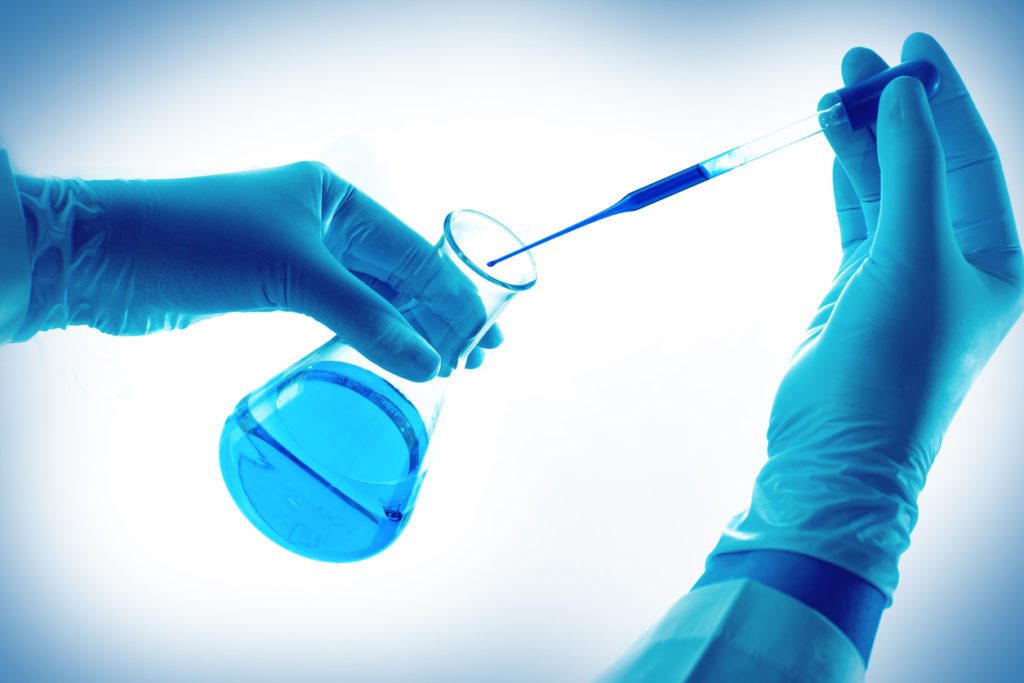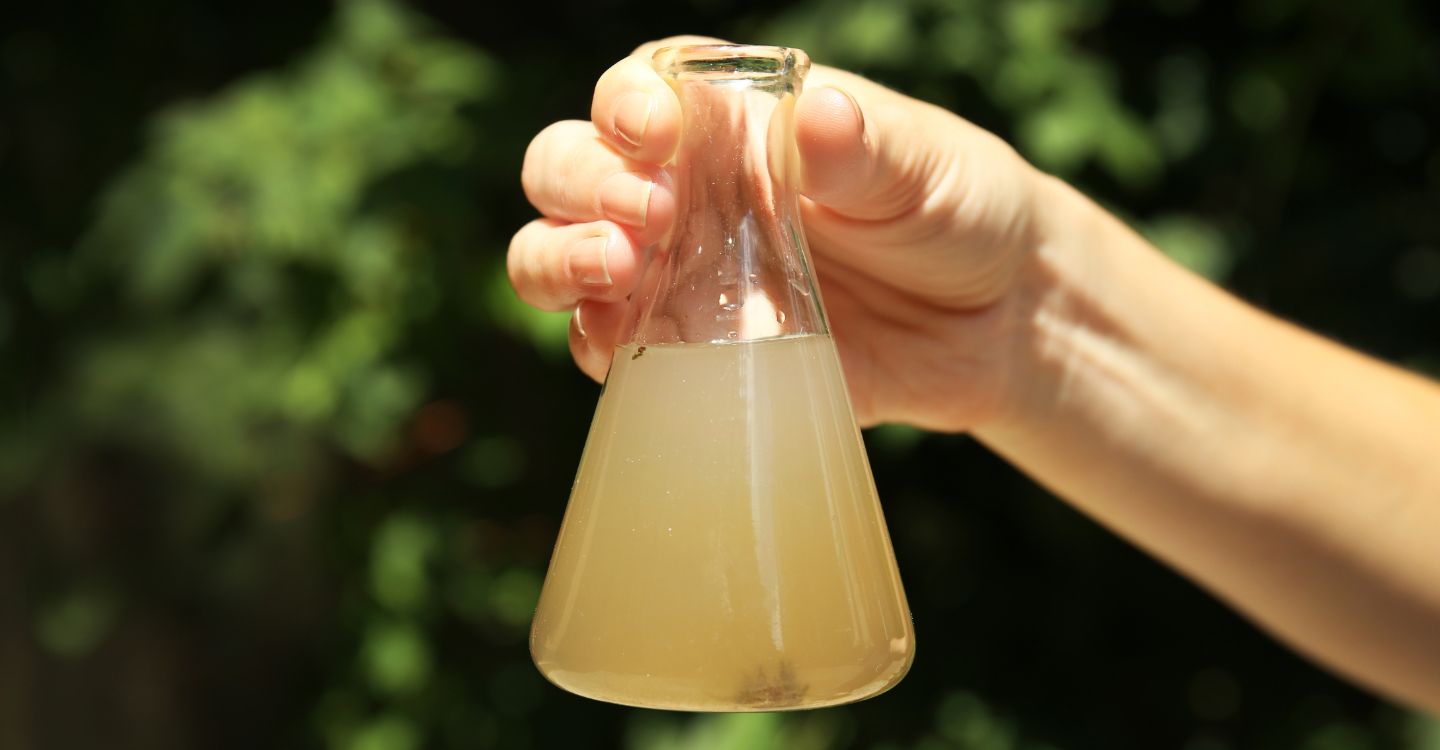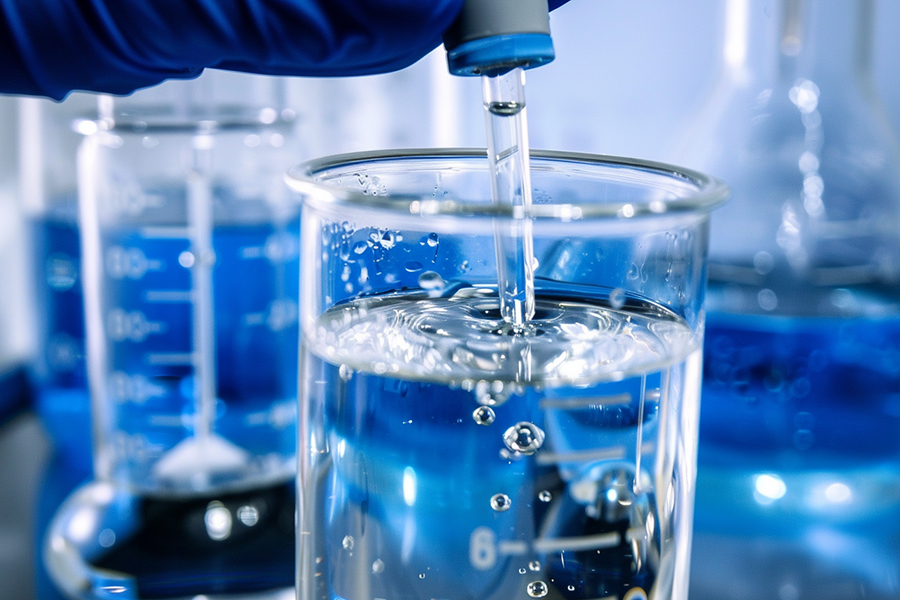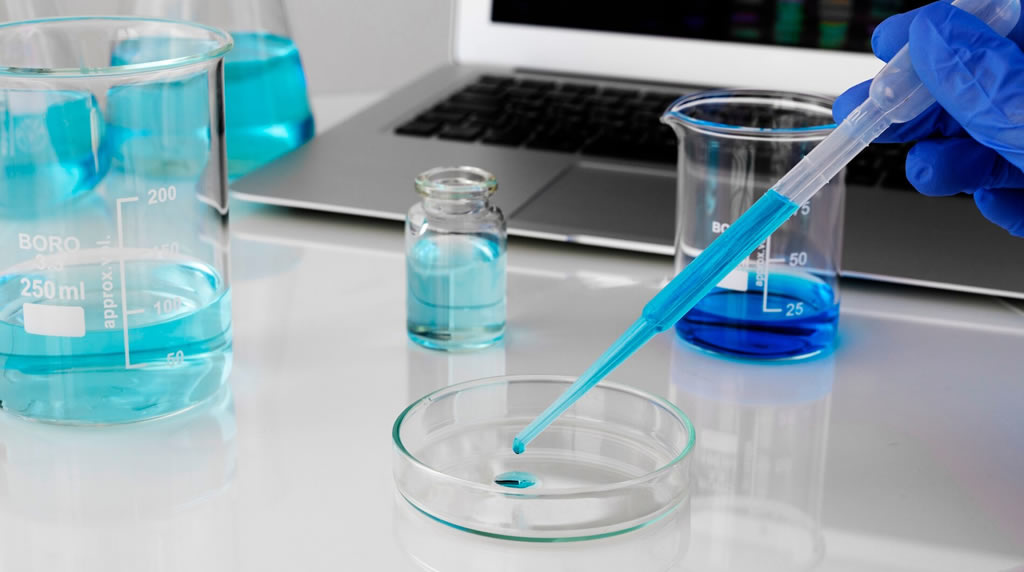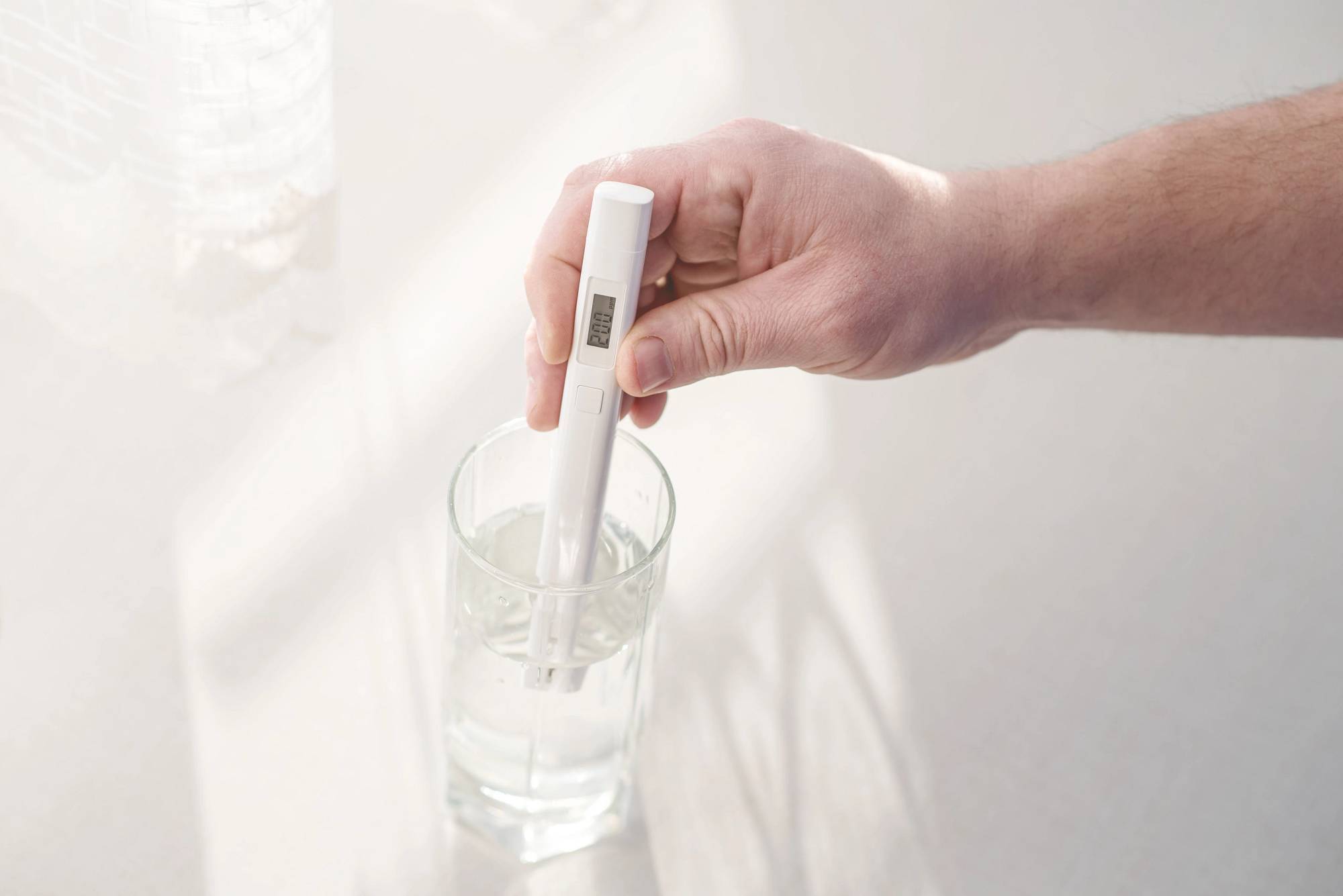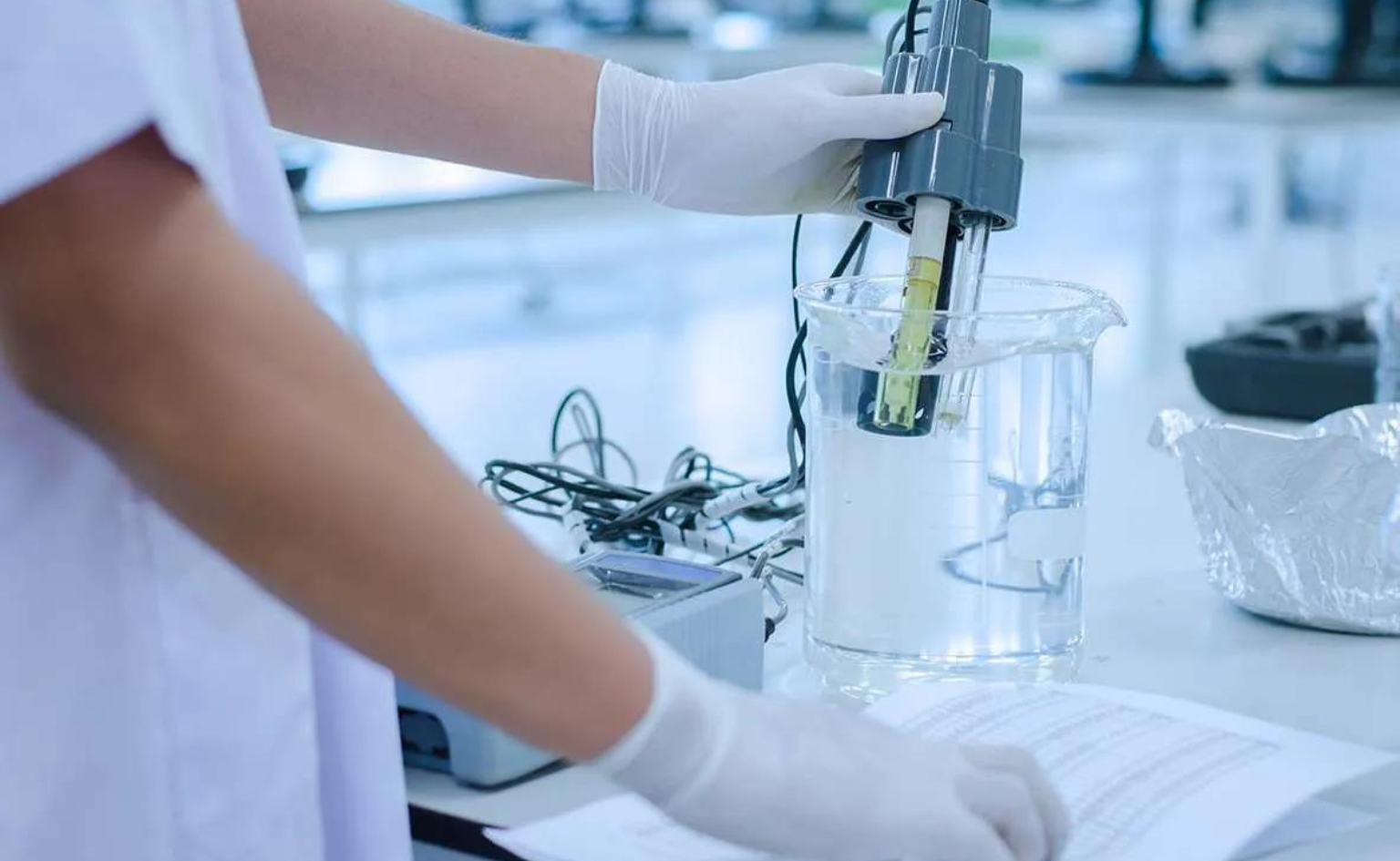
Climate change is creating new challenges for communities around the world as changing weather patterns place increasing pressure on water quality, availability, and infrastructure. Rising temperatures, shifting precipitation patterns, droughts, flooding, and increasingly severe storms can all influence freshwater sources and the systems used to collect, treat, and distribute water. As these conditions evolve, NYC building water testing specialists can help property owners identify potential contaminants and better understand the quality of water entering their buildings.
The effects of climate change on water quality can extend beyond natural water sources. Flooding and heavy rainfall may introduce pollutants into water systems, while drought can concentrate certain contaminants as available water supplies decline. Warmer temperatures can also create conditions that support the growth of certain microorganisms. At the same time, aging infrastructure and changing environmental conditions can make it more difficult for communities to maintain consistent water quality.
For households, property managers, and municipalities, understanding these emerging risks is an important part of protecting public health and building long-term resilience. Bronx drinking water testing services can help identify potential contaminants and provide reliable information that supports informed decisions about water treatment, infrastructure maintenance, monitoring, and other protective measures.
As climate-related pressures continue to develop, communities will need to take a more proactive approach to water management. Regular monitoring, reliable testing, resilient infrastructure, and better public awareness can help communities respond to changing conditions while protecting access to safe and dependable water. Preparing for the future means recognizing that water quality is closely connected to environmental conditions, infrastructure, and the ability of communities to identify and address potential risks early.
The Disruption of the Water Cycle
At its core, climate change acts as an “intensifier.” It makes wet areas wetter and dry areas drier, while simultaneously increasing the volatility of both. This volatility has direct consequences for the water science community, which is now documenting how these environmental shifts compromise the raw water sources we rely on for drinking.
Extreme Precipitation and Runoff
When heavy rain falls on landscapes already stressed by drought or development, the soil cannot absorb the excess water. Instead, it runs off the land, acting as a conveyor belt for pollutants. This runoff carries sediment, agricultural fertilizers, pesticides, animal waste, and trash directly into rivers, lakes, and reservoirs.
This creates a significant challenge for treatment plants. When raw water sources are suddenly inundated with high levels of debris and organic matter, it forces utilities to ramp up treatment processes, which can, in turn, increase the formation of disinfection byproducts.
The Rise of Waterborne Pathogens
Higher water temperatures and erratic weather are changing the biological makeup of our water bodies. Warm, stagnant water—often the result of prolonged droughts—provides a breeding ground for harmful bacteria and toxic algae. Conversely, extreme flooding can overwhelm sewage systems, causing them to bypass treatment and release untreated waste directly into local water supplies. These events increase the prevalence of waterborne pathogens, such as Cryptosporidium and Giardia, which pose serious risks to human health, including gastrointestinal illnesses.
Infrastructure Under Pressure
Our municipal water infrastructure—the vast, often aging network of pipes, pumps, and treatment facilities—was largely designed for a climate that no longer exists. Systems built to withstand historical weather patterns are now being pushed to their breaking points by:
- Infrastructure Failure: Flooding can physically damage pumping stations and treatment facilities, leading to the temporary loss of safe water supply and costly reconstruction efforts.
- Pressure Drops: Droughts can deplete groundwater aquifers, while intense storms can cause surges that compromise the integrity of distribution lines. Any fluctuation in pressure risks “backflow,” where external contaminants are pulled into the pipes through cracks and leaks.
- Saltwater Intrusion: As sea levels rise, saltwater can seep into coastal freshwater aquifers, permanently altering the chemical composition of the water and rendering existing treatment methods ineffective.
These global issues are forcing utilities to rethink everything from the location of critical infrastructure to the adoption of more resilient, climate-smart technologies.
Assessing and Protecting Your Local Supply
The impact of climate change on water is a global phenomenon, but the experience is intensely local. The challenges faced by a community in a flood-prone valley are vastly different from those in an arid, drought-stricken region.
To stay ahead of these risks, households must move from passive consumption to active engagement. The best starting point is your community’s annual water reports. These documents provide essential data on your water’s quality, though it is important to remember they reflect regional conditions. For a deeper dive into how environmental shifts are impacting your specific area, staying connected with local utilities and regional environmental news is critical.
If you suspect your household’s water quality is being affected by changes in your local environment, consider these steps:
- Monitor Local Advisories: Pay attention to local alerts regarding heavy rainfall or algal blooms, which are becoming more common in many regions.
- Test Your Water: If you are on a private well or in an area with aging infrastructure, regular testing by a certified lab can provide peace of mind.
- Inquire About Upgrades: Many cities are now investing in “climate-resilient” infrastructure. Don’t hesitate to reach out to local officials or contact your water utility to learn more about how they are planning for future climate events.
A Collective Responsibility
The challenges posed by climate change are daunting, but they are also a catalyst for innovation. Communities worldwide are beginning to embrace solutions like rainwater harvesting, green infrastructure that mimics natural water filtration, and advanced treatment methods that can handle a wider range of emerging contaminants.
Education and awareness are vital tools in this transition. Keeping up with the latest information through resources like a dedicated blog can empower you to advocate for better water management policies and make informed decisions for your family.
Climate change is testing the resilience of our most fundamental resource. By acknowledging these emerging threats and prioritizing water security—both individually and as a community—we can ensure that safe, reliable water continues to sustain us through a changing future.