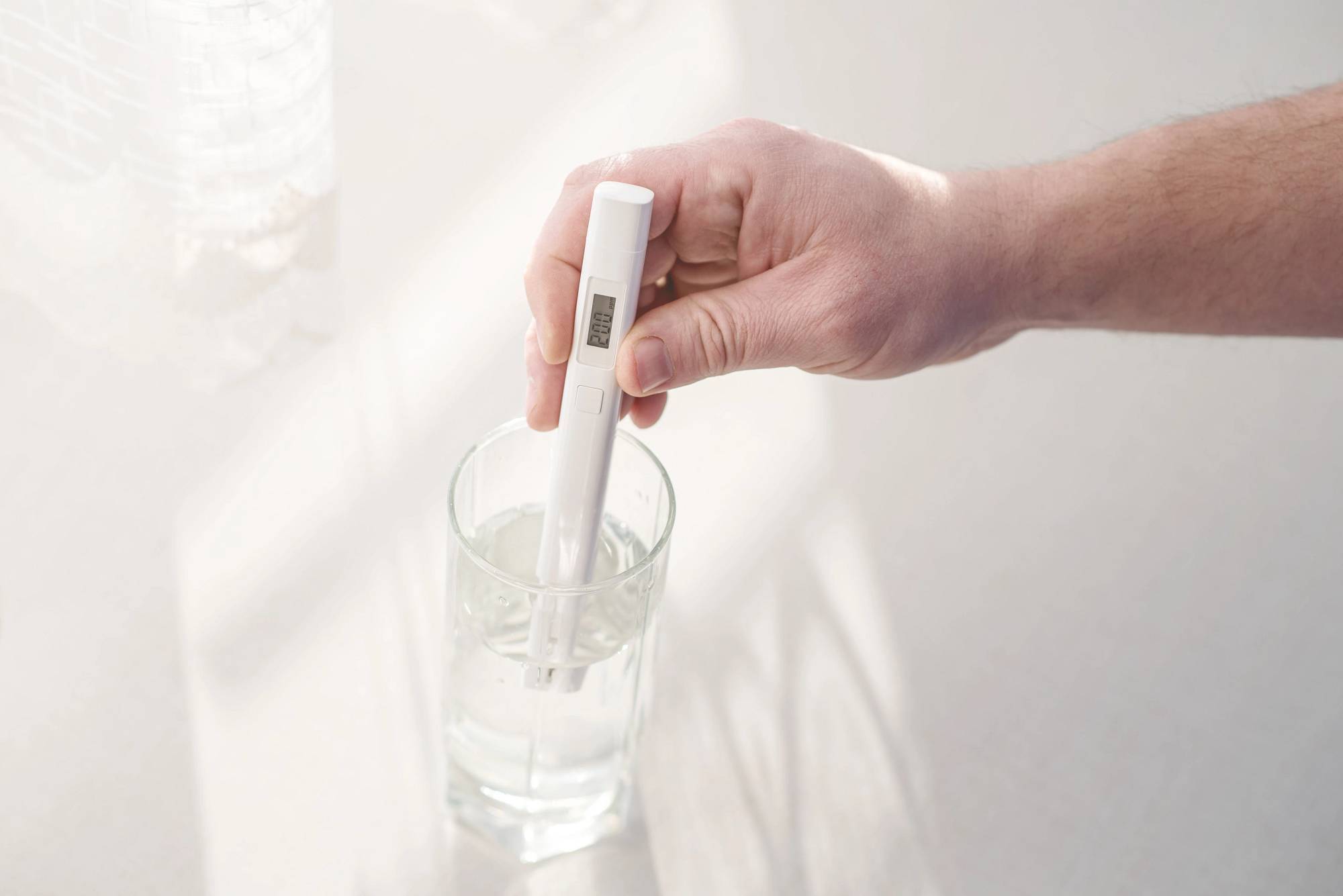
We often take for granted the simple act of turning on a kitchen faucet. Filling a glass, preparing meals, washing fresh vegetables, and completing daily household activities all depend on the assumption that our water is clean and safe. While municipal water systems are carefully monitored and treated to meet safety standards, water quality can still be influenced by factors beyond the treatment facility, including aging infrastructure, building plumbing systems, storage tanks, and household fixtures. NYC potable water testing experts can help identify potential contaminants and provide a clearer understanding of drinking water safety.
The journey water takes before reaching your tap can involve many stages where quality may change. Even when the original water source meets regulatory requirements, contaminants may enter the supply through deteriorating pipes, older plumbing materials, corrosion, or other issues within a building’s internal water system. These concerns are often difficult to detect because many contaminants do not affect the appearance, taste, or smell of water.
For residents living in multi-unit buildings, condominiums, or older properties, understanding the condition of the water reaching individual units is especially important. Condominium water testing in Manhattan can help identify potential contaminants that may enter the water supply during its journey through building infrastructure, giving residents and property managers valuable information to make informed decisions about water safety.
Hidden water quality concerns can include substances such as lead, bacteria, PFAS, and other contaminants that may require specialized testing to detect. Regular evaluation of drinking water helps uncover potential risks that would otherwise remain unnoticed and allows homeowners, building owners, and managers to take appropriate preventive measures.
Protecting household water quality begins with awareness and reliable information. By understanding how water moves through complex systems and recognizing the possible sources of contamination, families and property managers can take proactive steps to maintain safer drinking water and create healthier living environments.
The Journey from Source to Tap
To understand the risks, one must first understand the path. Water sources—rivers, lakes, and underground aquifers—are constantly exposed to environmental factors. Agricultural runoff, industrial discharge, and even natural geological deposits can introduce substances into the raw water supply.
Treatment plants are engineered to remove most of these hazards. However, the systems are designed to meet regulatory standards that were established based on the technology and toxicology reports of decades past. As the Water Quality Journal frequently explores, the intersection of evolving science and aging infrastructure often creates a gap between what is legally compliant and what is truly optimal for long-term health.
Common Hidden Contaminants
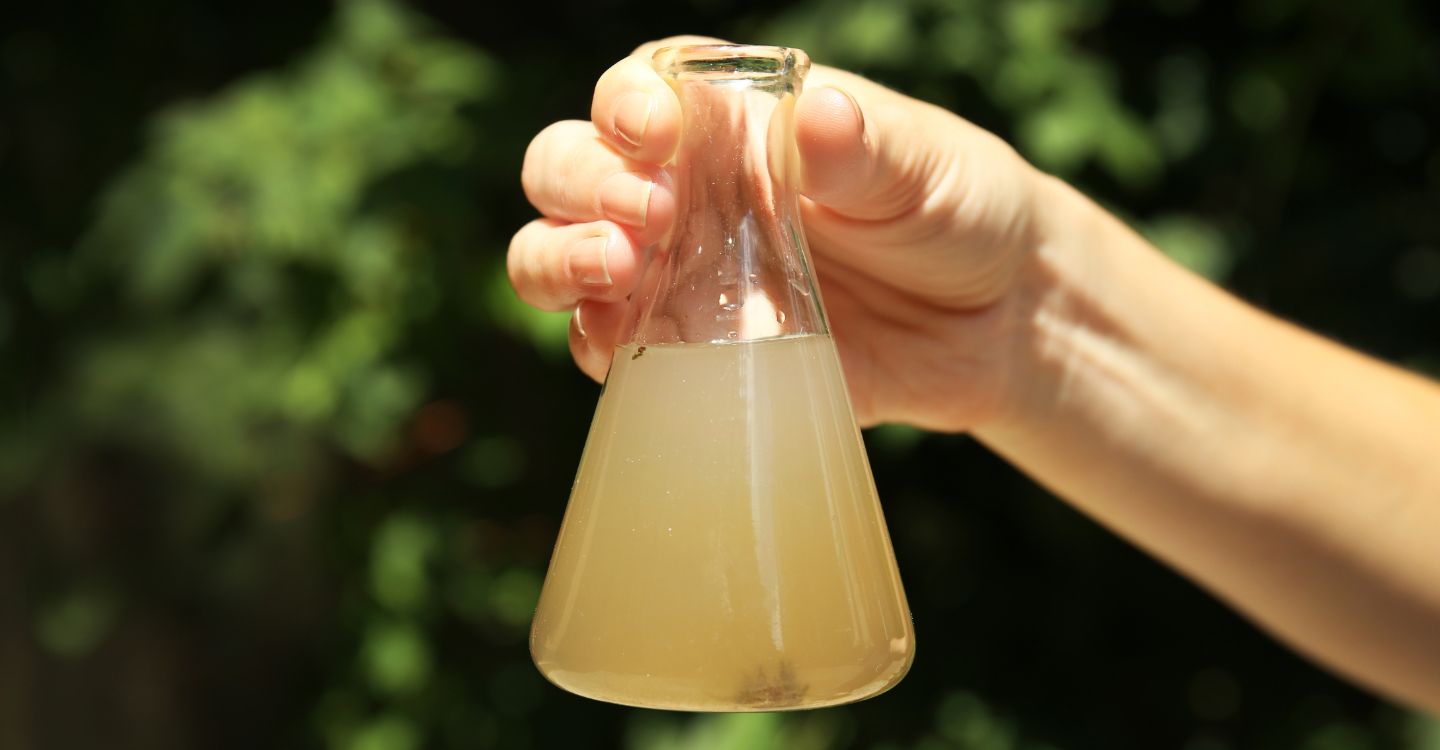
When we talk about “hidden” threats, we aren’t necessarily talking about water that is visibly cloudy or foul-smelling. Many of the most concerning contaminants are colorless, odorless, and tasteless.
1. Lead and Copper
While most municipal systems have largely eliminated lead service lines, millions of homes still contain plumbing fixtures or lead-soldered pipes installed before the mid-1980s. When water sits stagnant in these pipes—overnight or during work hours—it can leach lead into the supply. This is a primary concern for global issues regarding human exposure, as even low levels of lead can have significant developmental implications.
2. Disinfection Byproducts (DBPs)
Chlorine is a miracle of public health; it keeps water free of bacteria and waterborne illnesses. However, when chlorine interacts with naturally occurring organic matter in the water, it can form disinfection byproducts. Some research suggests that long-term exposure to certain DBPs may carry their own set of health risks.
3. PFAS (Per- and Polyfluoroalkyl Substances)
Often referred to as “forever chemicals,” PFAS have been used for decades in non-stick cookware, firefighting foams, and stain-resistant coatings. Because they do not break down easily, they have migrated into groundwater supplies across the country. They are a rapidly evolving topic in water science, with researchers working to understand the extent of their prevalence and the most effective ways to filter them out at the residential level.
Assessing Your Specific Situation
How do you know what is in your water? The answer rarely lies in guess-work. If you are concerned about the specific quality of your drinking water, the most proactive step is to review your local water reports. Every community is required to provide an annual Consumer Confidence Report (CCR) that details what was detected in the system over the previous year.
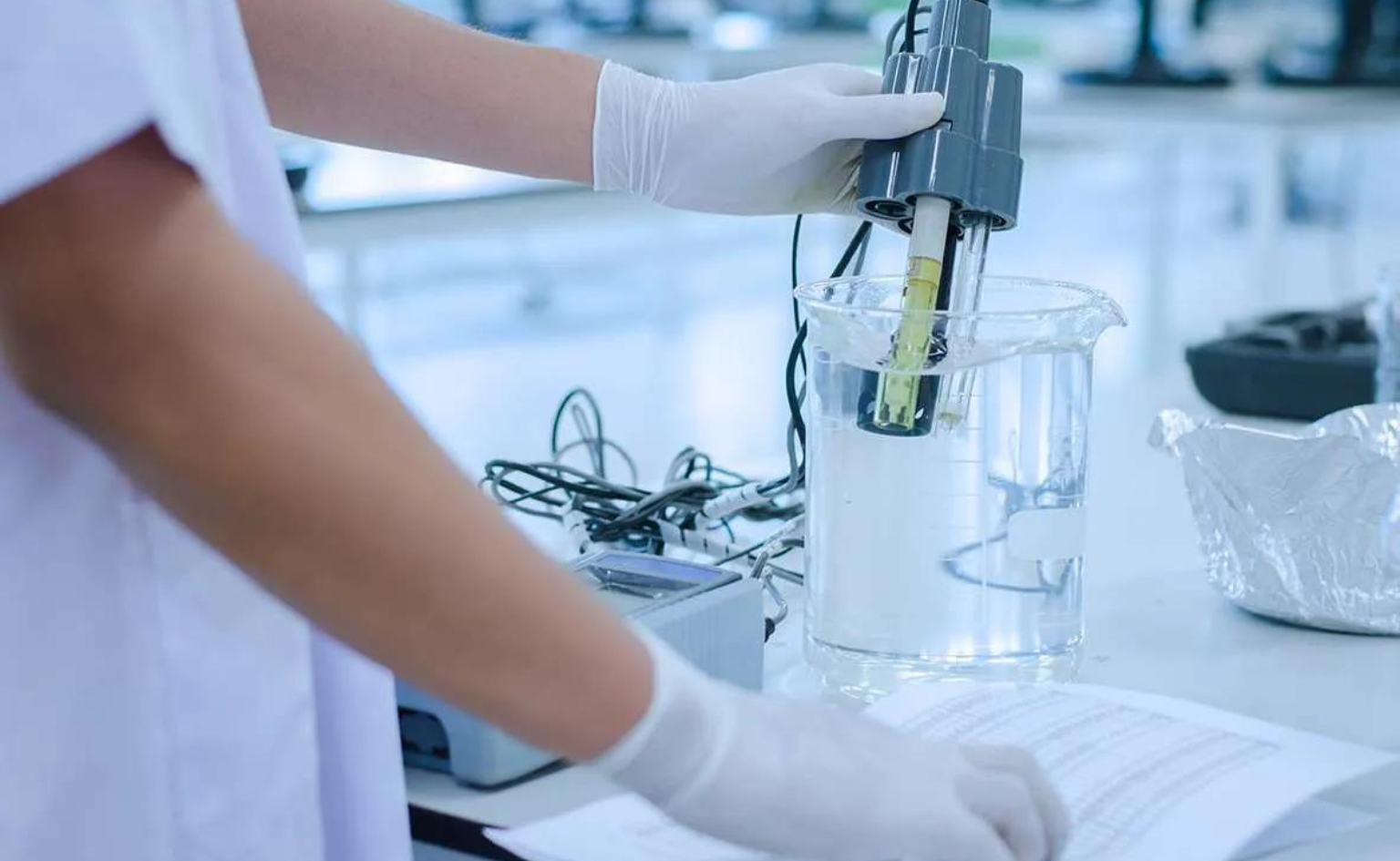
However, a CCR is a snapshot of the water leaving the treatment plant or a sampling of the municipal grid—it does not always account for what happens inside your specific home. If your house is older, or if you live in an area with known issues, a targeted laboratory test is the only way to get a clear picture.
Local water quality can vary significantly from one neighborhood to the next. For those looking to understand the unique challenges facing their specific region, checking with local authorities or seeking professional consultation is a highly recommended practice. If you find yourself needing to discuss specific findings or seeking expert advice, contacting resources dedicated to water quality research can provide the clarity needed to make an informed decision about home filtration.
The Role of Home Filtration
Once you understand what—if anything—might be in your water, the market for home filtration can feel overwhelming. The key is to avoid “one-size-fits-all” solutions.
- Activated Carbon Filters: Excellent for removing chlorine, taste, and odor issues.
- Reverse Osmosis (RO): A highly effective method for removing a wide spectrum of contaminants, including heavy metals like lead and various inorganic minerals.
- Ion Exchange: Often used to soften water, this can also address specific heavy metal concerns.
Before investing in a system, verify that it is certified by a third party (such as NSF International or the WQA) for the specific contaminant you are trying to remove. An expensive, high-tech filter is useless if it isn’t certified to target the specific chemical or metal present in your tap water.
Staying Informed and Proactive
The conversation around water quality is constant and evolving. As new regulations are debated and new contaminants are identified, staying informed is the best way to safeguard your household.
Beyond the technical data, there is a broader movement toward transparency. Organizations and blogs dedicated to this space are increasingly shifting the focus from reactive measures to proactive education. When citizens are empowered with information, they are better equipped to advocate for better infrastructure and make smarter decisions for their own families.
Ultimately, your water supply is a shared resource, but the point of delivery—your tap—is your personal responsibility. By staying informed about the science behind our water systems and understanding the specific risks that may exist in your own home, you can move from a place of uncertainty to a place of confidence.
Clean water is a fundamental pillar of a healthy lifestyle. Whether it’s choosing the right filter, understanding your annual report, or simply remaining aware of the infrastructure in your area, these small steps collectively ensure that the water you drink remains a source of life rather than a source of concern.