What is really in your tap water, explained plainly
Water Quality Journal explains how drinking water is treated, what can change it on the way to your faucet, and how to tell when a closer look is worth it.


Water quality is a set of measurements, not a feeling
Clear, cold water that tastes fine can still contain substances you cannot see, smell, or taste. Lead, nitrate, many bacteria, and most PFAS provide no warning at the tap.
The reverse is also true. Water that looks cloudy or tastes of chlorine is often perfectly safe. The only reliable way to know what is in a glass of water is to measure it and choose the right tests. For example, water quality testing for lead in New York City can help investigate one specific concern rather than relying on appearance or taste alone.
This journal is for people who want to understand what those measurements mean: homeowners, renters, parents, building managers, and anyone who has wondered whether their tap water is as good as it looks.
Three places to start
Each guide stands on its own. Read them in order if you are new to the subject.

Water Quality Explained
What the term actually covers, where your water comes from and how to read your annual water quality report.
Read more →
Common Contaminants
Lead, PFAS, bacteria, nitrate and other substances, what they are, where they come from and what you might notice.
Read more →
Water Quality in Older Buildings
Why plumbing age, rooftop tanks, risers and renovations can change the water between the street and your faucet.
Read more →
Most water problems start after the water main
Public water systems treat and monitor water before it leaves the treatment plant. However, they cannot fully control the plumbing inside private properties, including the service line beneath the sidewalk, pipes inside walls, and the faucet itself.
In older buildings, these final stretches of plumbing may contain lead service lines, lead solder, brass fittings, or storage tanks. Each can affect the water that reaches your glass. For properties where internal plumbing may be a concern, Drinking water testing for buildings in NYC can help assess the water people actually use and drink.

Want your water tested by professionals?
Olympian Water Testing has served New York, New Jersey and Connecticut since 1991, with on-site sample collection and NELAP accredited laboratory analysis.
Latest articles
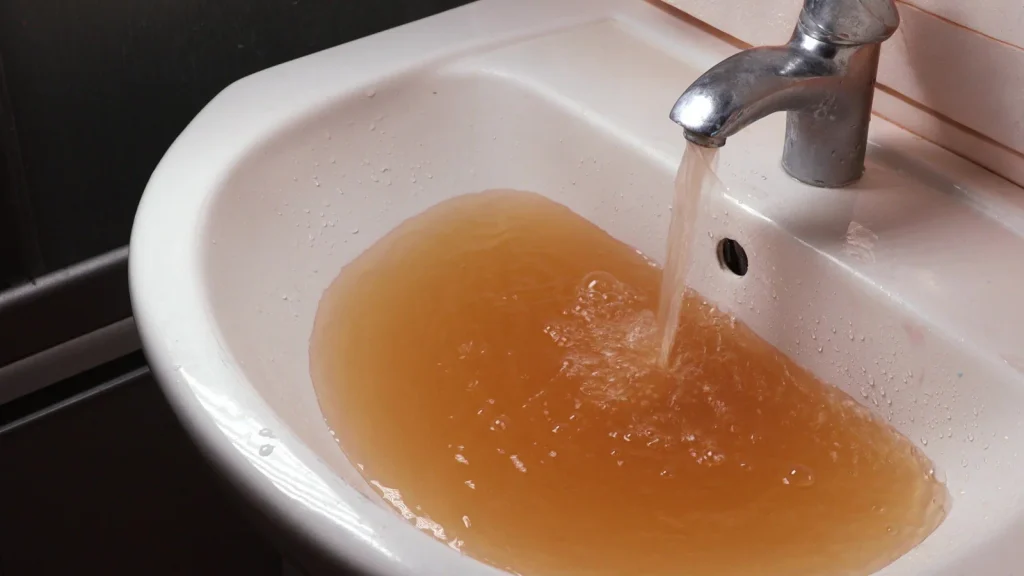
Orange, Brown, and Yellow Tap Water: What Each Color Means
‹ ADVERTISEMENT ADVERTISEMENT Few household sights evoke faster concern than opening a faucet and watching tinted fluid pour into a clean sink. Water should…
Read article →
Building a Home Water Quality Plan: Testing, Treatment, and Maintenance
‹ ADVERTISEMENT ADVERTISEMENT Clean running water is often taken for granted until a glass poured from the kitchen tap displays an unexpected cloudiness, an…
Read article →
How Water Quality Affects Your Skin and Hair
‹ ADVERTISEMENT ADVERTISEMENT When stubborn breakouts erupt, skin turns persistently dry, or hair refuses to retain moisture, most daily routines target topicals. Shelves fill…
Read article →Common questions
Is tap water in the US generally safe to drink?
Most public water systems meet federal standards most of the time. Problems are more often local, coming from a property's own plumbing, a private well or a specific event such as a main break.
Can I tell if my water has lead by looking at it?
No. Lead in water has no color, taste or smell. Only laboratory testing can tell you how much lead is in a sample.
How often should I test my water?
Private well owners are commonly advised to test at least once a year. On public water, testing usually makes sense when something changes: a renovation, a new baby, a change in taste or color, or concerns about older plumbing.