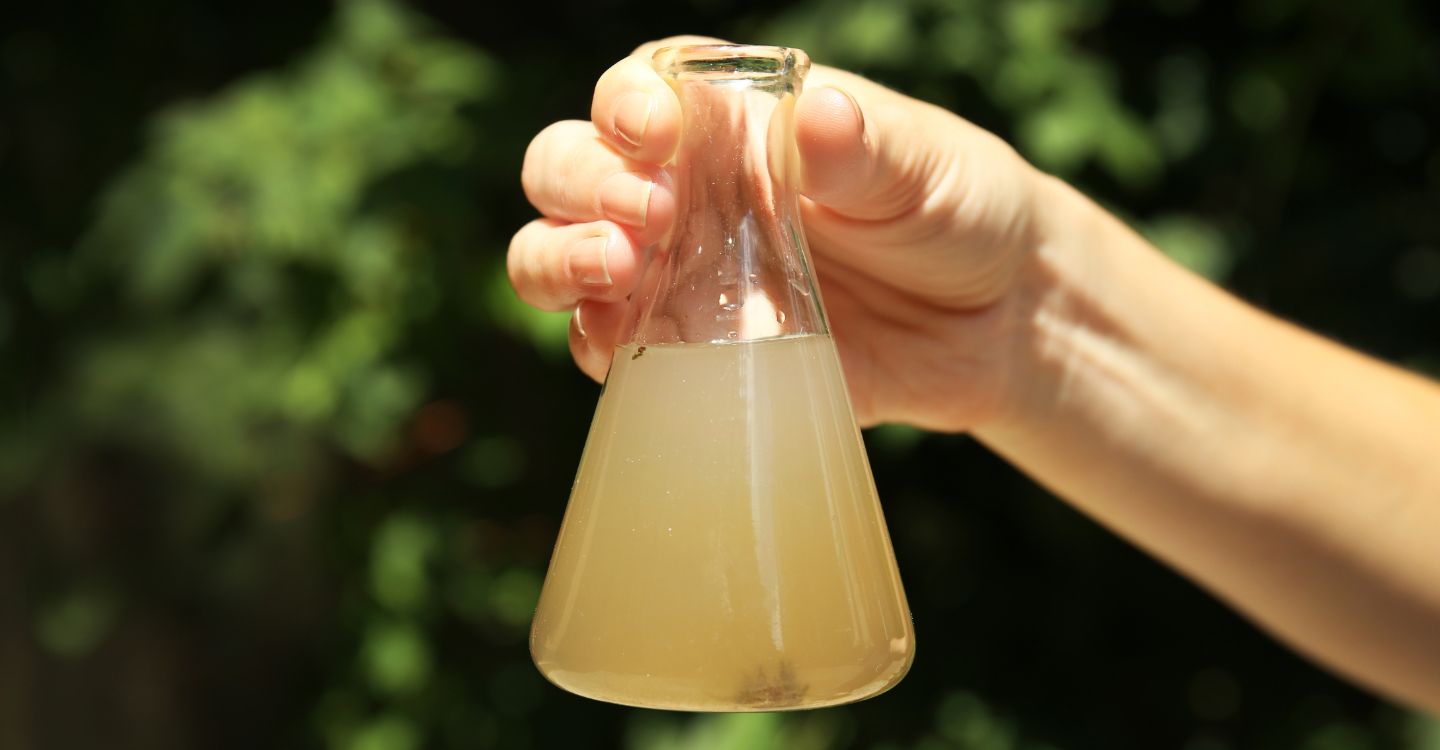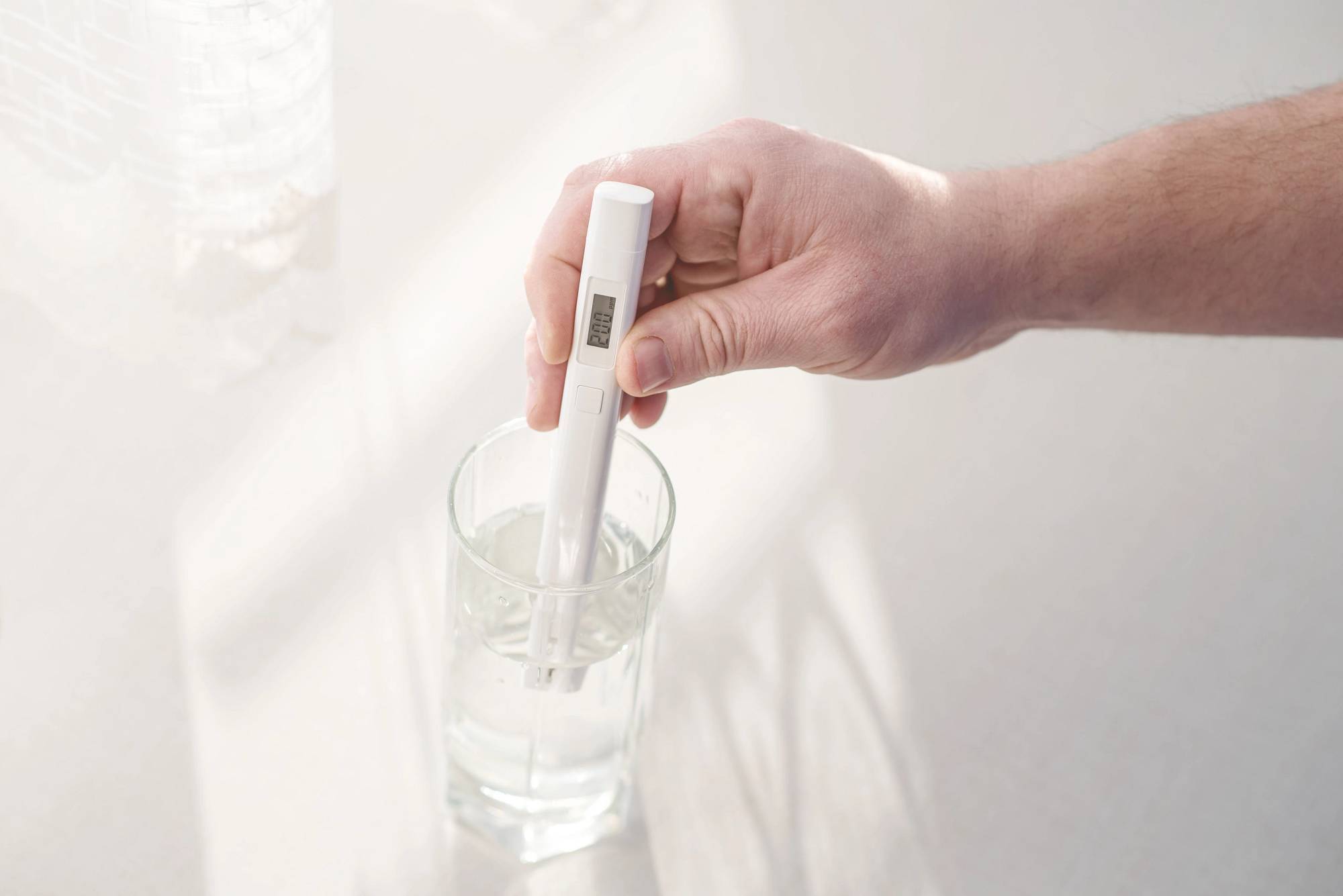
Lead in drinking water can pose a serious concern for households, particularly when aging plumbing, deteriorating pipes, solder, or older fixtures allow lead to enter the water supply. Because lead contamination cannot reliably be identified by looking at, smelling, or tasting water, understanding how it can enter drinking water is an important part of protecting families and maintaining a safer home environment.
Lead can enter drinking water when water comes into contact with plumbing components that contain lead. Older service lines, pipes, faucets, solder, and other fixtures may release lead into water under certain conditions, particularly when water has remained stagnant in the plumbing for an extended period. Changes in water chemistry can also influence how readily lead is released from plumbing materials.
For homeowners concerned about potential exposure, Professional lead water testing services in Brooklyn can provide reliable information about whether lead is present in household drinking water. Testing water directly from household faucets can help identify potential contamination and give homeowners a clearer understanding of their water quality.
Prevention begins with identifying potential sources and understanding the condition of the plumbing system. Depending on the test results and the source of contamination, appropriate measures may include addressing aging plumbing components, using suitable filtration, maintaining fixtures, or taking other steps recommended by qualified water professionals.
Safe drinking water requires more than relying on clear appearance or normal taste and smell. Regular awareness, appropriate testing, and proactive maintenance can help families identify potential lead concerns and make informed decisions to reduce exposure and protect household water quality.
Where Does Lead Come From?
Lead is not typically found in the source water—the rivers, lakes, or aquifers from which your utility draws its supply. Instead, it enters the water after it leaves the treatment plant, usually through the plumbing system itself.
The Anatomy of Risk
The most common sources of lead in drinking water are:
- Lead Service Lines: The pipe connecting your home to the municipal water main may be made of lead, particularly in homes built before the mid-1980s.
- Household Plumbing: Faucets, brass fixtures, and pipe fittings manufactured before 1986 may contain lead.
- Lead Solder: Before the mid-80s, lead-based solder was commonly used to join copper pipes. Over time, or due to improper installation, this solder can leach lead into the water.
Lead enters the water through corrosion—a chemical reaction that occurs when water sits stagnant in these pipes. Factors like water acidity or low mineral content can accelerate this process, effectively “dissolving” metal from the pipes into your glass.
Why Lead Is a Public Health Concern
The health risks associated with lead exposure are profound. Lead is a neurotoxin that accumulates in the body over time, stored primarily in the bones and teeth. It is especially dangerous because there is no known safe level of lead exposure.
Impacts on Children
Children under the age of six are at the highest risk. Their rapidly developing brains and central nervous systems are particularly susceptible to the toxic effects of lead. Exposure can result in permanent, irreversible damage, including:
- Reduced IQ and learning disabilities.
- Behavioral issues, such as hyperactivity and shortened attention spans.
- Stunted growth and hearing impairment.
Impacts on Adults
While children are the most vulnerable, adults are not immune. Long-term, chronic exposure to lead has been linked to increased blood pressure, cardiovascular disease, and kidney damage. For those who are pregnant, lead stored in the bones can be released into the bloodstream, potentially impacting fetal development.
Assessing Your Risk
If you are concerned about lead, the first step is to determine if your home is a candidate for exposure. You can often conduct a basic check yourself:
- Scratch Test: Locate the service pipe where it enters your home. If you gently scratch it with a coin, lead will appear shiny and silver. (If it’s copper, it will look like a new penny; if it’s iron, it will be dark and hard.)
- Age of Home: If your home was built before 1970, the probability of lead pipes or lead solder is significantly higher.
For a definitive answer, don’t rely on general water reports provided by your city, as these rarely account for the specific plumbing inside your home. Instead, contact your local water authority to ask about their testing programs or commission a test from a certified laboratory.
Prevention and Protection
While the long-term solution is the replacement of lead service lines—an effort often spearheaded by local municipalities—there are immediate, practical steps you can take to protect your household.
Simple Daily Habits
- Flush the Tap: If water has been sitting in your pipes for several hours (like overnight), run the cold water for a few minutes before using it for drinking or cooking. This “flushes” the stagnant water that has been in contact with your plumbing.
- Use Cold Water Only: Never use hot water from the tap for drinking, cooking, or making baby formula. Hot water dissolves lead much faster than cold water.
- Boiling Doesn’t Help: A common misconception is that boiling water removes lead. It does not. In fact, boiling can concentrate the lead in the water because some water evaporates.
Investing in Filtration
If lead is detected, or if you live in an older home and want a “safety net,” point-of-use filtration is highly effective. Look for systems that are NSF/ANSI Standard 53 certified for lead removal. Whether you choose an under-sink reverse osmosis system, a faucet-mounted filter, or a pitcher-style filter, ensuring the product is specifically certified for lead reduction is the most important factor in your decision.
Staying Informed
The science of water safety is constantly evolving, and keeping up with the latest information is a key part of responsible home ownership. As researchers continue to explore the nuances of water science, our understanding of how best to protect our taps continues to improve.
Navigating the complexities of global issues like heavy metal contamination can feel daunting, but you are not alone. Whether you are seeking advice on testing your home or looking for clarification on filtration standards, contacting qualified research resources can provide the guidance you need.
By staying proactive—testing your water, understanding your home’s plumbing, and utilizing certified filtration—you can ensure that your tap remains a source of health rather than a source of concern. For more tips on maintaining a safe household water environment, check out our blog for ongoing updates and practical resources.