PFAS, often referred to as “forever chemicals,” have become an increasing concern for communities, businesses, and public health professionals around the world. The term PFAS refers to a large group of synthetic chemicals known for their resistance to heat, water, grease, and stains. These properties have made them useful across numerous industries, but their persistence means that some PFAS can remain in the environment for long periods and may eventually enter water sources.
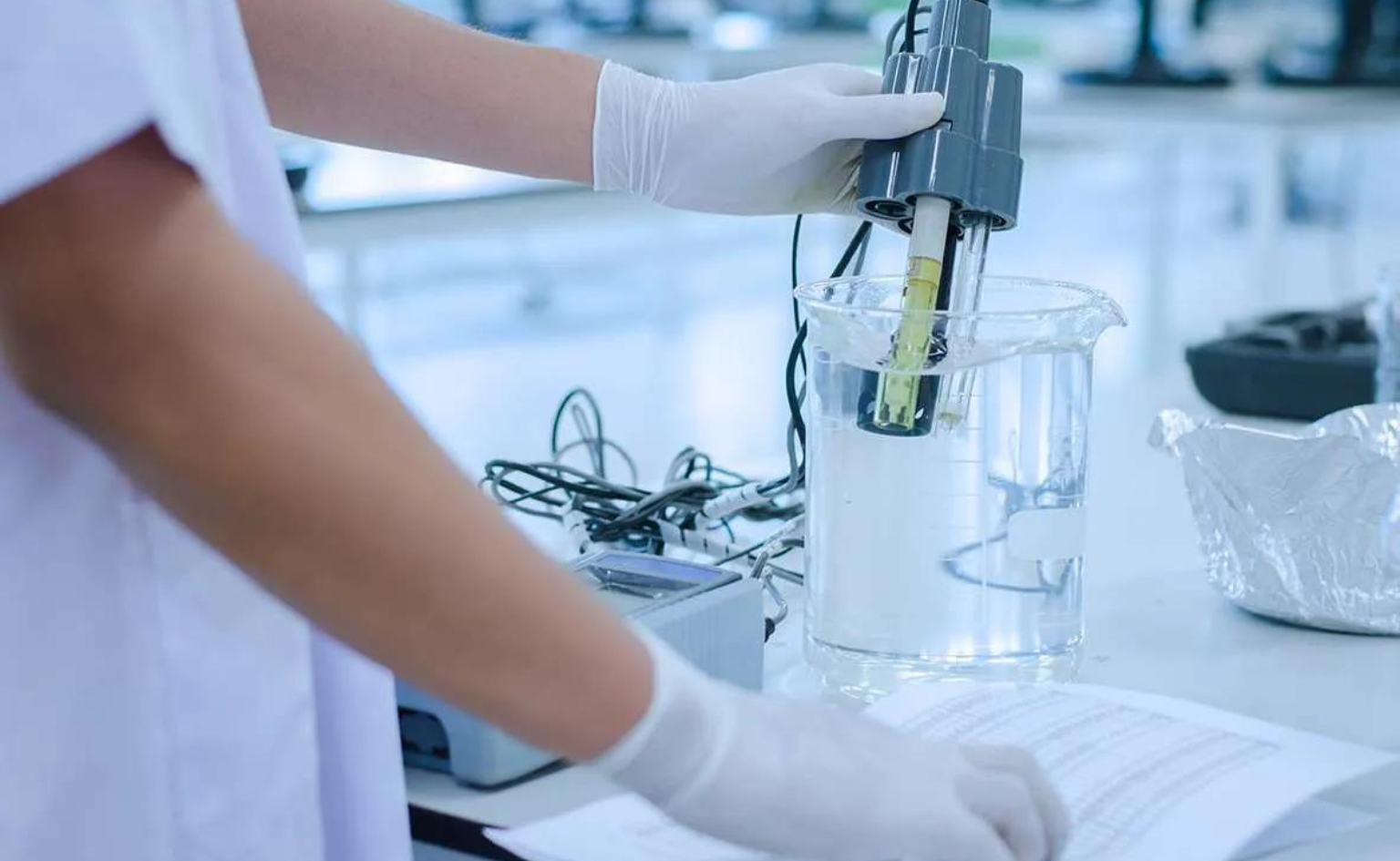
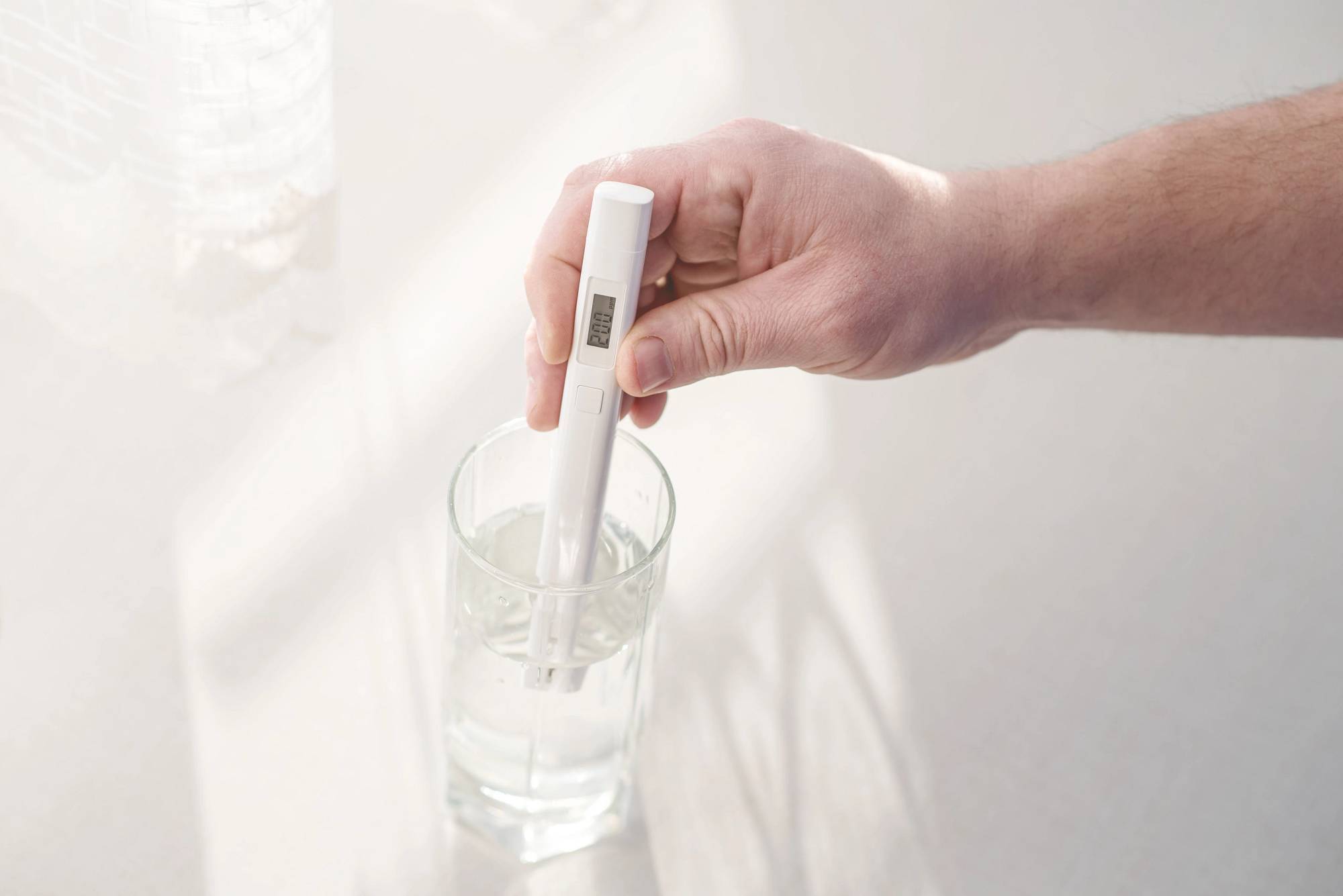
Understanding potential PFAS contamination is particularly important in buildings where large numbers of people rely on the same water system every day. Office building drinking water testing in NYC can help property managers evaluate drinking water for PFAS and other potential contaminants, providing useful information about the quality of water available to employees, tenants, and visitors.
PFAS can enter the environment through a variety of industrial, commercial, and consumer-related activities. Once released, certain PFAS compounds can move through soil and groundwater and potentially reach drinking water sources. Their widespread use and environmental persistence have made monitoring and testing an important part of modern water quality management.
Healthcare facilities require particular attention because patients, medical staff, and visitors depend on reliable water supplies throughout the facility. Queens hospital water testing specialists can help identify PFAS and other potential contaminants in facility water systems, giving administrators valuable information for evaluating water quality and determining whether additional measures may be appropriate.
Addressing PFAS contamination begins with understanding where potential risks exist and obtaining reliable information about the water being used. Testing can help property owners and facility managers move beyond assumptions and make informed decisions about monitoring, filtration, maintenance, and other water management strategies.
As research and regulatory attention surrounding PFAS continues to develop, proactive water quality testing can play an important role in identifying potential concerns. For communities and organizations worldwide, understanding these persistent chemicals and their possible presence in drinking water is an important step toward responsible water management and long-term public health protection.
What Are “Forever Chemicals”?
PFAS are not a single substance, but a vast family of nearly 15,000 synthetic chemicals that have been in use since the 1950s. Their chemical structure—a chain of carbon and fluorine atoms—is among the strongest in organic chemistry. This bond is what gives them their “forever” status; it is incredibly difficult to break down, meaning that once these chemicals are released, they remain in our soil, air, and water for decades, if not centuries.
Their utility is the primary reason for their widespread presence. PFAS are the “secret ingredient” in a dizzying array of consumer goods, including:
- Non-stick cookware coatings.
- Water-repellent clothing and gear.
- Stain-resistant carpets and upholstery.
- Grease-resistant food packaging (like microwave popcorn bags).
- Certain cosmetics, dental floss, and sunscreen.
Because these products are used globally, PFAS eventually make their way into our ecosystem, primarily through industrial discharge, landfill leaching, and the use of specialized firefighting foams at airports and military bases.
The Path to Your Tap: How PFAS Enter Water Systems
Most municipal water treatment facilities were designed decades ago with a focus on removing bacteria, viruses, and physical debris. They were never equipped to filter out modern, microscopic synthetic chemicals like PFAS.
When products containing PFAS are discarded or used, these chemicals often wash into our wastewater streams. Conventional treatment plants are typically unable to capture them, allowing them to flow into rivers, lakes, and aquifers—the very sources of our drinking water. Because PFAS move easily through the environment, they can contaminate groundwater far from their point of origin.
For many communities, the reality is that the water coming out of the tap contains traces of these chemicals, even if the system meets all current regulatory standards. As noted in ongoing research on water science, the gap between historical safety standards and the emerging evidence of chemical toxicity is the core of the current public health debate.
Why the Concern Is Growing
The global alarm regarding PFAS is rooted in their unique ability to bioaccumulate—meaning they build up in the human body over time. Because we are exposed to them through a combination of drinking water, food packaging, and even indoor dust, our internal levels can rise faster than our bodies can eliminate them.
Scientific studies, including major clinical investigations like the 2026 ATSDR multi-site study, have increasingly linked long-term PFAS exposure to serious health outcomes. These include:
- Endocrine Disruption: Impacts on thyroid and hormonal function.
- Immune System Suppression: A reduced ability to fight off infections.
- Developmental Risks: Concerns for fetal development and child growth.
- Increased Cancer Risk: Potential links to kidney, testicular, and other forms of cancer.
These findings have pushed PFAS to the forefront of global issues in environmental safety, forcing governments to reconsider how they regulate not just individual chemicals, but entire classes of synthetic compounds.
Navigating the Regulatory Landscape
2026 has been a watershed year for PFAS regulation. From the United Kingdom’s Environmental Audit Committee reports to new restrictions in the European Union, the momentum is shifting toward more aggressive, group-based bans rather than addressing chemicals one by one—a “whack-a-mole” strategy that has historically failed to keep up with industry innovation.
However, regulatory change often moves slower than the pace of contamination. Families waiting for sweeping policy changes can take matters into their own hands. If you are concerned about the status of your local water, start by reviewing your area’s annual water reports. These documents provide the baseline data needed to understand what is entering your home.
Proactive Steps for Your Household
If you determine that your water supply may be affected by PFAS, there are effective ways to mitigate the risk. While no household filter is a complete “magic bullet” for every chemical, specific technologies—such as high-pressure reverse osmosis membranes, ion exchange resins, and specialized activated carbon blocks—have been shown to be effective at significantly reducing PFAS levels.
If you are unsure where to begin, or if you want to understand the unique challenges facing your community, it is helpful to stay informed through resources like the water quality blog. Engaging with experts or local water authorities is a critical step in assessing whether you need additional point-of-use filtration.
Conclusion
The story of PFAS is a cautionary tale about the unintended consequences of human ingenuity. While we cannot undo the decades of accumulation in our environment overnight, we can change how we interact with our water supply.
By demanding transparency, staying educated on the latest scientific findings, and taking common-sense steps to filter our own water at home, we can protect our families from the hidden threats of these “forever chemicals.” If you find that you have questions about testing or specialized filtration for your home, don’t hesitate to reach out for contact or further guidance. Clean, safe water is not just a regulatory expectation; it is a fundamental pillar of a healthy future.