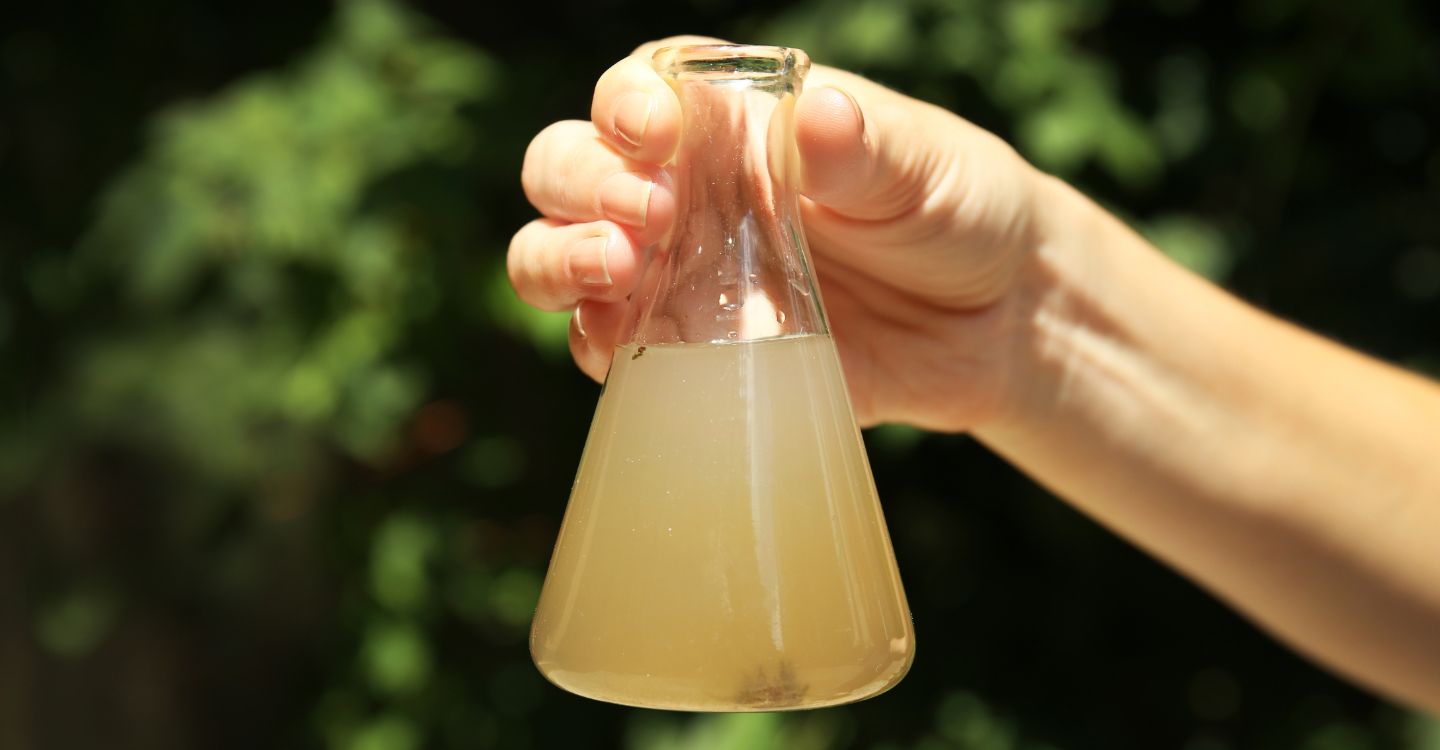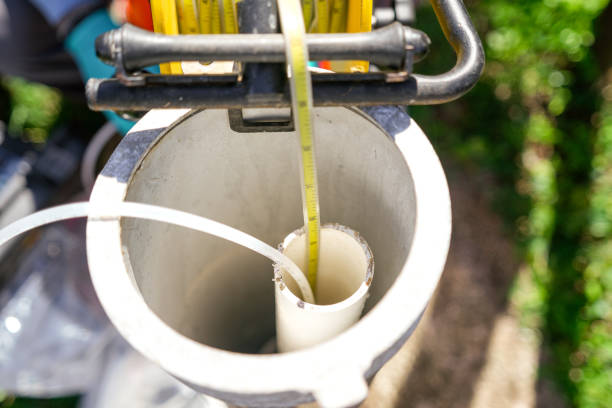
In the world of private well development, the “raw water” test is the moment of truth. It is the point where the driller reaches the aquifer, draws a sample directly from the casing, and sends it to the lab to see if the source is viable. For many homeowners and developers, a clean raw water report feels like crossing the finish line. However, a frustrating and increasingly common trend is emerging: wells that are pristine at the source are failing water quality standards at the “treated endpoint”—the kitchen tap or the bathroom shower.
This phenomenon represents a significant breakdown in the assumption that treatment systems are purely additive or subtractive. In reality, the journey from the wellhead, through the pressure tank, into the treatment media, and finally through the home’s plumbing is a complex series of chemical and biological interactions. When a well passes at the source but fails at the tap, it usually indicates that the treatment process itself—or the infrastructure following it—has introduced new vulnerabilities.
The Complexity of Post-Source Chemistry
To understand why a clean well produces “dirty” tap water, we must first look at the science of water as a solvent. Raw groundwater is often in a state of chemical equilibrium under the high-pressure, low-oxygen environment of an aquifer. The moment that water is pumped to the surface and run through a treatment system, that equilibrium is shattered.
Treatment components like ion-exchange softeners, iron filters, and sediment housings are designed to remove specific contaminants. However, they also alter the water’s pH, alkalinity, and dissolved oxygen levels. If a treatment system is not perfectly calibrated to the specific mineral profile of the well, it can turn stable water into “aggressive” water. This aggressive water then scours the home’s internal plumbing, leaching metals or dislodging biofilms that were never present in the raw sample.
The Ion-Exchange Side Effect
Water softeners are the most common treatment addition in new well builds, yet they are a primary culprit in endpoint failures. Softeners work by replacing calcium and magnesium ions with sodium or potassium ions. While this prevents scale buildup, it significantly increases the conductivity of the water.
In many cases, the raw water has enough hardness to form a thin, protective mineral coating inside the pipes. When that water is “over-softened,” the protective layer is stripped away. The newly softened, high-conductivity water begins to react with brass fittings, copper pipes, and lead solder joints. The result is a “treated” sample that fails for lead or copper, even though the raw well water was completely free of heavy metals. This “softener-induced leaching” is a frequent highlight in the specialized reports we compile for residential developments.
The Biological Reservoir: Treatment Media and Stagnation
Perhaps the most concerning reason for an endpoint failure is microbial regrowth. A raw well sample is usually taken after the well has been “purged”—pumped at a high rate to ensure the water is fresh from the aquifer. But in a home, water moves slowly and sits for long periods in treatment tanks.
Large carbon filters and sediment housings provide a massive surface area for bacteria to attach and grow. If these systems are installed in a new home that sits vacant for several weeks before the owners move in, the treatment media becomes a biological incubator. By the time the water reaches the tap, it may fail for Coliform or high Heterotrophic Plate Counts (HPC), even if the well itself is deep and protected from surface contamination. This is a growing global issues concern as more properties rely on decentralized, on-site treatment systems that lack the residual disinfection found in municipal supplies.
Pressure Tanks and Sediment Accumulation
The pressure tank is an often-overlooked component in the well-to-tap journey. Its job is to store a volume of water so the pump doesn’t have to cycle constantly. However, because it is a wide-diameter tank with relatively low flow, it acts as a natural settling basin.
Even “clean” wells often carry tiny amounts of fine silt or iron precipitates. Over months or years, this material settles at the bottom of the pressure tank. During periods of high water demand, this sediment can be stirred up and sent through the treatment system. If the treatment system is overwhelmed or if the sediment bypasses the filters, the “endpoint” sample will show high turbidity or metallic spikes that were invisible in the initial raw well test.
The Local Nuance of Well Water Failures
Water quality is inherently local. In regions with high natural acidity, the raw water might be “safe” to drink but highly corrosive to plumbing. In other areas, high levels of manganese may be undetectable in a clear raw sample but oxidize into black flakes once they hit a chlorination system or an aerated faucet.
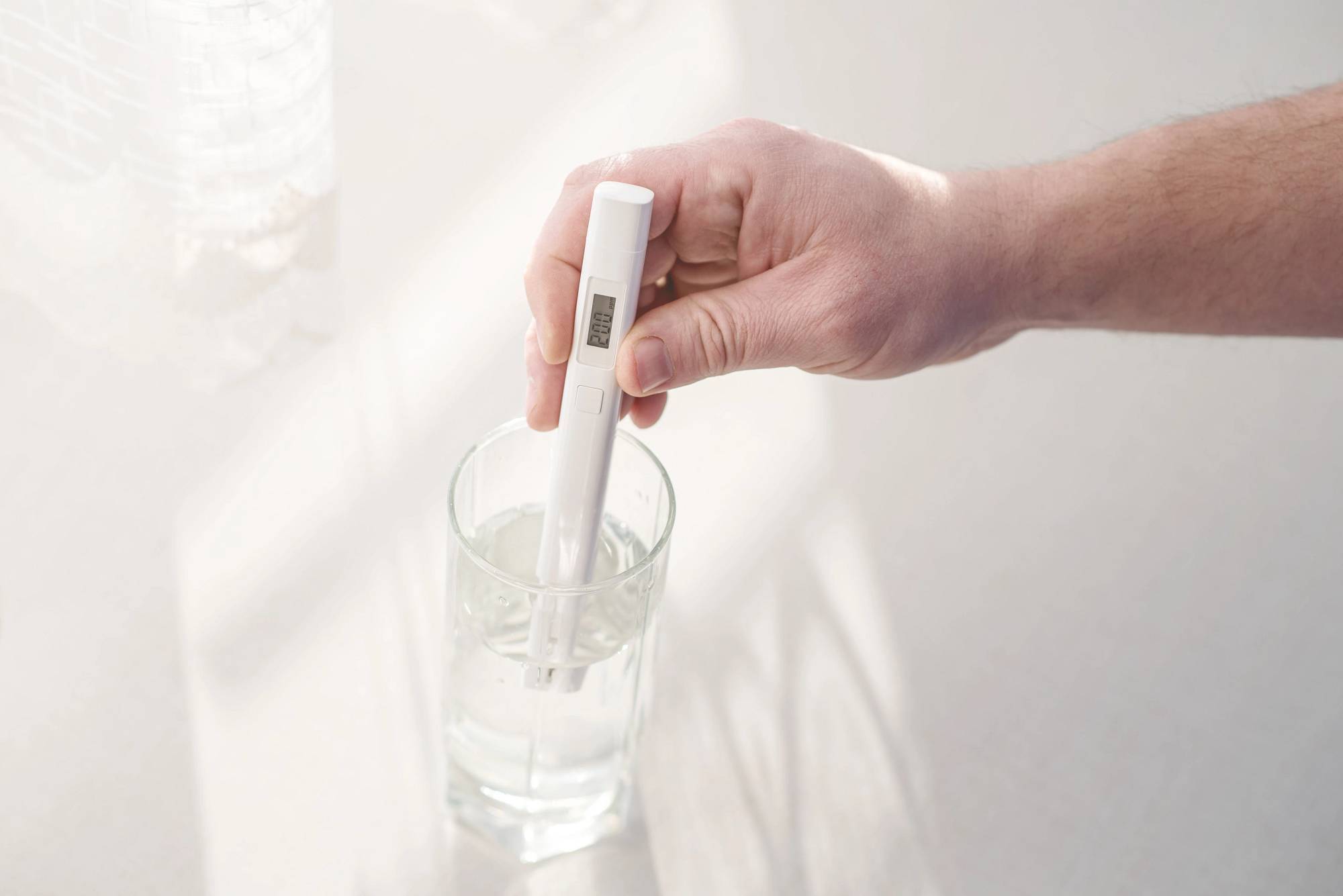
Builders and homeowners must realize that a raw water test is just a snapshot of the source. It does not account for how that specific local water will interact with the specific materials of the home. This is why endpoint testing—testing the water as it is actually consumed—is the only true measure of safety. We frequently discuss these regional chemical “personalities” on our blog, helping well owners understand why their neighbors might have a different treatment experience than they do.
Troubleshooting the “Clean Well, Dirty Tap” Problem
If a new well passes its raw tests but fails at the endpoint, a systematic “zone” testing approach is required:
Check the Treatment Bypass: Take a sample before the treatment system but after the pressure tank. If this fails, the issue is in the well or the tank. If it passes, the issue is in the treatment or the house plumbing.
Evaluate the Aerators: Faucet aerators are common sites for localized contamination. Remove the aerator and re-test. If the water passes, the “failure” was simply a dirty fixture.
Assess Water Age: If the home has been vacant, perform a “flushing” protocol. Flush the entire system for 20-30 minutes to remove stagnant water from the treatment tanks and pipes, then re-test.
Check the Softener Settings: If the failure is for lead or copper, the softener may be set too high. Adjusting the hardness “blend” to leave a small amount of minerals in the water can help stabilize the pipes.
The Necessity of Professional Commissioning
Just because a treatment system is installed doesn’t mean it is working correctly. “Commissioning” a well system involves balancing the chemistry of the treated water to ensure it is neither scale-forming nor corrosive. Many installers focus on making the water “feel” soft or look clear, but they ignore the underlying Langelier Saturation Index (LSI) that dictates pipe health.
A system that produces crystal-clear water but leaches lead from the kitchen faucet is a failure. Professional testing at the endpoint ensures that the treatment system is actually doing its job without creating secondary problems. For those dealing with persistent endpoint failures, we invite you to reach out through our contact page. Our team specializes in diagnosing the chemical “mismatches” between well sources and home treatment systems.
Conclusion: The Faucet is the Final Word
The raw water test is the foundation of a good well, but the endpoint test is the final word on safety. As treatment technology becomes more advanced and home plumbing more complex, the gap between “source quality” and “tap quality” is widening.
Homeowners must stop viewing treatment systems as “set and forget” appliances. They are dynamic chemical processors that require regular monitoring. When we test at the endpoint, we aren’t just testing the well; we are testing the entire engineering of the home. Ensuring that a well passes both the raw and the treated checks is the only way to guarantee that the water isn’t just clean in the ground, but safe in the glass.