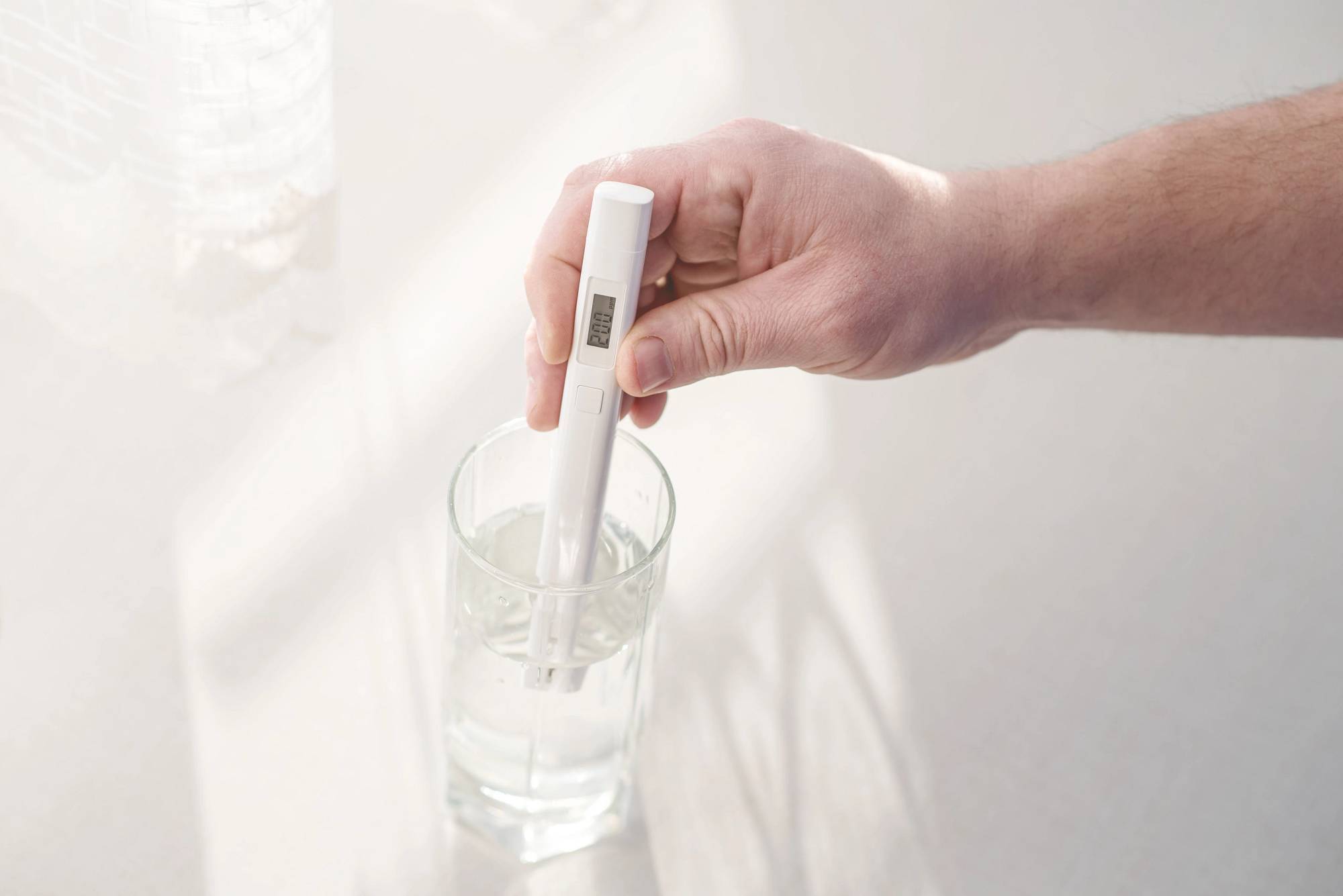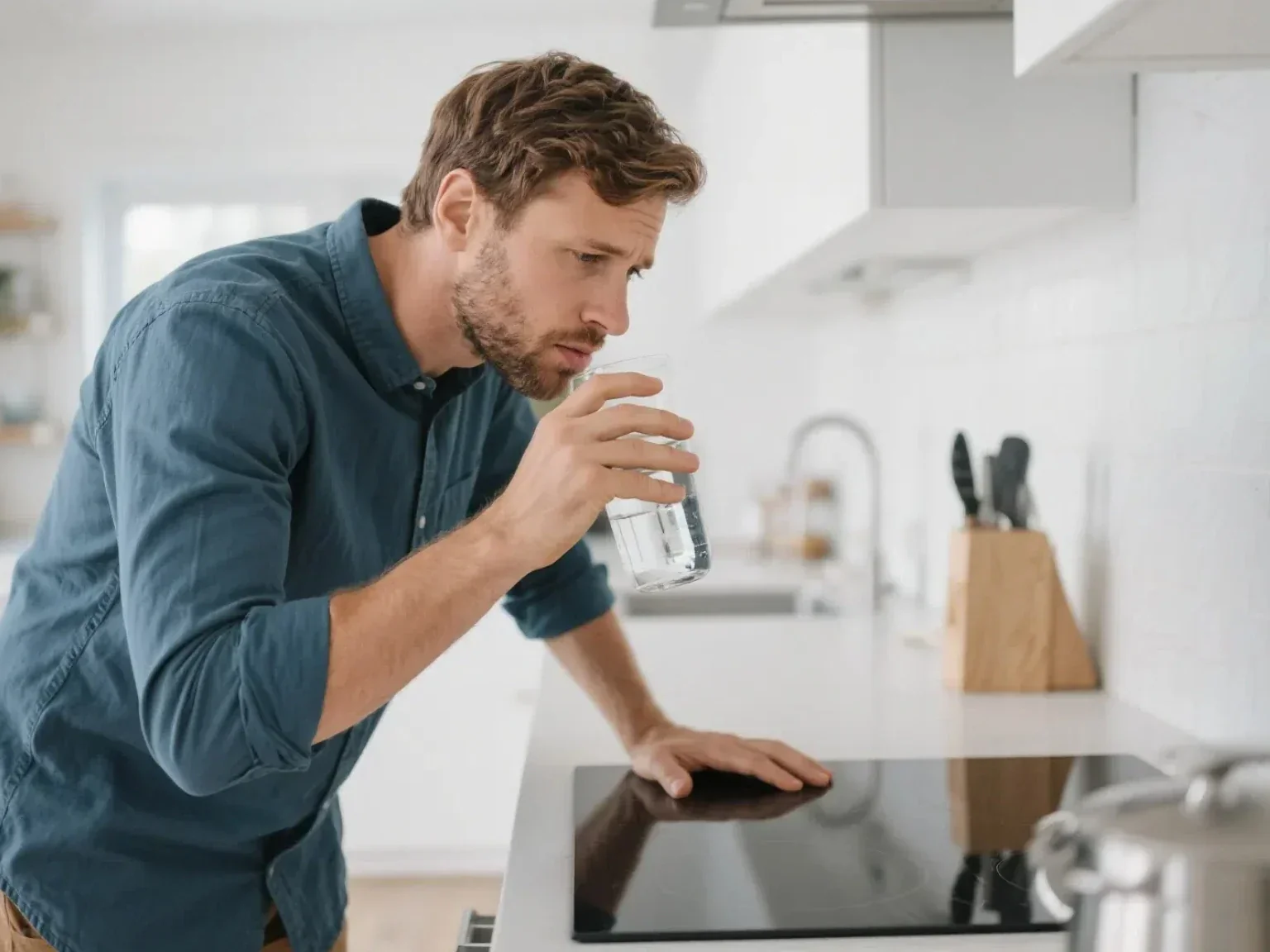
In the vertical neighborhoods of Jersey City—from the glassy towers of the Powerhouse Arts District to the established high-rises along the waterfront—the quality of life is often defined by the view. However, inside these multi-million dollar units, a more grounded issue persists: the quality of the water. Despite being served by a robust municipal supply, many high-rise residents continue to report a persistent metallic taste and an unappealing chemical odor in their tap water. These sensory complaints are often the first sign of a more technical failure known as fixture leaching.
In early 2026, as building age and changing water chemistry intersect, the problem has become a point of emphasis for both tenants and condo boards. While the water leaving the treatment facility in Boonton meets stringent standards, the “last mile” journey through a high-rise’s internal plumbing can fundamentally alter its profile. Understanding the science of how modern fixtures interact with treated water is essential for any urban dweller looking to ensure their home’s most basic utility is truly safe.
The High-Rise Taste Paradox: Chlorine and Beyond
The most common complaint in Jersey City apartments is a sharp, bleach-like taste. This is often attributed to the chlorine or chloramines used by the city to maintain a disinfectant residual. While these chemicals are vital for public health, their presence can be amplified in high-rise environments. Many buildings utilize large rooftop or basement storage tanks to manage water pressure. If these tanks are not cycled frequently, the chlorine can react with organic matter or the tank’s lining, creating a “stagnant” chemical flavor.
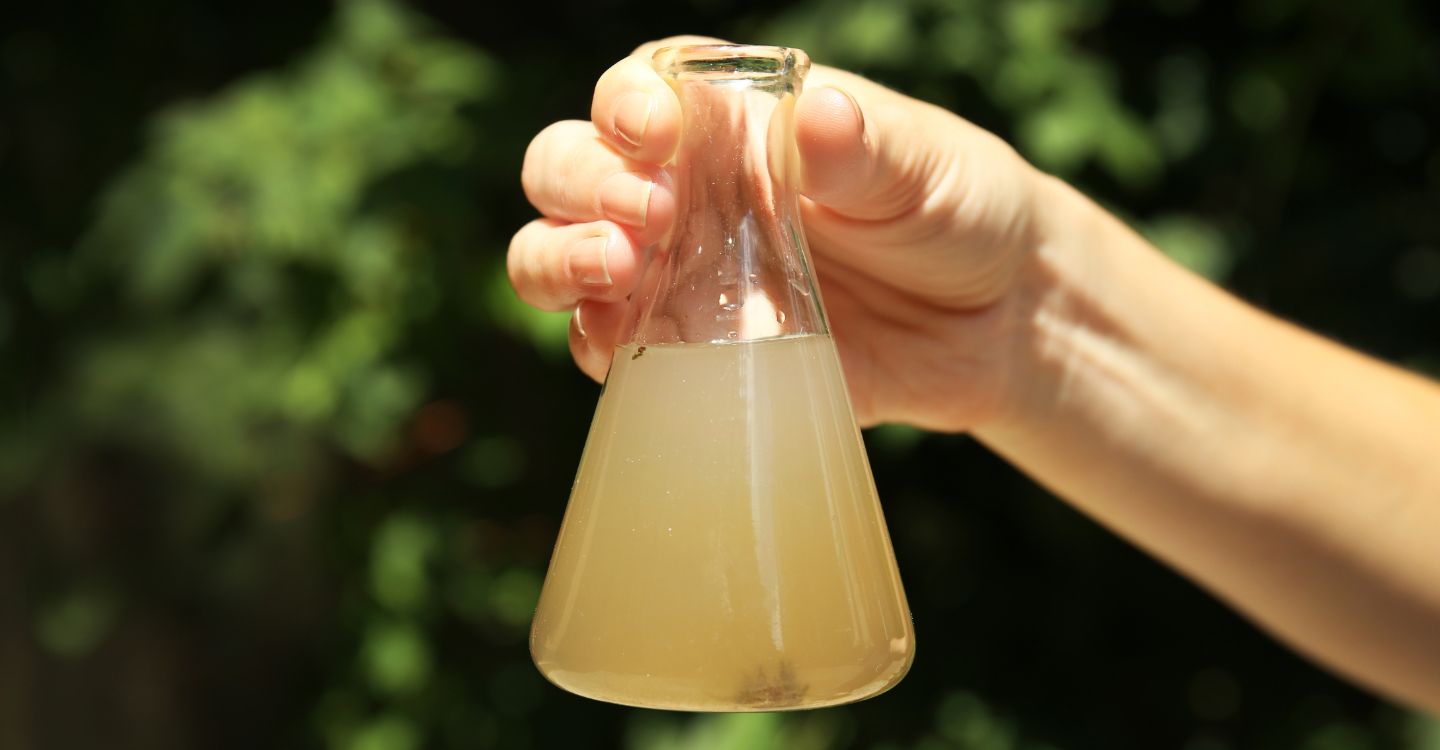
However, the “bad taste” isn’t just about what is added to the water; it’s about what the water takes from the building. Many high-rise residents describe a bitter, metallic “aftertaste” that persists even after the water has been chilled. This is a classic indicator of metal leaching—a process where the water’s chemistry aggressively strips minerals and metals from the building’s own pipes and high-end fixtures. This is a recurring theme in our reports, as the aesthetic quality of water often serves as a leading indicator for underlying infrastructure decay.
The Science of Fixture Leaching in Modern Construction
It is a common misconception that “new” means “safe” when it comes to plumbing. In fact, many modern luxury fixtures can be significant sources of lead and copper. Even fixtures labeled as “lead-free” are permitted by current regulations to contain up to 0.25% lead on wetted surfaces. In the high-pressure, high-temperature environment of a luxury high-rise, this small percentage can still leach into the water during periods of stagnation.
Several factors in Jersey City contribute to this localized contamination:
High Water Temperature: Many high-rises utilize recirculating hot water loops to ensure residents have instant heat at the tap. This constant movement of hot water is highly corrosive. Hot water acts as a solvent, accelerating the rate at which copper and lead are pulled from the faucet’s internal brass components and the solder used in the branch lines. Galvanic Corrosion: In the rush of urban development, it is not uncommon for buildings to have “mixed plumbing.” When a new copper line is connected to an older brass valve or a galvanized steel riser without proper dielectric insulation, a small electrical current is created. This current literally pulls the metal into the water. Low Flow and Stagnation: Modern “low-flow” fixtures, designed for water conservation, can ironically lead to higher metal concentrations. Because the water moves more slowly through the fixture, it has more contact time with the metal surfaces. If a guest bathroom sink isn’t used for a few days, the “first-draw” water can carry a concentrated load of contaminants.
The Health Impact of “Aesthetic” Issues
While a metallic taste is often dismissed as a “secondary” or aesthetic issue, it represents a breach in the building’s protective systems. Copper leaching, in particular, is a significant concern in New Jersey multi-unit systems. When copper levels exceed the action limit, residents may experience acute gastrointestinal distress.
Furthermore, the presence of these metals can indicate that the building’s corrosion control—the chemical balance intended to keep pipes stable—has failed. As we discuss in our blog, once the protective mineral scale inside a pipe is compromised, the building is at a higher risk for both metal contamination and structural failures like pinhole leaks. This is not just a local problem; it is part of the global issues facing aging urban infrastructure as we demand more from our domestic water systems.
Case Study: The 2026 Jersey City High-Rise Audit
A recent laboratory audit of a high-rise near the Newport PATH station provided a clear look at this phenomenon. The building’s main intake showed 0.002 mg/L of lead—virtually undetectable. However, samples taken from a 35th-floor kitchen faucet after six hours of stagnation showed lead levels at 0.012 mg/L, nearly touching the federal action level.
The source was traced back to a high-end designer faucet that, despite its “lead-free” certification, was leaching lead from its internal decorative components. This discrepancy highlights the importance of unit-specific reports. A building-wide test might suggest everything is fine, while individual residents are being exposed to elevated metal levels every time they fill a glass of water.
How Jersey City Residents Can Protect Their Water
If you are a high-rise dweller concerned about taste and leaching, you don’t have to wait for a building-wide renovation to take action.
The “Cold Flush” Routine: Always run your tap for at least 30 to 60 seconds in the morning or after returning from work. This flushes out the water that has been sitting in the “leaching zone” of your fixtures and brings in fresh water from the building’s main riser. Aerate and Clean: Unscrew the aerators on your faucets every few months. These small screens trap particles of lead and copper that can continue to leach into the water as it passes through. Use Cold Water for Cooking: Never use the hot water tap for drinking or making pasta. Because hot water is more corrosive, it will almost always have a higher metal content than the cold supply. Independent Verification: If the taste persists or if you notice blue-green staining in your sinks, contact a laboratory for a professional audit. Knowing the science of what is in your specific tap is the only way to choose the right filtration solution.
Conclusion: Moving Beyond the Surface
Water quality in Jersey City’s high-rises is a tale of two systems: the city’s impressive treatment infrastructure and the building’s complex internal plumbing. When these two systems are out of sync, the result is the metallic taste and fixture leaching that continues to plague luxury developments in 2026.
By demanding more transparency in building reports and taking individual steps to manage “water age” at the tap, residents can ensure that their high-rise living experience is healthy from the inside out. Don’t let a bad taste go uninvestigated; it is your building’s way of telling you that the plumbing needs attention. For more information on navigating urban water challenges, visit our blog or reach out to our team of specialists for a comprehensive water quality consultation.