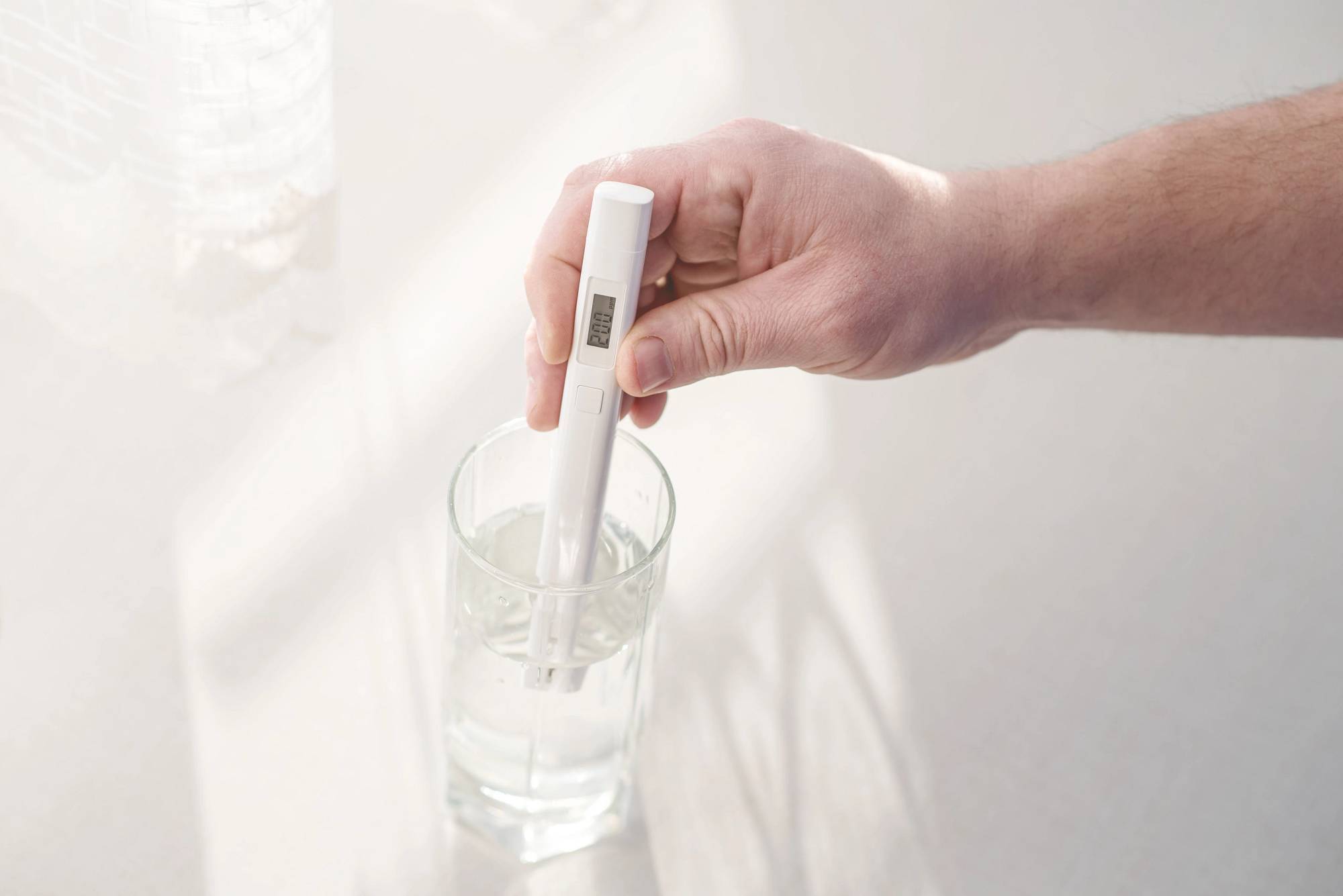
For decades, the monthly checklist for a commercial or multi-family property manager was relatively static. It involved inspecting the HVAC filters, checking the fire extinguishers, ensuring the elevators were permitted, and walking the grounds for landscaping issues. Water quality was rarely on the radar, assumed to be a “set and forget” utility managed by the city. However, a fundamental shift is occurring in the facility management industry. Property managers are now adding systematic tap water sampling to their recurring monthly maintenance schedules.
This evolution is driven by a convergence of aging infrastructure, stricter public health regulations, and an increasing demand for transparency from tenants. In the modern regulatory landscape, “ignorance is bliss” is no longer a legal defense. By implementing a proactive sampling protocol, managers are moving from a reactive “crisis mode” to a data-driven model of preventative health.
The Failure of Point-of-Entry Assumptions
The primary driver for monthly sampling is the realization that water quality at the building’s master meter is not representative of the water at a tenant’s faucet. Once water enters a large building, it enters a “premise plumbing” environment that is entirely under the manager’s jurisdiction. In large complexes, water can travel through miles of internal piping, sit in storage tanks, and pass through heat exchangers—all of which can degrade the water’s chemical and biological integrity.
Monthly sampling allows managers to track “water age” and disinfectant decay. If a building has low occupancy in a specific wing, the chlorine residual in those pipes will drop to zero. Without a monthly check, a manager wouldn’t know that a localized “dead zone” has formed, potentially allowing Legionella or other opportunistic pathogens to colonize the fixtures. Understanding the science of this decay is now a core competency for modern facility directors.
Mitigating the Liability of Legionella and Biofilms
From a risk management perspective, the greatest threat to a property manager is an outbreak of Legionnaires’ disease. The Centers for Disease Control and Prevention (CDC) explicitly recommends that building owners develop a Water Management Plan (WMP) that includes regular monitoring. By sampling distal taps monthly, managers create a “paper trail” of compliance and safety.
If a tenant or guest were to fall ill, having a year’s worth of clean monthly lab reports is a powerful legal shield. It proves that the manager exercised a high “standard of care” and was actively monitoring the system’s health. Conversely, the lack of such data is often seen as negligence in modern litigation. This shift in liability is a recurring theme in our reports, as courts increasingly hold property owners responsible for the biological stability of their plumbing.
Detecting “Stray Current” and Chemical Corrosion
Monthly water sampling isn’t just about bacteria; it’s about the physical health of the building’s assets. A sudden spike in copper or iron levels in a monthly report can be an early warning sign of a systemic mechanical issue. For example, “stray current” corrosion—where a faulty electrical ground uses the plumbing as a pathway—can eat through pipes with terrifying speed.
By catching a rise in metal concentrations early, a property manager can call in an engineer to investigate before a pipe bursts and causes a six-figure flood. This proactive monitoring turns a simple water test into a diagnostic tool for the entire mechanical plant. Many managers are finding that the cost of a monthly lab test is negligible compared to the cost of emergency pipe remediation or a full building re-pipe.
The Transparency Demand: Retention and Reputation
We live in an era of “certified” wellness. Modern tenants, especially in high-end residential or Grade-A office spaces, are highly attuned to environmental factors. They want to know that the air they breathe and the water they drink is safe. Property managers are now using their monthly water quality data as a marketing and retention tool.
Sharing a summary of the monthly water quality results with the tenant association or posting it in a digital building portal builds immense trust. It transforms the manager from a distant landlord into a proactive partner in the tenant’s health. This transparency is becoming a global issues trend, as buildings worldwide compete for “WELL” or “LEED” certifications that require ongoing environmental monitoring.
The Practical Logistics: Rotating Sampling Sites
A common question for property managers is: “How do I sample a 500-unit building every month?” The answer lies in a “rotating distal” strategy. Instead of testing every tap, managers identify the “high-risk” areas—the faucets furthest from the water main, the taps in vacant units, and the hot water return lines.
Each month, a different subset of these distal points is sampled. Over the course of a year, the manager gains a comprehensive map of the entire building’s water health. This allows them to identify “hot spots” where the plumbing might be aging faster or where the water is stagnating. We frequently share best practices for these sampling protocols on our blog, helping managers optimize their maintenance budgets for the highest impact.
Addressing the “Vacant Unit” Problem
The rise of hybrid work and fluctuating occupancy has created a nightmare for water quality. In a partially occupied building, water age skyrockets. When a unit sits empty for thirty days, the water in its branch lines is essentially dead.
By adding tap sampling to the monthly checklist, managers can identify which vacant units need a manual flush. If a monthly sample in a vacant suite shows a zero chlorine residual, the maintenance team knows they must run the taps for ten minutes to pull fresh, treated water into the line. This prevents the unit from becoming a source of contamination for the rest of the floor.
The Role of Local Water Fluctuations
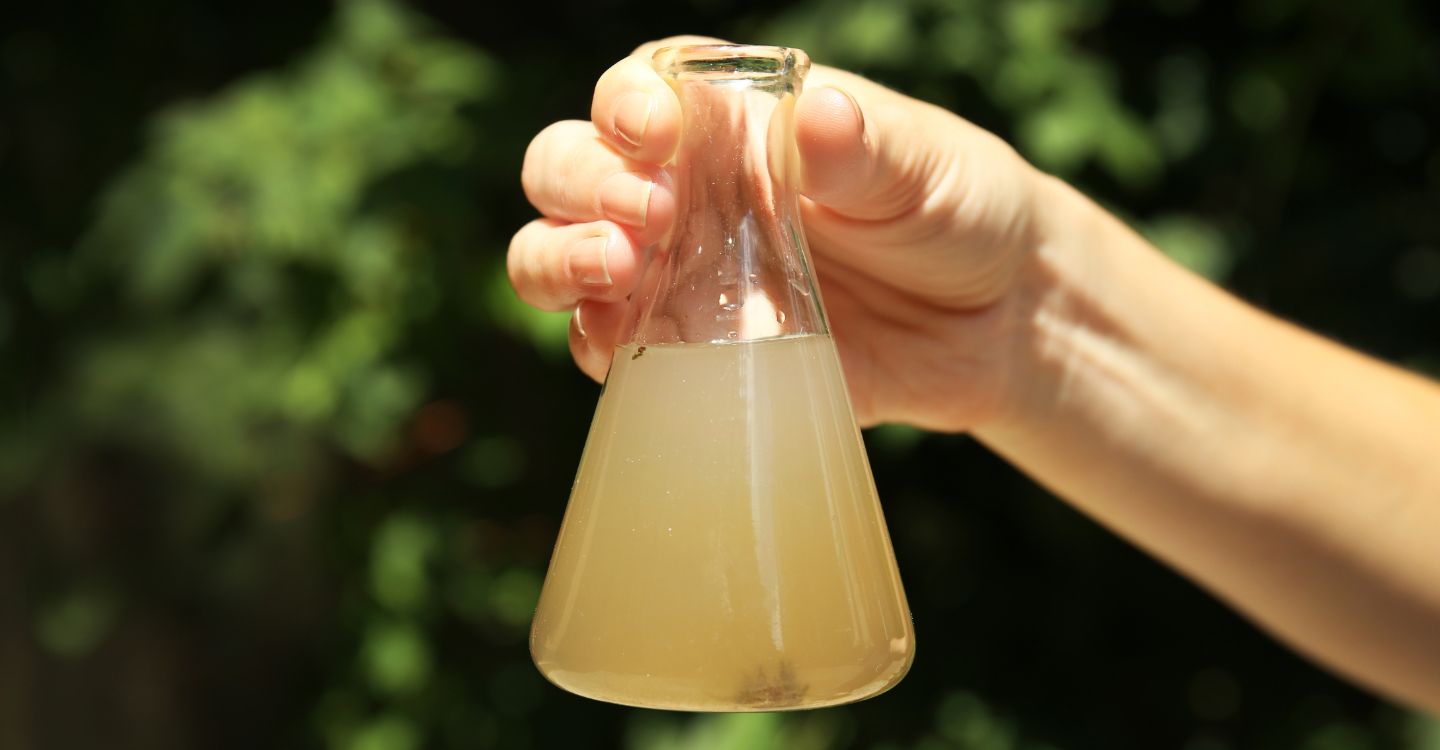
Water quality is not static. Municipalities change their treatment methods based on the season, and water main breaks can send pulses of sediment into a building’s system. For a local property manager, monthly sampling provides a baseline to understand these fluctuations.
If the city switches from chlorine to chloramines, or if a local construction project disturbs the street mains, the monthly report will catch the impact on the building’s internal chemistry. This allows the manager to adjust their own treatment systems—such as phosphate injectors or UV sterilizers—to compensate for the change.
Bridging the Gap Between Engineering and Management
Historically, the building engineer and the property manager operated in silos. The engineer fixed the boilers, and the manager collected the rent. Monthly water sampling is bridging that gap. The manager now holds the data that dictates the engineer’s priorities.
If a monthly report shows an upward trend in turbidity, the manager and engineer can work together to inspect the storage tanks for sediment buildup. This collaborative approach ensures that the “veins” of the building are managed with the same precision as the “skin” of the building.
Conclusion: Moving Toward a Healthier Infrastructure
The addition of tap water sampling to the monthly property management checklist is more than just a new chore; it is a recognition of the building as a living, breathing environment. As our infrastructure ages and our health standards rise, the “status quo” of water management is no longer sufficient.
For property managers, the benefits of monthly sampling are clear: reduced liability, protected assets, increased tenant trust, and a safer environment for everyone. In the competitive landscape of modern real estate, the buildings that can prove their safety through data are the buildings that will thrive.
If you are a property manager looking to design a monthly sampling program for your facility, or if you need help interpreting your recent lab results, we invite you to reach out through our contact page. Our team can help you build a protocol that protects your tenants and your bottom line.