In the United States, communities are facing increasing pressure on their freshwater resources. This pressure comes from population growth, industrial activities, and climate changes. Ensuring access to clean water is more critical than ever for public health and sustainability.
Recent advancements in membrane-based filtration have significantly improved water treatment efficiency, even under harsh conditions. Solar desalination and atmospheric water harvesting are also emerging as viable solutions for areas with limited access to clean water. These innovations not only reduce harmful contaminants but also help protect the environment.
Key Takeaways
- Membrane-based systems support higher levels of water treatment.
- Solar desalination and atmospheric methods expand access in isolated regions.
- Innovative approaches lower contamination risks in daily water supplies.
- Balancing population growth and sustainability protects precious resources.
- Cleaner water fosters greater well-being and healthier ecosystems.
Understanding the Importance of Safe Drinking Water for Health
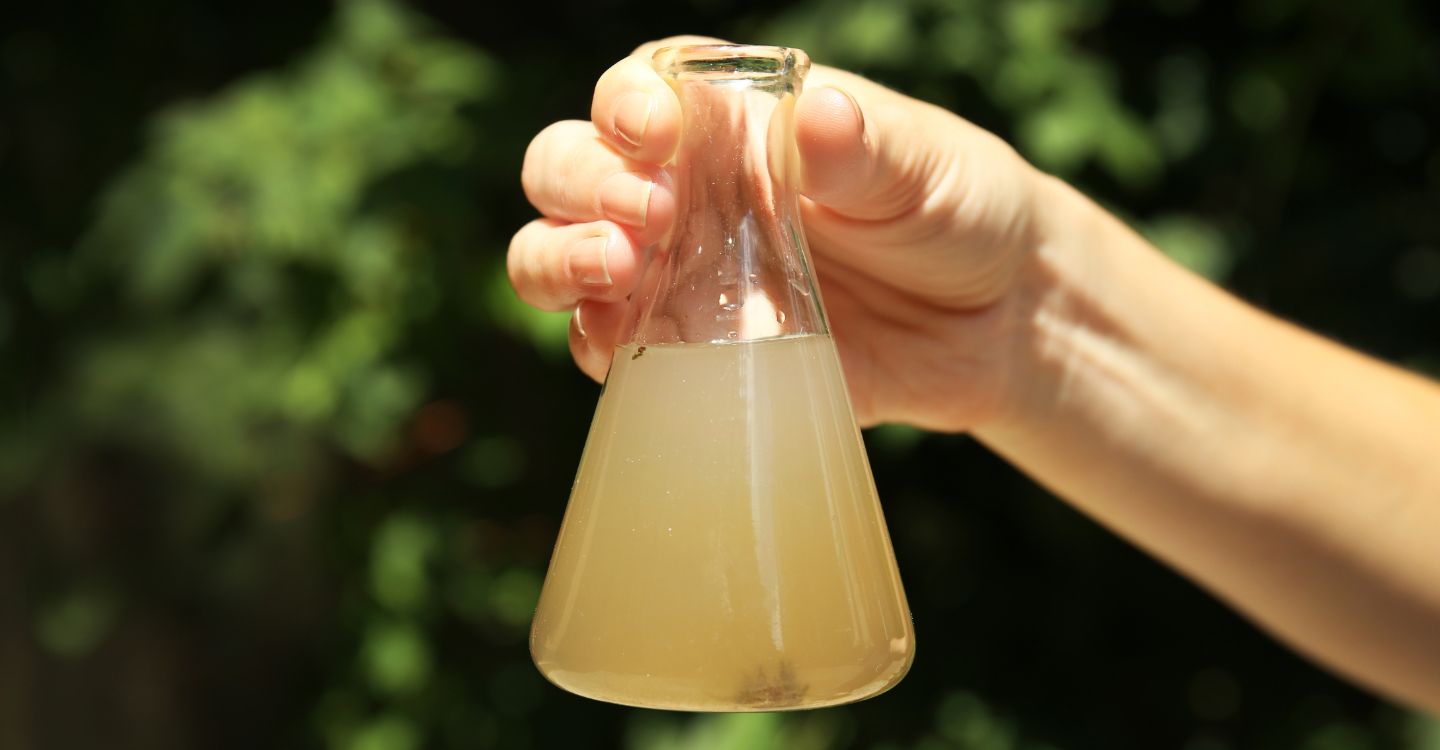
Safe drinking water is essential for the well-being of communities. Contaminants in water can lead to severe illnesses, affecting families and healthcare systems. Public health experts, including those at the Centers for Disease Control and Prevention, stress the importance of regular testing and upkeep of water pipelines.
Industrial processes sometimes overlook thorough filtration. This oversight can allow harmful substances to enter rivers or lakes, raising concerns about water quality. Communities can benefit from simple improvements like updating outdated infrastructure and educating on purification technologies. This fosters greater drinking water safety.
Signs of poor water management often manifest when residents frequently fall ill or notice reduced sanitation standards. Preventive measures include local checkpoints for early contamination detection and consistent monitoring of industrial discharge.
- Regular system inspections help pinpoint hazards
- Routine sampling increases awareness of chemical levels
- Collaborative initiatives support safe distribution networks
| Preventive Strategy | Goal |
| Sanitation Upgrades | Decrease risk of contamination |
| Filtration Technologies | Sustain cleaner supplies |
Innovative Filtration Technologies
New filtration methods have made significant strides, tackling a broad spectrum of impurities. They range from household taps to massive industrial settings. These advancements use advanced materials to capture harmful substances while maintaining taste quality. The focus is on improving water quality to protect public health.
Carbon Filtration Methods
Carbon-based filters are adept at removing organic compounds that alter taste and odor. This method is widely used in homes due to its low energy needs. Many active carbon systems can be easily replaced or cleaned, ensuring reliability and performance.
Membrane-Based Systems
Membrane materials withstand extreme temperatures and pressures, essential in demanding industries. They also reduce chemical usage, supporting sustainable water solutions. For more on innovations in filtration, visit this link to see how they enhance operations while minimizing environmental harm.
The Role of Water Quality in Environmental Sustainability
Protecting natural habitats begins with maintaining strong aquatic systems. Streams, rivers, and reservoirs flourish when free from harmful chemicals. Healthy bodies of water support balanced ecosystems, feeding into green spaces that benefit communities. When industrial discharge or urban runoff goes unchecked, wildlife suffers, and drinking sources can become compromised.
Stewardship also involves careful resource management. Local groups and businesses track water usage to prevent shortages and pollution buildup. Aquatic restoration projects restore drained wetlands, reduce soil erosion, and create cleaner rivers. This focus on water quality contributes to a resilient landscape where fish, plants, and people flourish. Embracing environmental stewardship encourages vigilant research, responsible consumption, and continuous public awareness.
| Pollutant | Possible Impact |
| Plastic Fragments | Ingestion by marine life |
| Excess Nutrients | Triggers harmful algae blooms |
| Industrial Waste | Contaminates water sources |
Government Regulations Influencing Drinking Water Standards
In the United States, agencies set clear benchmarks for communities to trust public water supplies. These benchmarks protect water quality and push for better treatment options. Officials use scientific data to set limits, prompting facilities to improve their processes.
Overview of Federal Guidelines
The Environmental Protection Agency (EPA) sets baseline controls for contaminants. Each control is based on toxicity levels, environmental impact, and human health. Facilities and municipal plants must test for substances like lead and arsenic to comply with regulations.
They submit tallies of contaminants regularly to ensure safety. This ensures the nation’s drinking water meets strict criteria.
Local Enforcement and Monitoring Efforts
Many states employ trained teams to check compliance with federal targets. Local health departments work with labs to analyze samples and find any water quality issues. Cities inspect distribution systems and report on their findings.
This effort protects neighborhoods and ensures safe water for homes and businesses.
Advanced Testing Methods for Safety Assurance
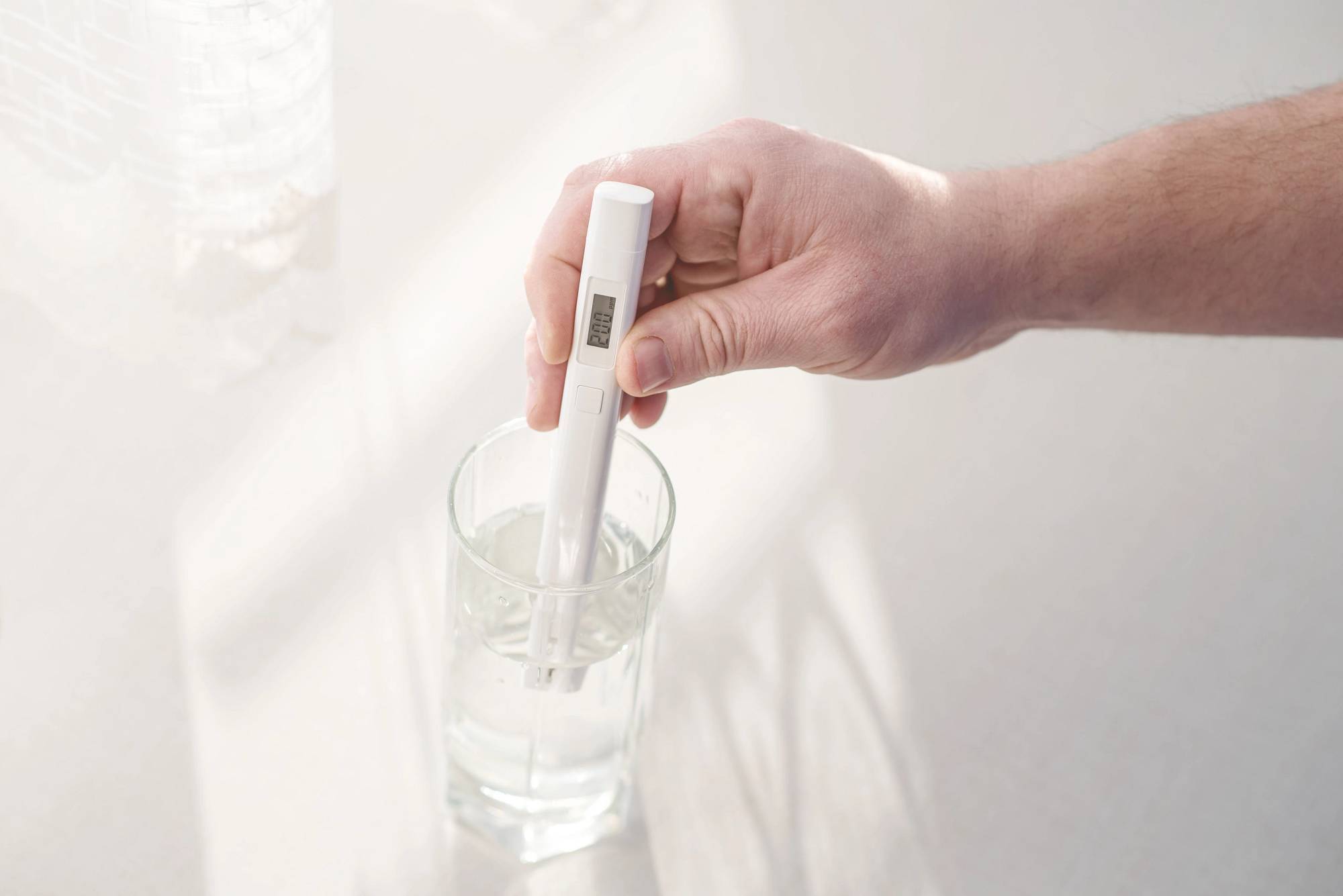
Sensors with real-time alerts detect even minor shifts in water quality. This method ensures early detection, preventing contamination from spreading. It’s a proactive approach to maintaining water safety.
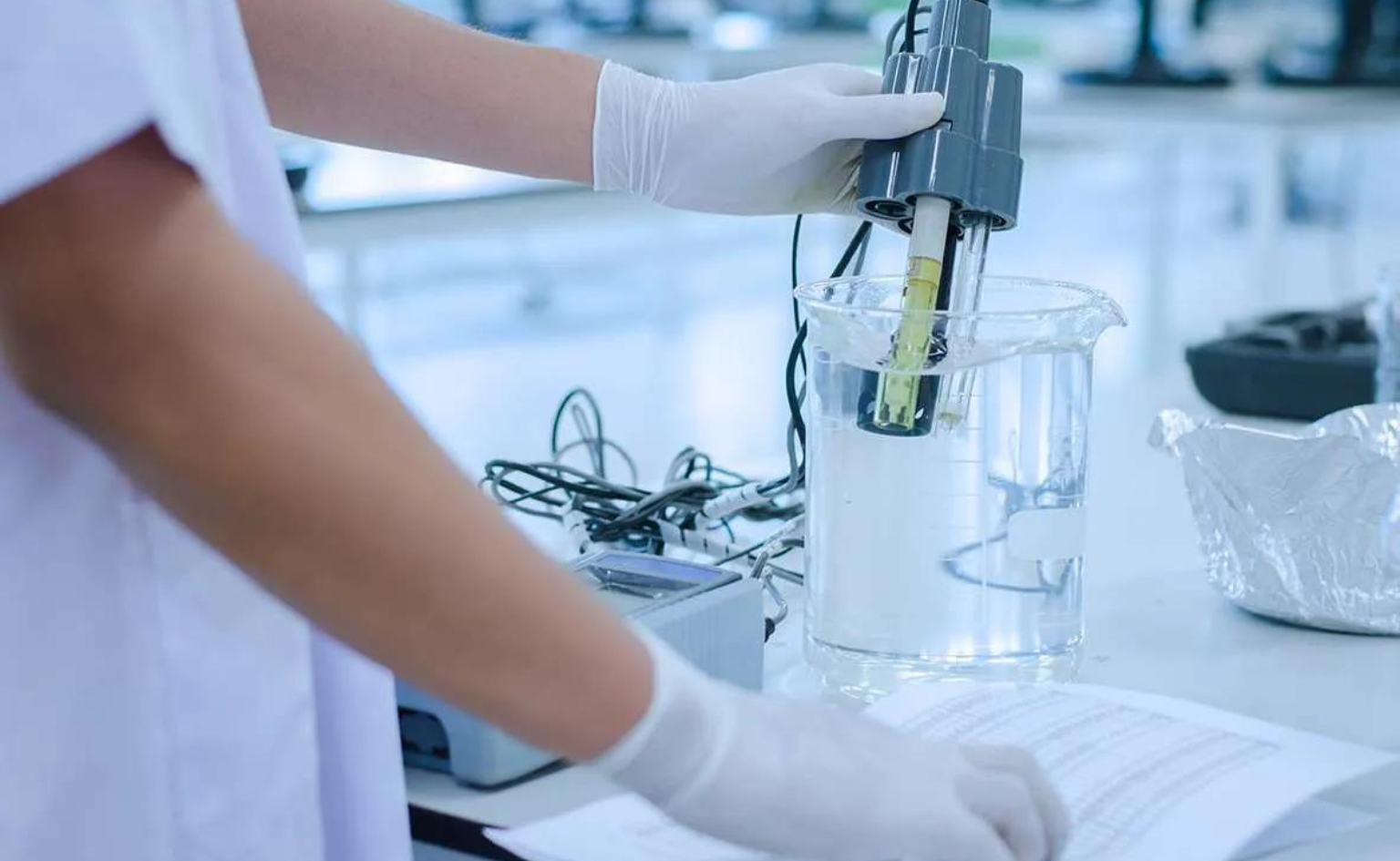
Scientists use advanced water testing to uncover hidden dangers in public and industrial supplies. Sophisticated software quickly interprets data, saving time and resources. This eliminates the need for lengthy laboratory procedures.
Rapid analysis leads to better health outcomes for communities. It also supports the development of robust infrastructure, reducing costs associated with large-scale cleanups.
Field technicians receive immediate insights from real-time sampling devices. These devices provide precise measurements, confirming if water quality meets standards. If not, they signal the need for adjustments to protect public health.
| Method | Key Benefit | Application |
| Real-Time Sensors | Immediate Alerts | Industrial Facilities, Urban Centers |
| IoT Monitoring | Remote Data Access | Large Municipalities, Research Labs |
| Smart Analysis Software | Predictive Insights | Local Treatment Plants, Private Wells |
The Emergence of Nanotechnology in Water Purification
The rise of microscopic materials is revolutionizing water filtration. These tiny structures efficiently remove contaminants, reducing energy and resource costs. Experts note that advanced techniques improve water quality by capturing viruses, metals, and pollutants at the nanoscale.
Innovators are making strides in nanotechnology for water treatment, aiming for low-cost, high-efficiency solutions. Advanced films and membranes outperform traditional methods, providing clean drinking water under various conditions. Researchers are working to recycle or reuse these materials sustainably, without harming ecosystems.
Applications in Removing Contaminants
Nanofibers and carbon-coated frameworks are now common in filtration systems. They target toxins that are invisible to the naked eye. The benefits include:
- Faster removal of chemical byproducts
- Reduced risk of bacterial regrowth
- Minimal power usage over time
Long-Term Environmental Considerations
The longevity of nano-based solutions raises concerns about material disposal and ecological impact. Studies are underway to develop biodegradable coatings and low-energy manufacturing. This ensures next-generation systems protect public health and preserve delicate habitats.
Breaking Down Chemical and Microbial Contaminants
Understanding what’s in our water is key to maintaining quality. Communities face hidden dangers beyond taste and smell. Chemical and biological threats can quietly harm public health. For more information, readers can explore this reference, detailing ongoing research on water contaminants.
Safe consumption relies on early detection and effective treatment. Removing toxins and pathogens requires constant monitoring. This involves looking at molecules, microbes, and their origins. Solutions often include advanced membranes and filtration systems, pushing engineering boundaries.
Common Chemical Pollutants
Toxic elements like lead or mercury can enter water through corroded pipes or industrial waste. Synthetic compounds, such as PFAS, are long-lasting due to their resistance to natural breakdown. Researchers are exploring new ways to mitigate these persistent risks.
Bacterial and Viral Threats
Industrial sites, agriculture, and old infrastructure lead to microbial contamination. Pathogens like E. coli and norovirus can cause severe outbreaks, mainly in vulnerable groups. Quick detection and disinfection are essential to protect our resources.
“We have a duty to ensure safe drinking water for future generations,” declared the Environmental Protection Agency.
Innovations in Point-of-Use Water Treatment
Today, many communities depend on point-of-use water systems to enhance water quality and reduce contamination risks. These systems treat water right where it’s needed, saving on infrastructure costs. They’re a game-changer for remote areas with limited access to clean water, ensuring reliable access when municipal supplies fail.
Gravity-based filtration devices are gaining attention for their simplicity and lack of need for electricity. Brands like LifeStraw employ a multi-layered approach to filter out bacteria and chemicals. This empowers users to bypass potentially contaminated distribution networks, ensuring safer drinking water.
Atmospheric water harvesting is another innovative solution, extracting moisture from the air to produce drinkable water. This technology is a beacon of hope in arid regions where traditional water sources are scarce. The progress in these systems fuels ongoing research, aiming to further improve water quality and efficiency.
The Intersection of Water Science and Agriculture
Modern farming now relies on data-driven solutions to protect resources and support local ecosystems. Growers prioritize water quality to prevent contamination and preserve vital groundwater. This focus enhances crop health and strengthens environmental protection efforts nationwide.
Experts at the United States Department of Agriculture advocate for innovative tools to boost efficiency. Research indicates that better monitoring reduces water usage and stabilizes yields.
Impact on Irrigation Practices
Producers adopting agricultural water practices benefit from targeted delivery methods that minimize runoff. Drip systems, guided by sensor arrays, reduce waste and maintain healthier fields.
“Federal programs promote cost-sharing options for farmers seeking modern irrigation upgrades.”
New filtration devices limit pesticide drift, leading to cleaner streams and safer drinking sources.
Ensuring Safe Produce
Water science addresses the need for produce free from harmful pathogens. Rigorous testing and filtration steps keep harmful microbes in check, improving public health outcomes.
Those who follow consistent agricultural water practices maintain product integrity and build consumer trust. Scientists collaborate with local agencies to expand research and refine standards. These advancements improve water quality far beyond the farm gate.
University-Led Research Driving Water Solutions
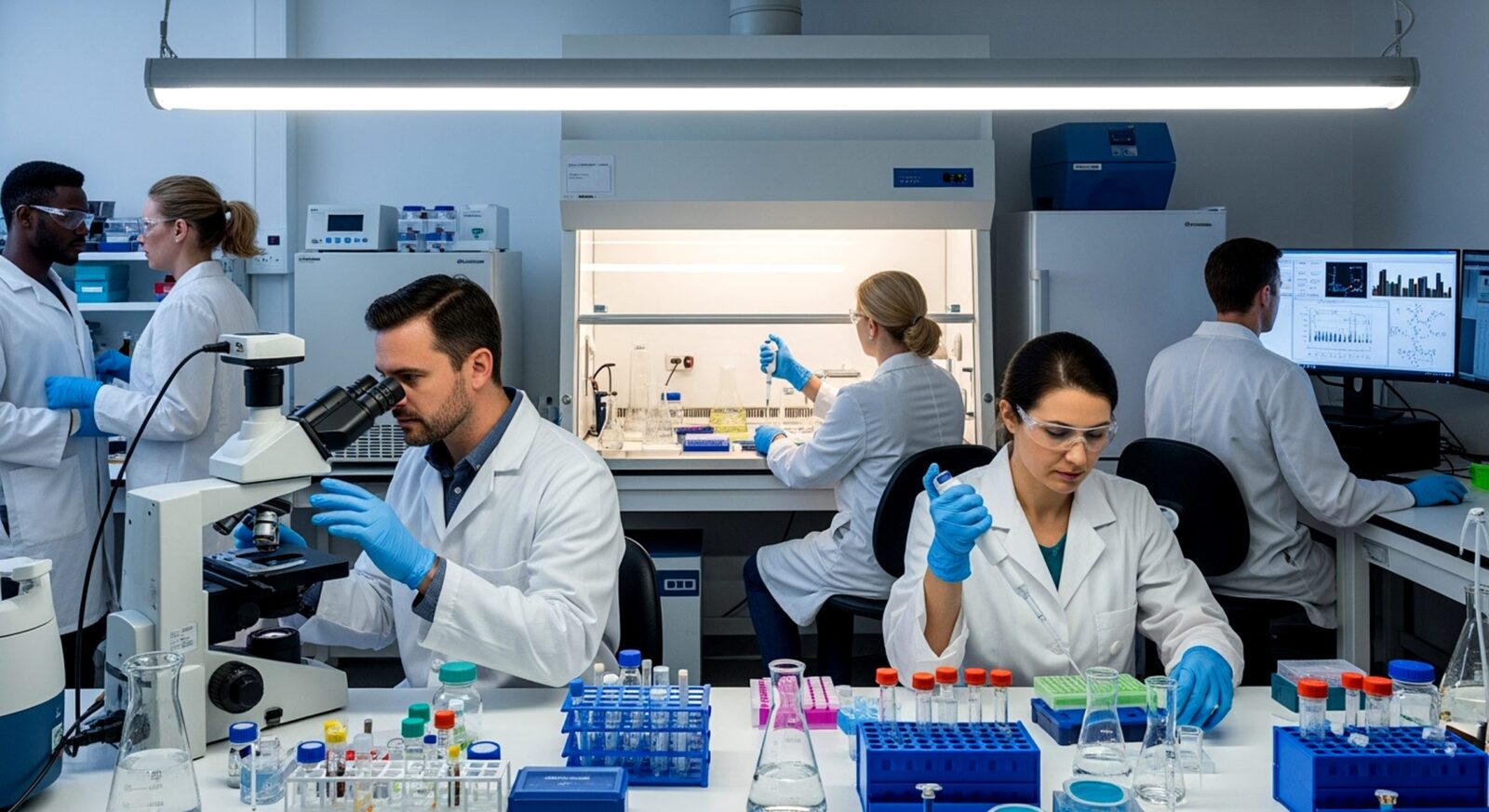
Universities across the United States are leading the charge in scientific innovation. They establish visionary labs and conduct field projects that push the limits of what’s possible. Researchers focus on developing new materials and processes to enhance filtration systems. This includes testing nanomaterials and integrating solar power into purification units.
In Canada, the University of Alberta has made significant strides in creating high-temperature membranes. These membranes are designed to handle industrial runoffs efficiently. Other institutions are working on gravity-fed filters, ideal for rural areas. By combining theoretical research with practical field trials, university-led water research fosters innovative solutions. This work often involves collaborations with public agencies and corporations, speeding up the implementation of new technologies.
These efforts significantly improve water quality and set the stage for global application. Such initiatives not only benefit students and faculty but also industry partners. Together, they strive to protect communities and safeguard resources for generations to come.
Addressing Disparities in Urban and Rural Water Access
Across the nation, communities rely on systems that ensure water quality. Yet, some areas face significant challenges in maintaining these services. Public agencies, nonprofits, and individuals are exploring innovative solutions to bridge these gaps.
Challenges in Rural Infrastructure
In rural areas, limited funding often hinders water access. Plumbing networks, covering vast distances, are prone to frequent breaks. Residents may also face issues with outdated testing stations and filtration systems. Through collaboration and targeted support, cost-effective upgrades can enhance safety and resilience.
Urban Upgrades for Aging Pipes
Urban areas grapple with corroded pipes that threaten water quality. Without timely maintenance, lead or rust byproducts accumulate. Implementing sensors, real-time alerts, and prompt repairs can mitigate disruptions. Robust plans for urban centers are essential to maintain public trust and prevent hazards.
- Replacing faulty pumps with energy-efficient designs
- Providing outreach on proper filtering methods
- Adopting stricter testing protocols
| Key Issue | Potential Remedy |
| Outdated Rural Supplies | Federal Grants for Upgrades |
| Urban Pipe Corrosion | Sensor-Based Leak Detection |
The Future of Smart Technologies in Water Management
Connected devices and data analytics are transforming water management. IoT sensors in pipelines monitor flow rates, detect contamination, and track pressure changes. This data helps operators plan maintenance, ensuring a system that adapts to growing demands.
Smart water management benefits both public services and private companies. Automated alerts help local teams quickly address leaks, reducing costs. Real-time dashboards enable decision-makers to optimize distribution, maintaining resource stability. This approach enhances water quality for future generations and increases reliability.
Here’s a look at the technologies leading the next wave of efficiency:
| Technology | Function |
| IoT Sensors | Continuously track usage patterns |
| Automated Valves | Regulate flow to curb shortages |
| Predictive Analytics | Forecast equipment needs |
Funding and Collaboration for Ongoing Water Research
Hydration systems need constant innovation, and financial support is key to keep new ideas alive. Research teams require resources that grow with the complexity of new technologies. Cross-sector alliances offer the necessary boost.
Public-Private Partnerships
These agreements merge corporate funding with academic rigor, sharing the burden of trial implementation. This partnership drives projects that improve water quality and meet industry needs. Organizations like the National Science Foundation team up with private companies, sharing the risk through joint investment.
International Cooperation
Global dialogue leads to better methods, unites experts, and aligns regulations for worldwide impact. By uniting universities and businesses, large-scale applications can grow faster. Collective financing helps spread costs, making each step toward cleaner drinking water more efficient.
| Funding Source | Key Benefit |
| Government Grants | Support emerging research in community water quality initiatives |
| Industry Investment | Accelerate product development through public-private partnerships |
| Global Consortia | Bridge regional gaps and boost shared knowledge |
Sustaining Progress Toward Healthier Drinking Water Across the United States
Advances in filtration and data-driven monitoring are propelling water quality forward. These innovations transform scientific theories into practical tools, protecting health in urban and rural settings. This progress fosters ongoing enhancements for both homes and ecosystems.
Future research will concentrate on making these advancements more accessible and adaptable. Collaboration between policymakers, scientists, and community groups is essential. This synergy will ensure broad acceptance and consistent application, shaping the future of safe drinking water.
Scaling up proven solutions is key to reaching communities of all sizes. Ensuring underserved areas have access to modern systems is vital for true equity. With consistent funding and supportive policies, the U.S. is well-positioned to maintain healthier water systems for the long haul.
FAQ
How do emerging water science innovations help address scarcity in freshwater resources?
They introduce more efficient water treatment and reuse methods. This includes membrane-based filtration, solar desalination, and atmospheric water harvesting. These innovations allow communities to access previously unused water sources. This helps reduce the strain on existing freshwater supplies.
What benefits do membrane-based filtration systems offer over traditional methods?
Membrane-based systems effectively capture a wide range of contaminants. They are also durable in extreme conditions, making them ideal for industrial settings like oil sands operations. These systems consume less energy and have lower fouling risks. They are suitable for both large-scale and small-scale applications, ensuring public health protection.
Are point-of-use devices effective for ensuring safe drinking water?
Yes, they are. Devices like gravity-driven filters and compact atmospheric water harvesters offer immediate, localized solutions. They reduce infrastructure costs and limit contamination risks. This empowers communities to manage their water quality effectively.
Why are “forever chemicals” like PFAS considered a major concern?
PFAS compounds persist in the environment, accumulating in water sources and wildlife. Long-term exposure can pose health risks. Research focuses on advanced filtration, such as graphene membranes, to effectively remove PFAS.
How do federal regulations, such as those by the EPA, shape water standards?
Agencies like the Environmental Protection Agency (EPA) establish contaminant level benchmarks. State and local authorities enforce and monitor these standards. Strict guidelines protect consumers and drive innovation in water treatment technologies.
What role does smart water management play in preventing contamination?
Smart water management uses IoT sensors for real-time data. This enables proactive measures to detect leaks and maintain water flow stability. It helps reduce waste, protect infrastructure, and prevent contamination incidents.
Can nanotechnology help remove emerging pollutants like microplastics?
Absolutely. Nanomaterials, including graphene-based filters, target microplastics and other contaminants at a microscopic level. Researchers are exploring ways to ensure these technologies are safe and effective over time.
What strategies address rural and urban disparities in water access?
In rural areas, off-grid solutions like point-of-use devices and low-energy filtration are used. These minimize dependence on outdated infrastructure. Urban centers adopt automated leak detection and advanced treatment systems to address aging pipes or lead contamination. Public investments and public-private partnerships are key in financing upgrades across diverse communities.
How can collaborations between universities and industry advance sustainable water solutions?
Joint efforts, like those between the University of Alberta’s Advanced Water Research Lab and Alberta Innovates, accelerate technology development. By combining academic expertise and industry resources, these partnerships test, refine, and deploy innovations that benefit society.
What is the future outlook for large-scale adoption of cleaner water technologies?
As international cooperation and funding initiatives grow, more pilot programs and sustainable solutions will emerge. Technologies like high-performance membranes, nanotech-based filters, and smart monitoring systems will become accessible. This cycle of discovery and testing will continue to advance toward safer drinking water nationwide.