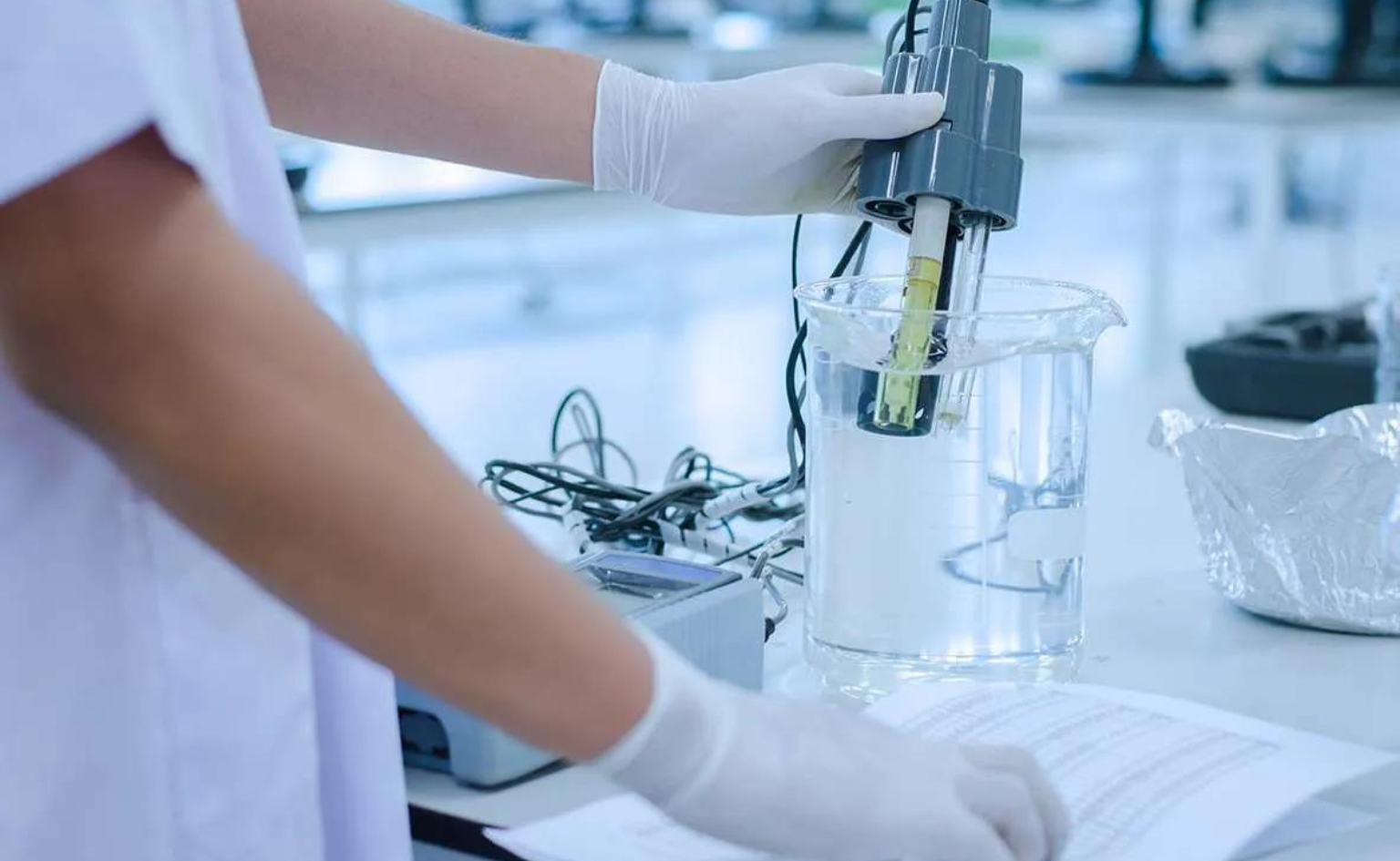
Analytical chemistry has become a cornerstone of public health. It delivers valuable insights for contamination monitoring and helps keep water quality at safe levels. Through chemical analysis, scientists detect invisible hazards and advance preventive methods that protect communities nationwide.
Experts highlight how this discipline shapes modern strategies that address pollutants. It bridges lab work and real-world needs, providing new ways to safeguard public health. By refining testing and data collection, analytical chemistry forges a path toward cleaner resources and stronger disease prevention.
Key Takeaways
- Analytical chemistry drives contamination monitoring in daily health practices.
- Water quality testing protects communities from hidden threats.
- Chemical analysis reveals a clearer picture of possible hazards.
- Evidence-based findings support ongoing efforts in public health.
- Advanced methods help prevent widespread exposure to pollutants.
Understanding the Role of Analytical Chemistry in Public Health
Analytical chemistry plays a critical role in safeguarding public health. It involves testing foods and pharmaceuticals for contaminants, ensuring their quality before they hit the market. The Food and Drug Administration relies on these tests to make informed decisions. This field is essential for developing preventive strategies.
Techniques like chromatography and spectrometry enhance chemical detection, enabling scientists to identify contaminants quickly and accurately. These methods are used in hospitals for clinical diagnostics, spotting disease markers that might be missed. This early detection helps prevent outbreaks and product recalls, protecting community health.
Research continues to enhance analytical chemistry’s role in public health. Laboratories, both private and government-run, work together to improve detection protocols. This ensures contaminants in water, air, and products are caught early. The insights gained from clinical diagnostics help in developing new treatments. Reliable lab data also boosts confidence among regulators, industry leaders, and patients.
Technological Innovations Transforming Laboratory Analyses
Researchers and medical teams now rely on advanced devices and techniques to streamline their work. Modern labs focus on quicker turnaround times and integrated workflows. These changes simplify complex tasks and enhance efficiency. Advances in laboratory automation lead to faster data handling, ensuring high-quality results.
Portable Spectroscopy Devices
Agilent’s compact designs offer critical insights in the field. These portable instruments quickly identify contaminants in food or detect key markers in water. Field teams get immediate results, guiding swift interventions, even in emergencies. Spectroscopy innovations like UV/Vis/NIR analysis reveal issues that might be missed, supporting public safety decisions.
Real-Time Data Monitoring Solutions
Networked platforms share results across clinics and research hubs, enabling quick review of lab outcomes. This real-time monitoring technique is vital in urgent situations. Automated dashboards combine diverse data for immediate interpretation, optimizing resource allocation.
- Faster test turnarounds
- Secure data storage and sharing
- Streamlined user interfaces
| Key Innovation | Impact on Labs |
| Portable Spectroscopy Devices | Rapid on-site identification of contaminants |
| Real-Time Data Monitoring | Immediate feedback for urgent interventions |
| Laboratory Automation | Reduced manual workloads and errors |
Strengthening Disease Surveillance with Chemical Insights
Public health efforts are significantly enhanced when labs merge sensitive methods with diligent tracking. This synergy marks a new chapter in disease surveillance, where cutting-edge tools identify threats early. Chemical indicators from water or clinical samples uncover patterns, guiding timely decisions.
Targeted Pathogen Detection
Mass spectrometry and biomarker analysis enable precise pathogen screening. These technologies pinpoint emerging viruses or bacteria in patient samples, facilitating rapid identification. Labs often combine various systems, including state-of-the-art instruments from Thermo Fisher or Agilent, to identify molecular signatures. This pinpointing of an infection’s source early on protects community health and keeps health agencies on high alert.
Predictive Models for Outbreak Management
Collecting vast amounts of data allows for predictive analytics to forecast infection trends. Chemical data on viral loads or shifts in bacterial strains guides public health teams on resource allocation. This proactive approach streamlines outbreak management, enabling researchers to fine-tune response strategies that reduce harm.
“Early detection can transform public responses,” stated a leading CDC official.
| Platform | Key Focus | Real Brand | Main Application |
| LC-MS | Protein Profiling | Agilent | Identifying Novel Biomarkers |
| PCR Systems | Gene Amplification | Thermo Fisher | Spotting Viral Mutations |
Collaborations Between Government Agencies and Researchers
Global entities like the Food and Drug Administration and ISO standard followers establish uniform analytical benchmarks. These standards enhance quality control and foster innovative strategies, facilitating seamless information sharing among institutions. Through cross-sector partnerships, new methods are developed that meet local demands, fostering adaptable frameworks for sustained growth.
Collaborative efforts lead to significant breakthroughs. Research labs and national agencies work together to refine cutting-edge instruments, promoting mutual responsibility. When experts pool their resources, policy-making becomes more visionary, unveiling cost-effective health protection measures. Public-private collaborations ensure equal opportunities for both sectors to enhance testing protocols and tackle complex issues.
- Unified data collection across diverse fields
- Shared funding for validation studies
- Streamlined feedback on pilot programs
| Organization | Role in Cooperation | Key Outcome |
| Government Agencies | Establish regulatory standards | Unified testing requirements |
| Academic Institutions | Develop advanced methodologies | Improved accuracy of results |
| Industry Stakeholders | Facilitate public-private collaboration | Faster adoption of validated tools |
Assessing Water Quality in Modern Public Health Systems
Water is essential for human health and well-being. Ensuring drinking water safety is critical for our daily lives. Scientists use quantitative analysis to detect contaminants like lead and pesticide residues. This method provides real-time results, enabling immediate action to protect communities from hidden dangers.
Thorough pollution assessments are key to identifying contamination sources. This information allows for targeted cleanup efforts. Resource management is also vital in maintaining clean water supplies. Laboratories employ spectroscopy and mass spectrometry to measure toxic elements accurately.
These precise measurements help policymakers develop effective regulations and treatment solutions. Communities gain confidence in their local water treatment systems. Public authorities rely on data-driven policies to improve health outcomes.
An effective testing program involves regular sampling from diverse locations. Researchers compare data across regions to uncover trends and hazards. This approach fosters transparency and builds trust in water quality reports. It ensures the environment is protected, providing safer water distribution networks for all.
Biomarker Discovery and Early Intervention Strategies
Advances in advanced mass spectrometry underscore the importance of biomarkers in uncovering hidden health risks. This method enables clinicians to enhance toxin screening, catching harmful agents early to prevent long-term damage. Communities at risk, often near industrial sites, benefit from targeted assessments. These guide early intervention steps.
Scientists from esteemed organizations like Thermo Fisher Scientific use new analytical tools to detect trace contaminants in various environments. This shift increases confidence in public health testing, revealing subtle warning signs before symptoms appear.
Screening for Environmental Toxins
Modern mass spectrometry revolutionizes toxin screening, transforming how experts handle hazardous elements. Researchers map contamination patterns and use biomarkers to confirm exposure. This opens the door for early intervention.
Identifying Vulnerable Populations
Local health agencies identify at-risk communities by analyzing population data and environmental records. This approach highlights areas with disproportionate exposure. It prompts faster upgrades to monitoring and treatment protocols.
Below is a reference table that highlights common toxins and relevant biomarkers.
| Toxin | Potential Biomarker | Possible Impact | Testing Method |
| Lead | Elevated blood lead levels | Neurological complications | ICP-MS |
| Mercury | Blood mercury concentration | Organ dysfunction | Atomic Absorption |
| Arsenic | Methylated arsenic in urine | Skin lesions, cancer | HPLC-MS |
| Cadmium | Elevated cadmium in blood | Kidney damage | ICP-OES |
Enhanced Methods for Food Safety and Contamination Prevention
Protecting the public from food contamination is a top priority. Laboratories are improving residue detection, and regulatory bodies are expanding public health testing. These steps ensure groceries are safe before they hit the shelves. They boost consumer safety and keep trust in our daily meals.
Chromatographic Techniques for Detecting Residues
Gas and liquid chromatography are key for analyzing chemical traces in food. High-performance liquid chromatography pinpoints pesticide levels, and gas chromatography–mass spectrometry quantifies antibiotic remnants. These methods reveal hidden threats and enhance quality checks.
Rapid Testing Kits in Field Assessments
Diagnostic kits are essential for field assessments. The FDA uses portable devices for quick pathogen detection. This approach shortens response times and improves on-site decisions.
Agencies are adopting integrated strategies. They combine lab research with wide-scale observation. Better coordination among regulators, producers, and buyers leads to faster containment and clear communication.
“Robust testing protocols extend beyond local boundaries, ensuring better outcomes for every community,” stated a CDC official.
| Method | Primary Use | Advantage |
| HPLC | Pesticide tracking | High sensitivity |
| GC–MS | Antibiotic analysis | Accurate detection |
| Field Kits | On-site screening | Rapid turnaround |
Economic Perspectives on Public Health Testing Programs
Striking a balance between budget constraints and the need for advanced tools is essential. Facilities often debate the value of investing in new mass spectrometers or other cutting-edge equipment. Thermo Fisher Scientific has introduced systems that enhance detection speed without compromising accuracy. These decisions require a deep understanding of the financial implications and the expected outcomes. A detailed analysis of this study shows how strategic planning can reduce waste and lead to better long-term results.
Cost-effective methods make widespread testing more accessible. AI-based solutions from top software developers have reached a level where they can identify disease markers with minimal error. This approach highlights the cost-effectiveness, as early detection leads to healthier patients over time. Some diagnostic programs focus on streamlining essential tasks, which helps reduce laboratory expenses. Strong cooperation enables agile responses during seasonal outbreaks.
Resource allocation is a critical aspect of planning. Agencies aim to optimize limited funds for hiring skilled staff, upgrading equipment, and ensuring secure data management. This structure builds community trust, encourages innovation, and serves as a model for future healthcare collaborations. Agilent Technologies has invested in analyzers that handle multiple tasks simultaneously, proving reliable in high-volume settings and achieving nationwide success.
| Testing Strategy | Initial Cost (USD) | Benefit |
| Mass Spectrometry | $150k – $500k+ | High Sensitivity |
| AI-supported Screening | $50k – $200k | Swift Data Analysis |
| Rapid Immunoassays | $5k – $15k | Immediate Results |
Implementing Quality Assurance Standards in Laboratories
Quality assurance frameworks elevate the credibility of chemical assessments in public health. Laboratories depend on precise instruments and well-defined protocols for reliable outcomes. Regular data reviews and instrument checks prevent deviations that could undermine results.
These measures ensure decision-makers can trust the insights from each test. Recognized frameworks foster global collaboration, promoting consistent practices worldwide.
Accreditation Processes and Global Benchmarks
Recognized bodies endorse labs based on ISO standards, setting clear performance criteria. Accreditation offers a structured roadmap, ensuring accurate readings and validated methods. This includes procedural audits and proficiency testing.
Entities like the National Institute of Standards and Technology establish measurable benchmarks. This allows labs to meet universal standards of excellence.
Training Initiatives for Consistency and Accuracy
Staff development programs enhance analytical precision through specialized training. Refresher courses and skill-building sessions improve employees’ ability to handle evolving equipment. Standardizing procedures reduces variability, ensuring stable data outputs.
Targeted instruction on sampling methods, safety practices, and documentation techniques strengthens test result integrity. It highlights the importance of maintaining top-tier accreditation.
Bridging the Gap Between Academia and Industry
Public health breakthroughs often stem from dynamic alliances. Academic experts bring critical knowledge, and corporate entities contribute technical facilities. These cross-sector teams share data, refine analytical methods, and accelerate emerging solutions. This spirit of collaborative research enriches public well-being by combining proven practices with cutting-edge innovation.
Joint Research Ventures
Joint research ventures unite specialized laboratories with industry pioneers like Thermo Fisher or Merck. Scientists can test new biomarkers for faster disease detection and safer water-testing protocols. This helps them validate novel approaches, launch pilot programs, and apply fresh findings across broader scopes of public health practice.
Funding Opportunities for Innovation
Resources from venture capital and government grants empower academia-industry partnerships to grow. Innovation funding unlocks top-tier equipment, specialized training, and advanced data analysis tools. R&D synergy thrives when these sustained investments promote continuous idea exchange and structured operational support. Initiatives forged under clear financial frameworks often advance swiftly from concept to community impact.
Pharmaceutical organizations such as Pfizer collaborate with academic institutions to streamline advanced screening methods. These joint teams integrate specialized instrumentation, bioinformatics, and robust safety protocols. Scholars benefit from real-world problem-solving, while corporate partners gain access to groundbreaking science. This blended framework shapes a solid foundation for health solutions that resonate nationwide. And fosters genuine expansions.
Integrating Big Data and Advanced Analytics Tools
Public health programs depend on vast data sets to predict threats and identify critical areas. Laboratories handle massive volumes of patient samples and environmental indicators. Big data initiatives empower research teams to detect emerging issues and refine strategies for targeted screenings.
Advanced platforms employ machine learning algorithms to identify subtle anomalies in chemical test results. This enhances accuracy and streamlines diagnostic processes. Laboratories gain deeper insights into evolving risks, adapting testing protocols swiftly.
Government agencies leverage data-driven decisions to allocate resources effectively. Analysts quickly interpret outcomes, measure intervention success, and prepare for outbreaks. Institutions recognize the digital solutions’ power in pinpointing contamination sources and directing proactive measures.
| Tools | Impact |
| Predictive Analytics | Forecast infection peaks for timely response |
| Statistical Dashboards | Simplify data sharing among agencies |
| Cloud-Based Platforms | Enhance collaboration across multiple sites |
Navigating Ethical Considerations in Chemical Testing
Accurate diagnostics are vital for addressing urgent health needs. New methods promise swift results, but raise questions about data stewardship. Ethics in testing must guide us, ensuring individual rights and community well-being are prioritized.
Genetic profiling and advanced analytics detect threats early. Yet, large datasets raise privacy concerns, potentially linking to sensitive information. Algorithmic bias can occur if diverse groups are underrepresented. Regulatory bodies like the FDA and ICH set standards for data integrity. A careful balance is needed between personal privacy and critical protections.
Balancing Privacy with Public Safety
New platforms use health data for timely interventions. Some protocols address privacy concerns by encrypting files and limiting access. These steps respect individual dignity while ensuring public readiness. Laboratories that offer transparent reporting methods foster trust and reliability.
Equitable Access to Testing and Treatment
Fairness in healthcare requires equal access for all demographics. Policy regulation ensures laboratories validate instruments across diverse populations. This enhances effectiveness in underserved areas. Continuous investment in technology and infrastructure supports early diagnosis and personalized treatments.
Below is a glimpse of key organizations shaping ethics in testing and global compliance:
| Regulatory Body | Primary Focus | Example Standard |
| FDA | Data integrity | 21 CFR Part 11 |
| ICH | Clinical research guidelines | Good Clinical Practice |
| WHO | Fairness in healthcare | International Health Regulations |
Educating the Public on Analytical Techniques
Engaging communities in the fundamentals of laboratory methods enhances public understanding. When people grasp how samples are collected and analyzed, they gain confidence in health services. This knowledge empowers them to trust the systems designed to protect their well-being.
Science education initiatives can use real-life examples, like testing for contaminants in drinking water. This approach broadens perspectives by showing that safe practices safeguard entire neighborhoods. Hands-on demonstrations and open forums spark curiosity and foster lifelong learning.
Agencies like the National Institutes of Health stress transparency by explaining the necessity of certain tests. Plain-language guides clarify chemical processes, demonstrating how reliable data benefits everyone. This clarity builds trust in public programs and services.
Health literacy empowers individuals to make informed choices that support their well-being. Clear explanations about detecting toxins or preventing emerging infections increase trust in public programs. A deeper understanding of analytical techniques often leads to stronger advocacy, driving improvements in testing and reporting standards.
- Invite community members to observe key testing procedures
- Provide simple materials that illustrate scientific concepts
- Partner with local schools to inspire early interest in lab work
Adapting to Emerging Pathogens and Environmental Challenges
Scientists globally acknowledge the need for constant vigilance against emerging pathogens. These pathogens evolve quickly, compelling researchers to enhance detection methods and strengthen safety measures. The public’s trust hinges on the timely dissemination of precise data, guiding health choices. Implementing practical strategies can prevent the spread of new variants across populations.
“We must keep pace with disease shifts,” said Dr. Francis Collins. “Rapid collaboration is key to safeguarding communities.”
Historical outbreaks highlight the critical need for readiness against environmental threats. These threats compromise water safety and air quality. Monitoring chemicals and toxins is essential to mitigate risks in sensitive ecosystems. Experts advocate for effective policies to foster healthier environments for generations to come.
Real-Time Surveillance for Novel Risks
Real-time strategies bolster surveillance in high-risk areas. Advanced tools detect unusual pathogens posing public health threats. The swift implementation of response plans, facilitated by data sharing between labs and agencies, saves lives and resources. This synergy fosters continuous innovation, boosting public confidence.
Sustainable Laboratory Practices
Initiatives in green chemistry and energy-efficient equipment promote lab sustainability. Teams aim to protect ecosystems by reducing waste and exploring eco-friendly alternatives. Simple actions, such as recycling and optimizing reagent usage, elevate ethical standards in research environments. Sustainable practices conserve resources, enabling future advancements in disease prevention. Global health benefits from responsible lab practices and thorough risk assessments.
Paving the Way Forward for Analytical Chemistry in Public Health
Analytical chemistry is revolutionizing how we detect contamination and prevent health issues. Researchers and government agencies are teaming up, following a detailed plan for safer water and quicker pathogen detection. AI-powered tools speed up lab results, while miniaturization reduces costs and expands testing to remote areas.
Companies like Agilent Technologies and Thermo Fisher Scientific are leading the charge with cutting-edge platforms. These systems provide real-time data, speeding up responses and increasing public confidence. The Centers for Disease Control and Prevention emphasize the importance of regular testing to safeguard vulnerable groups.
The future holds promise with advancements in big data and multi-omics. This convergence of fields is creating a new era of disease tracking. As detailed in a current analysis from this research, labs are using machine learning to uncover subtle risk factors. This collaboration is setting the stage for more effective early interventions and improved community health.
With a focus on shared goals and resources, we’re seeing more transparent policies worldwide. This global effort is backed by both academic and industry leaders. By investing in advanced testing, we’re building a healthier future. This commitment to science, technology, and global outreach is a beacon of hope for tomorrow.
FAQ
How does analytical chemistry support public health initiatives?
Analytical chemistry plays a key role in public health by identifying contaminants in water, food, and medications. Techniques like chromatography and spectroscopy ensure compliance with safety standards. This enables public health agencies to make informed decisions.
Why is water quality testing critical for community health?
Water quality testing is essential for detecting harmful substances such as heavy metals, pesticides, and pathogens. These analyses guide treatment processes, ensuring safe drinking water. They prevent large-scale public health crises.
Which technologies are transforming laboratory analyses today?
Portable spectroscopy devices, mass spectrometry platforms, and real-time data monitoring solutions are leading the transformation. They provide rapid, on-site results, streamlining workflows and accelerating disease surveillance efforts.
How does analytical chemistry aid in detecting pathogens?
Advanced methods like mass spectrometry and biosensors pinpoint viruses and bacteria in samples. This allows for swift outbreak containment and targeted therapeutic drug monitoring.
Are there economic benefits to investing in cutting-edge lab instrumentation?
While initial costs for mass spectrometers and other systems are high, they can save healthcare expenditures over time. They identify risks early, prevent diseases, and guide precise treatment protocols, saving resources.
What role does data analytics play in modern public health labs?
Big data and machine learning tools analyze lab results in real time, detecting anomalies and predicting contamination hotspots. This improves accuracy and speed, enabling public health officials to respond more effectively.
How do regulatory bodies ensure testing consistency and reliability?
Agencies like the U.S. Environmental Protection Agency (EPA) and the World Health Organization (WHO) establish guidelines for quality assurance and laboratory accreditation. These standards ensure reproducible results and universal best practices.
How does the public benefit from understanding chemical testing procedures?
Health literacy fosters trust and transparency. When communities understand analytical techniques, they support water treatment initiatives and vaccination programs. This improves overall well-being.
What is the significance of biomarker discovery in preventive medicine?
Biomarker discovery using metabolomics and mass spectrometry identifies at-risk populations early. This enables targeted interventions, potentially halting chronic diseases before they develop.
How do collaborative efforts advance innovations in analytical chemistry?
Government agencies, academic labs, and industry partners collaborate to co-fund research and validate new methods. This synergy accelerates the development of advanced analytical protocols and diagnostic platforms for public health use.
In what ways are laboratories adopting sustainable practices?
Laboratories now implement green chemistry principles, minimizing solvents and nanomaterials, and improving waste management. These efforts reduce environmental impact while maintaining the integrity of public health testing.
How can analytical chemistry help meet future global health challenges?
Analytical chemistry can meet future challenges by integrating AI-driven instrumentation, hybrid analyses, and big data insights. It quickly adapts to emerging threats, bolstering forensic chemistry applications and infectious disease surveillance.