New York City’s water supply is often heralded as the “champagne of tap water.” Sourced from the pristine Catskill and Delaware watersheds, it undergoes a sophisticated treatment process involving chlorine, ultraviolet (UV) light disinfection, and pH adjustment before it ever reaches the city’s massive distribution network. However, for residents of Staten Island, there is a growing realization in 2026 that the high standards maintained at the treatment plant do not always translate to the quality of water at the kitchen tap.
While the NYC Department of Environmental Protection (DEP) consistently reports that the city’s water meets or exceeds all federal and state health standards at the source, the “last mile” of delivery tells a different story. Staten Island, with its unique blend of aging infrastructure and rapid suburban development, faces specific challenges that cause tap water quality to lag behind the excellence achieved at the upstate facilities.
The Geographic Disadvantage: Water Age and Staten Island
One of the primary reasons Staten Island’s tap water can differ from treatment plant standards is its geographic location. As the southernmost borough, Staten Island is at the tail end of the city’s vast distribution system. Water travels over a hundred miles through aqueducts and tunnels before it reaches the island. This results in what scientists call “water age.”
As water sits in the pipes for longer periods, the chlorine residual—the chemical added to kill bacteria—begins to naturally dissipate. While the water is biologically pure when it leaves the treatment plant, the reduction in disinfectant levels by the time it reaches a Staten Island home can make the water more vulnerable to bacterial regrowth within local pipes. This science of water transit is a frequent topic in our blog, as it explains why “freshness” is a factor in water safety.
The Persistence of Lead Service Lines
The most significant gap between treatment plant quality and tap quality in Staten Island is the presence of lead service lines. The city’s water is lead-free when it travels through the large water mains under the streets. However, many older homes in Staten Island are still connected to those mains via privately-owned lead pipes.
As of 2026, thousands of these lead service lines remain in use across the borough. While the DEP adds orthophosphate to the water to create a protective coating inside pipes, this is a mitigation strategy, not a cure. Physical disturbances—such as nearby utility work or heavy traffic vibrations—can cause this coating to flake off, releasing lead directly into the home’s supply. This is a clear example of how global issues regarding aging infrastructure manifest in very local ways. Even if the treatment plant achieves 100% purity, a lead pipe at the property line can negate those results instantly.
Infrastructure Vibrations and Sediment Pulses
Staten Island has seen a surge in infrastructure projects and residential development over the last decade. While these upgrades are necessary, the constant construction has a direct impact on water quality. The borough’s older water mains often have a layer of “tuberculation”—a buildup of iron and mineral scale—on their interior walls.
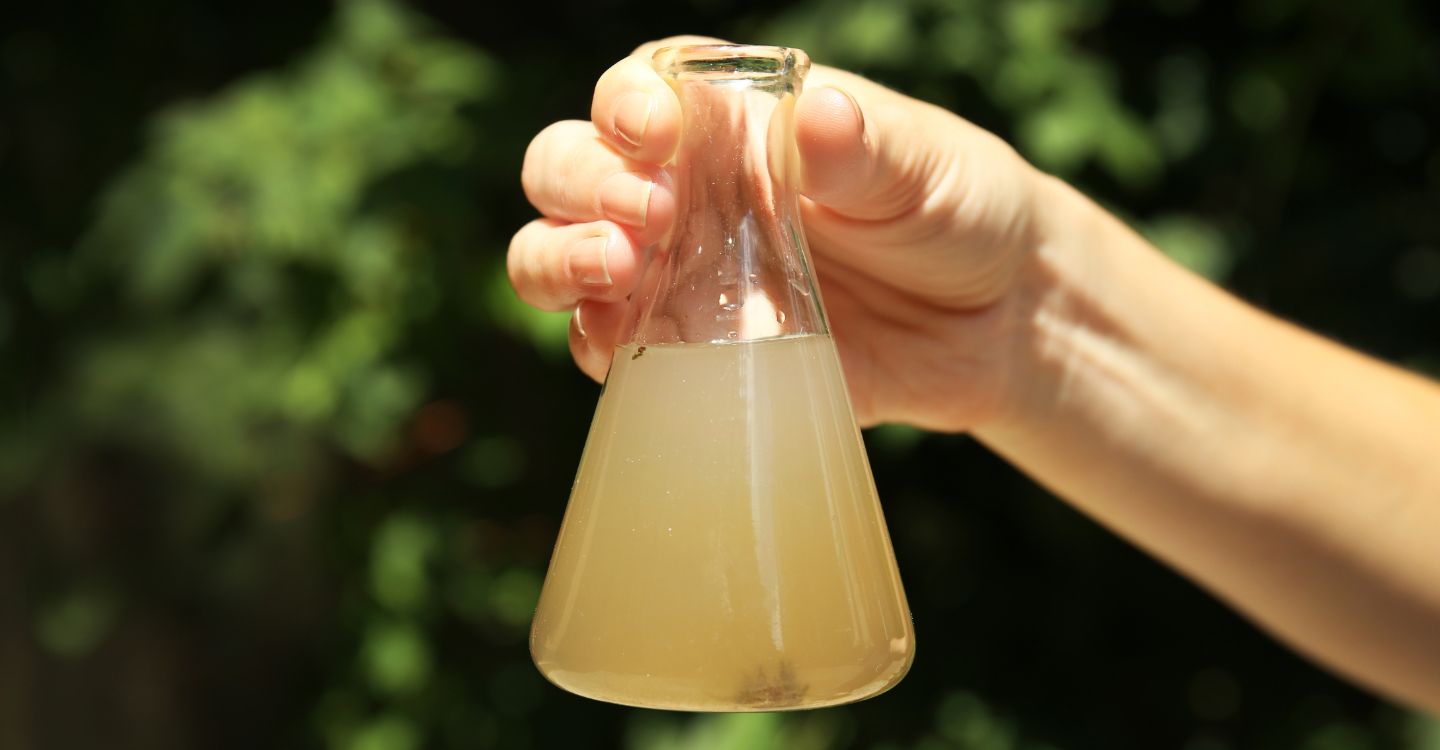
Construction vibrations can shake this sediment loose, leading to “brown water” events. While iron sediment is primarily an aesthetic issue, it can harbor bacteria and interfere with the effectiveness of home filtration systems. For residents, this means that even if the reports from the DEP show perfect clarity at the reservoir, their local tap might regularly experience turbidity spikes that are not captured in city-wide averages.
The Chemistry of “Aggressive” Water in Staten Island
Another factor that causes Staten Island tap water to lag is the chemistry of the water after it interacts with local plumbing. The city treats water to have a slightly basic pH to prevent corrosion. However, as the water travels and its chemical balance shifts, it can become “aggressive” once it enters a home’s internal plumbing.
In many Staten Island duplexes and multi-unit buildings, we have observed low pH levels that lead to high copper leaching. This happens because the water, though perfectly balanced at the plant, becomes more acidic as it sits stagnant in a building’s pipes. This localized chemical shift is a reminder that water is a reactive substance. The science of how water interacts with copper, brass, and lead in your specific home is just as important as the standards maintained at the UV disinfection facility.
The Impact of Climate Change on Local Delivery
By 2026, climate change has become an undeniable factor in New York City’s water management. More frequent and intense rain events can lead to higher turbidity in the source reservoirs. While the city’s treatment plants are designed to handle these spikes, the increased “load” on the system can lead to fluctuations in the amount of treatment chemicals required.
For Staten Island, which already sits at the end of the line, these fluctuations can be amplified. Higher temperatures in the summer also increase the rate at which chlorine decays in the pipes, further challenging the maintenance of a safe disinfectant residual. These global issues require residents to be more vigilant about their own water quality, as the “cushion” of safety provided by the municipal system can grow thinner during extreme weather events.
How Residents Can Bridge the Quality Gap
If the water at your Staten Island tap is lagging behind the standards of the treatment plant, you are not powerless. There are several steps you can take to reclaim the “champagne” quality New York is known for:
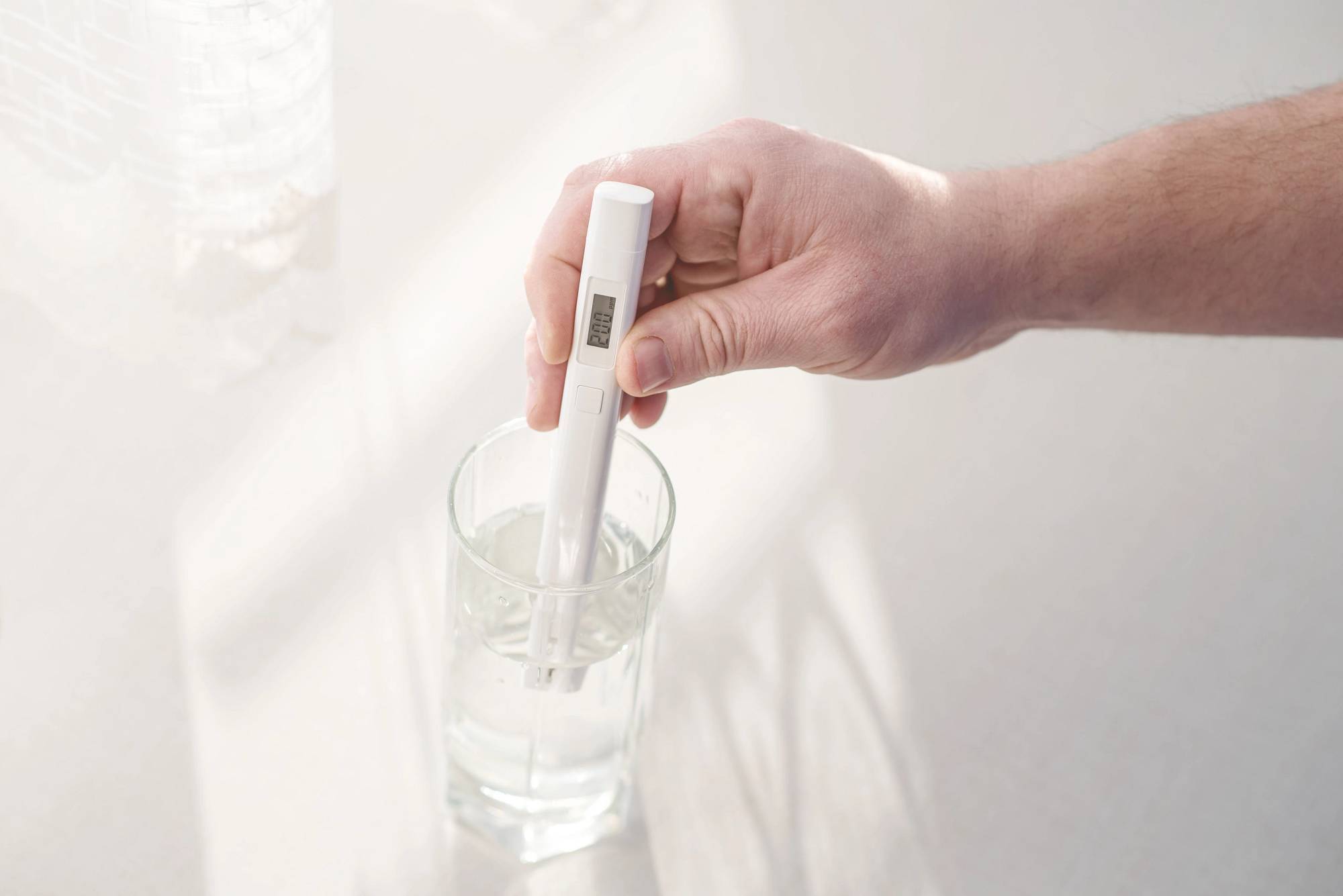
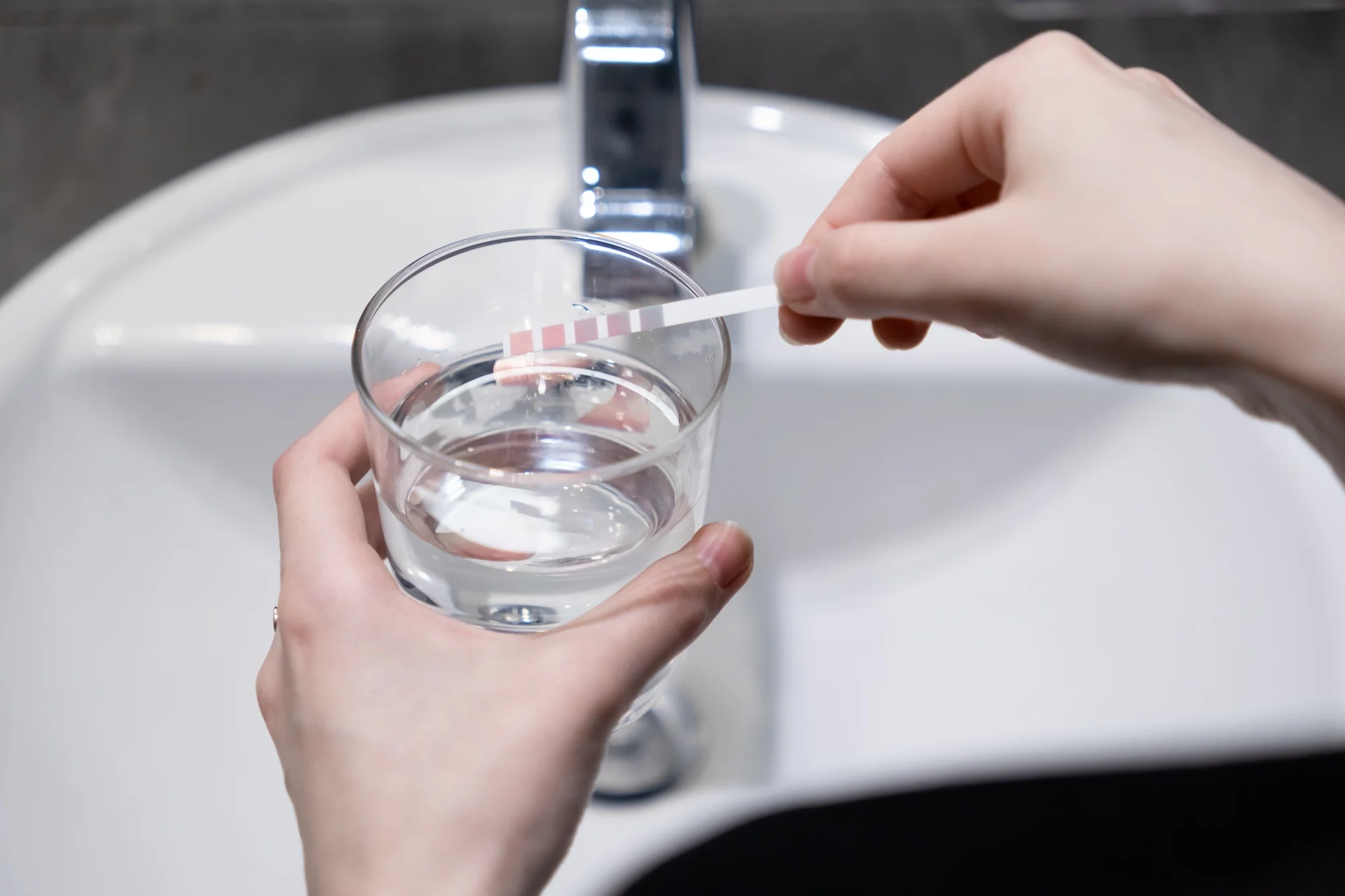
Perform a First-Draw Test To understand if your home’s plumbing is the problem, test the water that has sat in your pipes for at least 6 hours. This will reveal if lead or copper is leaching into your supply.
Flush Your Pipes Regularly If you live in an area with high water age, running your cold tap for two minutes every morning can help bring “fresh” water with a higher chlorine residual into your home.
Invest in Point-of-Use Filtration Since the main issues in Staten Island are localized (lead service lines, sediment, and chlorine decay), a high-quality filter at the kitchen sink can be very effective. Ensure any filter you buy is certified to remove the specific contaminants found in your neighborhood.
Stay Informed with Local Data Don’t just rely on the annual city-wide report. Look for localized reports and case studies that focus on Staten Island’s specific infrastructure challenges.
Conclusion: Closing the Gap on Staten Island Water Safety
The excellence of New York City’s water treatment plants is a point of pride, but it is not a guarantee of safety at every tap. For Staten Island residents, the lag between plant standards and tap reality is a product of geography, aging infrastructure, and shifting environmental conditions. Recognizing this gap is the first step toward closing it.
By taking an active role in monitoring their own water quality and advocating for infrastructure transparency, Staten Islanders can ensure they are truly receiving the high-quality water they pay for. If you are concerned about your home’s water or need help interpreting a lab report, the resources are available. Explore our blog for more Staten Island-specific insights or contact a specialist to discuss a private audit. Your health depends on the water at your tap, not the water at the plant.