For decades, the standard home inspection followed a predictable script: check the roof for leaks, ensure the electrical panel is up to code, and test the furnace. Water quality was often an afterthought, usually reserved for rural properties with private wells. But in a post-Flint, post-pandemic world, the script has changed. A new trend is sweeping through the luxury and urban real estate markets: the mandatory “tap test.”
Driven by a wave of viral lab reports shared on social media and investigative journalism highlighting the “last mile” of water contamination, savvy buyers are no longer taking a building’s water quality for granted. They are increasingly making their offers contingent on comprehensive water lab results, moving beyond simple lead checks to look for Legionella, microplastics, and disinfectant residuals. This shift is transforming the real estate landscape, forcing sellers and property managers to view water not just as a utility, but as a critical asset that requires transparent verification.
The Viral Catalyst: From Data to Demand
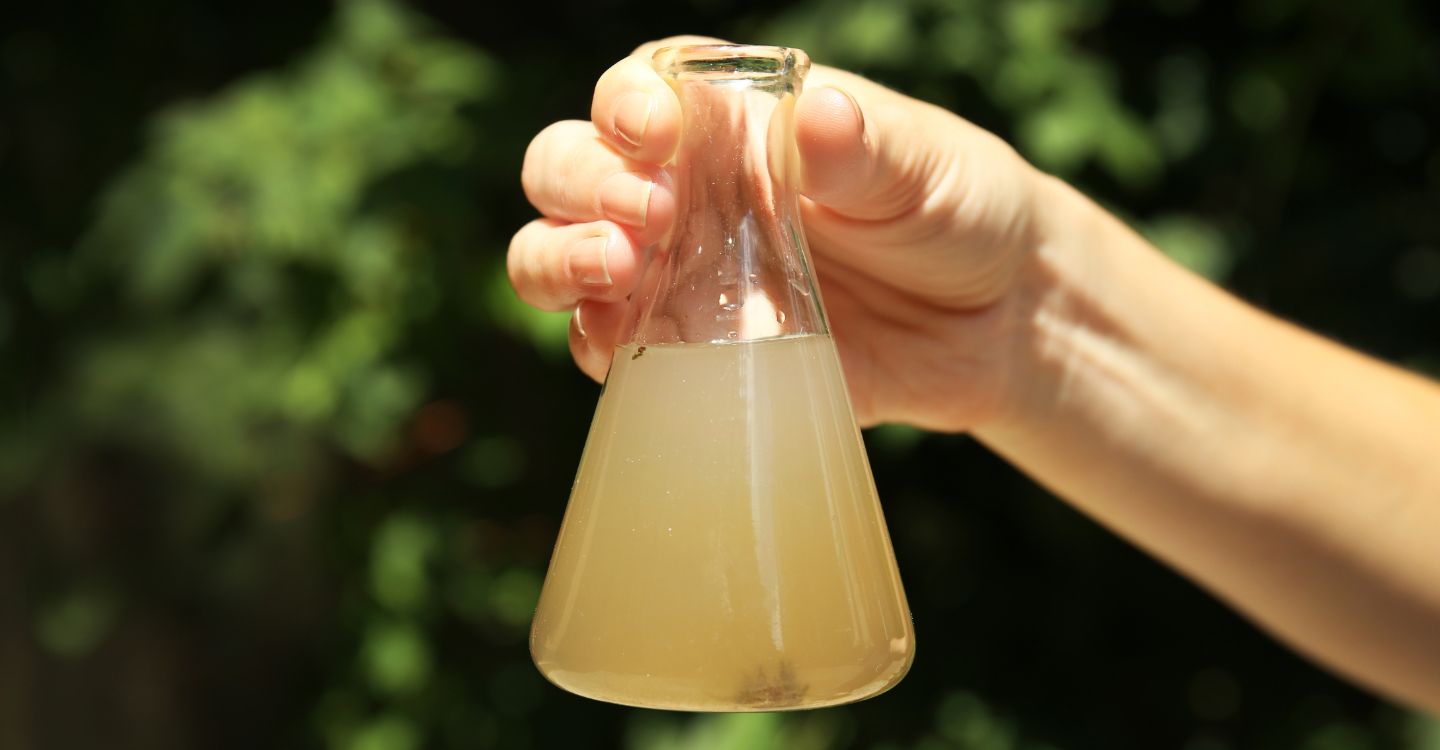
The catalyst for this change hasn’t been new legislation, but rather the democratization of data. When independent labs and concerned citizens started posting “before and after” filtration results or maps of “residual dead zones” in major cities, the information went viral. These reports showed a shocking reality: even in cities with world-class source water, the plumbing inside high-rise apartments and renovated townhomes was often failing.
Prospective buyers are now entering open houses armed with knowledge about the science of water degradation. They understand that while the city water might be clean at the treatment plant, it can pick up lead from old service lines or lose its protective chlorine in the stagnant pipes of a building with low occupancy. These viral lab reports have turned “water quality” from a vague concept into a measurable, high-stakes metric that can make or break a million-dollar deal.
The Rise of the “Last Mile” Awareness
One of the most significant takeaways from these viral reports is the concept of “premise plumbing” contamination. Buyers have learned that the municipal government is only responsible for the water until it reaches the property line. Everything that happens between the street and the faucet is the responsibility of the building owner.
This “last mile” is where the most significant failures occur. In older cities, this often means galvanized pipes or lead solder. In newer, “green” buildings, it might mean low-flow fixtures that increase water age and allow for the growth of opportunistic pathogens. Our detailed reports have consistently shown that the disparity between municipal reports and actual tap results is widest in large, complex structures—the very buildings that high-end buyers are currently targeting.
Water Quality as a Luxury Amenity
In the luxury market, “wellness” is the new gold standard. Developers have long touted air purification systems and circadian lighting, but water quality is now taking center stage. Buyers are no longer satisfied with a simple charcoal filter under the sink; they want proof that the building’s hot water system is managed to prevent Legionella and that the cold water hasn’t lost its disinfectant residual.
This demand is a global issues trend. In London, New York, and Hong Kong, high-net-worth individuals are hiring independent consultants to conduct “environmental audits” of properties before closing. These audits go far beyond what a traditional home inspector offers, utilizing specialized labs to look for specific chemical markers that indicate pipe corrosion or biological instability.
The Impact on Sellers and Property Managers
For sellers, this new scrutiny can be a double-edged sword. A property with a clean, comprehensive water report can command a premium, serving as a “certified safe” sanctuary in an aging city. However, for those with aging infrastructure or poorly managed systems, a failed tap test can lead to collapsed deals or massive price concessions.
Property managers are now being forced to be more proactive. It is becoming common for building boards to commission their own annual water quality audits to provide to prospective buyers. This transparency helps build trust and prevents the “buyer surprise” that can occur when an independent test reveals an issue the building was unaware of. Many managers are turning to our blog to stay updated on the latest testing protocols and remediation strategies, such as secondary on-site disinfection.
Local Benchmarking: Why One Neighborhood Isn’t Like the Other
The viral nature of water reports has also highlighted the importance of local context. A lab report from a building in one neighborhood might look perfect, while a similar building just three blocks away fails. This is often due to the “water age” within different branches of the city’s distribution network or the specific materials used during a neighborhood’s historical development.
Buyers are now looking for “neighborhood benchmarks.” They want to know how the tap water in their specific building compares to the local average. This hyper-local focus is putting pressure on real estate agents to become “water literate,” capable of explaining the nuances of lead service line replacement programs or the impact of local water main breaks on a building’s internal sediment.
The New Inspection Contingency: What Buyers Are Testing For
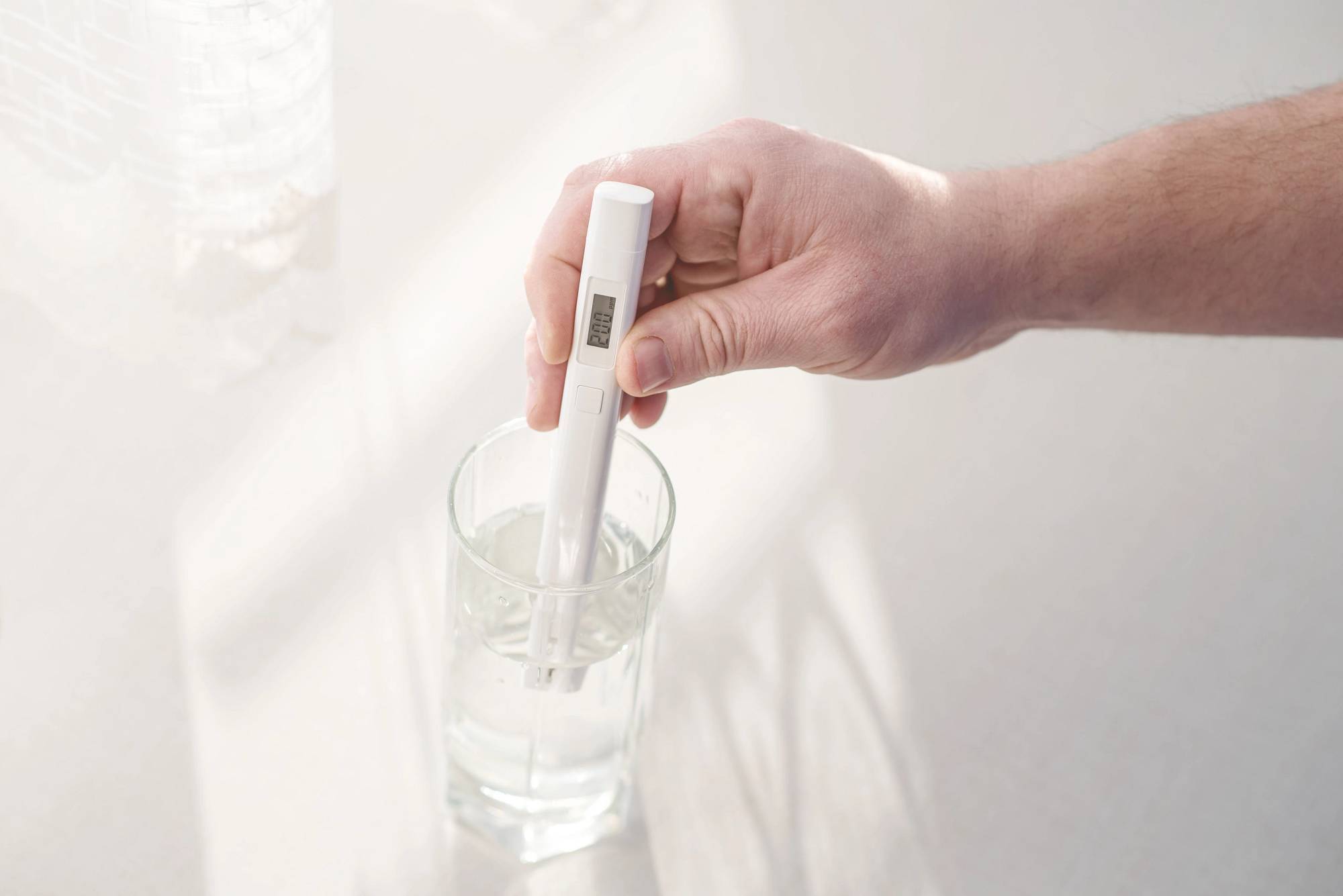
When a buyer requests a “tap test” today, they aren’t just looking for lead. The modern “viral” testing suite often includes:
Disinfectant Residuals: Ensuring that enough chlorine or chloramine remains in the water to prevent bacterial growth.
Heterotrophic Plate Count (HPC): A general measure of the microbial population in the plumbing.
Heavy Metal Profiles: Moving beyond lead to include copper, iron, manganese, and zinc—all indicators of pipe degradation.
Legionella pneumophila: Particularly in buildings with complex hot water recirculation systems or decorative fountains.
Total Organic Carbon (TOC): High levels can indicate that the water is more likely to grow biofilm or react with disinfectants to form harmful byproducts.
The Role of Independent Labs
The shift toward tap testing has also increased the visibility of independent environmental laboratories. Buyers are increasingly wary of “in-house” testing provided by the seller or the building’s maintenance company. They want an arms-length, third-party analysis. This demand for independence is a direct result of the viral reports that exposed how easily data can be “cherry-picked” if not handled by a certified, independent lab.
According to the Water Quality Association (WQA), the demand for certified water testing professionals has seen a marked increase in urban centers over the last three years. This professionalization of water testing is a necessary step in ensuring that the data used in real estate transactions is both accurate and actionable.
The Future of Real Estate: Transperancy as Standard
We are moving toward a future where a “Water Quality Certificate” may be as common as an “Energy Performance Certificate.” As more buyers share their success (or horror) stories online, the pressure for transparency will only grow. Sellers who embrace this change by maintaining high-quality systems and providing open access to data will find themselves at a significant advantage.
For buyers, the message is clear: the aesthetic beauty of a home is irrelevant if the life-sustaining water flowing through it is compromised. The “viral” lab report isn’t a fad; it’s a fundamental shift in how we value the spaces where we live and work.
Taking the Next Step
If you are a buyer looking to protect your investment, or a seller wanting to ensure your property is “test-ready,” the first step is accurate information. Understanding the specific risks associated with your building’s age and location is essential.
For guidance on how to interpret viral water reports or to find a certified professional for your own tap test, we invite you to visit our contact page. Our team can help you navigate the complexities of water quality testing and ensure that your next real estate transaction is based on data, not just aesthetics.