The completion of a building renovation is usually a cause for celebration. Whether it is a luxury hotel upgrade, a hospital wing expansion, or a residential retrofit, the focus is typically on the high-end finishes and the improved efficiency of the new infrastructure. However, in the weeks and months following the “grand opening,” facility managers often encounter a frustrating and seemingly inexplicable problem: a sudden spike in water quality failures.
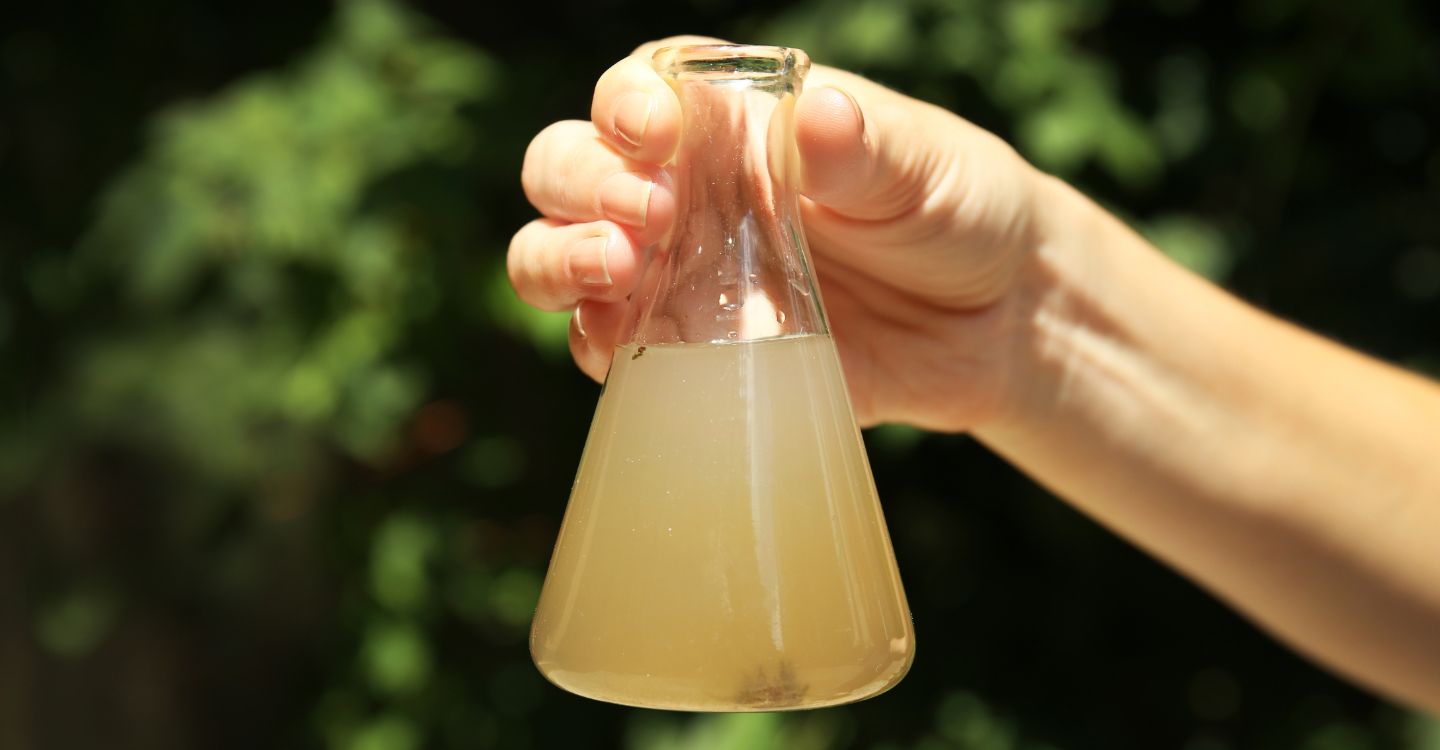
Taps that previously tested clean are suddenly showing elevated levels of heavy metals, high turbidity, or even microbial contamination. While it is tempting to blame the new fixtures or a flaw in the municipal supply, the reality is often found within the walls of the existing plumbing. The physical shocks, pressure changes, and stagnant periods inherent in construction work act as a catalyst for the disruption of decades-old sediment layers, turning a “new” building into a water quality nightmare.
The Archaeology of a Plumbing System
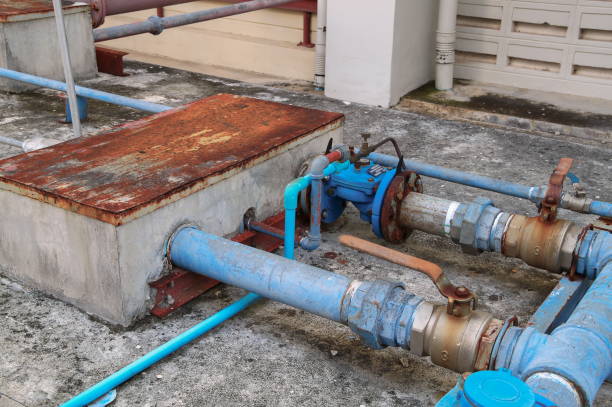
Every plumbing system that has been in operation for more than a few years contains a complex internal architecture. Over time, a combination of mineral scale (calcium and magnesium), iron oxides (rust), and biological films (biofilm) builds up on the interior surfaces of the pipes. In a stable system, these layers are relatively inert. They form a protective “crust” known as a passivating layer that actually helps prevent the underlying metal from leaching into the water.
However, a renovation is anything but stable. The process of cutting into pipes, shut-offs and restarts, and the vibration from heavy machinery creates mechanical stress. This stress causes the brittle, mineralized sediment layers to crack and flake away. Once these layers are disturbed, they release a concentrated “pulse” of accumulated contaminants into the water stream. As we explore in our science section, the chemistry of this release is often more complex than simple dirt in the water; it involves the re-solubilization of metals that were safely locked away for years.
Pressure Surges and the “Scouring” Effect
One of the most common triggers for sediment disruption during renovation is the rapid change in water pressure. When a system is drained and then refilled, or when high-powered pumps are brought online for the first time, “water hammer” and air pockets can send shockwaves through the piping.
These pressure surges act like a pressure washer on the inside of the pipes. The “scouring” effect strips away the biofilm and sediment, sending a slurry of particulates toward the faucets. In large-capacity buildings, these particles often settle in the “dead legs” or low-flow areas created by the new floor plan. This is a recurring theme in the compliance reports we analyze: buildings that were “cleaned” post-construction often show secondary failures because the sediment wasn’t fully removed, only relocated.
The Lead and Copper “Pulse”
Perhaps the most significant risk associated with sediment disruption is the release of heavy metals. In many older buildings, the sediment layers contain lead and copper that have precipitated out of the water over decades. Under normal conditions, these metals stay trapped in the scale.
When a renovation disturbs this scale, the lead can be released in two forms: dissolved and particulate. Particulate lead is particularly dangerous because a single “speck” of lead-rich scale can contain enough lead to cause a massive failure in a standard water test. Even if the building has replaced its service lines, the interior galvanized or copper pipes may still harbor this lead-laden sediment. This illustrates why post-renovation testing must be much more rigorous than standard annual monitoring.
The Biological Catalyst: Why Biofilms Thrive Post-Renovation
Sediment isn’t just mineral-based; it is also the primary habitat for microorganisms. Biofilms thrive in the nooks and crannies provided by uneven scale buildup. When these layers are disrupted, the bacteria are “unlocked” and swept into the main flow of the building’s water.
Furthermore, the sediment itself provides a food source. Many types of bacteria, including Legionella, can feed on the organic carbon and iron found in plumbing sediment. After a renovation, when water may be sitting stagnant in new lines while a building awaits occupancy, this liberated sediment provides the perfect nutrient base for a microbial bloom. This is a critical factor in global issues regarding water safety, as urbanization and the constant retrofitting of city centers create endless opportunities for these biological events.
The Stagnation Factor: A Perfect Storm
Renovations often involve long periods where sections of a building are unoccupied. During this time, the “disturbed” water sits motionless. Without the constant flow of fresh, chlorinated water from the city main, the disinfectant residual disappears.
In this stagnant, low-disinfectant environment, the newly liberated sediment begins to react with the water. Iron consumes the remaining chlorine, and the lack of flow allows particulates to settle in the aerators of expensive new fixtures. By the time the first tenants move in and turn on the taps, they are greeted by a concentrated dose of everything that was knocked loose during the construction phase.
Mitigation Strategies: Beyond the Simple Flush
Preventing post-renovation failures requires a move away from the “flush the taps for ten minutes” mentality. A more comprehensive approach is needed to stabilize the system.
Strategic High-Velocity Flushing Instead of just opening a few faucets, facility managers should conduct high-velocity flushing of the main risers. This requires calculated flow rates designed to actually move heavy sediment out of the building rather than just shifting it to the next floor.
Point-of-Entry and Point-of-Use Filtration Temporary filtration during the commissioning phase can capture the “pulse” of sediment before it reaches the fixtures. This protects new faucets and showerheads from clogging and reduces the risk of heavy metal exposure for early occupants.
Chemical Passivation In some cases, it may be necessary to treat the water with corrosion inhibitors immediately following a renovation. This helps to “reseal” the pipes and prevent the raw, exposed metal from leaching into the water while new, stable scale layers begin to form.
The Importance of Local Knowledge and Testing
Every building’s “sediment profile” is different. The minerals found in the plumbing of a Manhattan high-rise are different from those in a suburban hospital. Successful remediation depends on understanding the local water chemistry—specifically the pH and alkalinity of the municipal supply—as these factors dictate how quickly the plumbing can restabilize after a disturbance.
Routine testing during the construction phase, rather than just at the end, can help identify sections of the building where sediment disruption is most severe. This allows for targeted intervention before the building is fully occupied.
The Role of Proper Commissioning
Water safety should be a primary pillar of the building commissioning process. Too often, water quality is treated as an afterthought compared to electrical or HVAC systems. A robust Water Management Plan (WMP) must include specific protocols for post-renovation startup, including the testing of both hot and cold water lines for metals and microbial indicators.
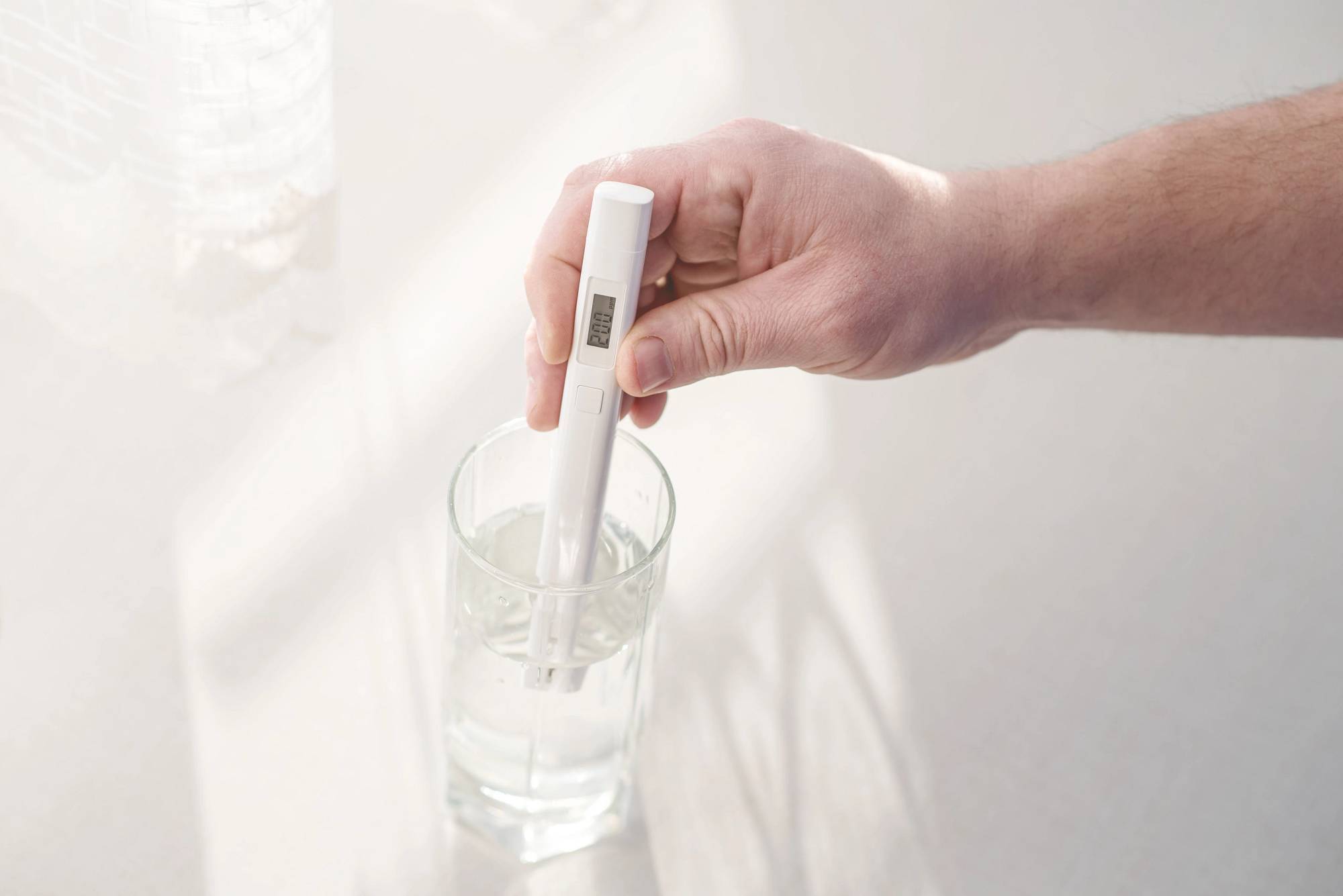
We frequently discuss the evolution of these management standards on our blog, where we track how modern sensor technology is helping managers detect “sediment pulses” in real-time. By monitoring turbidity and conductivity at the building’s entry point and its furthest taps, managers can see exactly when a disruption is occurring and take action before it leads to a total system failure.
Conclusion
Renovations are intended to breathe new life into a property, but they are also a traumatic event for a plumbing system. The disruption of sediment layers is a natural consequence of construction, but it does not have to result in water quality failure. By acknowledging that “old” sediment lives inside “new” renovations, property owners can take the necessary steps to flush, filter, and stabilize their systems.
The path to safe water in a renovated building starts with a respect for the archaeology of the pipes. If we ignore the layers of the past, they will eventually find their way to the taps of the present.
If you are currently overseeing a renovation project and are concerned about the integrity of your water system, or if you have recently experienced unexplained lab failures, please visit our contact page. Our team can help you design a post-construction testing and flushing protocol tailored to your building’s unique needs.