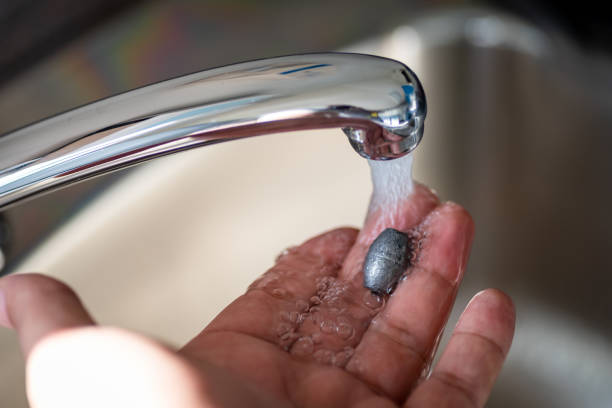
In the competitive real estate markets of modern metropolitan hubs, a “newly renovated” tag is often the ultimate selling point. Buyers walk through open houses admiring the waterfall showerheads, the industrial-grade kitchen faucets, and the high-efficiency boiler systems. There is a common assumption that if the fixtures are shiny and the pipes are new, the water must be perfect.
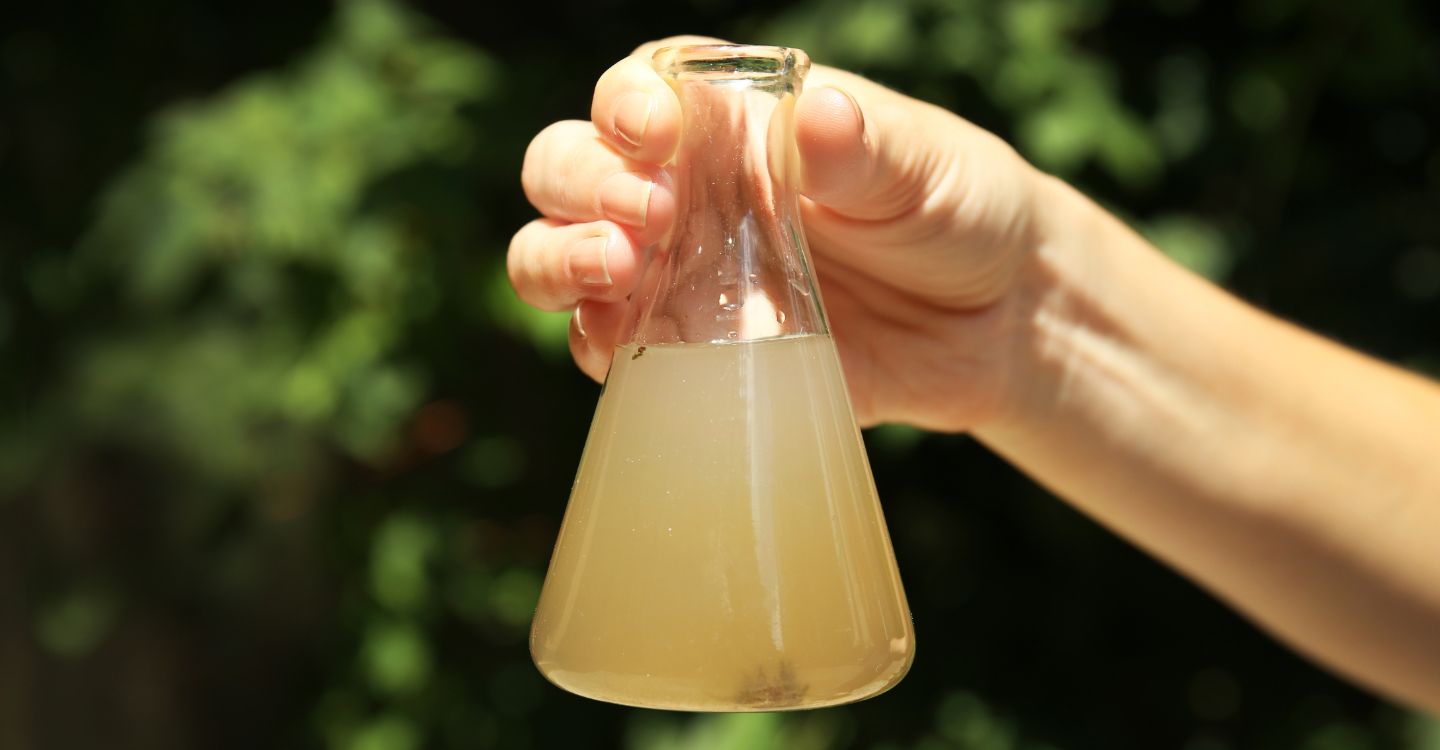
However, a troubling trend is emerging in post-sale inspections and laboratory data. Buyers are moving into recently upgraded properties only to discover that their water quality is significantly worse than that of the unrenovated buildings they left behind. The “buyer surprise” usually arrives in the form of metallic tastes, cloudy water, or, in more serious cases, positive tests for Legionella or lead. The root cause is almost always the same: significant plumbing upgrades were performed based on aesthetics and mechanical function, but the water chemistry was never tested to ensure the new system was safe.
The Mechanical vs. Chemical Gap
Plumbing is traditionally viewed as a mechanical trade. A successful upgrade is defined by the absence of leaks and the presence of adequate water pressure. While these are essential, they do not account for the chemical and biological reality of the water itself. When you change the materials, the flow rates, and the heating capacity of a building’s plumbing, you fundamentally change the environment in which the water lives.
For instance, many modern renovations replace old copper pipes with PEX (cross-linked polyethylene). While PEX is durable and cost-effective, it has different thermal properties and biofilm-attachment rates than metal. If a system is upgraded without a baseline understanding of the science of the local water supply, the new materials might react poorly with municipal disinfectants. Without testing before and after the upgrade, the owner has no way of knowing if the new system is leaching plasticizers or if it has inadvertently created a breeding ground for bacteria.
The Stagnation Paradox in “New” Systems
One of the most frequent surprises for new buyers is the impact of low-flow technology. In an effort to be environmentally conscious, many upgrades include ultra-low-flow faucets and showerheads. While these save water, they also drastically increase the “water age” within the home.
In a large property with upgraded piping, the water may sit in the lines for much longer than it did in the old, high-flow system. During the weeks or months a property sits on the market after a renovation, that water becomes stagnant. Stagnant water loses its chlorine residual and absorbs heat from the surrounding building. When the buyer finally moves in and turns on the tap, they are drawing water that has been deteriorating for weeks. Without professional testing during the “commissioning” phase of the renovation, this stagnant water can seed the entire system with biofilm that no amount of simple flushing will fully remove.
The Disruption of Legacy Contaminants
Renovations rarely involve a 100% replacement of every pipe in a building. Usually, new “branch” lines are connected to older “riser” pipes. The physical act of cutting into these old pipes sends vibrations through the entire building, knocking loose decades of accumulated scale and sediment.
This sediment often contains high concentrations of lead, iron, and manganese. A buyer may move into a home with brand-new faucets, only to find those faucets are now clogged with lead-rich debris that was dislodged during the upgrade process. This is a recurring theme in our reports on urban real estate: the “new” plumbing acts as a delivery system for the “old” contaminants that were previously stable and dormant.
Heat, Health, and the Water Heater Surprise
Modern renovations often include the installation of high-capacity tankless water heaters or sophisticated recirculating loops designed to provide “instant” hot water. While these are luxury features, they are also high-risk environments for bacterial growth.
If the temperature on these new units is set too low—often to save energy or prevent scalding—the water sits in a lukewarm range that is ideal for Legionella. Many buyers find that their “upgraded” hot water system is actually a biological hazard because the installer prioritized energy efficiency over thermal disinfection. This is not just a domestic issue; it is part of a growing set of global issues where green building standards inadvertently clash with public health safety protocols.
The Importance of Local Benchmarking
Water quality is intensely local. The way a new plumbing system reacts in a city with soft, acidic water will be completely different from how it reacts in a region with hard, alkaline water.
A “buyer surprise” often occurs when a contractor uses a “one-size-fits-all” approach to a renovation. They might install a high-end filtration system that works perfectly in one zip code but strips out essential minerals in another, leading to “hungry water” that aggressively corrodes the new fixtures. Testing the water at the start of a renovation provides a benchmark. It allows the owner to choose materials and filtration systems that are specifically compatible with the local municipal chemistry.
The Failure of Post-Construction Flushing
Most contractors believe that a simple flush of the lines after a renovation is sufficient. However, lab trends show that “simple flushing” often fails to remove the fine particulates and biofilms dislodged during construction.
For a buyer, the surprise often comes two or three months after moving in. The initial flush may have cleared the “brown water,” but the underlying chemical imbalance remains. Over time, the new fixtures begin to pit, or a strange odor develops in the guest bathroom. These are signs of a system that was mechanically finished but never chemically stabilized. We frequently discuss the nuances of proper system stabilization on our blog, where we advocate for a more scientific approach to building commissioning.
Protecting the Investment: A Guide for Buyers and Sellers
To avoid the “upgraded pipe surprise,” a new protocol must be adopted in the real estate and renovation industries.
Pre-Renovation Testing: Establish what is coming into the building from the street. If the city water has high levels of sediment, the new plumbing needs to be designed with point-of-entry filtration to protect it.
Material Compatibility Checks: Ensure that the new pipes, solders, and fixtures are compatible with the local water’s pH and disinfectant type (chlorine vs. chloramines).
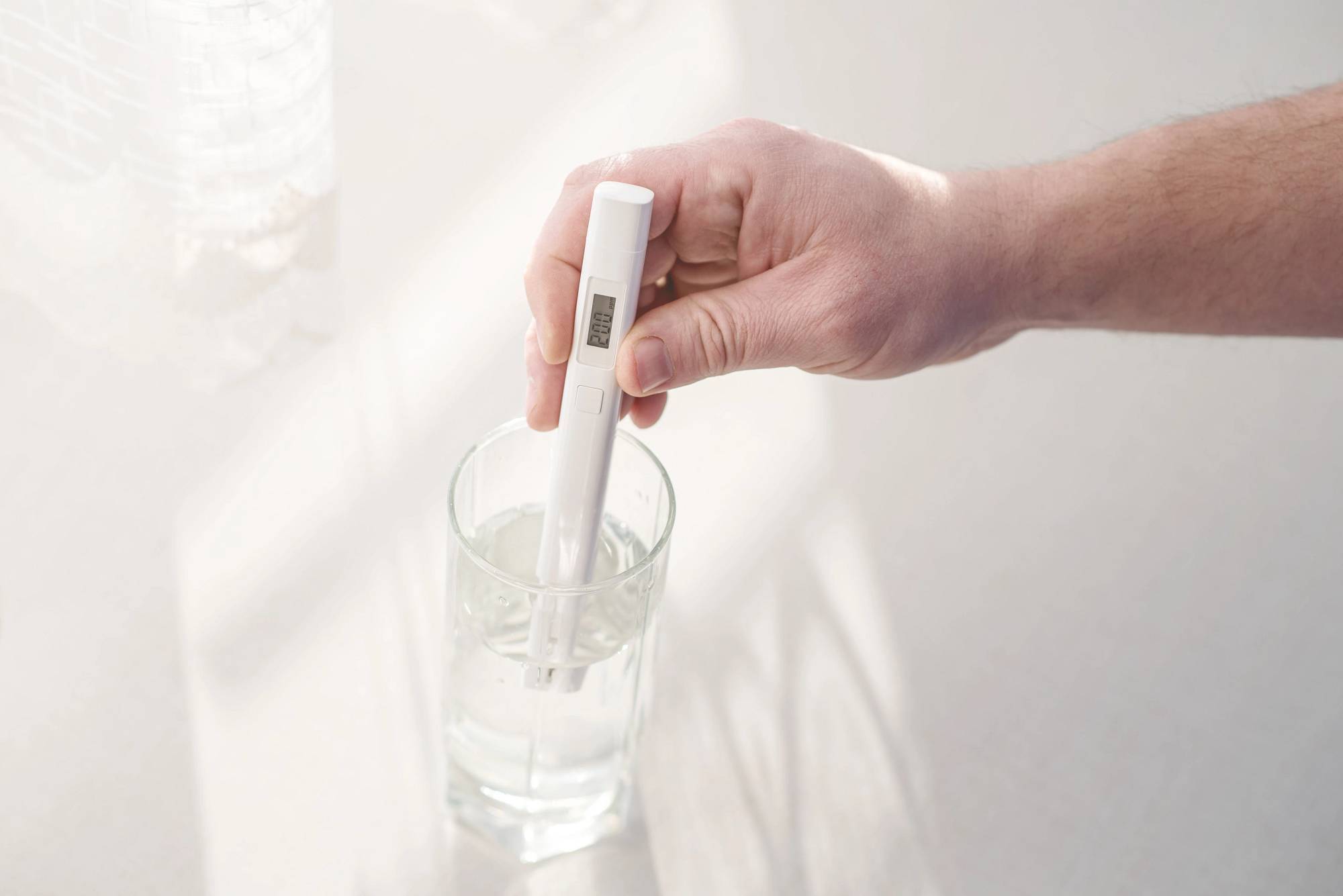
Post-Renovation “Stress Test”: After the work is done but before the buyer moves in, the water should be tested at the most distal (furthest) taps. This ensures that the renovation hasn’t created “dead zones” where water quality is failing.
Thermal Verification: For hot water upgrades, verify that the system can reach and maintain temperatures sufficient to kill pathogens, while utilizing mixing valves at the tap to prevent scalding.
The Role of Transparency in Real Estate
Sellers who can provide a “clean bill of health” for their water quality, backed by a certified lab report, have a significant advantage. It proves that the renovation was handled with professional care. Conversely, buyers should demand these reports as part of their due diligence. A shiny faucet is meaningless if the water coming out of it contains lead from disturbed sediment or bacteria from a poorly configured recirculating loop.
Conclusion
A plumbing upgrade should be an improvement, not a complication. By moving beyond the aesthetic and focusing on the chemical and biological integrity of the water, we can eliminate the “buyer surprise” that currently plagues the renovated property market. The goal is simple: the water at the tap should be as high-quality as the fixtures it flows through.
If you are currently in the middle of a renovation or are considering purchasing a recently upgraded property, don’t leave your water quality to chance. Testing is the only way to verify that your new pipes are delivering the safety and purity you expect.
To learn more about setting up a testing protocol for your property or to find out what specific contaminants you should be looking for after a renovation, please visit our contact page. Our team of specialists can help you navigate the complexities of modern plumbing chemistry and ensure your “new” home is truly a healthy one.