Manhattan is an island defined by its vertical history. From the red-brick Federal-style rowhouses of Greenwich Village to the limestone-clad masterpieces of the Upper East Side, the borough’s historic properties are the bedrock of New York City’s identity. However, as we navigate through 2026, a series of recent independent laboratory audits has cast a shadow over these architectural treasures. New data indicates that lead concentrations in the tap water of several high-profile historic districts are consistently hitting advisory levels—thresholds that, while often below the legal “action level,” raise significant concerns for long-term public health.
The reality of living in a pre-war or turn-of-the-century building in Manhattan is that the elegance of the facade often masks an aging internal skeleton. While the city’s water supply is treated with corrosion inhibitors at the source, the science of water delivery reveals that the “last mile”—the journey from the street main into a private residence—is where the safety of the water is most frequently compromised. For owners and tenants of Manhattan’s historic stock, these lab results are a call to move beyond aesthetic appreciation and toward rigorous infrastructure verification.
The Manhattan Lead Legacy: Why Historic Buildings Fail
The primary reason Manhattan’s historic properties are surfacing in recent reports is the sheer age of their service lines. Lead was the industry standard for small-diameter water pipes in New York City until the mid-20th century. In neighborhoods like Chelsea and the West Village, many buildings still rely on the original lead service lines installed when the structures were first erected.
Even in buildings where the service line has been partially replaced, lead persists in the form of “wiped” joints and lead-soldered copper pipes. In the science of plumbing, these joints act as localized reservoirs for lead. Over decades, a protective mineral scale usually forms over these materials, but Manhattan’s vibrant pace of life works against this protection. Constant vibrations from nearby subway lines, street utility work, and internal renovations can cause this brittle scale to flake off, releasing “pulses” of lead into the water that standard city testing—which often uses pre-flushed samples—can easily miss.
Understanding “Advisory Levels” vs. “Action Levels”
A point of confusion for many Manhattan residents is the terminology used in these recent lab results. The EPA’s “action level” for lead is currently 15 parts per billion (ppb). However, health organizations worldwide, including those tracking global issues in urban water safety, emphasize that there is no truly safe level of lead exposure.
An “advisory level” typically refers to concentrations between 1 ppb and 10 ppb. While these levels do not always trigger a mandatory municipal response, they indicate a persistent leaching problem. In the context of a Manhattan luxury co-op, these advisory levels are particularly concerning because they represent chronic, low-level exposure. For families with young children or pregnant women, even these “lower” levels can have cumulative health impacts that affect neurodevelopment and cardiovascular health over time.
The High-Rise Risk: Vertical Distribution and Lead Solder
It is a common misconception that lead is only a “rowhouse” problem. Manhattan’s historic high-rises—the iconic pre-war apartment buildings of Central Park West and Riverside Drive—face unique vertical challenges. These buildings utilize massive “risers” to move water to the upper floors. While the main risers may be made of brass or galvanized steel, the secondary branch lines leading into individual kitchens and bathrooms often contain lead-based solder.
As we have documented in our reports, the water at the top of a 15-story historic building has had significantly more contact time with the building’s internal plumbing than the water in the lobby. This “contact time” is a critical variable. If a resident in a penthouse uses their water for the first time in the morning, they are receiving a concentrated dose of whatever has leached from the branch lines overnight. The recent lab results showing advisory levels were most prevalent in these “end-of-line” samples, proving that height does not equal safety in Manhattan’s historic districts.
Stagnation and the Manhattan Lifestyle
The unique lifestyle of Manhattan residents also contributes to these elevated lead findings. Many historic properties serve as secondary residences or are owned by professionals who travel frequently. This leads to extended periods of water stagnation.
When water sits motionless in a lead-soldered pipe for several days, the chemical reaction between the water and the metal reaches an equilibrium, leading to much higher concentrations than what would be found in a high-turnover environment like a commercial space. On our blog, we frequently advise residents that “flushing the tap” for thirty seconds is often insufficient in large historic buildings; in some cases, it can take several minutes of high-velocity flow to move the stagnant, lead-rich water out of the building’s internal network.
The Role of Independent Laboratory Audits
The reason these advisory levels are coming to light now is the rise of independent, unit-specific laboratory testing. Municipal reports provide an excellent overview of the city’s water at the reservoir, but they cannot account for the specific plumbing of a 1920s Fifth Avenue co-op.
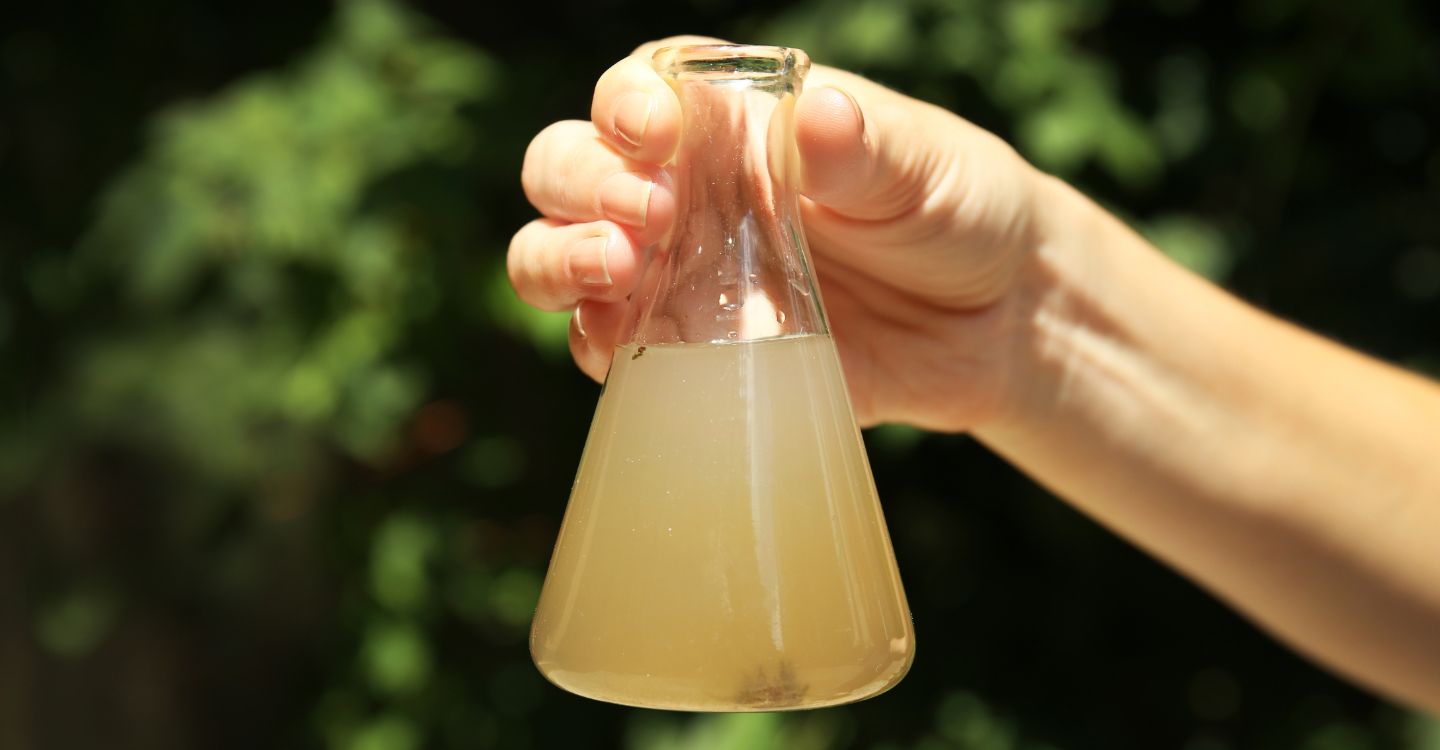
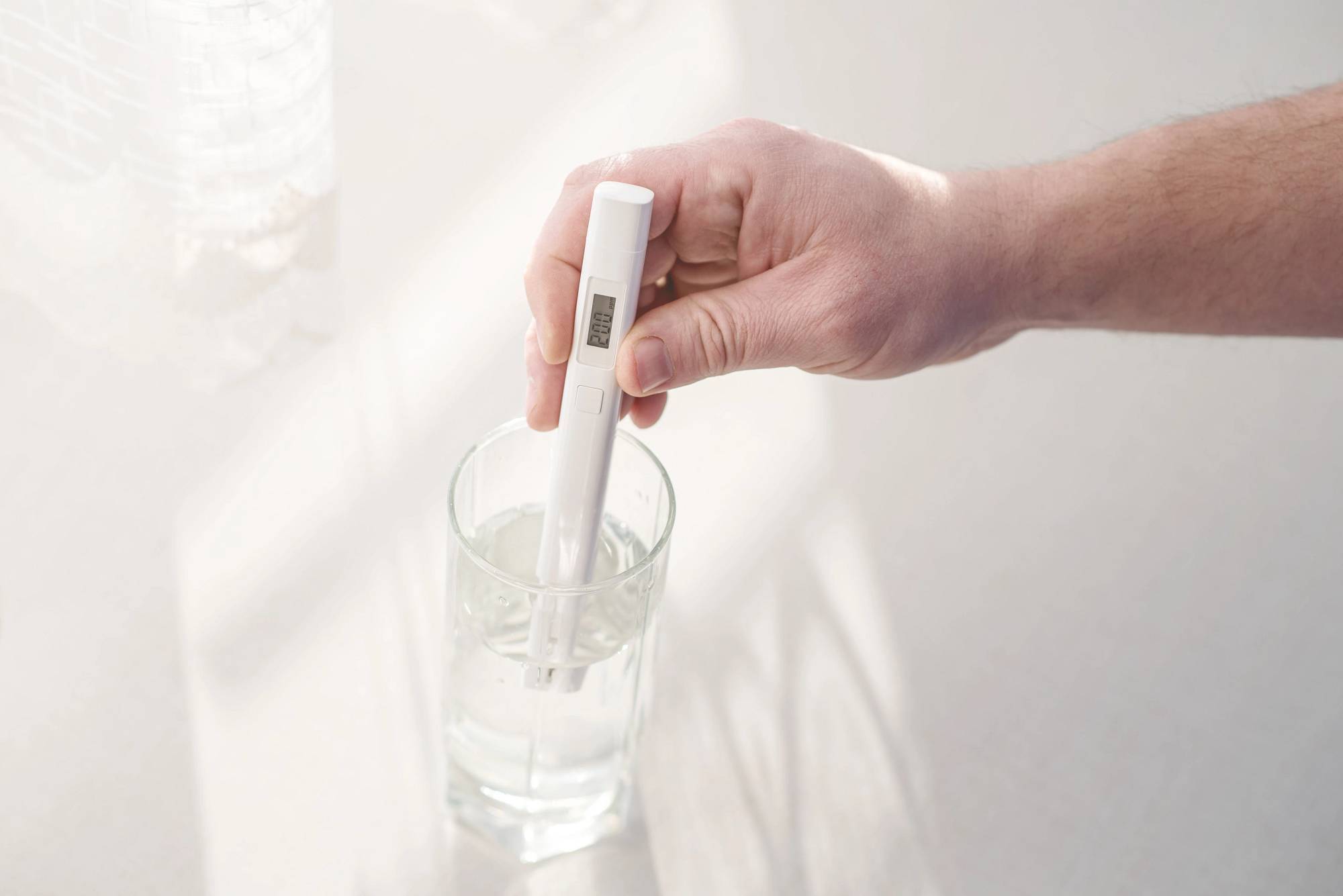
An independent audit uses a “first-draw” protocol, which is the gold standard for identifying lead risks. By capturing the very first liter of water that comes out of the tap after at least six hours of stagnation, labs can provide a realistic picture of a resident’s exposure. Many Manhattan boards are now commissioning building-wide reports to identify “hot spots” within their plumbing stacks, moving away from a reactive model of maintenance toward a proactive, data-driven strategy.
Navigating Remediation in Historic Contexts
Remediating lead in a Manhattan historic property is rarely as simple as “replacing the pipes.” Landmark status, the complexity of pre-war construction, and the high cost of invasive work often make full pipe replacement a multi-year project. In the interim, residents and boards are looking toward global issues and solutions that have worked in other historic cities like London and Paris.
- Point-of-Entry (POE) Conditioning: Installing systems that adjust the water’s pH or add additional corrosion inhibitors specifically for the building’s internal loop.
- Certified Point-of-Use (POU) Filtration: Every resident in a building showing advisory lead levels should utilize filters certified to NSF/ANSI Standard 53 for lead reduction.
- Service Line Replacement: Coordinating with the city to replace the “last mile” of pipe under the sidewalk, which is often the primary source of the lead “pulse.”
As we discuss in the science of filtration, not all filters are created equal. A pitcher filter that removes the taste of chlorine may do nothing to stop lead particles. Residents must ensure their filtration choices are backed by rigorous data.
The Economic Impact on Manhattan Real Estate
The disclosure of lead at advisory levels is beginning to impact the Manhattan real estate market. In 2026, savvy buyers are no longer just looking at the moldings and the view; they are requesting water quality certificates as part of their due diligence. A building that can demonstrate a clean, lead-free history—or a transparent plan for remediation—holds significantly more value than one that relies on the “it’s always been this way” defense. For Manhattan boards, investing in water quality is becoming as essential as facade work or elevator upgrades.
Conclusion: A Call for Vigilance in Our Historic Homes
The recent lab results showing lead at advisory levels in Manhattan’s historic properties are not a reason for panic, but they are a clear call for vigilance. We have a duty to preserve the architectural legacy of our borough, but that legacy should not come at the expense of our health. We must bridge the gap between 19th-century infrastructure and 21st-century safety standards.
The most effective next step for any Manhattan resident or board member is to move from assumption to verification. If you live in a pre-war building and haven’t had your specific tap tested in the last year, the best path forward is to contact a specialist today to schedule a professional audit. Don’t wait for a municipal alert that may never come; let the science of laboratory data provide the peace of mind you deserve in your historic Manhattan home.