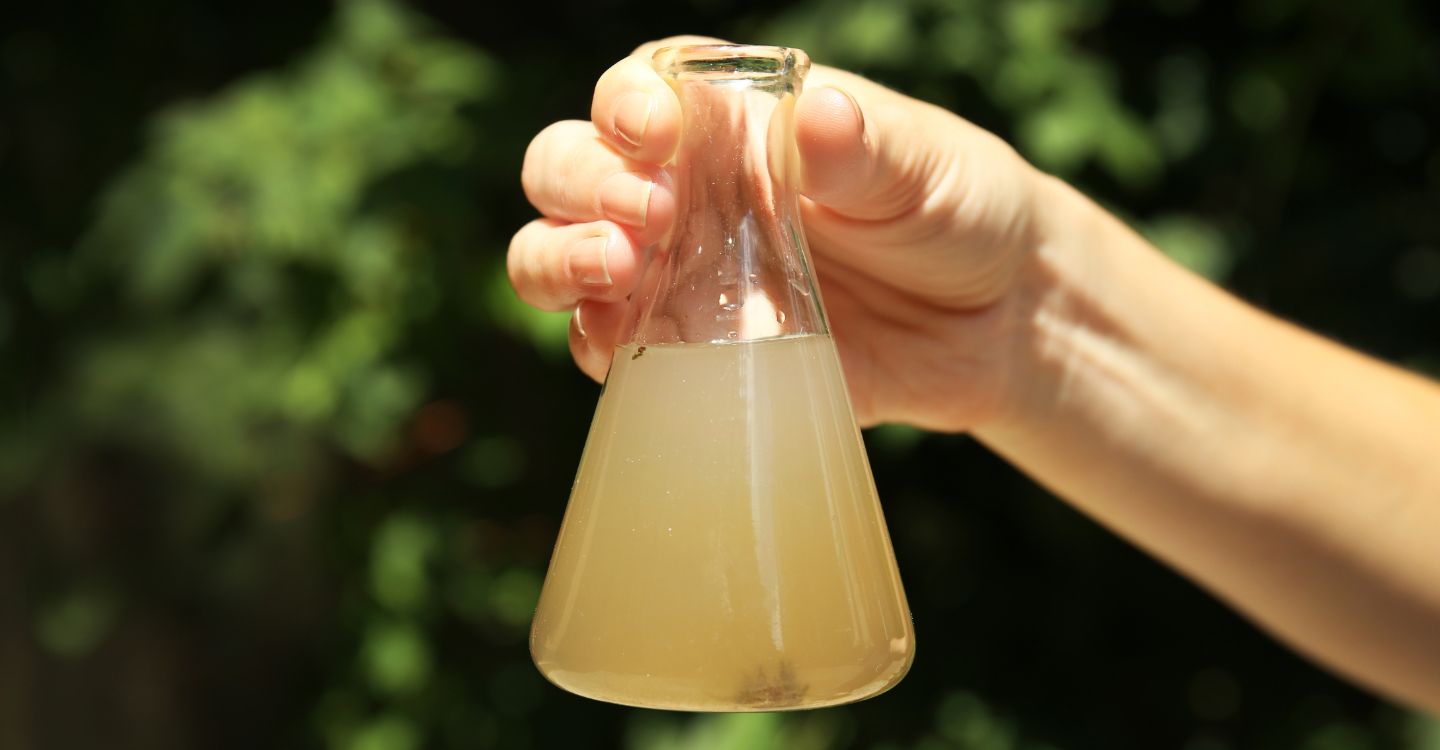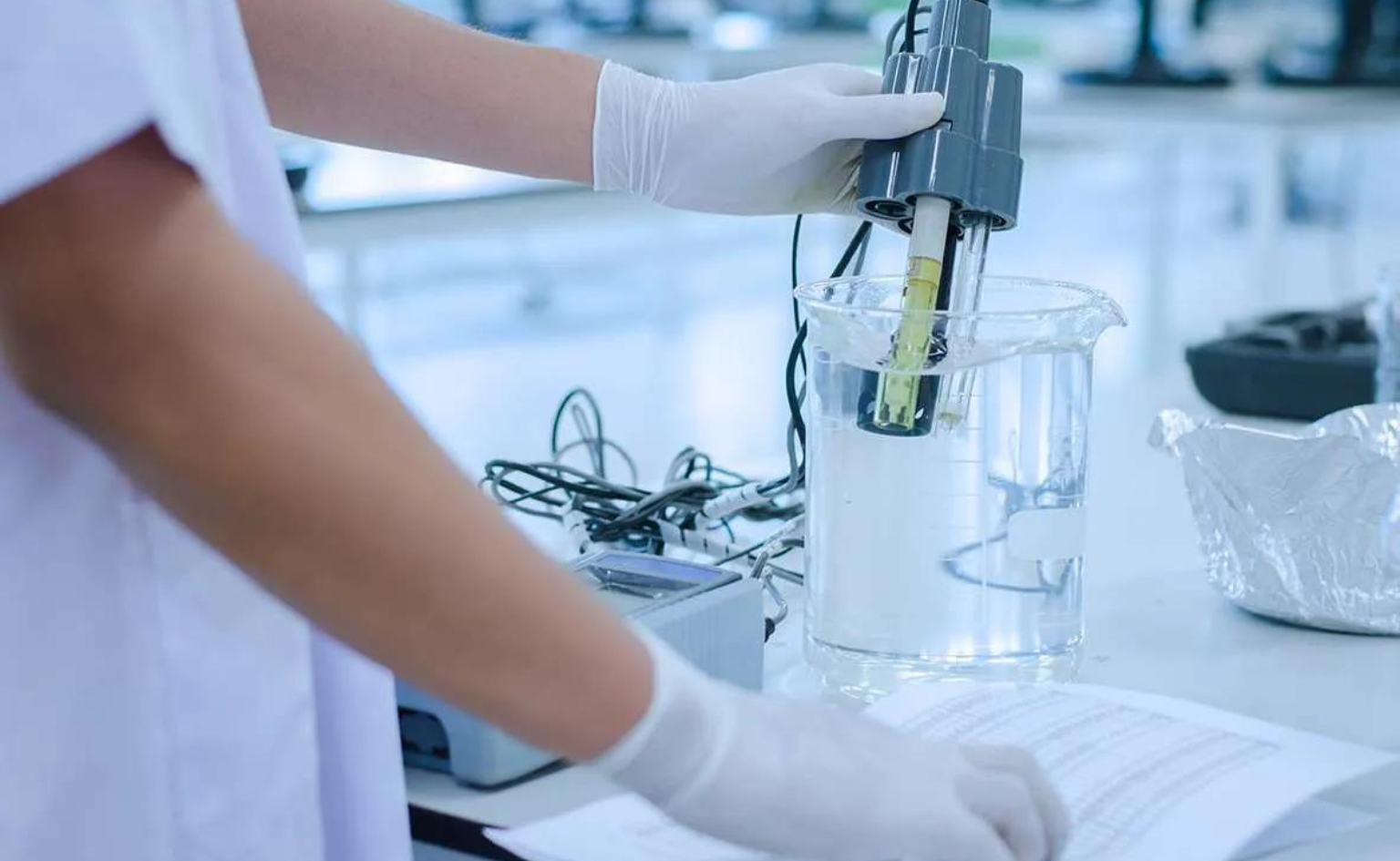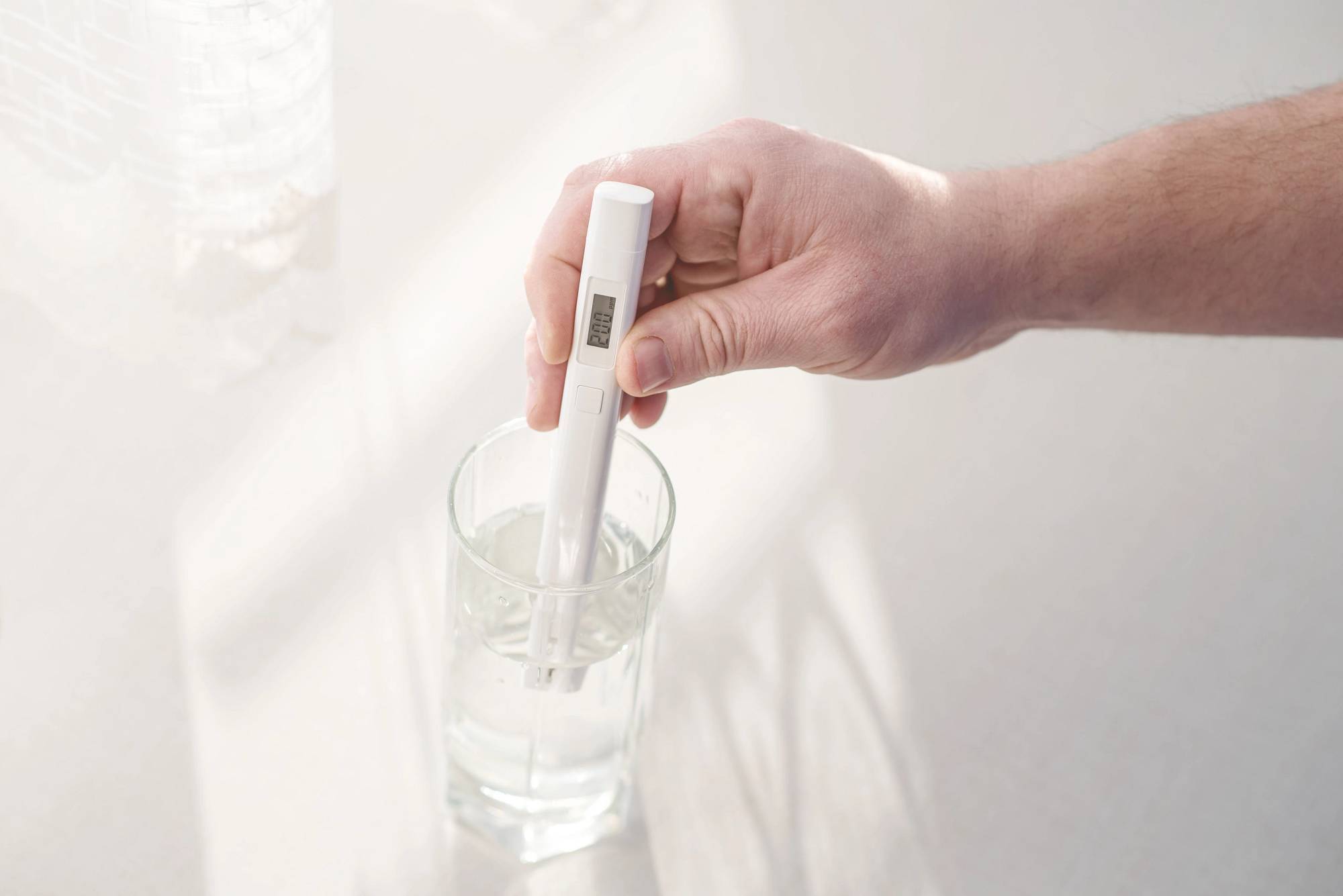
In the dense urban landscape of Jersey City, from the high-rise luxury towers of Exchange Place to the historic brownstones of Van Vorst Park, residents rely on a complex network of pipes to deliver safe, disinfected water. However, recent laboratory audits conducted across several multi-family buildings in early 2026 have highlighted a significant technical challenge: variable chlorine residuals. While the water leaving the treatment plant in Boonton may be perfectly balanced, the concentration of chlorine at the kitchen tap in Jersey City apartments is proving to be anything but consistent.
For many tenants, this variability manifests in two ways. Some report a sharp, bleach-like odor that makes drinking the water unappealing, while others in the same building—or even on the same floor—show near-zero levels of disinfectant. Understanding the science behind these fluctuations is essential for both building managers and residents who want to ensure their city water systems are functioning as intended.
The Balancing Act: Why Chlorine Levels Fluctuate
Chlorine is added to the municipal supply to serve as a “residual” disinfectant. Its job is to remain in the water as it travels through miles of underground mains to prevent the growth of harmful bacteria and viruses. However, chlorine is a volatile chemical; it begins to “decay” or disappear the moment it enters the distribution network.
In Jersey City, several factors contribute to the variability found in recent apartment lab samples:
Distance and “Water Age”: Water that has to travel further from the main intake or sits in a building’s storage tank for an extended period has more time for the chlorine to dissipate. This is known as water age. In some Jersey City high-rises, the water in the upper-floor risers may have a significantly higher water age than the ground-floor units, leading to lower residuals. Pipe Material Interactions: As water moves through a building’s internal plumbing, the chlorine reacts with the pipe walls. Older cast iron or unlined steel pipes consume chlorine much faster than modern PVC or lined copper. According to our latest reports, buildings with a mix of legacy and modern plumbing often show the highest degree of variability between units. Biofilm and Organic Matter: If a building has accumulated biofilm (a thin layer of microorganisms) inside its pipes, the chlorine residual will be rapidly consumed as it tries to neutralize these biological threats. A “failed” chlorine test at the tap is often the first indicator that the building’s internal plumbing needs a deep flush.
The Seasonal Shift: Free Chlorine vs. Chloramines
Jersey City residents may notice shifts in their water’s taste and odor during specific times of the year. In early 2026, many New Jersey utilities followed a standard maintenance protocol, temporarily switching from chloramines to “free chlorine.” While free chlorine is a more powerful disinfectant, it also has a much stronger taste and smell, leading to a surge in tenant complaints.
During these transition periods, the variability in apartment samples becomes even more pronounced. Units closer to the building’s main pump may experience “chlorine spikes,” while units at the end of a long hallway might show adequate but much lower levels. This seasonal science is a recurring theme on our blog, as residents often mistake these necessary maintenance cycles for a sudden drop in water safety.
The Health Paradox: Too Much vs. Too Little
The goal for any Jersey City building is to maintain a “Goldilocks” level of chlorine—enough to kill bacteria, but not so much that it creates secondary issues.
Insufficient Residuals: If the chlorine level drops below 0.2 mg/L at the tap, the water is no longer protected against opportunistic pathogens like Legionella or Pseudomonas. This is a significant concern for the global issues of urban public health, especially in buildings with older populations or healthcare facilities. Excessive Residuals: On the other end of the spectrum, high levels of chlorine can react with organic matter in the water to form Disinfection Byproducts (DBPs) like trihalomethanes. Long-term exposure to high levels of DBPs has been linked to various health risks, making the “chlorine smell” more than just an aesthetic annoyance.
Steps for Jersey City Residents and Managers
If you are experiencing inconsistent water quality in your Jersey City apartment, there are proactive steps you can take to manage the situation:
Request a Building-Wide Flush: If lab results show low residuals, the building management should perform a high-velocity flush of the risers to remove stagnant water and reduce the chlorine demand within the pipes. Monitor Aerators: Small amounts of sediment trapped in your faucet aerator can react with chlorine, causing localized odors. Clean these monthly to ensure the water reaching your glass is fresh. Utilize Targeted Filtration: If you are sensitive to the taste of chlorine, a point-of-use carbon filter is highly effective. However, as noted in our reports, it is important to filter the water only at the point of consumption, as removing chlorine building-wide can lead to bacterial growth in the plumbing. Audit Your Unit: If you are unsure about the safety of your water, especially if you have noticed a change in color or odor, you can contact a professional to conduct a unit-specific audit.
Conclusion: Closing the Information Gap
The variability of chlorine residuals in Jersey City apartments is a reminder that water quality is a dynamic, “moving target.” A building that passes an inspection on Monday might have different chemistry by Friday based on occupancy and water usage patterns. In 2026, the key to safe urban living is not just trusting the treatment plant, but verifying the water at the tap.
By staying informed about the science of water delivery and participating in regular reports and audits, Jersey City communities can ensure their water is consistently safe. Whether you are a property manager looking to optimize your building’s health or a tenant wanting peace of mind, the data is your most powerful tool. For more insights on New Jersey’s changing water landscape, visit our blog or contact our team today for a comprehensive consultation.