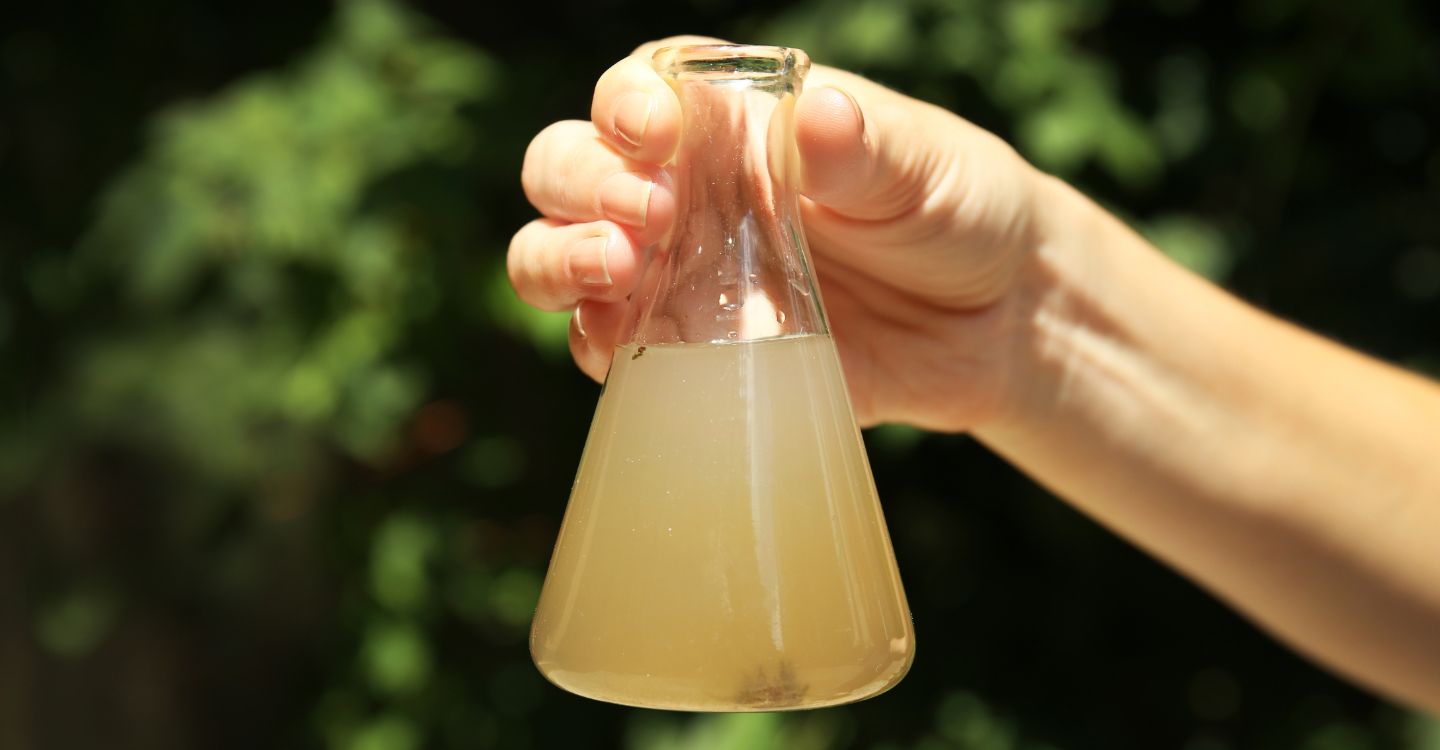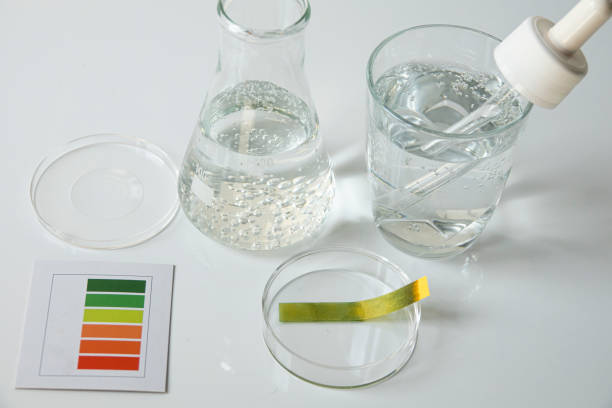
Winter in Jersey City brings more than just picturesque views of the Manhattan skyline across the Hudson; it brings a hidden chemical challenge to the city’s residential infrastructure. Following a series of heavy snowfalls and the subsequent intensive salting of local thoroughfares like Marin Boulevard and the NJ Turnpike extension, a modern luxury condo building near the waterfront reported a startling discovery. A routine laboratory audit of the building’s tap water revealed chloride levels that significantly exceeded secondary drinking water standards. For the residents of this high-end development, the findings were a wake-up call regarding the vulnerability of urban city water systems to seasonal environmental factors.
While most people associate road salt with the white crust on their cars or the degradation of concrete sidewalks, its impact on the hydrological cycle is far more profound. In Jersey City, where dense urban runoff meets aging underground utility corridors, the migration of sodium chloride from the streets into the potable water supply is a growing concern in 2026. This case study highlights the science of how winter weather maintenance can directly influence the chemistry of the water coming out of a kitchen tap.
The Mechanism of Chloride Intrusion
The failure at the Jersey City condo wasn’t due to a lack of treatment at the source, but rather a combination of environmental runoff and localized infrastructure vulnerabilities. When road salt is applied to icy streets, it doesn’t simply disappear when the snow melts. It dissolves into a highly concentrated brine that enters the soil and the stormwater system. In older urban environments, the distinction between groundwater and the area surrounding water mains can become blurred due to “pipe-soil interaction.”
Small, non-surfacing leaks in water mains or service lines—common in high-pressure urban environments—can create a vacuum effect or allow for “molecular diffusion” where high concentrations of chloride in the surrounding soil migrate toward the water supply. Furthermore, many Jersey City buildings rely on localized groundwater recharging or are situated near historic fill areas where salt retention is high. The reports from this specific condo indicated that the chloride spike perfectly correlated with the peak runoff period following a major de-icing event.
Why Chloride is a “Silent” Plumbing Destroyer
For the residents of the condo, the high chloride levels weren’t immediately obvious through taste or smell. Chloride is an inorganic ion that, at moderate levels, remains undetectable to the average palate. However, its impact on a building’s internal plumbing is devastating. Chloride is highly corrosive to metals, particularly the copper and galvanized steel found in many New Jersey high-rises.
When chloride levels rise, they increase the electrical conductivity of the water. This accelerates galvanic corrosion—the process where different metals in the plumbing system react with one another, leading to “pitting” in the pipes. Over time, this leads to pinhole leaks and the premature failure of expensive appliances like tankless water heaters and commercial-grade boilers. As we often discuss in our blog, chloride acts as a catalyst that strips the protective mineral scale from the inside of pipes, leaving the metal exposed to oxygen and further decay.
The Health and Aesthetic Implications
While the Environmental Protection Agency (EPA) classifies chloride under secondary standards—meaning it is regulated primarily for aesthetic and cosmetic effects—the implications for a high-density building are broader. High chloride concentrations give water a “salty” or brackish taste once they cross the 250 mg/L threshold.
For residents on sodium-restricted diets, elevated sodium chloride in the tap water can be a legitimate health concern. Moreover, chloride-rich water can interfere with the effectiveness of common soaps and detergents, leading to skin irritation and “hard water” spots on fixtures. In the Jersey City condo, residents noticed that their high-end dishwashers were leaving a cloudy film on glassware, a classic sign of chemical interference. This intersection of infrastructure health and personal wellness is one of the many global issues we track as urban environments face increasing chemical loads.
The Data Revealed: Laboratory vs. Perception
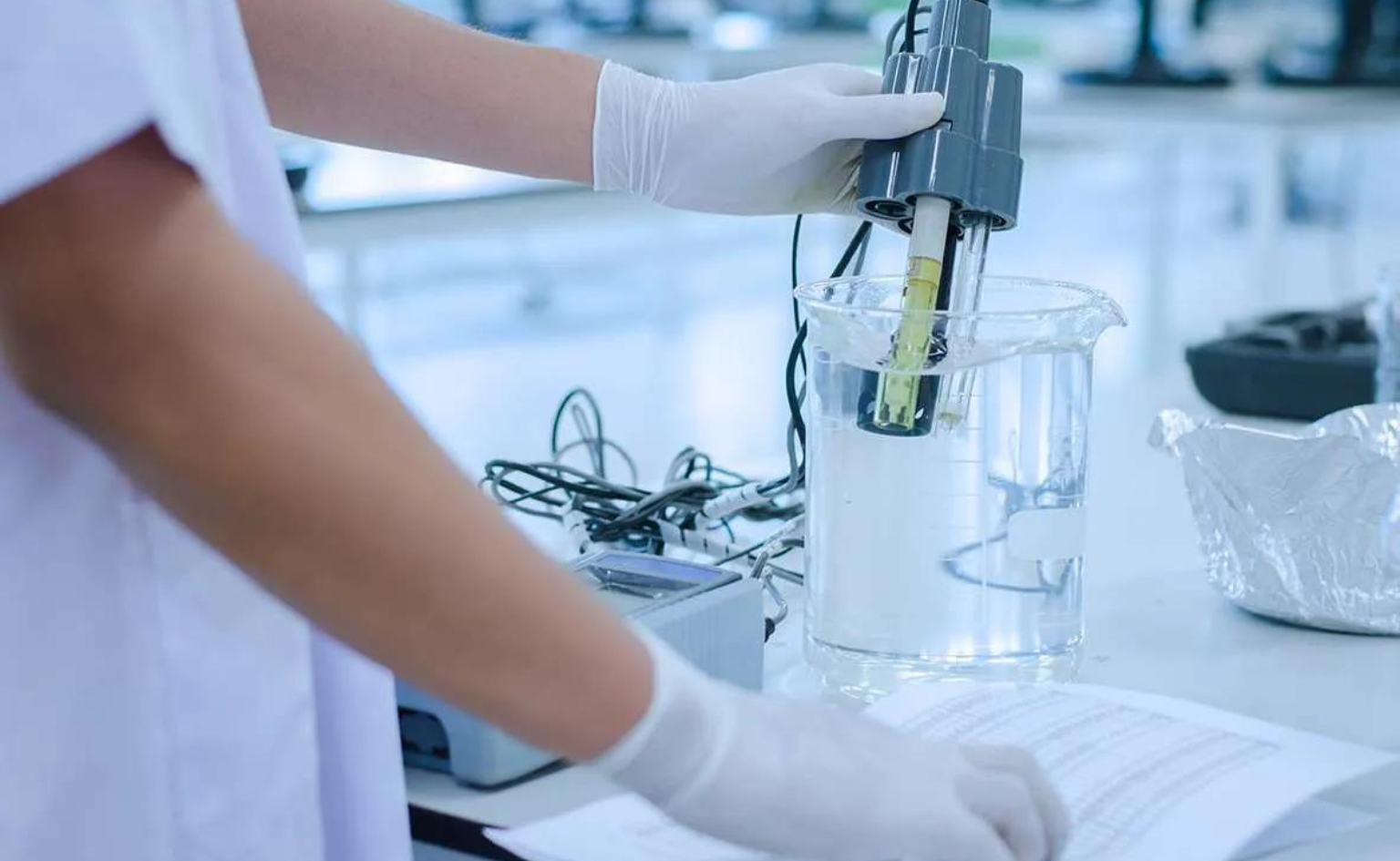
The building management initially suspected a faulty water softener or a problem with the cooling towers. However, the science of the laboratory audit told a different story. By sampling at the point of entry and at various units on different floors, the audit was able to isolate the chloride source to the incoming municipal supply rather than internal building contamination.
This data was crucial for the condo board. Without a professional audit, they might have spent thousands of dollars on unnecessary internal repairs. Instead, the reports allowed them to engage with local utility providers and implement building-wide filtration strategies targeted specifically at salt removal, such as high-capacity reverse osmosis or specialized ion-exchange resins.
The “Urban Heat Island” and Salt Retention
Jersey City’s geography plays a role in these salt events. As a densely packed urban area with significant “impervious cover” (pavement and buildings), there is very little natural soil to filter out the salt. The salt stays in the “urban karst”—the man-made network of pipes, gravel bedding, and tunnels—long after the winter has ended.
This means that a “road salt event” isn’t just a 24-hour problem; it can lead to elevated chloride levels for weeks as the brine slowly migrates through the subsurface. For buildings near the Hudson River, the situation can be even more complex due to the potential for saltwater intrusion during high-tide events or storm surges, which can add a baseline of salinity that road salt then pushes over the edge.
Managing Water Quality in the “Salt Season”
If you live in a Jersey City condo or manage a property in Hudson County, the winter months require a higher level of vigilance regarding water chemistry.
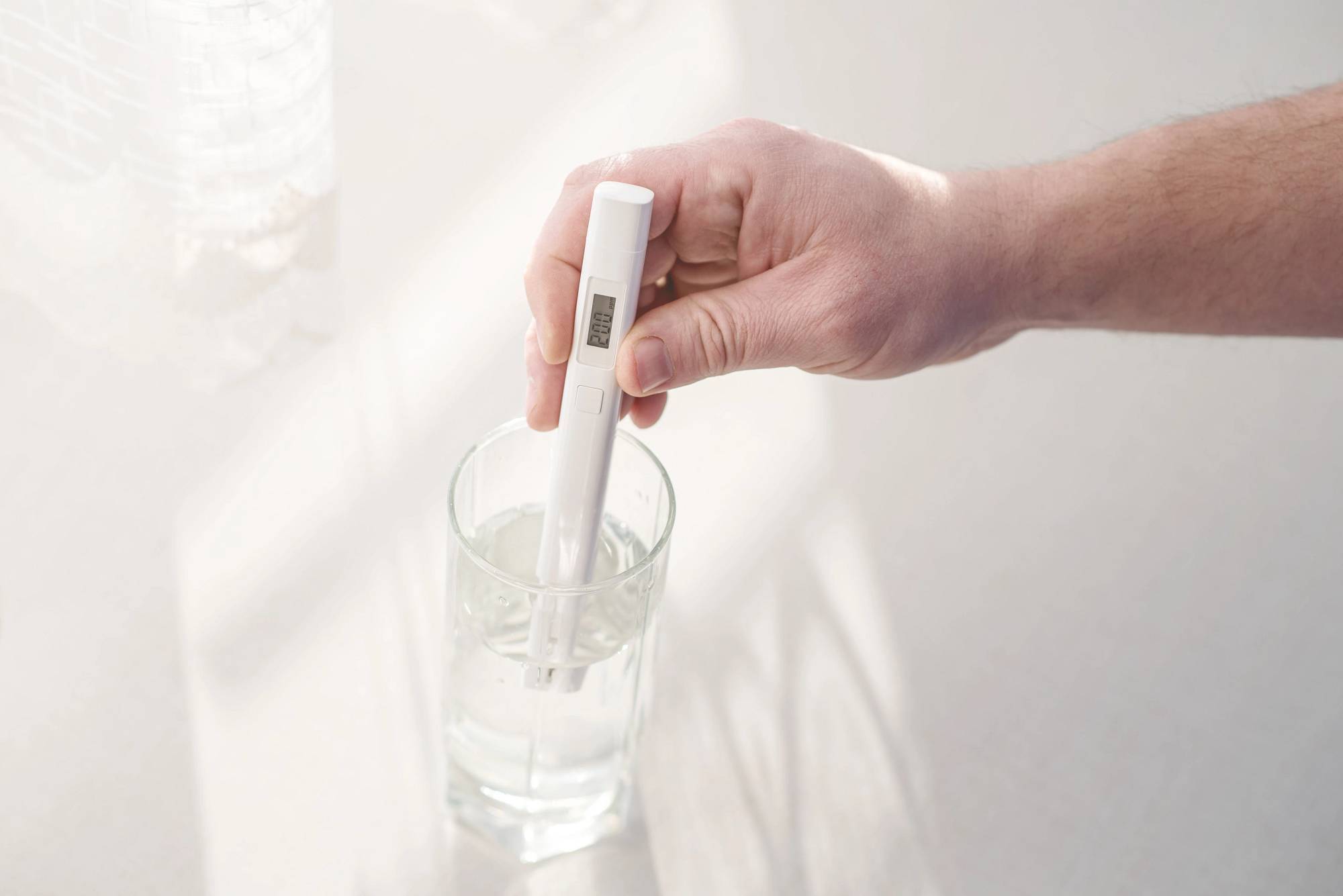
Regular Conductivity Monitoring: Digital conductivity meters can provide a real-time proxy for salt levels. A sudden spike in conductivity is a reliable indicator that chloride levels have risen. Post-Storm Auditing: Schedule your routine water reports for the periods immediately following major snow events. This provides the “worst-case” data needed to calibrate filtration systems. Flush the System: If salt levels are high, increasing the turnover of water in the building’s storage tanks can help prevent the concentration of ions. Consult the Experts: If you notice a change in the taste of your water or an increase in plumbing leaks during the winter, contact a specialist to perform a targeted chloride analysis.
Conclusion: Toward a More Resilient Jersey City
The failure of the Jersey City condo’s water for chloride is a reminder that our indoor environment is inextricably linked to the chemicals we put on our streets. As we move through 2026, the challenge of “freshwater salinization” is becoming a standard part of urban property management. We can no longer assume that the water quality remains static throughout the year.
By utilizing science and professional auditing, residents can protect their health and their investments from the corrosive effects of winter maintenance. Whether it’s through better building-wide filtration or advocating for “salt-alternative” de-icing methods in the community, the first step is always data. For more information on how environmental factors impact your tap, explore our blog or reach out to contact our team for a comprehensive audit.