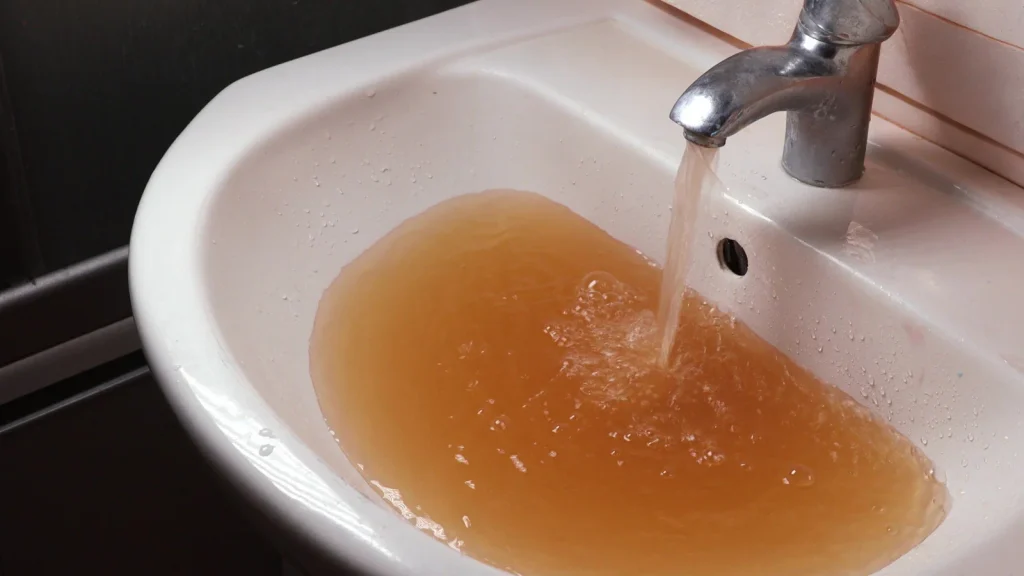
Most gardeners obsess over sunlight exposure, soil friability, and compost ratios, yet they routinely take the clear liquid flowing from the garden hose completely for granted. Because water looks transparent and smells clean, the assumption persists that whatever is safe to drink—or whatever runs out of a municipal tap or backyard shallow well—is naturally ideal for root zones, soil microbes, and fruiting crops. In reality, horticultural hydration operates on an entirely distinct set of chemical rules.
Water serves as both the hydraulic transport vehicle for plant nutrition and a chemical solution that actively alters the soil matrix with every turn of the spigot. Dissolved minerals, disinfection residuals, heavy metals, and ambient pH levels gradually influence nutrient bioavailability, beneficial fungi, and cellular expansion. Understanding irrigation water quality basics prevents common mysteries like interveinal chlorosis, stunted root tips, and unexplainable salt crusting on raised bed soils.
The Difference Between Potable Water and Horticultural Water
Human digestion and plant root absorption interact with dissolved chemistry along fundamentally different pathways. Municipal water treatment authorities design potable tap supplies primarily to eliminate pathogens and minimize biological hazards for human consumption. While a comprehensive water quality fundamentals guide demonstrates how utilities prioritize human safety, those same disinfection protocols and dissolved mineral balances can inadvertently stress sensitive flora.
For instance, municipal distribution systems often carry elevated sodium, specific fluoride concentrations, or disinfectant residuals engineered to stay active over miles of piping. Humans easily metabolize modest amounts of sodium or chloride, but sensitive annuals and fruiting woody perennials cannot vent excess salts through respiration. Over several seasons of repetitive watering, compounds that pass drinking standards can accumulate within root zones, degrading soil structure and starving roots of oxygen.
Conversely, raw pond water or untreated groundwater might feature biological organisms that are undesirable for direct human consumption, yet hold mineral balances and ambient temperatures that plants thrive upon. Discerning what constitutes safe irrigation requires moving beyond potability standards and analyzing specific chemical thresholds.
Key Chemical Parameters in Garden Irrigation
Assessing irrigation water involves monitoring five foundational chemical parameters. Each metric directly influences how roots uptake essential macro- and micronutrients.
1. pH and Root Zone Bioavailability
The standard measure of acidity or alkalinity dictates whether roots can metabolize fertilizer. The optimal pH range for general garden irrigation rests between 6.0 and 7.0. When irrigation water trends alkaline (above 7.5), phosphorus, iron, manganese, and zinc precipitate into insoluble mineral forms, locking them away from plant roots. Conversely, highly acidic irrigation water (below 5.5) can trigger aluminum and manganese toxicities while scorching fragile root hairs.
2. Total Dissolved Solids (TDS) and Electrical Conductivity (EC)
Electrical conductivity (EC) gauges the total concentration of dissolved mineral salts within water. As salinity rises, the osmotic pressure gradient reverses: instead of water moving freely into root membranes, high salt concentrations in the soil solution draw moisture backward out of the root cells. This condition, often termed physiological drought, causes leaf marginal scorch and stunted growth even when soil feels noticeably damp. For general gardening, an EC below 0.75 dS/m (roughly under 500 ppm TDS) is considered benign.
3. Sodium Adsorption Ratio (SAR)
Sodium poses a distinct hazard to soil physics. While calcium and magnesium encourage soil particles to flocculate into loose, crumbly aggregates, sodium disperses clay platelets. High-sodium irrigation water causes soil surface crusting, poor water infiltration, and surface pooling. Evaluating SAR illustrates the ratio of sodium relative to calcium and magnesium, ensuring the water will not permanently compact garden beds.
4. Hardness and Bicarbonate Alkalinity
Often confused with pH, alkalinity represents the buffering capacity of water—its ability to neutralize acids. Water rich in calcium carbonate and bicarbonates functions as liquid lime. Over an extended summer, watering with high-alkalinity supplies steadily drives up soil pH, rendering acidic-loving crops like blueberries, azaleas, and strawberries severely chlorotic.
5. Specific Ion Toxicities: Chloride, Boron, and Fluoride
Certain trace ions cause severe direct tissue toxicity even at trace thresholds:
- Chloride: Essential in microscopic doses, chloride concentrations exceeding 100 mg/L accumulate at leaf margins, causing necrotic scorch on tomatoes, peppers, and fruit trees.
- Boron: The line between boron deficiency and severe toxicity is razor-thin; levels above 1.0 mg/L in irrigation water quickly cause leaf cupping and terminal shoot dieback.
- Fluoride: Added to many public supplies, fluoride is notably phytotoxic to monocots, including ornamental grasses, spider plants, and liliaceous vegetables.
Common Irrigation Water Sources and Their Inherent Risks
Every irrigation source carries distinctive chemical signatures, seasonal fluctuations, and management challenges. Examining the primary sources reveals where common vulnerabilities lie.
Municipal Tap Water
Public water offers reliability and pressure, but chemical disinfectants remain an ongoing consideration. Modern water authorities increasingly employ chloramines (chlorine bonded with ammonia) rather than volatile free chlorine. While regular chlorine dissipates within 24 hours if aerated in an open container, chloramines remain stable for weeks. In active living soil systems, concentrated chloramines can knock back delicate mycorrhizal fungi and beneficial rhizosphere bacteria over prolonged dry spells.
Shallow and Deep Well Water
Groundwater quality reflects local geological formations. Deep aquifers frequently feature excessive calcium, magnesium, iron, and sulfur, which can stain foliage and clog drip emitters. Reviewing an overview of common contaminants clarifies how subsurface minerals and agricultural nitrate runoff permeate rural and suburban aquifers, creating unexpected fertilization spikes that disrupt vegetative-to-fruiting cycles.
Rainwater Catchment
Naturally soft and absent of chemical disinfectants, rain provides an exceptional baseline irrigation source. However, harvesting rain from residential roofs introduces asphalt shingle particles, zinc residues from galvanized gutters, and biological pathogens from bird droppings. Rainwater harvested from urban rooftops must be applied directly to root zones via drip lines or mulched trenches rather than sprayed onto leafy salad greens intended for raw consumption.
Recycled Greywater
Reusing domestic laundry or shower water is an effective drought-mitigation strategy, but it requires strict discipline. Standard laundry detergents contain heavy concentrations of sodium salts, boron optical brighteners, and alkaline builders. If greywater is deployed without using biocompatible, salt-free liquid detergents, the receiving garden beds will rapidly succumb to structural breakdown and alkaline toxicity.
Biological and Industrial Contaminants in the Garden Ecosystem
Beyond natural salinity and minerals, anthropogenic pollutants present real concerns for food security and personal safety. The route from soil to edible fruit varies widely by compound.
Heavy metals such as lead, cadmium, and arsenic behave differently depending on the plant tissue. While fruiting crops like squash, cucumbers, and tomatoes selectively filter heavy metals, leafy greens and subterranean root vegetables (carrots, radishes, beets) can absorb and sequester heavy metals within their edible structures. Gardeners utilizing older plumbing systems should recognize that distribution lines can leach metals; reading about water quality in older buildings highlights how aged distribution pipe joints and service lines introduce lead and copper directly into outdoor spigots.
Urban gardeners and community stewards often navigate complex legacy infrastructures. For urban agricultural initiatives, securing certified home water testing in Queens or adjacent metropolitan areas ensures that legacy piping and urban industrial runoff do not introduce persistent contaminants to community plots. While elevated copper or lead can stunt fine feeder roots, the primary risk remains the accidental ingestion of contaminated soil dust clinging to produce. Water analysis combined with soil testing establishes a safe baseline before establishing perennial food systems.
Municipal consumers can refer to established EPA drinking water standards and health advisories to benchmark their water test results against national public health thresholds. While these rules prioritize potable safety, they provide a reliable yardstick for toxic heavy metals and persistent organic pollutants.
Recognizing Physical Symptoms of Water Distress in Plants
When irrigation water causes stress, plants exhibit distinct diagnostic markers. Distinguishing between nutrient deficiencies and water-induced toxicities prevents misapplying supplemental fertilizers.
- Marginal Leaf Scorch: Yellowing followed by crisp, brown edges on older leaves typically indicates high sodium or chloride accumulation rather than underwatering.
- Interveinal Chlorosis on New Growth: Yellow tissue between bright green leaf veins indicates micronutrient lockout (often iron or manganese) driven by high irrigation water alkalinity and escalating soil pH.
- Stunted Root Systems: Brown, blunt root tips with few lateral feeder hairs point toward high salinity, boron toxicity, or excessive disinfectant residuals.
- White Crust on Soil Surface: Efflorescence appearing along soil ridges or container perimeters confirms high TDS/EC, indicating an urgent need to leach beds with clean water.
- Leaf Dropping on Sensitive Crops: Deciduous fruit trees and berries shedding leaves mid-season often react to combined bicarbonate and sodium stress in root zones.
Testing Protocols and Interpreting Lab Analysis
Simple pool test strips or basic TDS meters offer rough initial observations, but they cannot replace a formal agricultural laboratory water analysis. Standard drinking water tests focus strictly on coliform bacteria, nitrates, and select heavy metals, omitting the specific ion ratios critical for horticulture.
An agricultural irrigation test package specifically calculates:
- Adjusted Sodium Adsorption Ratio (SAR-adj)
- Bicarbonates (HCO3) and Carbonates (CO3)
- Free available chlorine and chloramines
- Target agricultural micronutrients and phytotoxins (Fe, Mn, B, Cl, SO4)
When reviewing lab documentation, comparing your findings against the EPA secondary drinking water standards for nuisance chemicals helps contextualize cosmetic and aesthetic metrics like iron, manganese, total dissolved solids, and sulfate. While not hazardous to human health under secondary standards, high concentrations of these nuisance elements readily foul garden drip emitters and alter root respiration.
If you encounter peculiar mineral spikes or unclear laboratory abbreviations on your report, checking specialized water quality blog articles and consulting a thorough water testing and safety FAQ will assist in decoding technical terminology into actionable garden maintenance steps. When testing reveals significant contaminants that could carry human health implications—particularly microbial pathogens or lead levels above legal action thresholds—consult certified water treatment professionals or local environmental health specialists before irrigating edible root vegetables.
Practical Correction and Remediation Strategies
Discovering imperfections in your garden water does not mean abandoning cultivation. Several proven mechanical and cultural interventions correct or mitigate chemical challenges.
Managing Alkaline, Hard Water
If high bicarbonate levels steadily raise bed pH, surface applications of elemental sulfur or agricultural gypsum neutralize residual alkalinity over time. For container gardens and automated drip setups, commercial injectors introducing small amounts of horticultural-grade citric acid or vinegar neutralize carbonates directly within the water stream, keeping iron and phosphorus bioavailable.
Neutralizing Chlorines and Chloramines
While simple aeration drums let volatile free chlorine escape overnight, chloramines require catalytic action. Adding small pinches of ascorbic acid (vitamin C) instantly neutralizes both free chlorine and stubborn chloramines without leaving harmful residues. Alternatively, installing an inline catalytic carbon filter on your garden spigot strips chloramines, chlorine, and sediment before water ever touches the soil.
Flushing and Leaching Saline Soils
If high electrical conductivity (EC) threatens raised beds, schedule periodic deep leaching irrigations. Applying clean, low-salt water (such as collected rainwater) in volumes exceeding soil water-holding capacity pushes accumulated sodium and chloride deep below active rooting zones. Pair this practice with generous additions of humic substances and mature compost, which buffer roots and help preserve soil aggregate stability.
Filtration Mechanics: Sediment, Carbon, and Reverse Osmosis
For high-value edible gardens plagued by severe mineral imbalances, mechanical filtration provides a reliable solution. Disc or screen filters handle coarse particulates, catalytic carbon addresses chemical disinfectants, and point-of-use reverse osmosis (RO) removes nearly 98% of all dissolved mineral salts. Keep in mind that RO water contains zero minerals; it should be remineralized with balanced calcium and magnesium supplements before feeding crops to avoid pulling essential nutrients out of the soil matrix.
Proactive Management for Long-Term Soil Vitality
Water quality is not an isolated metric; it is an active, ongoing component of soil ecology. Gardeners who treat irrigation water with the same analytical care as soil fertility cultivate robust, resilient root systems that can endure seasonal heat and pest pressures.
Begin by securing a dedicated horticultural water test for your primary water source. Benchmark your results against the foundational metrics of pH, alkalinity, salinity, and specific ion toxicities. Once your baseline is established, align your filtration, organic amendments, and watering cadence to balance those chemical inputs. Consistent attention to your water source safeguards the soil biome, protects your vegetable yields, and ensures your garden remains healthy and productive year after year.