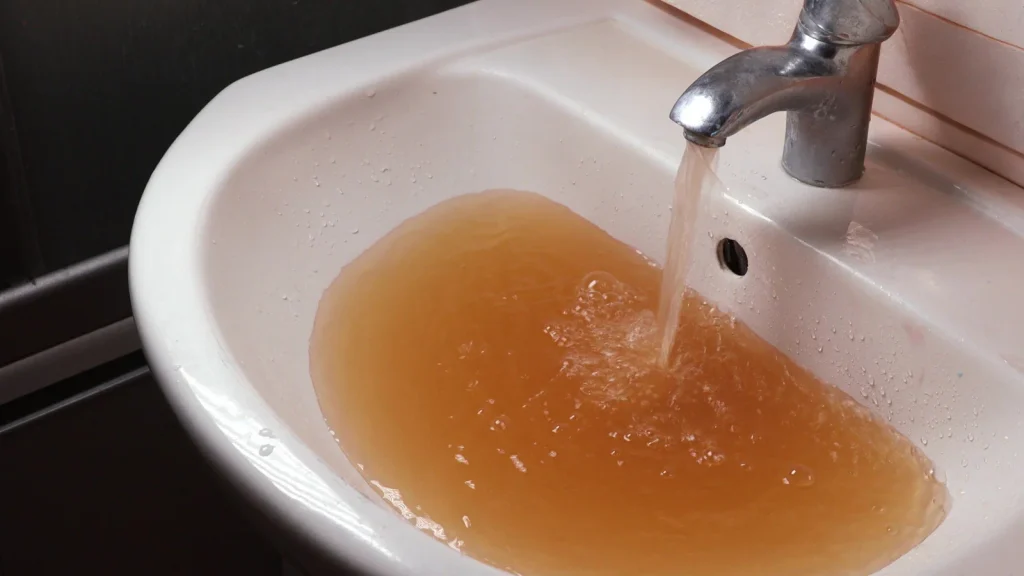
When stubborn breakouts erupt, skin turns persistently dry, or hair refuses to retain moisture, most daily routines target topicals. Shelves fill with replenishing creams, barrier-repair serums, clarifying shampoos, and deep-conditioning masks. Yet one underlying factor touches your dermal tissue and scalp twice daily with substantial chemical force: the domestic water supply flowing from your showerhead and sink taps.
Every rinse deposits trace minerals, disinfectants, dissolved solids, and varying pH values across the human integumentary system. While public utilities treat municipal supplies to meet baseline potable safety, the chemical baseline required for ingestion does not always match optimal physiological health for delicate dermatological barriers. Understanding the biological interface between domestic water parameters and dermal mechanics reveals why systemic water changes often succeed where conventional cosmetic adjustments fail.
The Chemistry of Tap Water: Minerals, Oxidants, and Contaminants
Tap water is rarely simple H2O. Depending on regional geological aquifers and municipal treatment infrastructures, municipal and well supplies carry intricate cocktails of dissolved compounds. The primary elements interacting with skin and hair follicles include:
- Hardness Minerals: Predominantly dissolved calcium (Ca2+) and magnesium (Mg2+) cations leached from limestone, chalk, and gypsum bedrock.
- Disinfection Byproducts and Chemical Oxidants: Free chlorine and chloramines introduced during municipal sanitation to neutralize biological pathogens.
- Alkaline Buffering Agents: Carbonates, bicarbonates, and hydroxides that shift water pH above the neutral 7.0 threshold, frequently hovering between 7.8 and 8.5 to prevent distribution pipe corrosion.
- Heavy Metal Residues: Trace amounts of copper, iron, zinc, and lead dislodged from aging residential plumbing networks or service lines.
To examine standard domestic baseline values and learn how community distribution systems manage contamination, readers can consult broader water quality blog articles that analyze regional filtration benchmarks.
The Acid Mantle and Skin Barrier Mechanics Under Hard Water Exposure
The human epidermis relies on a specialized surface environment known as the acid mantle. This thin physiological film, composed of sebum, sweat, and microflora, maintains an optimal acidic pH between 4.5 and 5.5. This slight acidity sustains critical enzymes responsible for synthesizing barrier lipids (ceramides, cholesterol, and free fatty acids) while holding opportunistic pathogenic bacteria like Staphylococcus aureus at bay.
When hard, alkaline municipal water coats the skin, it destabilizes this physiological equilibrium in two distinct stages:
1. Saponification Disruption and Soap Scum Formation
Dissolved calcium and magnesium do not rinse cleanly when combined with ordinary fatty acid-based cleansing surfactants. Instead of dissolving into a free-rinsing emulsion, the multivalent metal cations bind to surfactant molecules to form an insoluble precipitate—calcium stearate, colloquially recognized as soap curd or soap scum.
This microcrystalline film adheres tenaciously to the stratum corneum. Rather than leaving the skin bare and clean, it leaves behind an occlusive mineral barrier that prevents topical moisturizers from penetrating while physically blocking follicular pores. Over weeks of repeated exposure, this residue triggers comedone formation, chronic micro-inflammation, and tactile roughness.
2. Protease Activation and Trans-Epidermal Water Loss (TEWL)
Alkaline water elevates stratum corneum pH for several hours post-shower. As skin surface pH drifts above 6.0, acidic-dependent lipid-processing enzymes deactivate, while alkaline-responsive kallikrein enzymes accelerate. These kallikreins rapidly degrade corneodesmosomes—the microscopic protein rivets holding dead skin cells together.
Premature degradation of these cellular junctions creates microscopic gaps in the protective barrier. The immediate consequence is heightened trans-epidermal water loss (TEWL). Moisture evaporates rapidly from the viable epidermal layers beneath, causing deep dehydration, pruritus (itching), and visible flaking. For patients predisposed to atopic dermatitis, eczema, or psoriasis, sustained hard water contact can turn manageable conditions into chronic, recalcitrant flare-ups.
Hair Follicle Degradation: Hardness, Porosity, and Chemical Deposition
Hair is an intricately structured biological fiber consisting of a central cortex wrapped in overlapping cuticle scales made of keratin proteins. In healthy conditions, these cuticle shingles lie flat and uniform, shielding the internal cortex and preserving internal moisture reserves.
Cuticle Lifting and Structural Brittleness
Like the stratum corneum, the hair shaft carries a naturally acidic isoelectric point near pH 3.7. Bathing hair in water with an elevated pH causes the keratin scales to swell, lift, and separate along the fiber axis. Once lifted, the cuticle shingles create microscopic friction points between adjacent strands, presenting visibly as severe tangling, dullness, frizz, and styling resistance.
Simultaneously, calcium and magnesium ions enter the porous, lifted shaft, binding to negatively charged keratin groups. This process, termed internal hair mineral calcification, stiffens the flexible keratin matrix. Hair loses its natural tensile strength and elasticity, snapping under minimal shear forces during routine brushing or heat-styling procedures.
Oxidative Damage from Residual Chlorine
Municipal chlorine serves a vital sanitary purpose, but residual oxidants strip natural sebum lipids that seal individual hair fibers. As lipid coats strip away, oxidative chemical degradation targets the melanin pigments responsible for natural hair color, causing premature fading in natural shades and rapid oxidation or brassiness in chemically treated hair.
Furthermore, trace dissolved copper in residential pipes acts as an inorganic catalyst. In the presence of ambient UV light or hair-lightening peroxides, accumulated copper deposits catalyze free-radical reactions that cleave disulfide bonds inside the cortex, inducing persistent structural degradation. Property owners seeking precise contaminant verification frequently rely on check my Bronx drinking water for lead to identify potential risks before installing whole-house filtration.
Heavy Metals and Plumbing Infrastructure Risks
While minerals and chlorine directly impact daily barrier texture, heavy metal contaminants present systemic health challenges that mandate objective evaluation. In older residential neighborhoods built before modern lead bans, aging infrastructure presents persistent municipal piping hazards.
For instance, an urban resident might suspect historic distribution lines and need to check my Bronx drinking water for lead during a comprehensive home safety overhaul. When metals leach from corroded service lines, they present distinct risks across both dermal contact zones and everyday ingestion points. Anyone navigating these complex structural challenges should consult comprehensive drinking water safety resources to review municipal compliance records, service line inventory maps, and certified testing options.
Federal Safety Baselines vs. Personal Wellness Thresholds
Municipal water suppliers operate strictly within boundaries outlined by federal oversight. The historic Safe Drinking Water Act statutory provisions authorize national oversight bodies to set protective thresholds for microbial pathogens, volatile organic compounds, synthetic chemicals, and heavy metals.
Under these federal mandates, water systems must comply with defined EPA drinking water regulations and compliance rules that establish National Primary Drinking Water Regulations (NPDWRs). These rules enforce legal maximum contaminant levels (MCLs) focused on long-term systemic toxicological safety.
Crucially, water hardness minerals (calcium and magnesium) are categorized under National Secondary Drinking Water Regulations (NSDWRs)—unenforceable cosmetic and aesthetic guidelines. Because hardness minerals pose no direct internal toxicity upon ingestion, municipal utilities rarely remove them due to massive municipal infrastructure and chemical costs. Therefore, water that fully complies with every federal potable safety law can still severely compromise human skin barriers and destabilize hair follicles.
Diagnostic Signs of Water-Induced Dermal and Capillary Stress
Determining whether tap water is actively damaging skin and hair requires observing mechanical and physical clues across your household and personal care routine:
- Persistent Post-Cleanse Tightness: Feeling an intense pulling sensation across facial skin within five minutes after washing, even when using non-foaming, gentle cleansers.
- Stubborn Soap Residue on Glass: Heavy white or chalky mineral rings accumulating along shower doors, chrome fixtures, and sinks that require acidic descalers to remove.
- Sudden Cleanser Resistance: Shampoos and body washes failing to produce rich lather without disproportionate product volume, followed by a squeaky or slick film that resists rinsing.
- Rapid Discoloration of Dyed Strands: Expensive salon colorings shifting brassy, greenish, or muddy within two to three washes post-treatment.
- Unresponsive Dandruff-Like Flaking: Scalp irritation and flaking that fails to respond to zinc pyrithione, ketoconazole, or selenium sulfide shampoos, indicating mechanical barrier breakdown rather than fungal proliferation.
For specific troubleshooting guidance regarding uncommon symptoms or regional variations, reviewing an authoritative water testing and safety FAQ helps isolate specific environmental triggers from standard biological dermatoses.
Comprehensive Remediation: Mechanical and Biochemical Strategies
Resolving water-induced skin and hair issues requires a dual approach: addressing incoming supply chemistry at the plumbing level while adjusting topical personal care routines to neutralize unavoidable mineral contact.
1. Point-of-Entry (Whole-House) Water Softeners
The definitive gold-standard solution for hard water is a point-of-entry ion-exchange water softener. These systems route water through pressurized resin tanks packed with sodium- or potassium-charged polystyrene beads. As hard water passes through, calcium and magnesium cations displace sodium ions, binding firmly to the resin bed. The softened water leaves plumbing lines chemically free of divalent hardness minerals, permanently eliminating soap scum formation and preserving the skin acid mantle.
2. Point-of-Use Showerhead Filters: Capabilities and Limitations
Many consumers opt for screw-on shower filters, particularly in rented apartments where whole-house modifications are prohibited. It is essential to understand their operational chemistry:
- KDF (Kinetic Degradation Fluxion): High-purity copper-zinc granules that utilize redox reactions to neutralize free chlorine and convert dissolved heavy metals. These filters operate effectively under high temperatures and flow rates.
- Activated Carbon: Highly porous media that adsorbs chloramines, organic compounds, and unpleasant odors, though performance diminishes in hot water environments.
- The Softening Fallacy: Standard compact shower filters cannot soften water. Removing calcium and magnesium ions requires substantial contact time and chemical exchange volume that small shower cartridges cannot physically provide. Shower filters excel at chlorine neutralization, but addressing true hardness requires true ion exchange.
3. Dermatological and Hair Care Adjustments
If plumbing interventions are unfeasible, targeted topical adaptations can mitigate mineral damage:
- Synthetic Syndet Bars: Replace traditional cold-process vegetable and tallow soaps with synthetic detergent bars (syndets) formulated with isethionates or amphoteric surfactants. These compounds maintain an acidic pH and do not precipitate into soap scum.
- Chelating Agents: Incorporate clarifying hair rinses and shampoos formulated with ethylenediaminetetraacetic acid (EDTA), tetrasodium EDTA, or citric acid once weekly to break down bound mineral deposits on hair shafts.
- Acidic Balancing Sprays: Apply a diluted apple cider vinegar rinse (one part vinegar to eight parts water) or an acidic balancing toner (pH 4.5–5.0) immediately after cleansing to restore the epidermal acid mantle.
- Occlusive Lipid Restorers: Apply moisturizers rich in physiologic barrier lipids (ceramide NP, ceramide AP, cholesterol, and linoleic fatty acids) while the skin remains slightly damp to prevent TEWL.
Taking Control of Your Home Water Environment
Achieving healthy, resilient skin and vibrant hair requires looking beyond topicals to evaluate the water running through your daily routine. By identifying trace minerals, chemical disinfectants, and pipeline residues, homeowners and renters can stop treating persistent symptoms and solve underlying causes.
If you observe persistent irritation, unmanageable flaking, or unexplained physical changes that resist ordinary topical interventions, seek professional advice. Dermatologists can diagnose and treat underlying skin conditions, while homeowners seeking specialized testing and filtration solutions can contact us to assess local water parameters and implement effective treatment options.