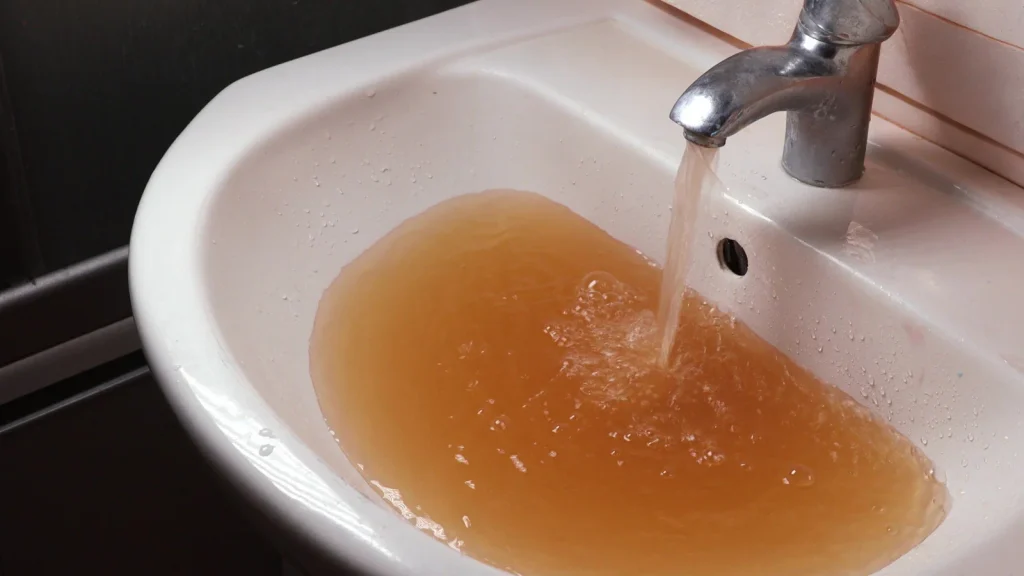
Clean running water is often taken for granted until a glass poured from the kitchen tap displays an unexpected cloudiness, an odd chemical odor, or a metallic bite. Across suburban neighborhoods and bustling urban corridors, drinking water passes through miles of aging distribution mains, private service laterals, and interior plumbing before reaching residential fixtures. Even when utility suppliers comply with federal baseline standards, local factors such as pipe corrosion, private well vulnerabilities, and unmonitored microbial growth can degrade water quality right at the point of consumption.
Protecting household health and domestic plumbing infrastructure requires moving away from reactive troubleshooting toward a systematic strategy. Establishing an actionable home water quality plan provides a predictable framework to identify hidden risks, select targeted purification equipment, and preserve system efficacy over decades. By treating water management as an essential pillar of residential ownership, property owners gain long-term confidence in every drop used for cooking, bathing, and drinking.
Establishing the Baseline: Sourcing and Vulnerability Assessment
Every reliable residential water strategy begins with understanding the origin of your supply. Domestic water generally comes from two primary sources: regulated municipal water systems or private groundwater wells. The source directly dictates regulatory protections, probable contaminant profiles, and the initial inspection steps required of the homeowner.
Municipal water suppliers fall under the mandate of the Safe Drinking Water Act and must satisfy established National Primary Drinking Water Regulations. These federal benchmarks set legally enforceable Maximum Contaminant Levels (MCLs) for biological pathogens, volatile organic compounds, synthetic chemicals, and heavy metals. Municipalities publish annual Consumer Confidence Reports (CCRs) outlining detected concentrations in regional reservoirs or aquifer fields. However, these utility reports only reflect water quality at the central treatment facility and main distribution channels, completely omitting what happens once water enters private property.
In contrast, private well owners operate entirely outside municipal oversight. Well systems rely on unmonitored groundwater aquifers that remain vulnerable to agricultural runoff, septic system seepage, and industrial solvent intrusion. Reviewing formal EPA recommendations for private well owners demonstrates why private supply requires independent vigilance, including systematic annual laboratory analyses and rigorous physical wellhead integrity inspections.
Beyond source characteristics, structural materials within the home introduce profound secondary vulnerabilities. The architectural era of your home provides vital clues regarding plumbing risks:
- Pre-1986 Constructions: Frequently contain unlined lead service lines, lead-based solder joining copper pipes, or galvanized steel piping coated with lead-bearing zinc layers.
- Homes Built Between 1986 and 2014: Benefited from initial solder bans but may still feature brass alloy fixtures containing up to 8 percent lead by weight prior to stricter federal revisions enacted in 2014.
- Modern Homes: Primarily feature cross-linked polyethylene (PEX) or modern copper. While largely immune to heavy metal leaching, these homes can experience issues with aggressive mineral scaling, aesthetic discoloration, or disinfection byproduct accumulation.
The Diagnostic Phase: Comprehensive Testing Protocols
Effective treatment begins with precise diagnostic testing. Installing generic water filters without testing often leads to mismatched technology, premature filter clogging, and unaddressed health risks. Diagnostic evaluations must combine certified laboratory analysis with focused field assessments.
Home test strips and color-matching reagent kits provide rapid qualitative evaluations for basic metrics like general hardness, pH imbalances, and free chlorine residuals. However, their detection limits remain far too coarse to evaluate toxic heavy metals, synthetic per- and polyfluoroalkyl substances (PFAS), or micro-quantities of volatile organic compounds. Legally defensible and health-protective insights demand certified laboratory processing using EPA-approved methodologies such as inductively coupled plasma mass spectrometry (ICP-MS).
When collecting samples for professional verification, homeowners must adhere to strict handling standards to avoid skewing data:
- First-Draw Testing: Collect water immediately after it has sat dormant in interior pipes for a minimum of six to eight hours without fixture usage. This protocol isolates metals that have leached directly from interior plumbing and brass faucets.
- Flushed Sampling: Run the fixture on cold for two to three minutes until the temperature stabilizes before filling the collection container. This evaluates the chemical baseline of incoming municipal or well water free from interior pipe residency influence.
- Wellhead and Point-of-Entry Analysis: Draw samples directly from an unsoftened bypass faucet upstream of any whole-house filtration hardware to establish raw feedwater characteristics.
Location-specific testing often reveals nuanced variations influenced by regional geography, climate, and municipal distribution practices. For instance, urban residents navigating century-old distribution grids frequently book specialized evaluations, such as on-site drinking water testing in Queens, to catch localized pipe erosion and post-filtration biological stagnation that municipal reports never capture. If localized testing reveals unidentifiable odors, discolored water, or unexpected sediment, homeowners can contact our water specialists to interpret multi-parameter laboratory findings into an actionable engineering schematic.
Interpreting Results and Profiling Common Contaminants
Laboratory findings typically produce a complex array of chemical symbols, numerical values, and comparative regulatory columns. Understanding these metrics is essential for diagnosing potential water quality risks. For an extensive examination of these critical thresholds, consult our comprehensive water quality fundamentals guide.
To prioritize treatment, contaminants are classified into distinct categories based on origin and operational impact:
Primary Health Hazards
Primary hazards pose direct health concerns across acute and chronic exposure windows. Microorganisms such as Escherichia coli, Giardia lamblia, and Cryptosporidium indicate active fecal contamination or treatment barrier failures. Heavy metals, particularly lead and copper, enter drinking water when corrosive water attacks older distribution systems. Examining the EPA Lead and Copper Rule compliance details highlights how chemical water stabilization prevents catastrophic metal leaching. For broader context on industrial solvents, nitrates, and disinfection byproducts like trihalomethanes, explore our educational overview of common contaminants. Property owners seeking precise contaminant verification frequently rely on On-site drinking water testing in Queens to identify potential risks before installing whole-house filtration.
Secondary and Aesthetic Parameters
Secondary standards regulate characteristics that do not directly endanger human wellness but compromise household quality of life and damage appliances. High mineral hardness—primarily calcium carbonate and magnesium—forms chalky scale inside water heaters, dishwasher elements, and shower fixtures, dramatically decreasing heating efficiency. Excess iron and manganese impart a bitter metallic taste, turn water amber or black, and permanently stain porcelain sinks. Additionally, low water pH (below 6.5) creates acidic conditions that dissolve copper piping, manifesting as distinctive blue-green staining around sink drains.
Infrastructure and Age-Related Dynamics
Plumbing age profoundly influences contaminant exposure profiles. Older multi-family buildings and classic residences frequently struggle with galvanic corrosion, decaying iron risers, and structural dead-legs that harbor opportunistic pathogens. Navigating these unique residential configurations requires specialized remediation tactics, which are detailed in our dedicated guide covering water quality in older buildings.
Designing a Multi-Stage Water Treatment Architecture
No individual treatment device can address every chemical compound, microbial pathogen, and aesthetic blemish. Designing an effective residential system requires combining multiple technologies into a cohesive, multi-barrier purification train. Treatment equipment is organized into two primary formats: Point-of-Entry (POE) systems that treat all water entering the house, and Point-of-Use (POU) systems that purify water at designated drinking taps.
A resilient household treatment system generally incorporates several complementary treatment stages:
- Mechanical Sediment Filtration (POE): Functions as the primary gatekeeper. Spun polypropylene, pleated polyester, or backwashing media traps sand, rust flakes, and particulate debris down to 5 to 20 microns. This stage protects sensitive downstream valves, softening resins, and carbon blocks from physical clogging.
- Activated Catalytic Carbon (POE/POU): Employs porous carbon matrices to adsorb chlorine, chloramines, foul odors, volatile organic compounds, pesticides, and industrial solvents. Catalytic carbon is especially critical for breaking down chloramines, which standard granular carbon struggles to capture.
- Ion-Exchange Water Softening (POE): Replaces scaling calcium and magnesium ions with harmless sodium or potassium ions using charged polystyrene beads. This eliminates limescale, preserves heat exchanger efficiency, and prolongs appliance service lifespans.
- High-Pressure Reverse Osmosis (POU): Pushes water across a semi-permeable membrane with pores sized around 0.0001 microns. Reverse osmosis strips away up to 99 percent of dissolved mineral salts, nitrates, lead, arsenic, fluoride, microplastics, and emerging PFAS molecules.
- Ultraviolet (UV) Disinfection (POE): Employs germicidal 254-nanometer UV radiation to alter the DNA of bacteria, viruses, and parasitic cysts, rendering them sterile and harmless without introducing chemical byproducts. UV systems require clear, sediment-free feedwater to prevent particulate shadowing.
Proper system design matches flow rates (measured in gallons per minute) and water pressure tolerances to household demands. Undersizing a system causes noticeable pressure drops during peak water use, while oversizing can cause stagnant internal flow channels and poor filtration performance. Homeowners exploring emerging technologies or seeking broader industry perspectives can consult the Water Quality Journal for ongoing coverage of residential water systems.
Preventative Maintenance and Lifecycle Management
Installing high-performance water treatment hardware represents only half the challenge; without disciplined preventative maintenance, treatment equipment can rapidly become a breeding ground for bacteria or suffer complete mechanical breakdown. Spent carbon filters lose their adsorption capacity, clogged membranes tear under pressure, and exhausted softening resins foul permanently.
To maintain peak operating efficiency, every household should establish a documented maintenance schedule matched to manufacturer specifications and actual water usage patterns:
- Monthly Verification: Inspect system pressure differentials across sediment pre-filters. Check salt levels in the water softener brine tank, breaking up any salt bridges or hardened crusts. Verify that UV lamp ballast indicator lights confirm continuous bulb operation.
- Quarterly to Semi-Annual Procedures: Replace mechanical sediment cartridges and inline carbon blocks. Clean internal brine tank components and check RO drain line flow restrictors for particulate blockage.
- Annual Servicing: Replace ultraviolet quartz sleeves and lamps, as lamp germicidal output degrades after roughly 9,000 hours of continuous operation even if visible illumination continues. Sanitize reverse osmosis holding tanks with food-grade sanitizing solutions, test feedwater pressure, and replace RO polishing filters.
- Multi-Year Overhauls: Test reverse osmosis rejection efficiency using a calibrated Total Dissolved Solids (TDS) meter; replace the primary RO membrane when rejection falls below 85 to 90 percent (typically every three to five years). Rebed whole-house backwashing carbon tanks and clean or replenish softening resins exposed to heavy iron or chlorine concentrations.
The Ongoing Surveillance Plan: Routine Retesting and Diagnostics
Water chemistry is dynamic, shifting with changing seasonal precipitation, municipal treatment adjustments, pipe repairs, and fluctuating underground aquifers. A comprehensive home water quality plan must treat surveillance as a recurring protective cycle rather than a one-time project.
Municipal users should perform focused laboratory retesting every two to three years, paying close attention to lead, copper, and disinfection byproduct levels. Private well operators must complete an annual laboratory screening for coliform bacteria, nitrates, total dissolved solids, and pH, ideally during spring thaw or periods of heavy rain when surface infiltration peaks.
Immediate diagnostic testing should be scheduled under specific triggering conditions:
- Following local plumbing disruptions, water main breaks, or municipal boil-water advisories.
- Whenever unexplained changes in water taste, optical clarity, or odor occur.
- After completing major interior plumbing remodels involving pipe cutting, soldering, or fixture replacements.
- Prior to bringing a newborn infant home, ensuring nitrate and lead concentrations fall well within verified safety margins.
- If regional agricultural, hydraulic fracturing, or heavy industrial operations expand near your local aquifer.
Securing Long-Term Water Resilience
Developing a comprehensive home water quality strategy replaces uncertainty with control. By methodically diagnosing your source water, identifying plumbing vulnerabilities, deploying engineered treatment technologies, and adhering to strict maintenance schedules, you protect both your family’s health and your home’s mechanical systems. Clean, safe water is not an accident of municipal delivery or rural luck; it is the direct outcome of an intentional, well-maintained home water quality plan.