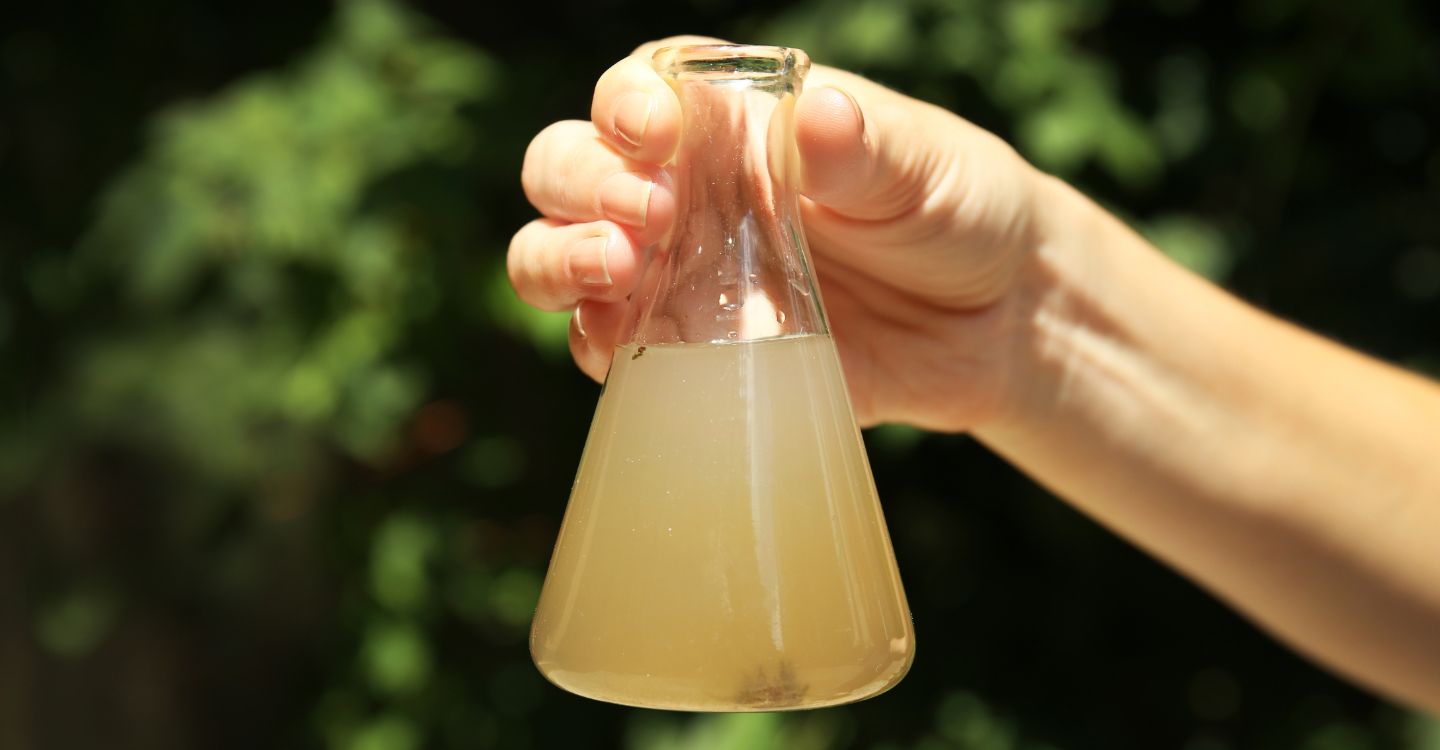
Researchers have identified the threat of forever chemicals to clean water, wildlife, and public health. PFAS contamination is widespread, spanning continents, and defies natural decay. This leads to accumulation in food supplies, posing significant risks.
Experts caution that PFAS contamination could overwhelm health services in the future. The findings in this report highlight the critical need for collective action. By combining their expertise, industry partners and local communities can mitigate these risks.
Key Takeaways
- Forever chemicals persist in water and soil.
- PFAS contamination affects both the environment and human well-being.
- They bioaccumulate, which raises long-term health concerns.
- Coordinated efforts help reduce the damage.
- Public awareness fosters proactive solutions.
Defining PFAS and Their Global Significance
PFAS compounds have a unique carbon-fluorine backbone that makes them resistant to breakdown in soil and water. Initially valued for their ability to repel oil and moisture, the PFAS crisis has highlighted their possible harm to ecosystems. Their widespread use has contaminated consumer goods, food packaging, and groundwater.
Chemical Properties and Persistence
These substances withstand extreme heat and acidic environments due to their strong bonds. Their durability means they persist in wildlife habitats, posing ongoing environmental challenges. Scientists are working to fully understand their impact, shedding light on their role in environmental issues.
Implications for Public Health
Studies indicate a connection between PFAS and higher cancer and immune disorder risks. The effects on children’s development are a particular concern, leading to calls for stricter regulations globally. Communities are seeking accurate information to mitigate the risks of long-term exposure.
Global Regulatory Perspectives on PFAS
Nations worldwide are taking action against PFAS, driven by growing concerns. The European Union has implemented a class-based policy, setting strict limits across various sectors. In contrast, some U.S. states have banned these chemicals in consumer products, aiming for broader protection. The debate continues, with agencies divided on balancing public safety with economic factors.
PFAS regulations differ significantly between national and regional authorities. This creates uncertainty for companies operating globally. Experts and advocacy groups stress the importance of uniform regulations to safeguard communities globally. A unified system could streamline compliance and lower contamination risks.
For companies with international operations, navigating these complex guidelines is a significant challenge. International cooperation could alleviate this burden by establishing universal PFAS regulations. Such alignment could encourage the development of cleaner technologies and promote safer consumer choices.
| Region | Key Approach | Notable Action |
| European Union | Class-Based Policy | Stricter Limits on Nonessential PFAS |
| United States | State-Led Bans | Consumer Goods Restrictions |
| Other Countries | Various Guidelines | Proposals for Nationwide Controls |
Industrial Usage and Pollution Hotspots
PFAS chemicals are used in products to make surfaces waterproof and fire-resistant. Manufacturers use these compounds to meet consumer demands, but their release is a cause for concern about industrial pollution. Facilities often release contaminated water into nearby ecosystems, raising health concerns for communities.
Common Industries Relying on PFAS
Companies like DuPont and 3M use PFAS for paper coatings, firefighting foam, and textiles. Pulp and paper mills use them for grease-resistant packaging. Textile plants apply PFAS in jackets and uniforms. Plastic producers use them to improve surface finishes. These uses contribute to advanced goods but may also pose hidden hazards.
Identifying Regions Most Impacted
Factories in the Rust Belt and Gulf Coast industrial zones often show higher contamination levels. Paper mills in Maine and textile hubs in North Carolina also have elevated PFAS levels. Local groundwater tests indicate that neighborhoods around these hotspots face ongoing exposure. This highlights the need for enhanced waste management.
| Industry | Primary PFAS Use | Source of Discharge |
| Pulp & Paper | Coating Applications | Wastewater Effluent |
| Textile | Waterproof Fabrics | Dyebath Runoff |
| Plastics | Surface Enhancements | Industrial Byproducts |
Economic Impacts of PFAS Cleanup Efforts
Municipalities and water utilities face massive expenses for advanced filtration systems and soil remediation. This financial strain affects governments, industries, and taxpayers. DuPont and other corporations are also facing significant legal costs due to PFAS-related lawsuits.
Experts suggest that PFAS solutions like new filtration technologies and bioremediation can help manage costs. Regulators advocate for cost-sharing plans to distribute the financial burden. Studies indicate that proactive measures can lead to long-term savings, prioritizing public health and environmental protection.
| Cleanup Category | Description | Potential Cost Range |
| Water Filtration | Upgraded systems designed to remove persistent chemicals | Millions to billions (USD) |
| Soil Remediation | Treatment tactics for contaminated land | Significant site-based expenses |
| Corporate Settlements | Legal and financial obligations from lawsuits | Varies by scope of liability |
Public Awareness and Community Action
Across the United States, communities are questioning safety measures and chemical disclosure. Local groups and nonprofits, like the Environmental Working Group, push for more PFAS awareness. They focus on health risks from these pollutants.
Grassroots Movements Influencing Policy
Neighborhood forums, online petitions, and rallies urge lawmakers for stricter standards. Residents often write letters to demand accountability from big manufacturers. Legal actions, like class-action lawsuits, stress the need to clean up drinking water and products.
The Role of Media in Shaping Perceptions
Newspapers and TV have highlighted PFAS dangers through investigative pieces. Journalists reveal environmental breaches and share family stories of tainted water. This media coverage prompts federal and state agencies to review their guidelines. It also boosts community involvement in PFAS issues.
Key Worldwide Case Studies on Forever Chemicals
Nations globally tackle persistent pollutants with varied strategies. Europe has implemented broad bans and invested heavily in research to minimize exposure. Asia, on the other hand, has refined PFAS remediation tools while expanding industrial production. These approaches underscore the different paths to managing these harmful substances.
Europe’s Progressive Measures
The European Union is at the forefront with class-based bans on PFAS. This approach goes beyond individual compounds, reducing their use across various sectors. The EU’s wide-ranging regulations are integrated into daily operations, lowering consumer risks and driving research into safer alternatives.
Innovations Emerging in Asia
Asia’s rapid industrial growth necessitates immediate solutions for PFAS remediation. Countries are investing in advanced wastewater systems, using next-generation filtration materials, and deploying microorganisms to break down contaminated sites. These innovative strategies reflect a shared commitment to safeguard communities and protect water resources.
Emerging Technologies for PFAS Detection
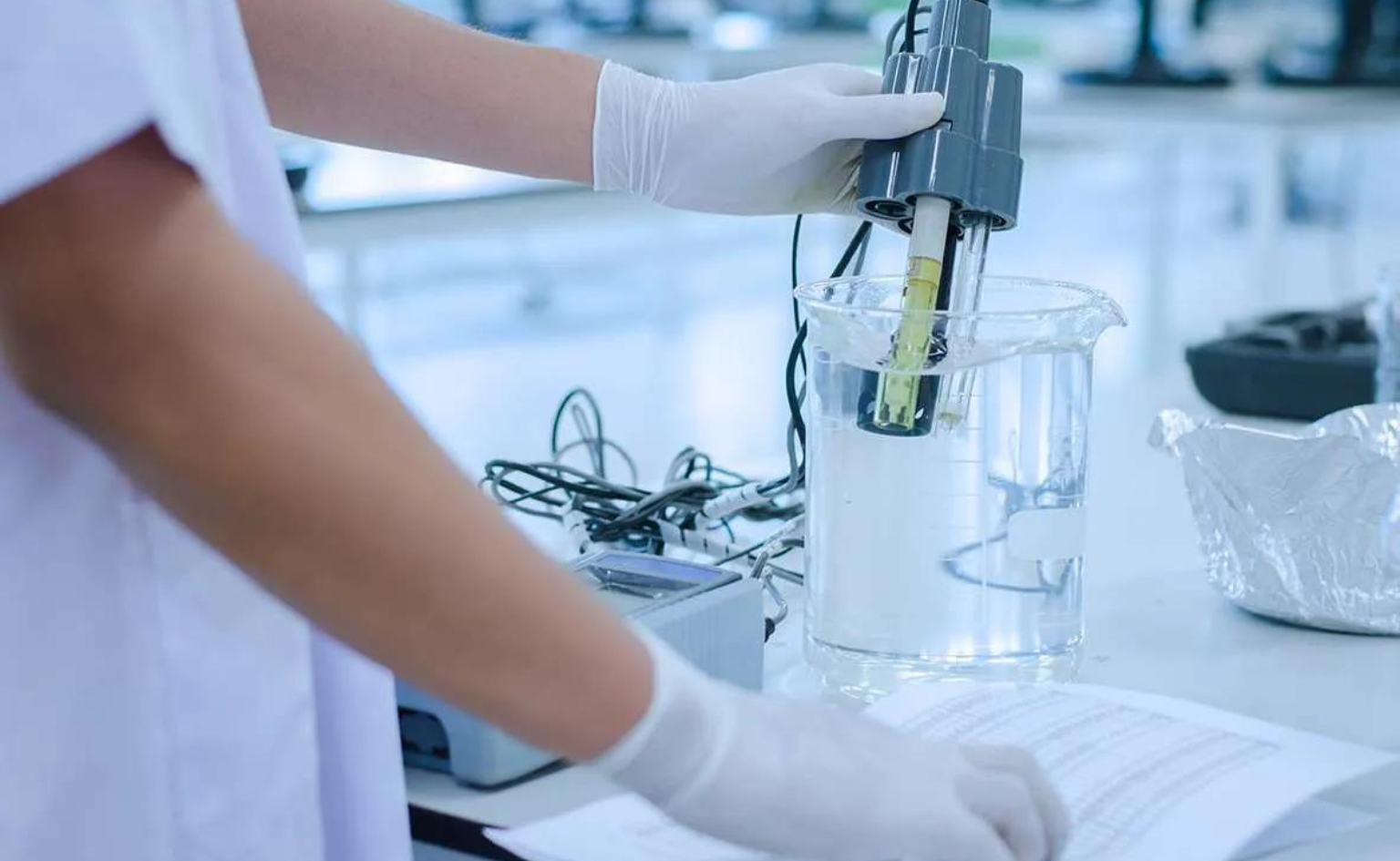
Scientists and industry leaders are on the hunt for faster, more precise methods to detect PFAS. Tools like high-performance liquid chromatography with tandem mass spectrometry (HPLC-MS/MS) are being used to find tiny traces in water and soil. These advanced methods can uncover hidden precursors, providing a clearer picture of risks to communities.
New approaches include total oxidizable precursors and particle-induced gamma emission (PIGE) techniques. Field-ready test kits and remote sensing devices are making it quicker to get results. At the University of Chicago, researchers are working on miniature sensors. For more on this, visit tiny sensor technology.
Some labs are now using parallel testing methods to boost confidence in PFAS detection. This approach helps pinpoint contamination hotspots, leading to targeted cleanups. The goal is to make these technologies more accessible, encouraging their wider use.
International Collaboration for Policy and Innovation
Global networks bring fresh ideas to strengthen safeguards. Through partnerships, labs, governments, and advocacy groups explore new solutions for PFAS control. Industry leaders share data, fostering balanced regulations that reduce chemical release into water and soil.
Joint Research Initiatives
Universities and think tanks combine their expertise to refine testing tools for detecting PFAS in remote areas. The OECD funds projects to compare toxicity levels across studies. NGO-led coalitions unite community activists and scientists, creating open platforms to document exposure patterns and advocate for safer alternatives.
Cross-Border Regulatory Agreements
Agencies sign treaties to set consistent PFAS standards. These agreements prevent fragmented oversight. Environment ministries work with the private sector to align product labeling, limiting hidden chemicals in global markets. These efforts increase public trust and support long-term strategies.
Below is an overview of key global partnerships advancing PFAS knowledge exchange:
| Organization | Primary Role | Key Outcome |
| OECD | Coordinates research funding | Unified standards in cross-border policy |
| United Nations Environment Programme (UNEP) | Facilitates data sharing | Wider reach of policy reforms |
| Environmental Working Group | Engages public awareness | Community-driven protective measures |
Legal Battles Shaping PFAS Liability
Attorneys from various regions have taken on major manufacturers in PFAS litigation, achieving record-breaking verdicts. This trend shows a growing public call for corporate accountability.
High-Profile Lawsuits Around the World
Lawsuits against 3M and DuPont have raised public awareness of hidden water risks. Cases in multiple countries highlight the global scope of legal actions against companies accused of hiding chemical dangers. Judges have approved settlements worth millions or billions of dollars. These funds are used for community cleanup projects.
Corporate Accountability and Settlements
Increased scrutiny is pushing companies to explore safer alternatives. PFAS litigation has led to changes in corporate practices, including more transparent disclosures. Companies facing lawsuits often work with local authorities to address contamination and protect water sources. These settlements also support research into new treatment methods, aiming to safeguard human health. This cooperation builds trust and opens the door to lasting environmental solutions.
Comparing United States’ Strategies to Global Examples
States like Maine and Minnesota have taken proactive steps by banning PFAS in certain products. Their efforts aim to shield citizens from the dangers posed by these chemicals. In contrast, the federal government has adopted a more limited approach, focusing on a few specific compounds. This disparity shows how local initiatives can swiftly address public health concerns, often ahead of broader national policies.
The European Union, on the other hand, has implemented a more expansive strategy for managing PFAS. By regulating entire chemical classes, the EU is pushing for a significant reduction in persistent pollution. This global model is gaining attention from scientists and policymakers alike. It highlights the importance of a unified approach to address the growing health risks associated with PFAS. Combining local, federal, and international efforts could lead to more robust environmental protections.
- State-led restrictions often go beyond federal measures
- EU regulations place tighter limits on entire chemical classes
- A combined approach may yield more consistent outcomes
| Region | Approach | Key Focus |
| United States (Federal) | Targeted Limits | Addresses selected PFAS but lacks class-wide rules |
| Maine | State Bans | Restricts PFAS in consumer products |
| European Union | Comprehensive Controls | Seeks to manage entire chemical categories |
Obstacles to Effective PFAS Management
PFAS chemicals are challenging to manage due to varying safety levels across nations. The lack of a global standard hinders oversight, leading to delays in action. Communities face confusing rules, eroding trust and sparking uncertainty.
Lack of Standardized Guidelines
Agencies like the EPA and the European Commission issue different directives, causing inconsistencies. Industries struggle to meet these varied benchmarks, while manufacturers face difficulties in aligning production. This fragmentation hinders international cooperation and slows policy implementation.
Sample PFAS Guidelines
| Authority | Proposed PFAS Limit in Water |
| EPA (USA) | 70 ppt (Provisional) |
| European Commission | 20 ppt |
| Health Canada | 200 ppt |
Complexities in Long-Term Monitoring
Establishing and maintaining effective tracking systems is costly and requires skilled personnel. Testing labs face technological challenges and funding shortages. These obstacles hinder early detection, making it difficult to safeguard citizens from these persistent hazards.
Guidance for Policymakers and Advocates
Government leaders and public interest advocates can revolutionize how we handle environmentally persistent chemicals. Policy think tanks suggest adopting class-based rules for PFAS and similar compounds. This approach streamlines oversight, reduces costs, and enhances transparency. It also allows industries to adapt to new standards.
Environmental groups advocate for a rapid transition to safer alternatives. Essential actions include:
- Encouraging non-PFAS materials in sectors like packaging and textiles
- Offering research incentives for cutting-edge solutions
- Applying stricter bans to hold polluters fully accountable
- Expanding knowledge-sharing to unify best practices
Public awareness campaigns are vital for educating vulnerable populations in the United States. Advocates push for clear labeling and open data access. This empowers communities to make informed decisions. Incentives for cleaner production extend protective measures globally. This collective effort fosters a healthier environment and drives lasting change for future generations.
Practical Steps for U.S. Communities
Across the United States, communities are looking for simple ways to protect themselves from PFAS contamination. They often turn to approved testing and trusted filtration methods to ensure their water is safe. State health departments and groups like the Environmental Working Group offer guides and support.
Home Filtration and Testing Methods
Experts suggest using point-of-use filters with granulated activated carbon or reverse osmosis systems to lower PFAS levels. Certified labs offer testing for private wells. Early detection helps pinpoint contamination sources. Reducing use of products with stain-resistant treatments can also reduce exposure and health risks.
Staying Informed and Proactive
Local advisories, including those from the EPA, urge keeping up with PFAS hotspots. Grassroots efforts, like town hall forums and petitions, can lead to policy changes. Regular updates from health officials keep families informed about new research. Joining neighborhood networks strengthens advocacy for stricter standards, creating a healthier environment for all.
Moving Forward with a Coordinated Global Vision
PFAS demand urgent attention from international partnerships committed to greener paths. Scientists, government agencies, and industry must unite to create a strategy. This strategy aims to phase out forever chemicals for safer alternatives. Establishing worldwide standards and transparent reporting are key to tracking contamination effectively.
Green chemistry innovations can mitigate future harm. Sustained cleanup efforts ensure impacted areas receive the remediation they need. This collective action is vital for a healthier future.
Global coordination does more than safeguard public health; it benefits the environment and local economies. Collaboration improves funding strategies, guiding resources toward research and long-term solutions. This includes monitoring, accountability, and shared expertise to tackle pollution at its source.
A healthier future emerges when nations unite under a shared vision. This ensures every community—whether urban or rural—has access to clean water and a more sustainable tomorrow.
FAQ
What are PFAS, and why are they often called “forever chemicals”?
PFAS, or per- and polyfluoroalkyl substances, are chemicals that don’t break down naturally. Their strong bonds make them last forever, contaminating soil, water, and food. This is why they’re called “forever chemicals.” Studies by the U.S. Environmental Protection Agency (EPA) show they can build up in living things, posing health and environmental risks.
How do PFAS affect public health, and what are the most concerning impacts?
Exposure to PFAS can harm the immune system, cause developmental problems, and increase cancer risk. It can also affect the thyroid. Because PFAS stays in the body, long-term exposure, like from contaminated water, is a big health concern.
Which industries commonly rely on PFAS, and how do they contribute to pollution?
Many industries use PFAS, including firefighting foams, nonstick cookware, and water-resistant textiles. Companies like 3M and DuPont have made PFAS products, leading to pollution. Their waste can pollute land and water, creating pollution “hotspots” near chemical plants and airports.
Are there international regulations that limit PFAS production and discharge?
Different places have different rules. In the U.S., the EPA sets health advisories for PFAS. Some states, like Maine and Minnesota, have stricter rules or bans. The European Union is proposing wide PFAS restrictions. While rules vary, there’s a push to ban nonessential PFAS uses globally.
Why do PFAS persist in the environment, and how are they detected?
PFAS’s strong bonds make it last forever, even in harsh conditions. This makes cleanup hard. To find PFAS, scientists use HPLC-MS/MS. New methods, like test kits and remote sensing, help find and clean up contamination faster.
What are the economic implications of cleaning up PFAS contamination?
Cleaning up PFAS costs a lot, including installing filters. Lawsuits also cost companies money. To pay for cleanup, governments, industries, and communities are exploring cost-sharing. New technologies, like biosorption and microbial degradation, are also being developed.
Why are there often disparities in PFAS thresholds among different countries?
Each country sets its own PFAS limits based on research and economic factors. Without global standards, cleanup efforts are hard to coordinate. This leads to uneven enforcement and pollution “hotspots” where PFAS are not well regulated.
How can local communities minimize PFAS exposure and spur regulatory change?
People can use water filters at home and test wells for PFAS. Community groups hold town halls, run media campaigns, and petition for stricter laws. These efforts push industries and governments to focus on public health.
What steps are needed for a unified global response to PFAS challenges?
Countries need to work together on PFAS guidelines, funding, and sharing data. Global efforts, like research into phytoremediation and safer substitutes, can drive progress. By working together, we can fight PFAS pollution worldwide, protecting health globally.