New York City is often celebrated for having some of the highest-quality source water in the world. Sourced from the protected Catskill, Delaware, and Croton watersheds, the water that reaches the city’s massive distribution mains is remarkably pure. However, for many residents living in the five boroughs, the journey from the street to the kitchen sink is where the trouble begins. Despite billions of dollars in infrastructure investment, galvanized iron pipes—remnants of a building boom that took place over half a century ago—remain a primary culprit behind water quality failures at the tap.
While lead service lines often dominate the headlines, the internal plumbing of New York’s older housing stock tells a more complex story of chemical and biological degradation. Lab results from across the city show a consistent pattern: buildings with original galvanized systems suffer from higher rates of turbidity, heavy metal leaching, and, perhaps most concerningly, the depletion of protective disinfectants.
The Anatomy of a Galvanized Pipe
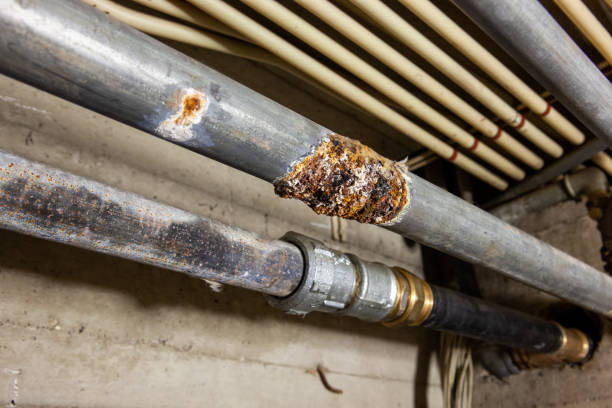
To understand why these pipes fail, one must understand their construction. Galvanized pipes are steel pipes that have been dipped in a protective coating of zinc to prevent rusting. While this was considered a gold standard in the mid-20th century, the protection is not permanent. Over decades, the zinc coating reacts with the water, eventually corroding away and exposing the raw iron underneath.
In the unique chemical environment of New York City, this corrosion process creates a “tubercule”—a jagged, crusty buildup of iron oxide and minerals inside the pipe. This doesn’t just restrict water flow; it turns the interior of the pipe into a massive, reactive surface. As we explore in our science section, these corroded surfaces act as a “sink” for chemical disinfectants like chlorine. The more corroded the pipe, the faster the chlorine is consumed, leaving the water without its primary defense against bacterial regrowth.
The Lead Connection: A Hidden Reservoir
One of the most insidious aspects of galvanized piping is its relationship with lead. Before the hazards of lead were fully understood, many service lines (the pipes connecting the building to the city main) were made of lead. Even if those exterior lines have since been replaced, the interior galvanized pipes have a “memory.”
Because the zinc coating on older galvanized pipes often contained small amounts of lead, and because lead from upstream service lines can leach into the water and become trapped in the iron rust of the galvanized pipe, these systems act as a reservoir. Even if the city’s water is lead-free when it enters the building, the internal galvanized plumbing can “re-contaminate” the water just inches before it exits the faucet. This phenomenon is a frequent highlight in our specialized reports regarding urban housing safety.
The Hot Water Loop and Bacterial Risks
The failures associated with galvanized pipes are rarely uniform across a building. There is a distinct disparity between hot and cold water taps. In NYC’s pre-war buildings, the hot water recirculating systems are often the most degraded. The heat accelerates the chemical reaction between the water and the iron, leading to rapid corrosion and a total loss of disinfectant residuals.
When the chlorine residual drops to zero—a common occurrence in these aging internal loops—it creates an opening for opportunistic pathogens like Legionella. The rough, pitted surface of a corroded galvanized pipe provides the perfect sanctuary for biofilms to anchor themselves, shielded from whatever residual disinfectant might remain. While the NYC Department of Environmental Protection (DEP) maintains rigorous standards for the city’s mains, they have no jurisdiction over the “last mile” of plumbing inside private property, leaving residents at the mercy of their building’s infrastructure.
A Local Crisis in Aging Infrastructure
This is not just a technical issue; it is a local health equity issue. New York City’s architectural heritage is one of its greatest assets, but it is also a liability when it comes to modern water standards. From the brownstones of Brooklyn to the massive apartment complexes of the Bronx, the prevalence of galvanized plumbing means that thousands of New Yorkers are drinking water that has been significantly altered by the pipes it travels through.
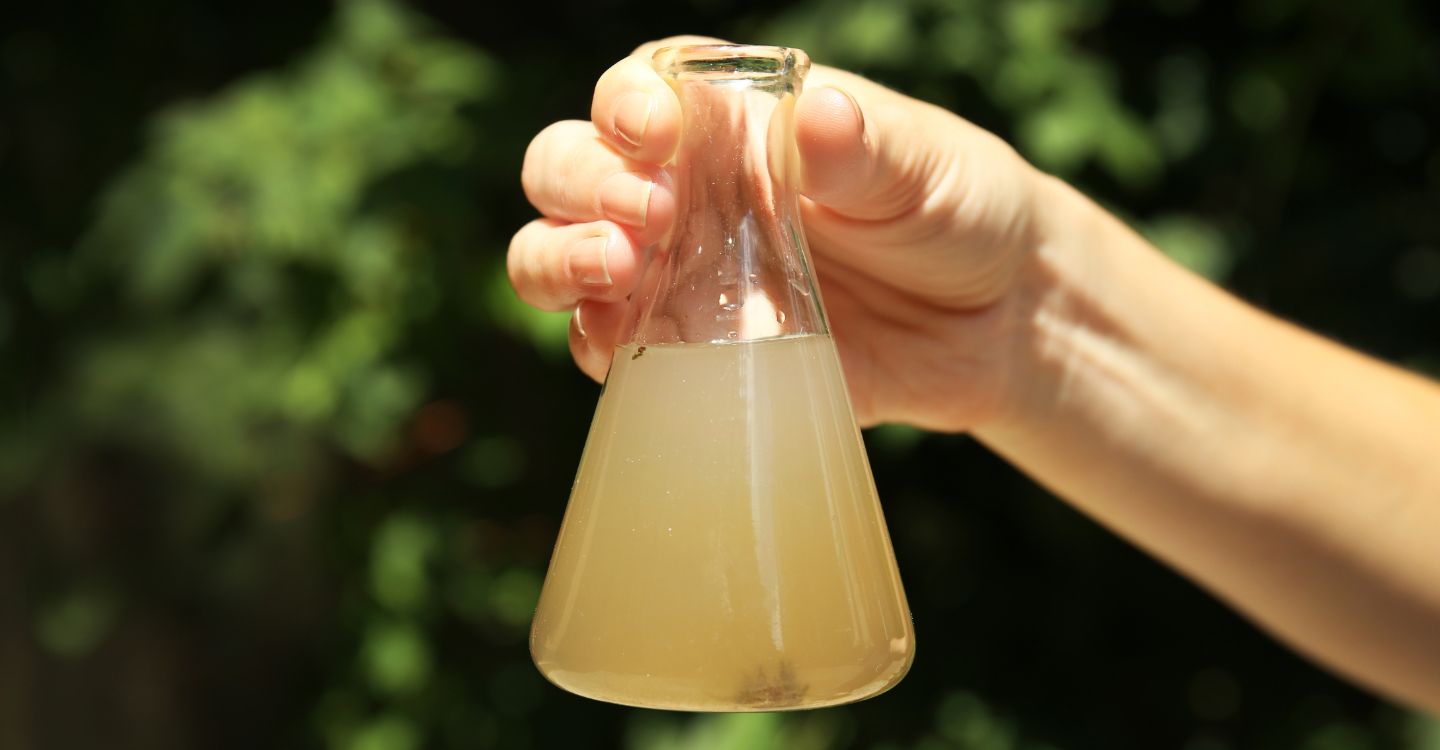
According to data from the NYC Open Data portal regarding water quality complaints, “discolored water” and “metallic taste” are among the most common grievances in neighborhoods with older building stock. These are the classic symptoms of galvanized pipe failure. When the iron rust flakes off, it creates the characteristic “rusty water” that many New Yorkers have come to accept as a fact of life, but which actually signals a total breakdown of the plumbing’s integrity.
The Financial and Structural Burden of Replacement
The solution—wholesale pipe replacement—is a daunting prospect for building owners. Replacing the risers and branch lines in a fully occupied NYC apartment building is a logistical nightmare and a massive financial undertaking. Consequently, many property managers rely on “band-aid” solutions like phosphate injection, which attempts to coat the interior of the pipes to prevent further corrosion.
However, lab trends suggest that these treatments are often inconsistent in large-scale galvanized systems. The sheer volume of rust and the complexity of the piping networks make it difficult for the protective coating to reach every corner of the system. This challenge is mirrored in many other aging metropolises, making it a prominent feature of our global issues tracking, where we compare how cities like Chicago, London, and New York handle the transition away from legacy metals.
Why Filtration Isn’t Always the Answer
Many residents turn to point-of-use filters (like pitcher filters or faucet mounts) to address the failures of their galvanized pipes. While these can be effective at removing lead and iron particles, they often come with a trade-off. By removing the remaining chlorine from the water, a poorly maintained filter can actually become a secondary breeding ground for bacteria if the water was already compromised by the building’s plumbing.
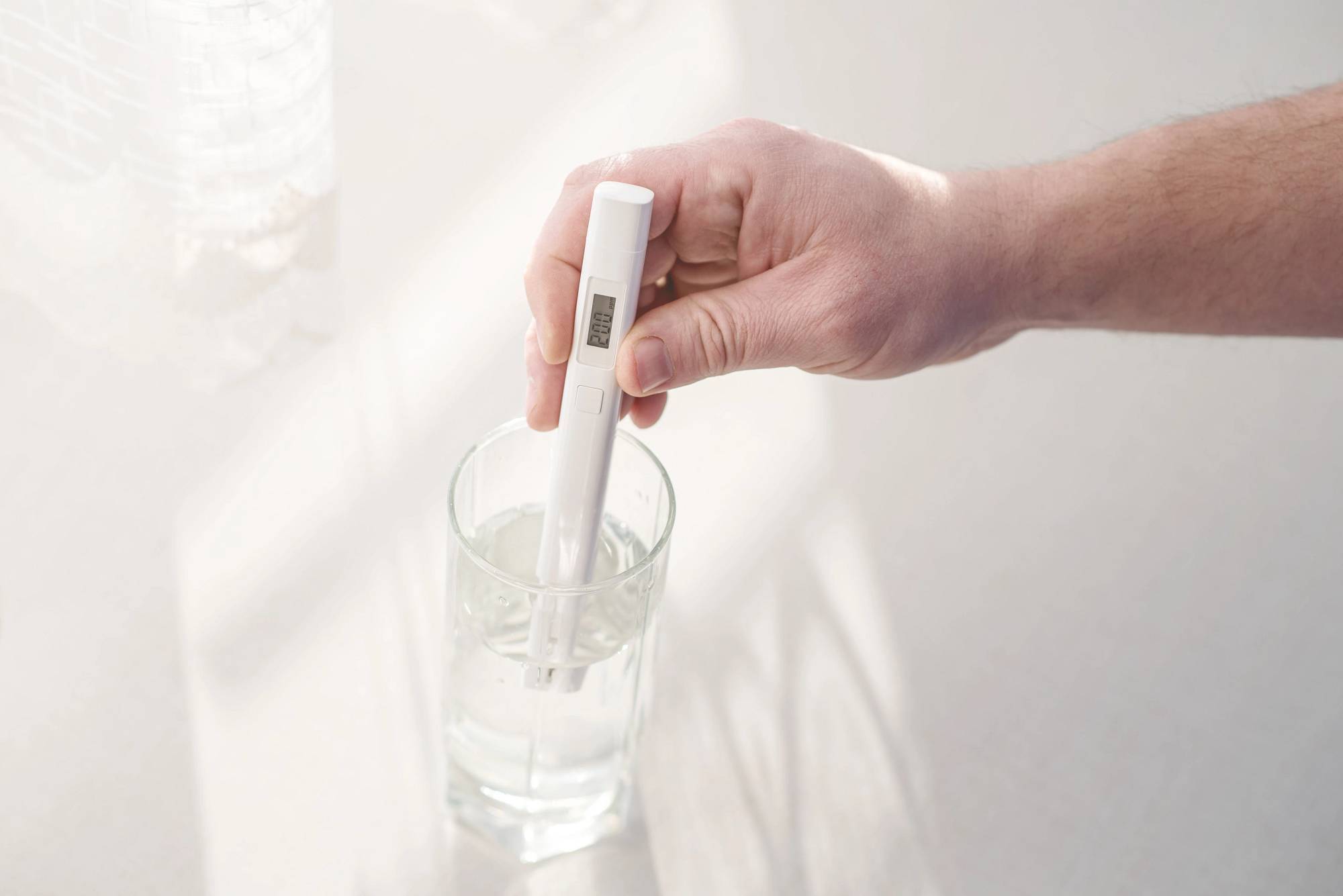
In buildings with significant galvanized degradation, a comprehensive water management plan is the only way to ensure safety. This involves regular testing at the distal points of the building—the taps furthest from the water entry point—to ensure that the water hasn’t lost its integrity during its trip through the risers.
The Path Forward for NYC Property Owners
As New York moves toward stricter water safety regulations, the role of galvanized pipes can no longer be ignored. Building owners must be proactive in assessing their internal infrastructure. The presence of galvanized pipes should be viewed as a high-risk factor that requires more frequent testing and more aggressive maintenance.
For those interested in the latest strategies for managing large-scale plumbing systems, we frequently post technical guides and case studies on our blog. Staying informed about the chemical interactions between city water and legacy plumbing is the first step toward modernizing the city’s water safety.
Closing the Gap Between Source and Tap
The “greatness” of New York City water is currently bottlenecked by the very pipes intended to deliver it. While we can take pride in our pristine mountain reservoirs, we must address the reality of the rusty, reactive iron pipes that serve our homes. Until the city and private property owners coordinate on a massive scale to phase out galvanized plumbing, tap water failures will continue to be a persistent part of the NYC landscape.
If you are a building manager or a concerned resident in the New York area dealing with persistent water quality issues, we encourage you to reach out. Visit our contact page to connect with experts who can help interpret your lab results and provide a roadmap for remediation. The water in the street might be world-class, but it’s the water at the tap that matters most.