In the world of commercial real estate and industrial property acquisition, the “due diligence” phase is traditionally dominated by structural integrity, environmental Phase I assessments, and financial auditing. Engineers meticulously inspect the roof, the HVAC systems, and the foundation to ensure that the asset being purchased is structurally sound. However, a new and increasingly complex variable is being flagged by consulting engineers as a major hidden risk: the chemical and biological integrity of the building’s internal water system.
For years, water quality was assumed to be the responsibility of the municipality. If the city provided clean water, the building was deemed safe. But as buildings become more complex and infrastructure ages, engineers are discovering that the “last mile” of plumbing—the pipes within the building itself—can harbor liabilities ranging from heavy metal leaching to the growth of deadly pathogens. This shift is transforming water quality from a minor utility concern into a central pillar of risk management.
The Shift from Municipal to Premise Plumbing Risk
The fundamental reason engineers are raising red flags is the realization that municipal water reports do not reflect the reality at the tap. Once water crosses the property line, its quality becomes the legal and financial responsibility of the owner. In many cases, the act of entering a large building significantly degrades the water’s safety.
Consulting engineers are pointing to “water age” as a primary culprit. In large office complexes or high-rise residential towers, water can sit in storage tanks and expansive piping loops for days. During this time, the disinfectant residuals—usually chlorine or chloramines—decay. Once the disinfectant is gone, the building’s plumbing becomes an incubator for biofilm and bacteria. Understanding the science behind this decay is now a mandatory part of the due diligence process for sophisticated buyers.
The Financial Implications of Neglect
Why are engineers flagging this now? The answer is often found in the potential for catastrophic financial loss. If a buyer acquires a property only to discover a systemic Legionella issue or widespread pipe corrosion six months later, the costs can be staggering. Remediation often involves not just the installation of expensive secondary disinfection systems, but also the potential for massive lawsuits, brand damage, and business interruption.
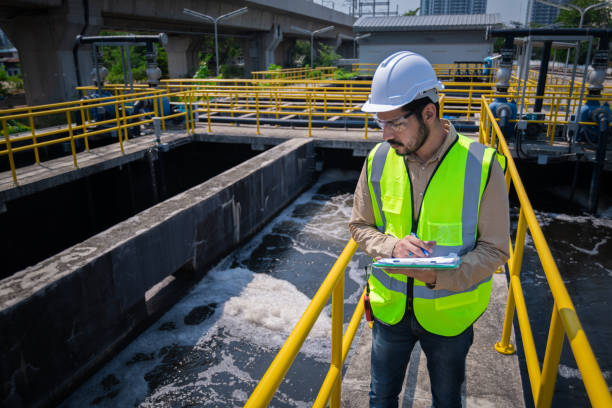
Engineers are now incorporating comprehensive water audits into their pre-purchase reports. These audits look for “red flag” indicators: low disinfectant residuals at distal taps, high levels of total organic carbon (TOC), and the presence of “dead legs” in the plumbing design. By identifying these risks during the due diligence period, the buyer can negotiate for remediation costs or price concessions before the deal is finalized.
Legionella: The Engineer’s Greatest Biological Concern
Among the biological risks, Legionella pneumophila is the most significant. It thrives in the warm, stagnant environments found in large building hot water loops and cooling towers. Engineers are increasingly finding that modern, energy-efficient building designs—which often operate at lower hot water temperatures to save energy—inadvertently create the perfect “Goldilocks zone” for this bacteria to flourish.
The Centers for Disease Control and Prevention (CDC) has emphasized that the vast majority of Legionnaires’ disease outbreaks are preventable through proper water management. Engineers are now advising clients that the absence of a formal Water Management Plan (WMP) is a significant liability. During due diligence, if a seller cannot produce a history of water testing and a proactive management strategy, engineers are flagging it as a “high-risk” deficiency.
Chemical Corrosion and Heavy Metal Leaching
Beyond the biological risks, engineers are also focused on the physical condition of the pipes. Galvanized iron and older copper systems are prone to corrosion, which can lead to the leaching of lead and copper. This isn’t just an “old building” problem; even newer buildings can suffer from “pinhole leaks” caused by aggressive local water chemistry or improper grounding of electrical systems to the plumbing.
Identifying these issues early is essential for local buyers who may be moving into markets with unique water chemistry profiles. Engineers use borescope inspections and chemical analysis to determine the “remaining useful life” of the plumbing. If a building’s pipes are nearing the end of their lifespan due to internal corrosion, the capital expenditure (CapEx) required for a full repipe can fundamentally change the valuation of the asset.
Sustainability vs. Safety: The Efficiency Trap
Engineers are also flagging the unintended consequences of “green” building initiatives. Low-flow fixtures and water-saving technologies are excellent for sustainability, but they significantly increase the time water spends inside the building. This increased residence time accelerates the loss of disinfectants and the accumulation of sediment.
During due diligence, engineers are looking at whether the building’s water system was “right-sized” for its actual occupancy. A building designed for 1,000 people that only has 300 occupants will suffer from chronic stagnation. This “efficiency trap” is a growing global issues trend, as cities worldwide push for water conservation without accounting for the resulting degradation in water quality.
The Role of Secondary Disinfection Systems
When engineers flag a water quality risk, the solution is often the installation of a secondary or supplemental disinfection system. These units—which utilize chlorine dioxide, copper-silver ionization, or UV light—are becoming standard equipment for high-risk facilities like hospitals and hotels.
However, these systems are not “set and forget.” They require ongoing maintenance, chemical supplies, and specialized monitoring. Engineers are advising buyers to factor these long-term operational costs into their financial models. On our blog, we frequently examine the performance of these different technologies and how they fit into a comprehensive risk mitigation strategy.
How to Conduct Water Quality Due Diligence
To properly assess this hidden risk, engineers recommend a tiered approach during the acquisition phase:
Desktop Review: Examine the building’s history, any previous water quality complaints, and the existence (or lack) of a Water Management Plan.
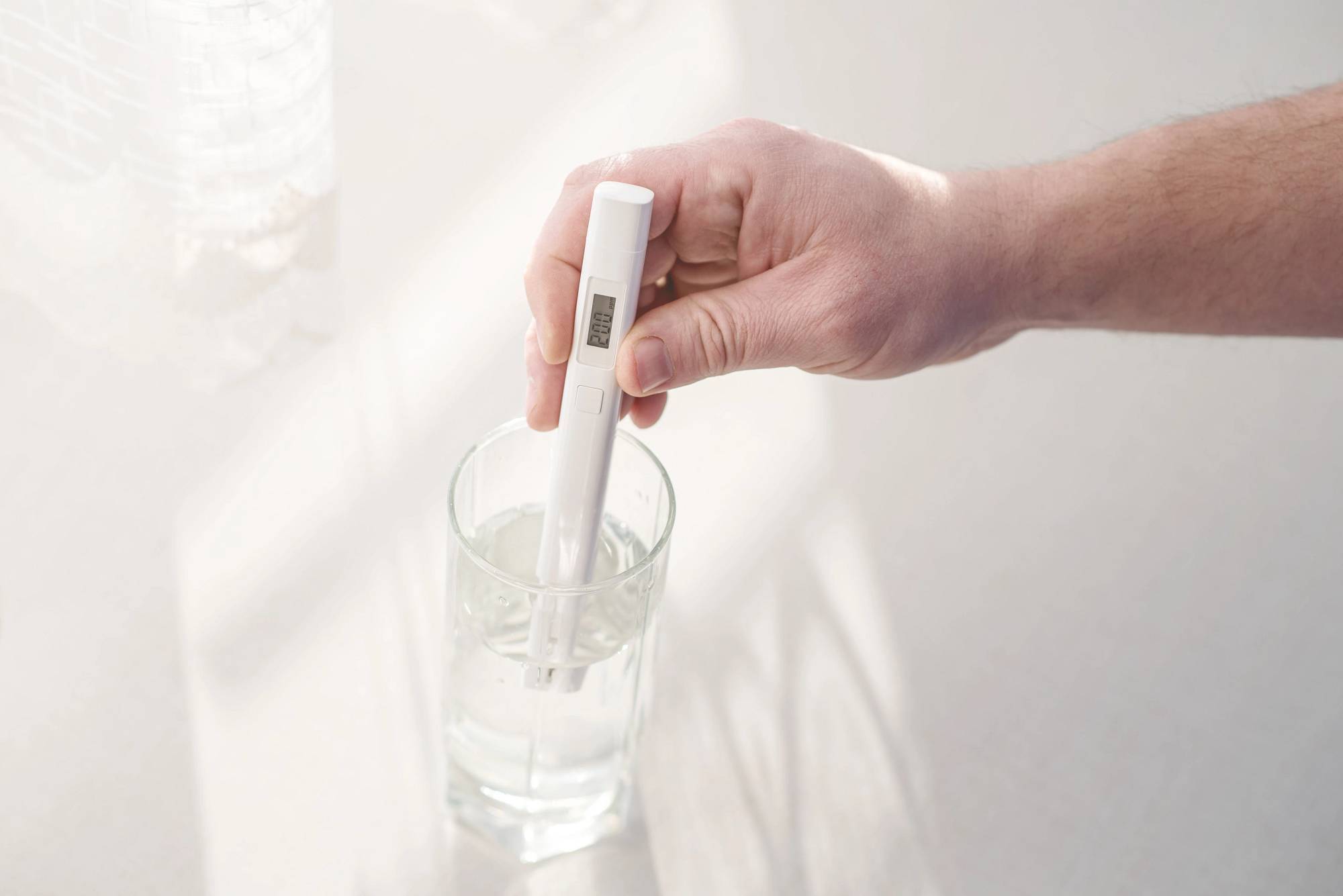
Physical Inspection: Use sensors to measure temperature and disinfectant residuals at the point of entry and at distal taps (the taps furthest from the water source).
Lab Analysis: Conduct comprehensive testing for heavy metals, microbial indicators, and specific pathogens like Legionella.
Engineering Analysis: Evaluate the system’s design to identify dead legs, oversized storage tanks, and areas of potential stagnation.
The Evolving Legal Landscape
The legal landscape is also shifting the burden of proof onto property owners. In many jurisdictions, the standard of care for building water systems is rising. If an owner fails to monitor their water quality and an outbreak occurs, “we didn’t know” is no longer a valid defense. Engineers are flagging this legal exposure as a critical part of the risk profile, advising clients that water quality is a line item that belongs on the same page as fire safety and elevator maintenance.
This heightened scrutiny is why we encourage anyone involved in property transactions to maintain a direct line of communication with water experts. If you are in the middle of a due diligence process and need guidance on what specific tests to request, please visit our contact page. Our team can help bridge the gap between engineering theory and practical water safety.
Conclusion
Water quality is no longer a “given” in the commercial real estate world. It is a dynamic, complex variable that can significantly impact the safety, value, and liability of a property. By flagging these risks during due diligence, engineers are helping buyers avoid the hidden pitfalls of premise plumbing. In an era where building health is paramount, ignoring the water flowing through the walls is a risk that few investors can afford to take.
As the industry matures, the integration of water audits into standard due diligence will become the norm. For now, those who recognize the importance of this hidden risk are at a distinct advantage, ensuring that their assets are not just structurally sound, but biologically and chemically safe for their occupants.