In the world of Manhattan real estate, the term “prewar” carries a specific prestige. It evokes images of high ceilings, solid plaster walls, and the architectural character of early 20th-century New York. For many homeowners, the journey begins with a meticulous renovation designed to blend that historic charm with 2026’s modern luxuries. However, a recent case in a beautifully restored Upper West Side cooperative has highlighted a hidden environmental challenge: even after a gut renovation, a unit-specific water audit revealed elevated copper levels and a surprisingly low pH at the kitchen tap.
This discovery serves as a vital case study for Manhattan residents. It proves that while you can replace every pipe within your four walls, you cannot always control the chemistry of the water being delivered through the building’s aging vertical infrastructure. Understanding the science of why this happens is the first step in ensuring your “dream home” remains a healthy environment for your family.
The Manhattan Water Chemistry Paradox
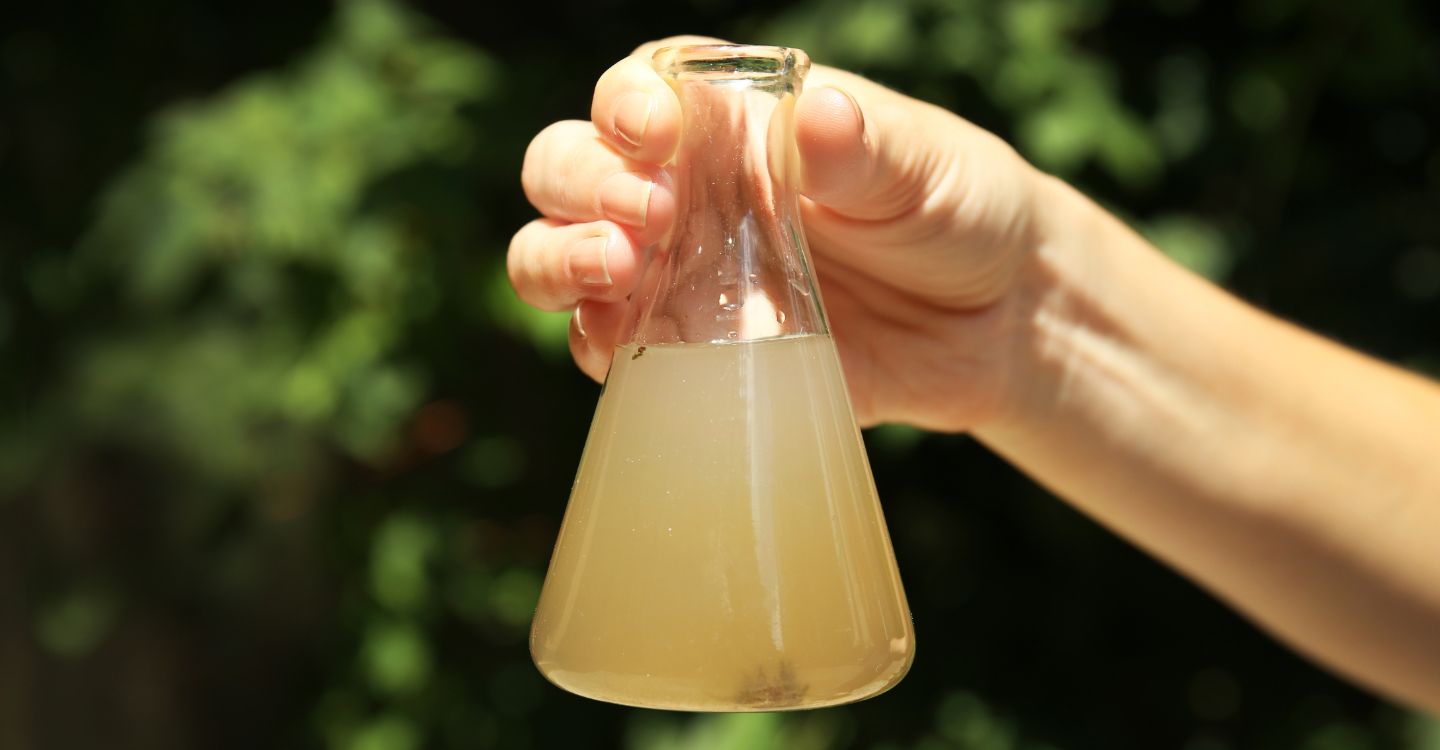
New York City’s water is legendary for its quality, traveling through a massive system of upstate reservoirs. However, by the time that water reaches a prewar high-rise in Manhattan, its chemical profile can shift. In the recent Upper West Side case, the resident noticed a subtle metallic tang in their morning coffee and faint blue-green staining in a brand-new marble sink.
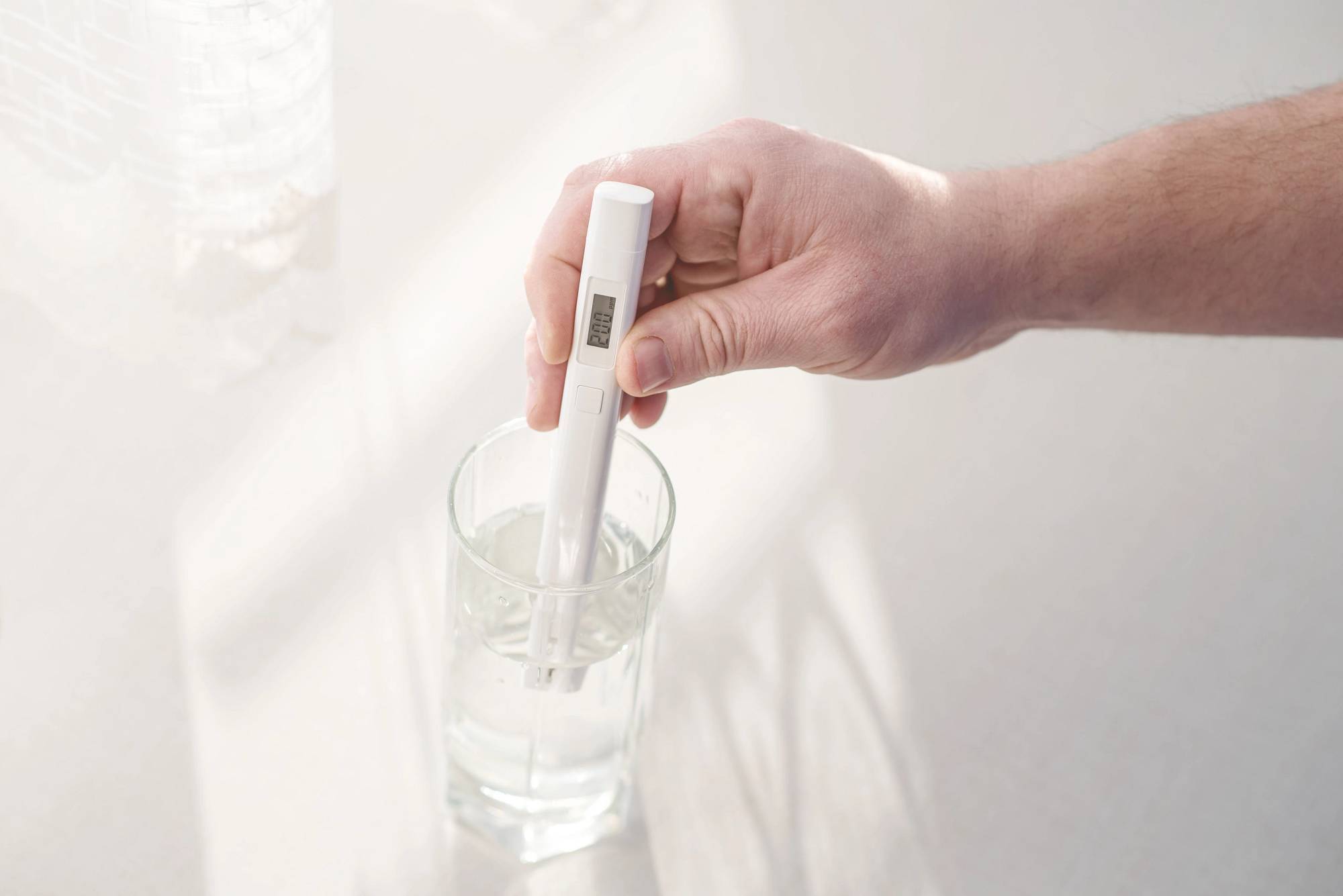
When the lab reports came back, they showed a pH level of 6.8—slightly acidic—along with copper concentrations that approached the EPA’s secondary maximum contaminant level. While 6.8 might seem close to the neutral 7.0, the logarithmic nature of the pH scale means this water is “hungry” enough to aggressively interact with metal surfaces. This acidity is often a localized phenomenon within Manhattan’s older buildings, driven by long retention times in roof tanks or interactions with legacy piping materials.
Why New Pipes Don’t Always Solve the Problem
A common misconception among renovators is that installing new copper plumbing is the ultimate solution for water safety. In reality, new copper is actually more susceptible to leaching than older copper that has developed a protective mineral “scale” over decades. In a renovated prewar unit, the new, bright copper surfaces are immediately exposed to the building’s water.
If that water has a low pH, it acts as a solvent, stripping copper atoms from the interior of the new pipes. This is a classic global issue in urban infrastructure: the mismatch between modern materials and legacy water chemistry. The more “pure” or slightly acidic the water is, the more copper it will hold in suspension. For the Manhattan resident, this means their expensive renovation is literally dissolving into their drinking water.
The Role of Galvanic Corrosion in Prewar Buildings
One of the most complex factors uncovered in the Manhattan unit was the presence of galvanic corrosion. In a typical prewar renovation, a contractor connects new copper or PEX lines to the building’s original galvanized steel or brass risers.
When these two different metals meet, they create a tiny electrical circuit. In the presence of slightly acidic (low pH) water, this process accelerates. The less “noble” metal—often the old steel riser—corrodes, but the reaction also destabilizes the new copper lines. This interaction is a frequent subject of our science section, as it highlights why “partial” plumbing upgrades can sometimes lead to worse water quality than leaving the original system intact.
Health Impacts: The Hidden Cost of Copper Exposure
While copper is an essential nutrient in trace amounts, chronic exposure to elevated levels in drinking water is a serious health concern. Manhattan residents who consume copper-heavy water often report a range of symptoms that are easily misdiagnosed as common viral issues.
- Gastrointestinal Distress: Nausea, stomach cramps, and diarrhea are the most immediate effects of high copper ingestion.
- Liver and Kidney Stress: Long-term exposure to elevated copper can put a significant burden on the body’s filtration organs.
- Skin and Hair Issues: Slightly acidic, copper-rich water can lead to dry, itchy skin and can even cause subtle discolorations in light-colored hair over time.
As we often discuss on our blog, these health impacts are particularly concerning for infants and young children, whose bodies are less efficient at processing excess heavy metals. For the Upper West Side family, the lab data was the only thing that connected their child’s persistent stomach aches to the brand-new kitchen faucet.
Stagnation and the “Penthouse” Effect
In Manhattan high-rises, water quality is often a function of where you live in the building’s vertical stack. In this case, the unit was located on a high floor. Water in these buildings is often pumped to a roof tank and then gravity-fed back down.
If the water sits in the roof tank during a long weekend or even a workday, the chlorine dissipates and the pH can fluctuate. Furthermore, water at the “top” of the system often has the lowest flow rates, leading to increased stagnation time. When water sits motionless in a renovated unit’s new copper pipes for 8 to 10 hours, the copper concentration can spike significantly. This “stagnation pulse” is why we emphasize “first-draw” testing in all our reports.
Remediation Strategies for the Manhattan Homeowner
The discovery of low pH and copper doesn’t mean the renovation was a failure, but it does mean a secondary stage of protection is required. For the Manhattan resident, remediation followed a three-step process:
- Water Conditioning: Installing a neutralizing filter at the building’s point of entry (or the unit’s main shut-off) to raise the pH and make the water less aggressive.
- Point-of-Use Filtration: Utilizing high-quality filters certified for heavy metal reduction to catch any copper that leaches between the conditioner and the tap.
- Flushing Protocols: Implementing a simple “morning flush” to move the stagnant water out of the unit’s internal lines before using it for consumption.
As noted in our global issues research, these localized solutions are becoming the standard in major cities where centralized utility work cannot keep pace with the needs of individual high-end residences.
The Importance of Unit-Specific Testing
The most critical takeaway from the Upper West Side case is that the building’s annual water report was perfectly fine. The building management had performed the required tests on the roof tank and the basement entry point, both of which showed “satisfactory” results.
The low pH and copper were only found because the resident insisted on a unit-specific audit. This highlights a massive gap in Manhattan property management: a building-wide “pass” does not guarantee a unit-wide “pass.” Every apartment has its own unique plumbing fingerprint. If you have recently renovated, or if you notice any staining or metallic tastes, the only way to know the truth is through the science of a professional laboratory test.
Conclusion: Protecting Your Manhattan Investment
A prewar Manhattan apartment is more than just a home; it is a significant financial and emotional investment. Ensuring the safety of the water is as important as the quality of the marble or the finish of the floors. By understanding the interaction between low pH water and new copper plumbing, you can take the necessary steps to protect your health and your property.
The most effective next step for any Manhattan resident who has recently renovated—or is planning to—is to move from assumption to data. If you are concerned about the science of your water or if you need help interpreting results from a recent test, the best path forward is to contact a specialist today. Don’t let a hidden chemistry issue undermine the beauty and safety of your historic Manhattan home.