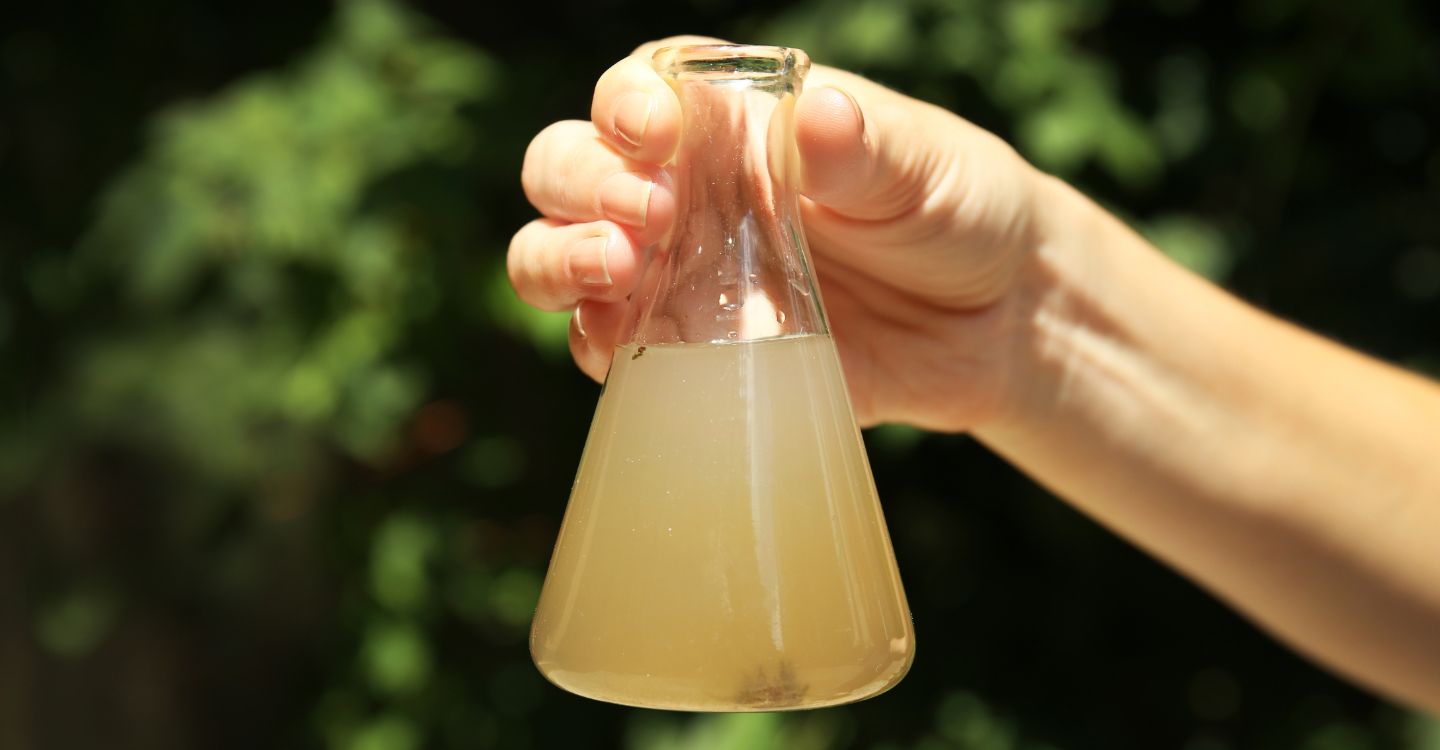
In the early months of 2026, a disturbing trend has emerged within several large-scale residential complexes in Queens. Residents in neighborhoods from Long Island City to Flushing have begun reporting a subtle shift in their water quality—a slight musty odor, a change in clarity, and, in some cases, unexplained skin irritations. Behind these anecdotal reports lies a measurable and dangerous chemical phenomenon: a significant drop in free chlorine residuals within building-wide plumbing, which has directly correlated with a surge in bacterial regrowth.
While the New York City Department of Environmental Protection (DEP) maintains rigorous disinfection standards at the source, the “last mile” of water delivery in the borough is proving to be a challenge. In Queens, where many buildings utilize massive roof tanks and complex secondary distribution systems, the battle to maintain a “disinfection shield” is being lost between the street main and the kitchen tap.
The Science of the Chlorine Shield
Chlorine is the primary guardian of our tap water. It is added at the treatment plant not just to kill pathogens initially, but to provide a “residual”—a lingering presence of disinfectant that travels through the pipes to prevent new bacteria from taking hold. For a distribution system to be considered safe, a measurable amount of this residual must reach the point of use.
However, chlorine is a highly reactive element. As it travels through the vertical plumbing of a Queens apartment building, it is constantly being “used up” by reactions with the pipe walls, organic sediment, and even the heat from the building’s internal environment. When the chlorine level drops below a critical threshold—typically 0.2 mg/L—the water loses its primary defense. This is the point where the science of bacterial regrowth begins.
Why Queens Buildings Are Vulnerable to Chlorine Decay
The architectural diversity of Queens creates several unique risk factors for chlorine decay. Many of the borough’s mid-century multi-family buildings rely on rooftop storage tanks to maintain water pressure. These tanks, if not properly circulated or cleaned, become “dead zones” where water ages.
Water age is the single greatest enemy of chlorine. As water sits stagnant in a tank or an underutilized riser, the chlorine naturally dissipates into the air or reacts with biofilms on the tank walls. By the time that water reaches a resident on the lower floors, the chlorine residual may have vanished entirely. Recent reports have indicated that during the summer months, the increased temperature in these roof tanks accelerates chlorine decay, leading to seasonal spikes in microbial activity.
Bacterial Regrowth: From Biofilms to Pathogens
When the chlorine shield fails, the bacteria that exist in low, harmless numbers in the city’s water supply begin to multiply exponentially. These microorganisms attach themselves to the interior walls of the pipes, creating a “biofilm”—a slimy, protective layer that is remarkably resistant to subsequent disinfection.
Biofilms are more than just a nuisance; they are a nursery for opportunistic pathogens. One of the primary global issues in urban water safety is the regrowth of Legionella and Mycobacteria within these biofilms. These bacteria thrive in the warm, low-chlorine environments found in large building plumbing. When a resident takes a shower, these pathogens can be aerosolized, posing a respiratory risk to the elderly or immunocompromised individuals living in the complex. Our blog has frequently highlighted how these “premise plumbing” failures are often the root cause of localized health clusters that the city’s general water report misses.
The Correlation: Data from the Tap
The link between falling chlorine and rising bacteria is not merely theoretical; it has been documented in several recent investigations. In one Flushing co-op, unit-specific testing revealed that apartments on the highest floors—closest to the storage tank—had 0.0 mg/L of chlorine and heterotrophic plate counts (HPC) that were 50 times higher than the city average.
This correlation highlights a critical gap in municipal reporting. The DEP monitors “street-side” sampling stations, which almost always show healthy chlorine levels. However, these stations do not account for the degradation that happens inside private property. For a Queens resident, a “safe” city report is cold comfort if their building’s internal infrastructure is allowing a bacterial bloom to reach their sink.
Health Impacts and Sensory Warning Signs
Residents should be aware of the sensory cues that indicate a chlorine drop and subsequent bacterial regrowth. While bacteria themselves are often tasteless, the byproducts of their metabolism are not.
- Musty or “Earthy” Odors: Often caused by geosmin, a compound produced by certain types of bacteria and algae that thrive in low-chlorine water.
- Slime Buildup: A pink or orange film on showerheads and faucets is often Serratia marcescens, a bacterium that flourishes when disinfectant levels are low.
- Sudden Change in Taste: If your water normally has a slight “pool” smell (indicating active chlorine) and suddenly becomes tasteless or “flat,” it may mean the residual has been depleted.
The health impacts of using water with high bacterial counts range from skin rashes and infections to more serious gastrointestinal or respiratory issues. In 2026, the demand for “point-of-use” accountability is rising as tenants realize that their health is directly tied to the chemical stability of their building’s water.
Remediation: Restoring the Disinfection Shield
Addressing a chlorine drop requires a coordinated effort between building management and water safety experts. It is not as simple as adding more chlorine at the basement level, as excessive chlorine can lead to the formation of harmful disinfection byproducts (DBPs).
Instead, buildings must focus on reducing water age and eliminating the “food” for bacteria. This includes:
- Tank Cleaning and Mixing: Ensuring roof tanks are scrubbed and equipped with active mixers to prevent stagnation and thermal stratification.
- Strategic Flushing: Implementing building-wide flushing protocols to move fresh, chlorinated water through stagnant risers.
- Secondary Disinfection: In extreme cases, installing supplemental disinfection systems (such as UV light or chlorine dioxide generators) at the building’s point of entry to boost the residual.
As we examine global issues in high-density housing, it’s clear that these proactive maintenance steps are the only way to ensure the safety of modern urban dwellings.
The Importance of Independent Verification
For the individual Queens resident, the most powerful tool is data. If you live in a building with a roof tank or have noticed a change in your water’s character, waiting for a building-wide announcement is a risky strategy.
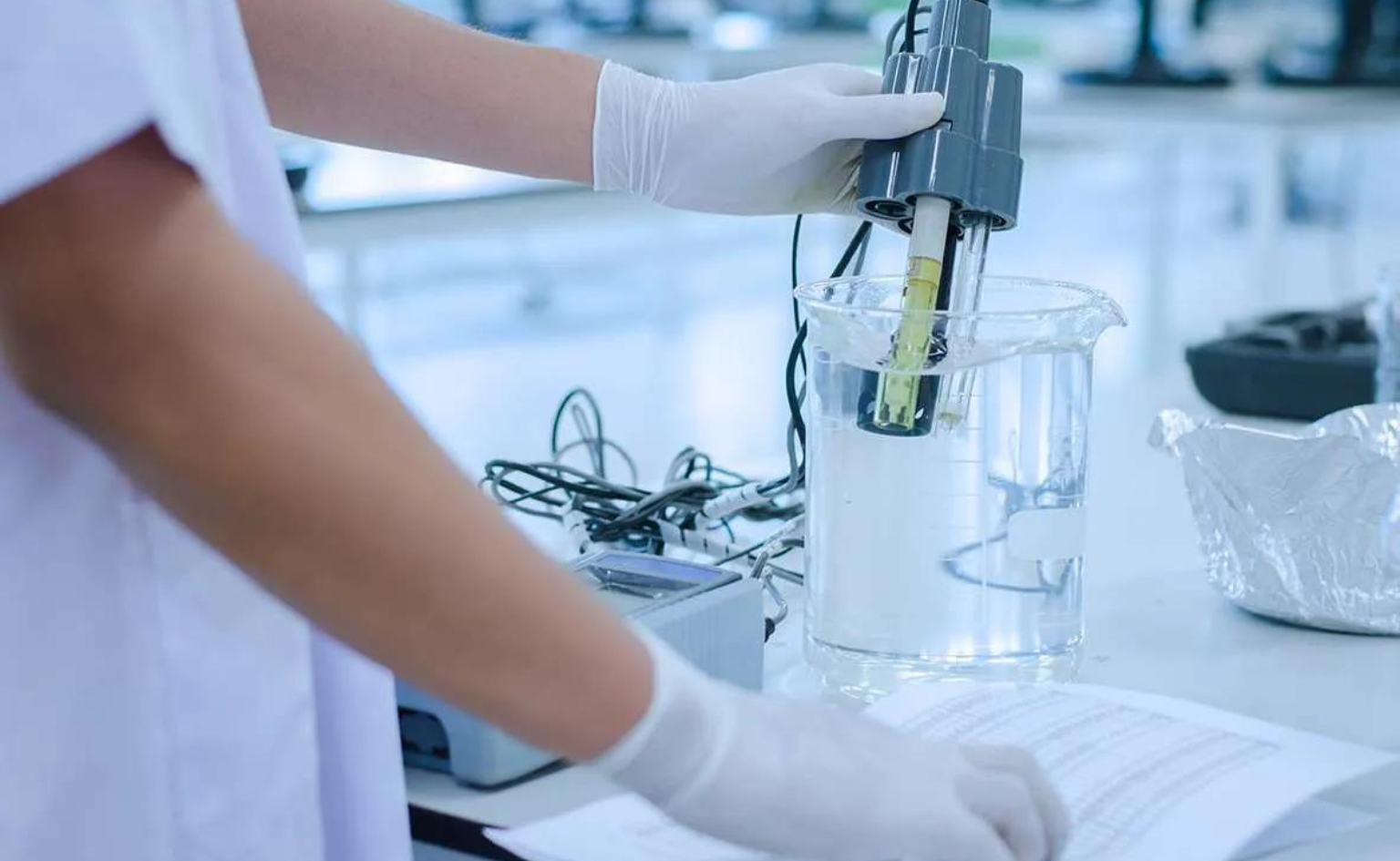
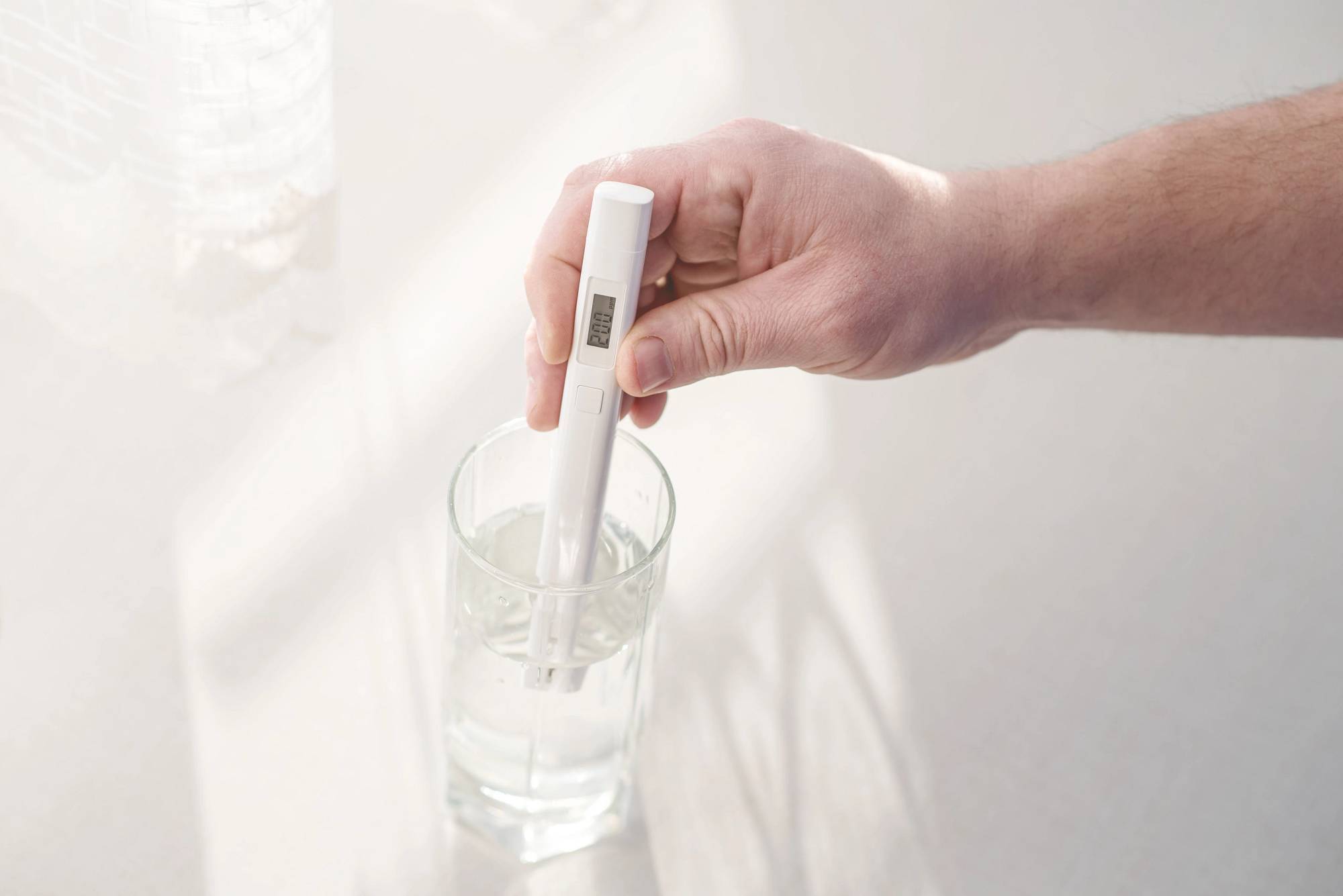
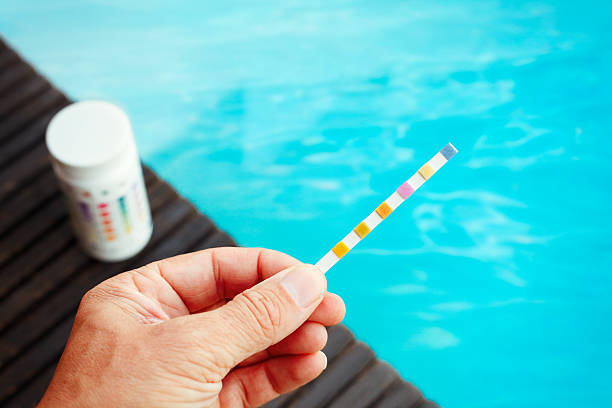
A professional water audit can measure your specific apartment’s chlorine residual and bacterial count. This data provides the evidence needed to compel building management to take action. As noted in several reports, unit-specific testing is often the only way to uncover the “pockets” of bacterial regrowth that building-wide annual inspections miss.
Conclusion: Reclaiming Water Safety in Queens
The correlation between chlorine drops and bacterial regrowth is a wake-up call for Queens residents and property managers alike. Our borough’s complex plumbing systems require more than just “passive” management; they require active chemical oversight. We must move beyond the idea that water safety ends at the property line and embrace a more holistic view of the science of water delivery.
The most effective next step for any Queens resident concerned about the “flatness” or odor of their water is to move from suspicion to certainty. If you want to verify the disinfection levels in your specific unit or if you need help interpreting results from a building-wide test, the best path forward is to contact a specialist today. Let the data ensure that your tap remains a source of health, not a vector for regrowth.