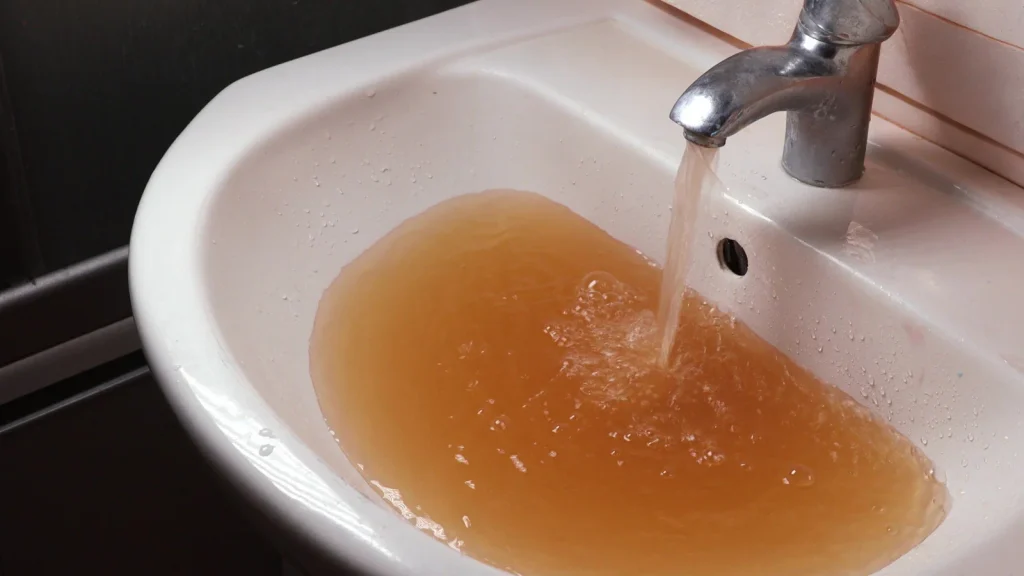
When municipal tap water arrives at your kitchen sink, it carries a subtle chemical signature designed to keep you safe from biological pathogens. For over a century, free chlorine served as the unchallenged gold standard for municipal water treatment across North America and Europe. However, over the past three decades, hundreds of major water authorities have transitioned their secondary treatment protocols from standard free chlorine to chloramines—a chemical blend of chlorine and ammonia. While this operational pivot rarely makes headlines unless utility bills include an annual disclosure, it fundamentally alters water chemistry, distribution dynamics, and household filtration needs.
Understanding why municipal treatment plants make this operational switch requires looking past basic disinfection into the complex realm of regulatory compliance, long-haul pipe distribution networks, and chemical byproduct formation. Resources like the Water Quality Journal provide extensive coverage on municipal infrastructure shifts, but the debate between chlorine and chloramine specifically highlights the delicate balancing act public utilities face every day: killing dangerous bacteria while minimizing long-term consumer exposure to chemical residuals.
The Chemistry of Primary vs. Secondary Disinfection
Municipal water treatment relies on two distinct phases of disinfection: primary and secondary. Primary disinfection occurs directly inside the treatment plant. Its purpose is immediate and decisive: achieve rapid pathogen inactivation, killing viruses, bacteria, and protozoa like Giardia lamblia before the water leaves the plant. Free chlorine remains exceptionally effective for this phase because hypochlorous acid (HOCl)—the chemical species formed when chlorine gas or sodium hypochlorite mixes with water—penetrates microbial cell walls in seconds.
Secondary disinfection, by contrast, takes place after water departs the treatment facility. Water must travel through miles of distribution pipes, storage tanks, and service mains before reaching consumer taps. Without a persistent disinfectant residual, bacteria can colonize the inner walls of aging pipes, forming biolayers that degrade water safety. While free chlorine is a ferocious primary disinfectant, it is chemically volatile. It dissipates quickly, binds with organic sediment in pipes, and outgasses rapidly under warm temperatures.
To overcome this volatility, utilities introduce small, controlled amounts of ammonia into chlorinated water, creating chloramines. This process produces three potential species depending on pH and the chlorine-to-ammonia ratio:
- Monochloramine (NH2Cl): The target compound for drinking water, formed at an optimal neutral-to-alkaline pH and a specific chlorine-to-ammonia ratio (typically 4:1 to 5:1 by weight). It possesses reliable, long-lasting disinfectant properties with minimal odor.
- Dichloramine (NHCl2): Formed at lower pH levels or higher chlorine ratios; it produces a sharp, unpleasant swimming-pool odor and irritates mucous membranes.
- Trichloramine (NCl3): Highly volatile and foul-smelling, formed only under severely acidic conditions or extreme chlorine imbalances. Drinking water utilities scrupulously adjust chemistry to avoid trichloramine formation entirely.
Why Utilities Transition to Chloramines
Public water systems rarely undertake expensive chemical overhauls without compelling technical and regulatory justifications. Two major factors drive the decision to adopt chloramination: regulatory compliance regarding disinfection byproducts and physical distribution geography.
The Disinfection Byproduct (DBP) Dilemma
The primary catalyst pushing utilities away from free chlorine is the federal regulation of Disinfection Byproducts (DBPs). Natural surface water sources—such as rivers, lakes, and reservoirs—contain decaying vegetation, humic acids, and organic matter. When concentrated free chlorine encounters this organic precursor material, it triggers unintended chemical reactions, forming halogenated compounds known as trihalomethanes (THMs) and haloacetic acids (HAAs).
Decades of epidemiological research link chronic, lifetime exposure to elevated THMs and HAAs with increased risks of bladder cancer, liver damage, and reproductive complications. In response, environmental regulators tightened maximum allowable levels under Stage 1 and Stage 2 Disinfectants and Disinfection Byproducts Rules. Utilities utilizing surface water frequently found that maintaining enough free chlorine to protect dead-end suburban pipes generated DBP levels exceeding statutory limits. Because chloramines react far less aggressively with organic matter, switching to monochloramine slashes THM and HAA formation by up to 80 percent, bringing systems into compliance.
Residual Stability Across Extensive Distribution Networks
Modern metropolitan areas feature expansive distribution footprints. Water pumped from a central treatment facility may take several days—or even two weeks in large municipal holding systems—to reach the outermost service connections. Free chlorine decays rapidly over such durations, leaving remote pipe branches vulnerable to bacterial regrowth.
Monochloramine is chemically far more stable than free chlorine. It degrades slowly, providing a resilient, protective barrier throughout complex piping infrastructure. For a comprehensive grounding in baseline standards and protection mechanisms, consult this water quality fundamentals guide, which breaks down how municipal residual barriers preserve microbial purity over prolonged distribution intervals.
The Hidden Operational Challenge: Nitrification Control
While chloramines solve DBP spikes and stabilize disinfectant residuals, they introduce a distinct biochemical challenge known as biological nitrification. Treatment managers monitor this phenomenon closely because unmanaged nitrification compromises the distribution system.
Monochloramine inevitably breaks down over time, releasing unbonded free ammonia into the water column. In the darkness of underground distribution pipes, naturally occurring autotrophic ammonia-oxidizing bacteria (AOB) utilize this free ammonia as an energy source, converting it into nitrite (NO2–). Subsequently, nitrite-oxidizing bacteria (NOB) convert nitrite into nitrate (NO3–).
This process creates a compounding chemical breakdown:
- Residual Depletion: Nitrite reacts directly with monochloramine, chemically destroying the remaining disinfectant barrier.
- Bacterial Bloom: As the disinfectant residual drops to near-zero levels, heterotrophic bacteria proliferate rapidly inside pipe biofilms.
- pH and Water Quality Drops: Nitrification lowers water pH and dissolved oxygen levels, escalating internal pipe corrosion risks.
To prevent nitrification episodes, utilities employ rigorous monitoring protocols. They sample distribution water for pH shifts, nitrite concentrations, and free ammonia levels. When summer temperatures accelerate bacterial metabolism, many utilities temporarily implement a “chlorine burn”—suspending ammonia feed for several weeks to flush distribution mains with powerful free chlorine, scouring out biofilm and resetting the system.
Infrastructure Impacts and Material Compatibility
A transition to chloramine alters the internal dynamics of municipal mains, utility meters, and residential plumbing fixtures. Because monochloramine is a different oxidant than free chlorine, it interacts uniquely with various plumbing materials.
Elastomer and Rubber Degradation
Chloramines accelerate the swelling, degradation, and structural failure of natural and synthetic rubber components. Homeowners in districts switching to chloramines often observe early degradation of toilet flapper valves, washing machine hoses, flexible braided connector gaskets, and rubber O-rings. Modern plumbing standards require chloramine-resistant elastomers, such as EPDM (ethylene propylene diene monomer) or silicone, to prevent premature leaks.
Lead and Copper Leaching Dynamics
The chemical shift from free chlorine to chloramines fundamentally changes the oxidation-reduction potential (ORP) of water. In systems with legacy plumbing, lead service lines develop an insoluble protective scale layer consisting of lead dioxide (PbO2) under free chlorine disinfection. When chloramine replaces chlorine, the lower ORP can destabilize this protective crust, causing lead particulates to leach directly into tap water unless utilities proactively dose corrosion inhibitors, such as orthophosphates.
For property managers and homeowners handling older structures, reviewing structural pipe dynamics alongside an water quality in older buildings assessment is an essential step toward mitigating lead and copper mobilization risks.
Health, Dialysis, and Aquatic Considerations
From an ordinary ingestion perspective, regulatory agencies worldwide recognize both chlorine and chloramine as safe disinfectants within regulated operational ranges. The World Health Organization drinking water fact sheet highlights that effective disinfection remains the single most critical intervention for preventing life-threatening waterborne disease outbreaks, noting that residual concentrations maintained in public water supplies present negligible risks to healthy consumers.
However, chloramine presents severe health hazards in two specific applications where it bypasses the digestive tract:
- Medical Hemodialysis: While swallowed chloramine is rapidly neutralized by stomach acid and digestive enzymes, chloramine that enters the bloodstream directly binds to iron in red blood cells. This oxidizes hemoglobin into methemoglobin, causing severe, life-threatening hemolytic anemia. Hemodialysis clinics must utilize specialized, multi-stage granular activated carbon (GAC) filtration to strip all chloramines from dialysate preparation water.
- Aquariums and Aquaculture: Fish, amphibians, and many aquatic invertebrates absorb dissolved gases directly through their gills into their bloodstreams. Chloramine causes gill damage and blood cell suffocation in aquatic organisms. Unlike free chlorine, which off-gasses naturally if left in an open bucket for 24 hours, chloramine remains dissolved for weeks; aquarists must add chemical conditioning agents containing sodium thiosulfate or sodium hydroxymethanesulfonate to neutralize it.
Consumers who experience unexplained skin irritation, respiratory sensitivity, or severe eczema after utility chemical transitions frequently question whether chloramine is the root cause. While conclusive clinical consensus is evolving, individuals with compromised barriers or unique sensitivities should discuss persistent issues with their dermatologist or primary healthcare professional.
Household Water Filtration: Removing Chloramine vs. Chlorine
Standard household water filters designed for free chlorine removal are largely ineffective against chloramines. Understanding the physical chemistry of filtration media prevents homeowners from relying on inadequate protective barriers.
Standard activated carbon filters (such as standard carbon blocks or pitcher filters made from coconut shell carbon) rely on physical adsorption. Free chlorine adsorbs rapidly to standard carbon surfaces through brief contact time. Monochloramine, however, requires a catalytic reduction reaction to break the strong nitrogen-chlorine bond, dismantle the ammonia compound, and convert hypochlorite to harmless chloride.
To remove chloramines efficiently at the residential level, homeowners require catalytic carbon. This specialized filtration media undergoes thermal and chemical surface treatments that alter its carbon lattice, introducing active catalytic sites that accelerate electron transfer. Catalytic carbon breaks down chloramines up to four times faster than standard activated carbon, preventing residual breakthrough into finished drinking and shower water.
Testing and Verification: Navigating Your Local Tap Water
Because chlorine and chloramine affect residential appliances, brewing operations, and water softening systems differently, verifying your utility’s specific residual chemistry is an essential maintenance step. Utilities issue annual water quality reports detailing disinfection methods, but localized pipeline reactions, dead-end water age, and premise plumbing interactions can alter concentrations at the tap.
Routine total chlorine test kits measure both free chlorine and combined chlorine (chloramines) together. To distinguish between the two, consumers must use DPD (N,N-diethyl-p-phenylenediamine) test kits capable of reporting separate values for free chlorine and total chlorine. The difference between the two measurements represents the combined chloramine fraction. For properties facing unexplained discoloration, aging piping concerns, or complex municipal supplies, scheduling reliable environmental water testing services in Brooklyn or via certified regional laboratories provides quantitative chemical clarity that over-the-counter test strips cannot match.
Broader drinking water protections, such as the EPA Ground Water Rule health criteria, establish vital guardrails against pathogen intrusion across distribution corridors. Nevertheless, knowing what occurs downstream of treatment facilities helps consumers maintain home plumbing assets, calibrate proper filtration equipment, and interpret seasonal taste or odor variations accurately.
Practical Takeaways for Property Owners
The shift from free chlorine to chloramines represents a calculated public health trade-off: municipal operators trade a volatile, byproduct-heavy disinfectant for a stable, low-byproduct compound that demands vigilant nitrification and corrosion management. If your municipal supplier uses chloramines or plans an operational switch, consider these proactive measures:
- Upgrade Internal Plumbing Elastomers: Replace standard natural rubber toilet flappers and shutoff gaskets with durable EPDM, fluorocarbon, or silicone components to prevent leaks.
- Select Catalytic Filtration Media: Verify that whole-house filtration units or under-sink drinking systems utilize genuine catalytic carbon rather than baseline coconut shell carbon.
- Protect Aquatic Pets and Dialysis Systems: Never expose aquatic animals to municipal chloraminated water without verified chemical neutralizers, and confirm dialysis equipment employs dedicated carbon de-chloramination arrays.
- Examine Multi-Contaminant Risks: Disinfectant chemistry interacts dynamically with other municipal water variables; explore an overview of common contaminants to ensure whole-home water treatment approaches address biological, physical, and chemical parameters holistically.
- Consult Certified Specialists: When in doubt regarding water chemistry changes, lead leaching potential, or filtration sizing, consult a certified water treatment specialist accredited by the Water Quality Association (WQA).
Ultimately, neither free chlorine nor chloramine is universally superior. Each represents a distinct chemical solution engineered to safeguard public health across complex infrastructure. By understanding the mechanical and chemical shifts behind secondary disinfection, property owners can tailor their domestic filtration systems and protect their plumbing infrastructure with confidence.