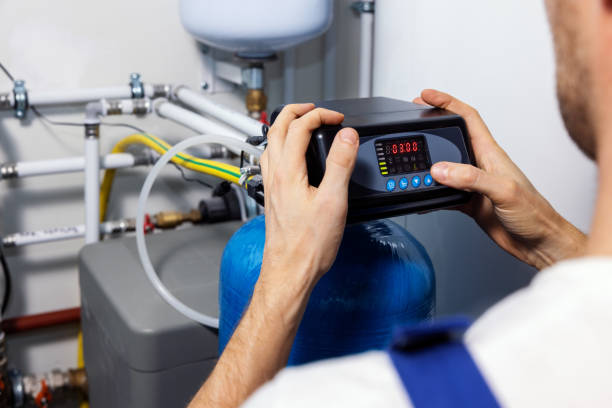
In the pursuit of premium water quality, many luxury residential complexes, hospitals, and commercial office towers have invested heavily in building-wide filtration systems. These centralized units, often installed at the point of entry (POE) where the municipal main meets the building’s internal plumbing, are designed to act as a master gatekeeper. They utilize industrial-scale carbon blocks, sediment pre-filters, and sometimes UV sterilization to ensure that every drop of water entering the facility meets a high standard of purity.
However, a growing body of data suggests that a “clean” reading at the building’s entrance is no guarantee of safety at the resident’s kitchen sink or the patient’s showerhead. Despite the presence of high-end central filtration, individual units frequently fail water quality tests. This phenomenon highlights a critical reality in modern facility management: the water quality journey does not end at the basement filter—it is often just beginning.
The “Last Mile” Contamination Problem
The primary limitation of a building-wide filter is that it only treats the water at a single point in time. Once the water passes through the central filtration system, it must often travel through hundreds, if not thousands, of feet of internal piping before it reaches a tap. In many older buildings, or even poorly maintained newer ones, these internal pipes are the primary source of contamination.
As water travels through the vertical risers and horizontal branch lines, it can pick up legacy contaminants that the central filter has no way of addressing. Lead solder, galvanized iron flakes, and copper leaching from aging internal plumbing occur after the water has been “purified.” In our science section, we explore how the chemical profile of water can shift dramatically within a few dozen feet of pipe, rendering centralized filtration moot if the “last mile” of infrastructure is compromised.
The Depletion of Residual Disinfectants
One of the most unintended consequences of advanced building-wide filtration is the removal of chlorine. Many centralized systems are specifically designed to strip away the “chlorine taste” using large activated carbon tanks. While this results in better-tasting water at the point of entry, it removes the “secondary disinfectant” that the municipality adds to keep water safe during transit.
Without a disinfectant residual, the building’s internal plumbing becomes an open playground for microbial growth. If a specific unit has low occupancy or a “dead leg” in its plumbing, the stagnant, de-chlorinated water can quickly host colonies of Legionella or Pseudomonas. A resident on the ground floor might have perfect water, while a resident at the end of a long hallway on the top floor might be using water that has become a biological hazard. This disparity is a frequent topic in our compliance reports, where “total building” passes often mask “individual unit” failures.
Biofilm and the Internal Ecosystem
Every large building is a complex ecosystem. Over time, a layer of microorganisms known as biofilm attaches to the inner walls of the pipes. These biofilms are remarkably resilient and can persist even if the incoming water is filtered. In fact, if a building-wide filter is not maintained properly, the filter media itself can become a breeding ground for bacteria, which then “seed” the rest of the building.
In individual units, the fixtures themselves—aerators, showerheads, and flexible hoses—act as secondary sites for biofilm accumulation. A building-wide filter cannot reach these distal points. Lab results often show that failures at the unit level are caused by local colonization within the unit’s specific fixtures rather than a systemic issue with the city water. This is why many global issues in water safety now focus on “Premise Plumbing” as the primary frontier for public health.
Pressure Variations and Sediment Resuspension
Centralized filters are excellent at catching incoming sediment, but they cannot prevent the movement of sediment that is already inside the building’s pipes. Pressure fluctuations, common in high-rise buildings with booster pumps, can “scour” the inside of internal pipes, knocking loose iron or scale that has been sitting dormant for years.
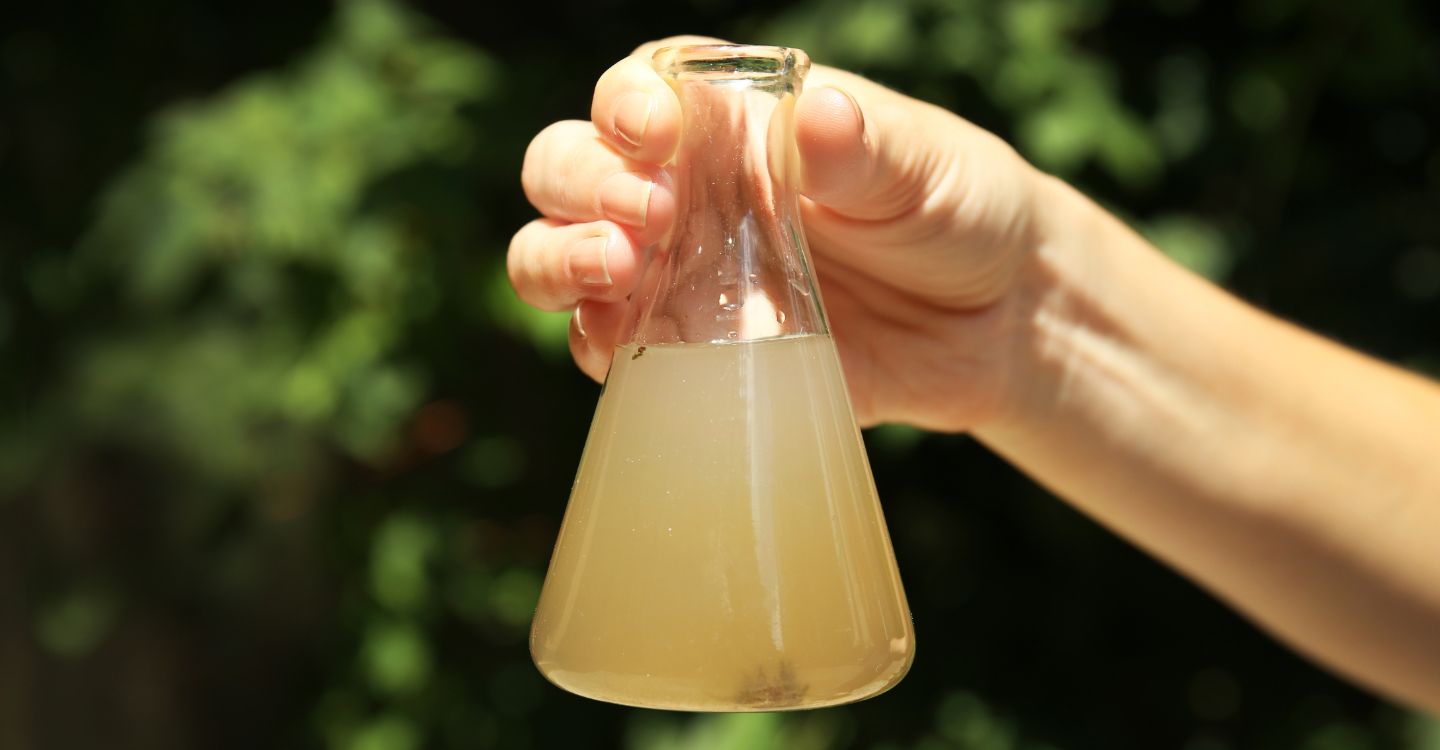
When this happens, the sediment travels directly to the individual unit’s tap. A resident seeing “rusty water” may be confused because they know the building has a master filter. The reality is that the filter is protecting the building from the city, but it is not protecting the resident from the building’s own internal decay. This is why we emphasize the importance of local unit-level testing as the only true way to verify what a consumer is actually drinking.
The False Sense of Security
Perhaps the greatest risk of building-wide filtration is the psychological one. Property managers and residents alike may fall into a false sense of security, assuming that the presence of a “master system” eliminates the need for further vigilance. This leads to a decrease in the frequency of testing at individual taps and a lack of maintenance on unit-specific fixtures.
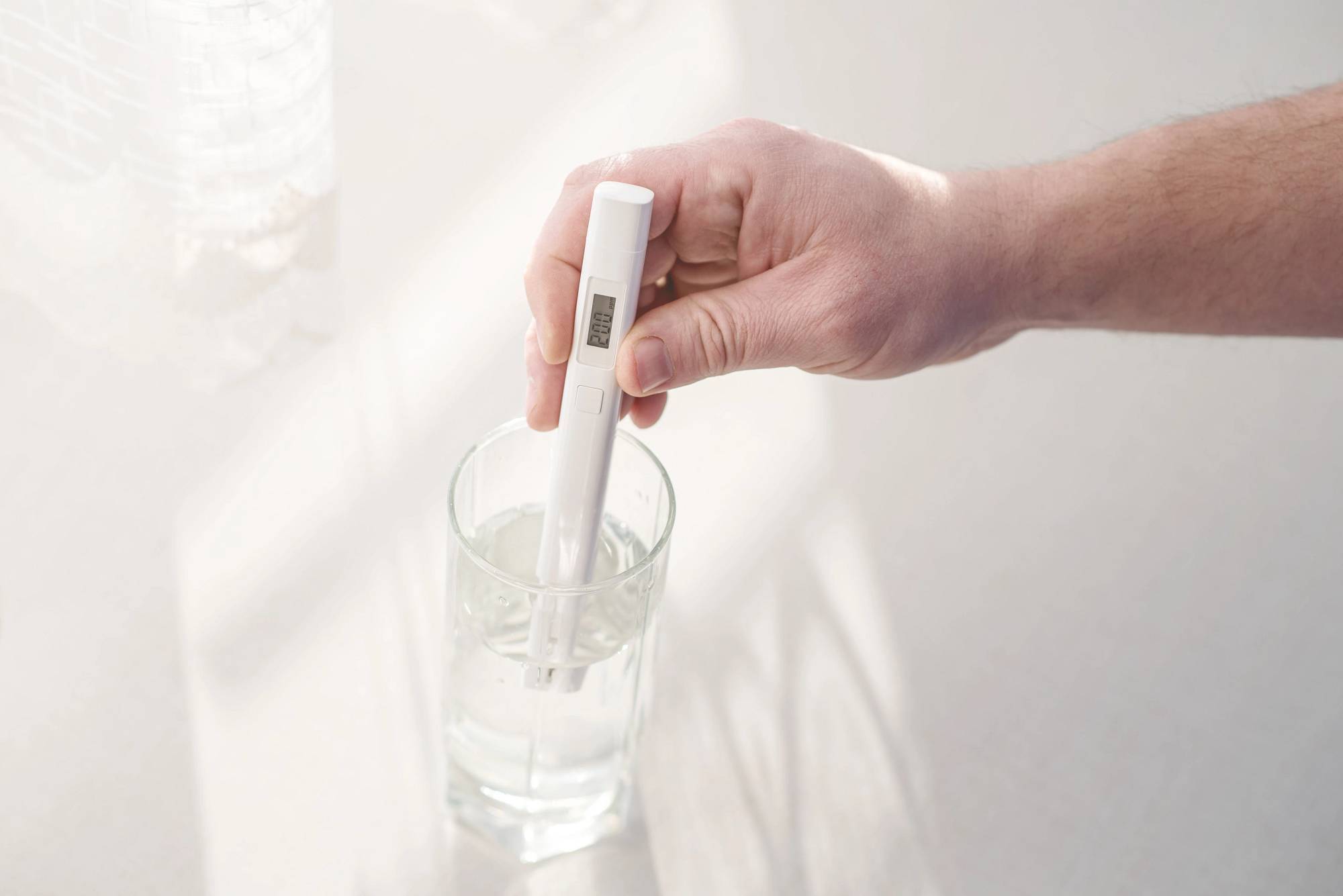
According to the Environmental Protection Agency (EPA), the only way to be certain of water safety is to test at the “point of use.” Relying solely on a building-wide report is like checking the weather at the airport and assuming it’s the same in your backyard; the micro-climate of an individual apartment’s plumbing can be vastly different from the basement’s main line.
The Case for a Hybrid Approach
To achieve true water safety in large complexes, a hybrid approach is often necessary. This involves:
Strategic Building-Wide Filtration: Using POE systems to remove bulk sediment and protect expensive appliances from scale, but carefully managing the removal of disinfectants to ensure the system doesn’t become biologically unstable.
Point-of-Use (POU) Filtration: Encouraging or installing secondary filters at kitchen sinks and showerheads in individual units. These POU filters act as the final barrier against lead, copper, and bacteria that may have been picked up within the building’s risers.
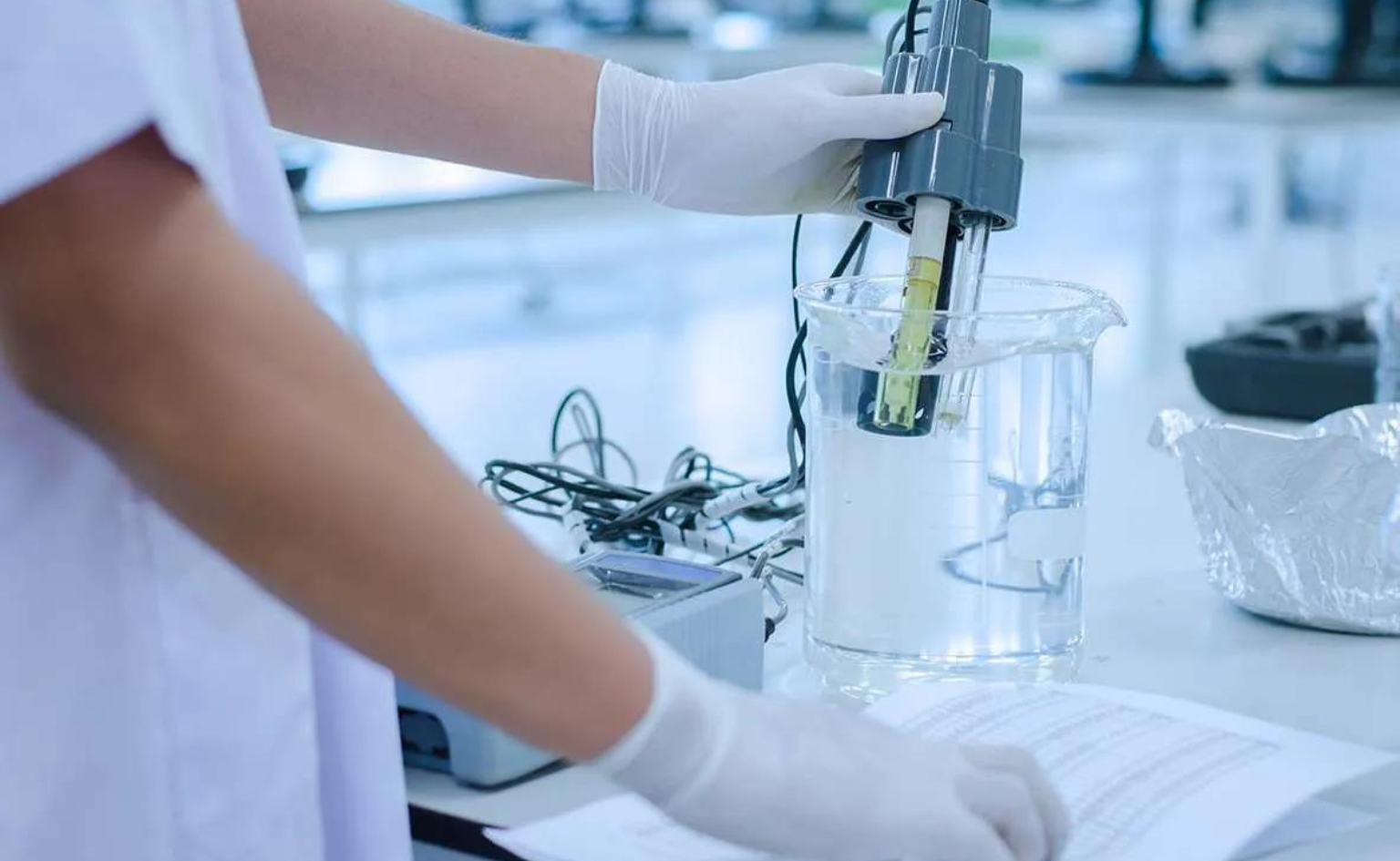
Unit-Level Monitoring: Regularly sampling water from a rotating selection of individual units, particularly those at the “end of the line” where water age is highest and disinfectant residuals are lowest. We provide guidance on these protocols in our blog, where we discuss the latest in remote sensing technology for large buildings.
Addressing Stagnation at the Source
Building managers must also implement “flushing protocols” for vacant units. When a unit sits empty for weeks, the water in its specific branch lines degrades. No amount of building-wide filtration can fix the water that has been sitting in a pipe for fourteen days. Manual or automated flushing ensures that fresh, treated water is pulled into the unit regularly.
The Role of Professional Consultation
Because the plumbing dynamics of every building are unique—affected by height, pipe material, occupancy rates, and local water chemistry—there is no one-size-fits-all solution. A building-wide filter might be a perfect solution for one property while creating a biological nightmare for another.
For those managing complex systems, it is vital to have a partner who understands the nuances of premise plumbing. If you are experiencing discrepancies between your building-wide tests and unit-level complaints, we invite you to reach out through our contact page. Our specialists can help design a comprehensive water management plan that ensures safety from the street to the sink.
Conclusion
Building-wide filters are a powerful tool, but they are not a panacea. The “disappearing residual,” the “last mile” of aging pipe, and the resilience of internal biofilms all mean that the water quality at an individual tap can fail even when the central system is performing perfectly. To truly protect residents and occupants, we must look past the basement filters and focus on the complex, often hidden world of internal plumbing. Only by testing at the tap can we move from the illusion of safety to the reality of pure water.