For many homeowners in neighborhoods like Bed-Stuy, Clinton Hill, and Park Slope, the dream of restoring a historic brownstone is a labor of love. These projects often involve a “gut renovation,” where every system—electrical, HVAC, and plumbing—is ripped out and replaced with state-of-the-art materials. The assumption is that once the old, corroded galvanized pipes are replaced with shiny new copper or PEX, the water safety issues associated with 19th-century infrastructure will vanish.
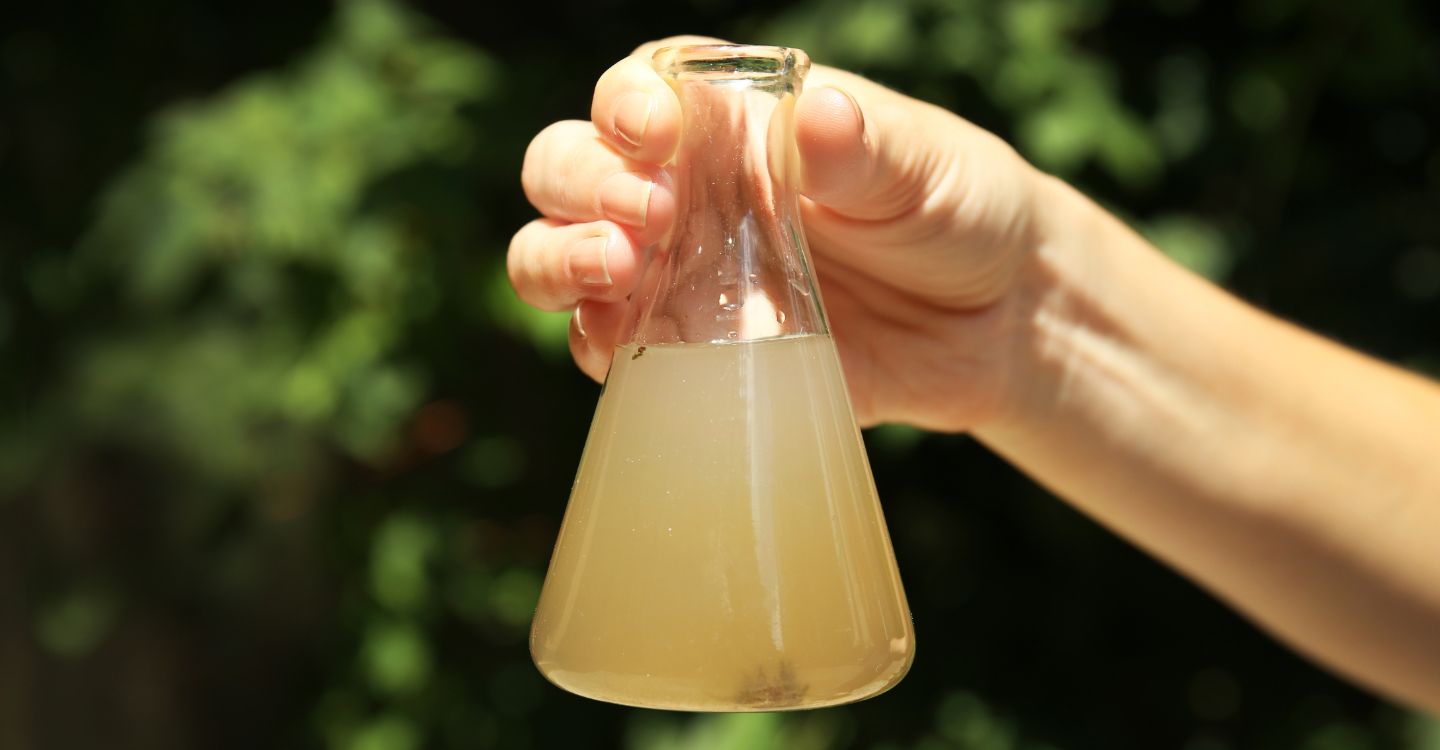
However, a recent case in a meticulously restored 1890s brownstone has sent shockwaves through the Brooklyn renovation community. Despite a six-figure investment in a “full pipe renovation,” the kitchen tap failed a comprehensive water quality audit. The lab results showed elevated levels of lead and copper, along with a surprising presence of biological science indicators. This story serves as a vital warning: in a borough with infrastructure as old as Brooklyn’s, new pipes inside your walls do not always guarantee clean water at your faucet.
The “Last Mile” Paradox: Why Interior Work Isn’t Enough
The primary reason for this failure lies in what industry experts call the “last mile” of water delivery. While the homeowner replaced every inch of plumbing inside the house, they did not address the service line—the pipe that connects the house to the city’s water main in the middle of the street. In many parts of Brooklyn, these service lines are made of lead and were installed over a century ago.
Even if your interior plumbing is brand new, the water must first pass through ten to fifteen feet of lead pipe buried under your sidewalk. As we have discussed in several reports, the physical vibrations caused by a major renovation can actually disturb the protective mineral scale inside these old service lines. This “scouring” effect releases microscopic lead particles into the freshly installed plumbing system. The water might look crystal clear, but the science of the laboratory test reveals a different, more dangerous reality.
The Galvanic Ticking Time Bomb
Another contributing factor to the failed tap test in the Brooklyn brownstone was a phenomenon known as galvanic corrosion. This occurs when two dissimilar metals—in this case, the old lead or galvanized service line and the new copper interior pipes—are joined together.
When these metals touch in the presence of water, they create a tiny electrical circuit. This chemical reaction causes the less “noble” metal (the lead or old steel) to corrode at an accelerated rate to “protect” the copper. This doesn’t just damage the pipes; it leaches metals directly into the drinking water. Homeowners often believe they are doing the right thing by upgrading to copper, but without a complete replacement of the service line, they may inadvertently be accelerating the contamination of their own supply.
The Hidden Risk of Biofilm in New Systems
Perhaps the most surprising part of the failed test was the presence of biofilm and bacteria in a brand-new system. During a long-term renovation, water often sits stagnant in the newly installed pipes for weeks or even months while the finishing touches—like tiling and cabinetry—are completed.
As highlighted in our blog, stagnant water is a breeding ground for microbial growth. Chlorine, the disinfectant added by the city to keep water safe, dissipates when water doesn’t move. Without that protection, a thin layer of bacteria known as biofilm can attach to the interior walls of your new PEX or copper lines. Once this film is established, it can be remarkably difficult to remove through standard flushing, leading to a failed bacteriological audit even in a “perfect” new kitchen.
Lessons from Global Water Safety Trends
This Brooklyn case isn’t an isolated incident; it reflects global issues seen in historic cities from London to Rome. Urban centers with legacy infrastructure are finding that individual property renovations are often insufficient to overcome systemic delivery problems.
In many European cities, the standard for a “full renovation” has shifted to include the mandatory replacement of the service line all the way to the street main. New York City has begun to follow suit with various lead service line replacement programs, but many Brooklyn homeowners are still unaware that their “full renovation” stopped just a few feet short of true safety. As we examine global issues, it becomes clear that water security requires a holistic approach that looks beyond the property line.
The Importance of Post-Renovation Audits
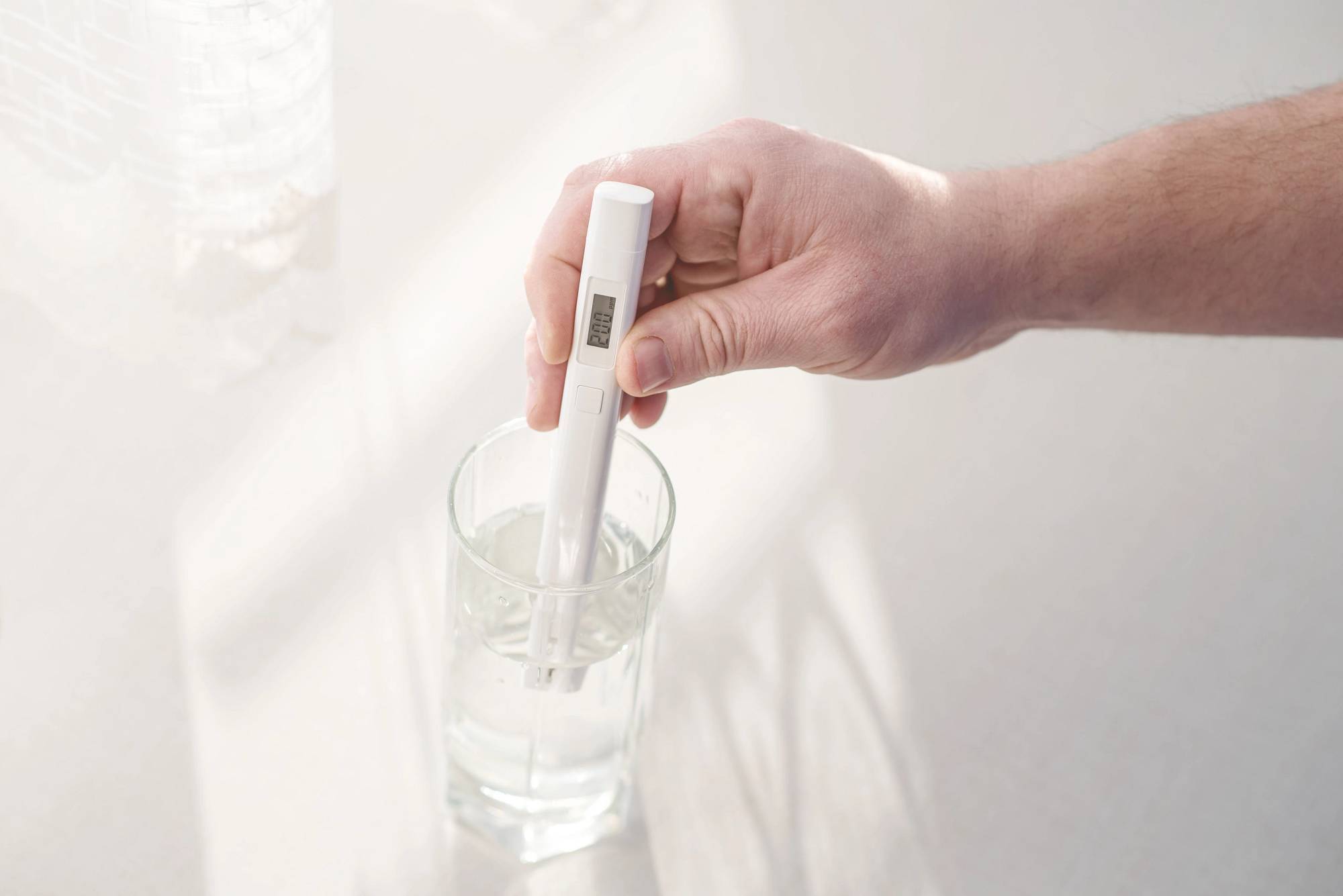
The Brooklyn brownstone owner only discovered the failure because they insisted on a lab-certified test before moving back in. Most contractors perform a “pressure test” to ensure there are no leaks, but they rarely perform a chemical or biological audit.
In 2026, we recommend that every major Brooklyn renovation include a three-stage testing protocol:
- The Pre-Construction Baseline: Testing the water before work begins to understand what the city is delivering.
- The “First Draw” Post-Work Test: Testing the water after it has sat in the new pipes overnight to check for leaching and stagnant-water bacteria.
- The Sequential Flush Test: Taking multiple samples in a row to determine if contaminants are coming from the faucet, the interior pipes, or the service line in the street.
As noted in various reports, this data is the only way to verify that your investment in new plumbing is actually providing a health benefit. Without the data, you are simply assuming that “new” equals “safe.”
Practical Steps for Brooklyn Homeowners
If you are currently renovating or have recently finished a project in Brooklyn, there are several steps you can take to avoid a failed tap test:
- Replace the Service Line: If your budget allows, do not stop at the foundation. Replace the pipe all the way to the city main.
- Install a Point-of-Entry (POE) System: If you cannot replace the service line, install a high-capacity filtration system at the very beginning of your plumbing run to catch contaminants before they enter your new pipes.
- Aggressive Flushing: Once your new plumbing is live, perform a high-volume flush of the entire system for several hours to clear out construction debris and stagnant-water bacteria.
- Test, Don’t Guess: Commission a professional water audit that looks beyond the basics.
Conclusion: Safeguarding Your Investment
The story of the Brooklyn brownstone that failed its water test despite a full renovation is a sobering reminder of the complexities of urban living. Our historic neighborhoods are treasures, but their age requires a level of vigilance that goes beyond the surface level. By understanding the science of water delivery and the risks associated with legacy infrastructure, you can ensure that your renovation truly provides a healthy environment for your family.
The most effective next step for any Brooklyn resident who has recently completed a renovation—or is currently in the planning stages—is to move from assumption to verification. If you have concerns about your water’s taste, odor, or safety, the best path forward is to contact a specialist today to schedule a comprehensive audit. Don’t let your “new” kitchen be haunted by the “old” pipes under the street.