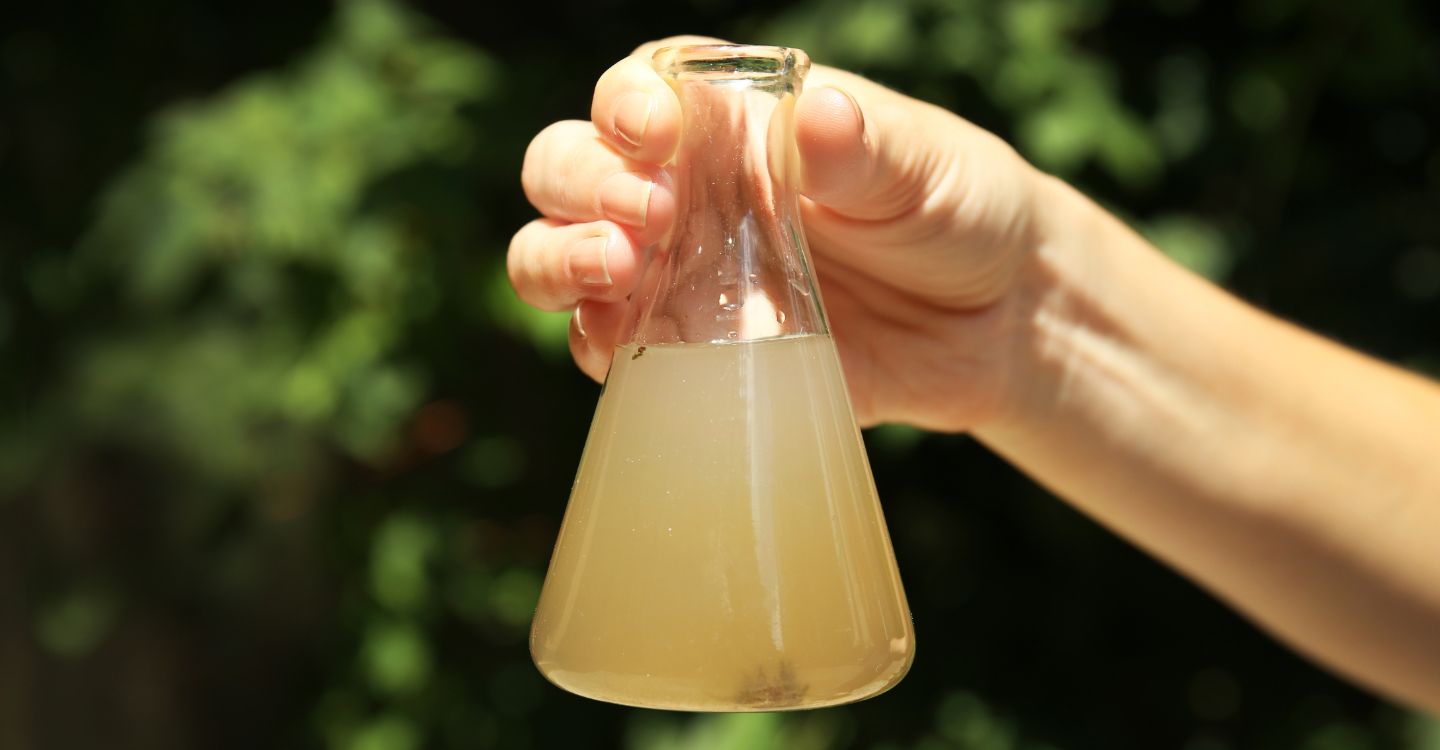
In the early weeks of 2026, residents in the South Bronx began noticing a subtle but persistent change in their tap water. For many in neighborhoods like Mott Haven and Melrose, the water arriving at their kitchen sinks carried a faint tea-colored tint and a distinctly metallic aftertaste. While the New York City Department of Environmental Protection (DEP) often attributes such changes to harmless sediment, a unit-specific laboratory audit of a local Bronx apartment has revealed a more concerning reality: elevated levels of manganese directly following a series of major utility repairs on the nearby water mains.
This incident highlights a critical but often overlooked aspect of urban water safety. While we tend to think of our water quality as a constant, it is actually a highly dynamic variable that can be drastically altered by the physical work performed beneath our city streets. Understanding the science of how utility work triggers these chemical spikes is essential for Bronx families living in areas with aging infrastructure.
The Mechanics of Manganese: From Pipe Scale to the Tap
Manganese is a naturally occurring mineral that is found in many water sources, but it is also a primary component of the “bio-scale” that lines the interior of old iron and galvanized steel water mains. Over decades, this mineral accumulates in the sediment that rests at the bottom of the city’s distribution pipes. Under normal, steady-flow conditions, this sediment remains undisturbed.
However, when utility crews perform work nearby—whether it is a main replacement, a hydrant flush, or a valve repair—the hydraulic conditions inside the pipes change instantly. Rapid changes in water pressure and velocity create a scouring effect, physically stripping the manganese-rich scale from the interior of the mains. This material then travels through the system, eventually finding its way into the service lines of local buildings. In the Bronx apartment in question, the water audit was performed just 24 hours after a major pipe repair on the block, and the results showed manganese levels that were significantly higher than the EPA’s secondary health advisory.
The Sensory Warning Signs: More Than Just “Brown Water”
Residents are often told that discolored water is merely an aesthetic issue. While it is true that manganese is responsible for the yellow, brown, or even black tint in water, labeling it as “aesthetic” ignores the chemical composition of that discoloration. Manganese is a heavy metal, and when it appears in high concentrations, it carries specific sensory markers:
- Color Pulse: Water that appears tea-colored or has black “specks” in it is a classic sign of discolored manganese.
- Metallic Taste: A bitter or metallic flavor that lingers in the mouth, often described as similar to sucking on a penny.
- Staining: Persistent black or dark brown stains on laundry, porcelain tubs, and dishwasher interiors.
In 2026, Bronx tenants are increasingly realizing that these sensory cues are early warning signs of a system-wide failure. On our blog, we have frequently documented how these “sediment events” are the primary vehicle for introducing heavy metals into the home.
The Health Impact: Manganese and the Developing Brain
While manganese is an essential nutrient in very small quantities, the science regarding its toxicity has evolved rapidly. Emerging reports from public health researchers have raised alarms about the impact of elevated manganese on the neurodevelopment of children.
Chronic exposure to manganese in drinking water has been linked to behavioral issues, decreased IQ scores, and impaired motor skills in school-aged children. Unlike lead, which has been a public health focus for decades, manganese is often called an “emerging contaminant” in urban settings. For a family in a Bronx apartment, the “temporary” spike caused by utility work could represent a significant dose of a neurotoxin, especially if the water is used to mix infant formula or for daily cooking. The World Health Organization (WHO) has established guidelines for manganese that are increasingly being adopted as the global standard for safety.
The Vertical Distribution Challenge in the Bronx
The Bronx apartment case also highlighted a unique vertical challenge. The apartment was located in a mid-rise building that utilizes a rooftop storage tank. When the utility work occurred in the street, the “slug” of manganese-rich sediment was pumped directly into the building’s tank.
Because sediment is heavier than water, it settles at the bottom of these tanks, right where the distribution lines for the lower floors are located. This meant that even after the utility work in the street was finished, the building continued to deliver elevated manganese to its residents for days as the sediment was slowly drawn from the tank. This highlights why building-wide reports are often insufficient; a basement test might show clean water while a unit on the third floor is still receiving a concentrated dose of minerals from the tank.
The Reporting Gap: Why Tenants Are Often Left Uninformed
One of the most frustrating aspects for the Bronx resident was the lack of communication. While the utility work was clearly visible in the street, there was no notification provided to the building residents regarding potential water quality changes.
This is a recurring theme in global issues regarding water transparency. Municipal utilities are often only required to notify residents if a “boil water” advisory is in effect due to bacterial risks. However, physical disturbances that trigger metal spikes rarely meet this threshold. This leaves the burden of safety entirely on the tenant. Without an independent laboratory audit, the resident would have had no way of knowing that their “cloudy water” contained an actionable level of a heavy metal.
Practical Steps for Residents After Local Utility Work
If you see utility crews working on water mains or hydrants in your Bronx neighborhood, there are immediate steps you should take to protect your household:
- Flush the Lines: Once the work is completed, run your cold water for at least 15 to 20 minutes to clear the initial pulse of sediment.
- Avoid Hot Water: Do not turn on the hot tap until you have verified the cold water is clear. Drawing sediment into your hot water heater can lead to long-term contamination of your boilers.
- Check the Aerators: Unscrew the screens on your faucets. These often trap manganese and iron “fines” that can leach into your water for weeks after the event.
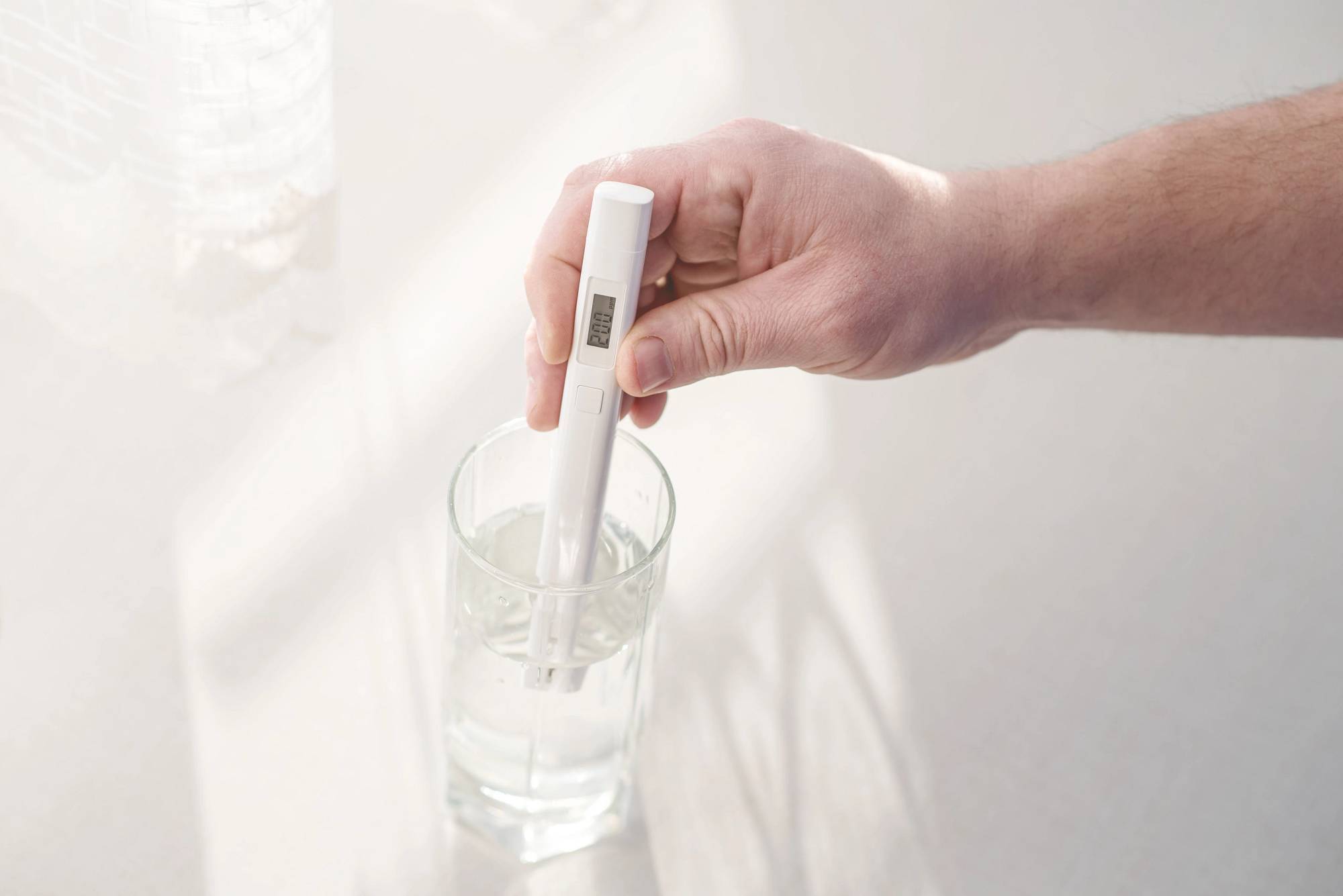
- Independent Sampling: If the discoloration persists for more than 48 hours, order a professional audit. As noted in various reports, a unit-specific test is the only way to verify that the sediment has cleared.
The Importance of Data-Driven Advocacy
The Bronx apartment case serves as a reminder that we must move toward a more proactive model of water safety. In 2026, we cannot rely on “visual” clarity as the sole measure of health. We are seeing a rise in “community data” initiatives where tenants in the Bronx share their lab results to demand better communication from the city and their landlords.
By understanding the science of how infrastructure work impacts our taps, we can turn a localized frustration into a broader movement for transparency. Whether it’s a manganese spike or a lead pulse, the data is what empowers the resident to demand a cleaner, safer Bronx.
Conclusion: Closing the Information Gap
The discovery of elevated manganese in a Bronx apartment following utility work is a wake-up call for the borough. It reminds us that our water safety is intimately connected to the health of the pipes beneath our feet. We must bridge the gap between “utility compliance” and “point-of-use” reality.
The most effective next step for any Bronx resident who has noticed a change in their water color or taste following nearby street work is to move from suspicion to verification. If you have concerns about the global issues of manganese in our water or if you need help interpreting results from a building-wide test, the best path forward is to contact a specialist today. Let the science of laboratory data provide the clarity and safety your family deserves.