Crystal-clear mountain streams, babbling brooks in backcountry forests, and municipal taps in remote international hostels share a deceptive trait: clarity never equals purity. Microscopic pathogens, dissolved heavy metals, and persistent industrial runoff do not carry a distinct color or odor. Venturing off grid or exploring unfamiliar regions without a calculated hydration strategy turns a routine outdoor adventure or vacation into a severe medical emergency. Waterborne illnesses can sideline travelers within hours, triggering debilitating dehydration, electrolyte depletion, and prolonged gastrointestinal distress.
Every natural environment presents distinct hydrological hazards. A glacial meltwater creek carries pulverized rock dust alongside microbial cysts shed by wild animals upstream. Meanwhile, international travel frequently exposes tourists to aged municipal plumbing networks, seasonal pipe fractures, and endemic bacterial strains to which native residents hold immunity. Navigating these varied landscapes demands an informed understanding of treatment methods, biological threats, and field protocols. Grounding your safety routine in an authoritative water quality fundamentals guide provides the essential foundation for assessing field risks before taking your first sip.
The Spectrum of Biological and Chemical Hazards
Safe water sourcing requires matching the appropriate treatment technology to the specific contaminant present in the environment. Treating backcountry rivers differs fundamentally from rendering questionable municipal water potable. Contaminants fall into four primary categories, each demanding a distinct barrier of defense:
- Protozoan Cysts (Giardia lamblia, Cryptosporidium parvum): Measuring between 1 and 15 microns, these hard-shelled parasites thrive in cold backcountry water. Cryptosporidium features an outer protective wall resistant to standard chemical chlorine doses, making mechanical filtration the preferred field remedy.
- Enteric Bacteria (Escherichia coli, Salmonella, Campylobacter): Typically spanning 0.2 to 2 microns in diameter, bacteria enter water sources through mammalian fecal contamination. They succumb readily to microfiltration, boiling, and targeted ultraviolet radiation.
- Waterborne Viruses (Norovirus, Rotavirus, Hepatitis A): Ranging from 0.02 to 0.08 microns, viruses slip through conventional microfiltration pores. While rare in pristine North American wilderness, viral contamination is common in developing regions where human sewage mixes with surface runoff or unsealed shallow wells.
- Chemical Pollutants and Heavy Metals: Agricultural fertilizers, pesticides, mining tailings, and industrial discharge remain unaffected by boiling or standard UV pens. The NIEHS overview of environmental water pollutants highlights how non-biological contaminants can lead to acute toxicity or chronic physiological complications, requiring adsorption or reverse osmosis rather than simple disinfection.
For a detailed breakdown of how each pathogen class behaves across diverse water profiles, consult this overview of common contaminants before mapping out your expedition route.
Backcountry Water Sourcing: Scouting the Landscape
Water treatment starts long before engaging a pump or dropping a purification tablet. Selecting the highest-quality raw source minimizes clogging, prolongs filter life, and reduces chemical demand during purification. Stagnant pools harbor concentrated colonies of cyanobacteria, algae, and rotting organic detritus, which rapidly foul delicate filter membranes.
Prioritize fast-flowing, clear tributaries originating from higher elevations. Avoid collecting downstream from active livestock grazing pastures, agricultural drain tiles, popular alpine campsites, and abandoned mining shafts. When drawing from lakes, submerge your intake hose or collection vessel at least six to twelve inches below the surface to bypass floating pollen, buoyant bio-films, and insect larvae, while keeping clear of the turbid bottom sediment.
Managing Turbidity in the Field
Cloudy or silty water impairs virtually all field treatment systems. Suspended soil particles shield bacteria from ultraviolet rays, neutralize oxidizing chemicals like chlorine dioxide, and instantly blind hollow-fiber filter membranes. Implement a two-stage pre-treatment routine whenever encountering cloudy water:
- Settling: Fill a wide-mouth bucket or reservoir and let it stand undisturbed for 30 to 60 minutes, allowing coarse silt and sand to sink.
- Mechanical Pre-Straining: Decant the clarified top layer through a clean cotton bandana, paper coffee filter, or nylon mesh strainer to capture coarse floating debris before running the water through your primary filtration device.
Primary Field Treatment Technologies: Strengths and Limitations
Backcountry purifiers and portable filters are not interchangeable terms. A filter removes bacteria and protozoa through mechanical exclusion, whereas a purifier neutralizes or captures viruses as well. Choosing the right tool requires balancing weight, operating temperature, and anticipated water quality.
1. Hollow-Fiber Membrane Filters
Modern squeeze, gravity, and inline pump filters rely on bundles of microscopic straw-like tubes with 0.1- or 0.2-micron pores. They offer instantaneous flow rates without chemical wait times or battery requirements. However, hollow fibers harbor a critical vulnerability: freezing. If a saturated hollow-fiber filter drops below 32°F (0°C), ice expansion ruptures the internal capillary walls, rendering the unit useless without showing any exterior cosmetic damage. In sub-freezing conditions, sleep with your filter inside your sleeping bag to safeguard the internal membrane.
2. Chemical Disinfection (Chlorine Dioxide & Iodine)
Chemical treatments offer an ultra-lightweight, fail-safe backup. Stabilized chlorine dioxide drops or tablets release a potent oxygenating biocide capable of killing viruses, bacteria, and resilient Cryptosporidium oocysts. Unlike older iodine preparations, chlorine dioxide does not alter the taste or disorient thyroid function during extended use. The trade-off is time: while bacteria and viruses die within 15 to 30 minutes, destroying Cryptosporidium in near-freezing mountain streams can require a four-hour contact window.
3. Ultraviolet (UV) Purifiers
Handheld battery-powered UV wands disrupt the nucleic acid chains of pathogens, preventing them from replicating inside human host tissue. UV light acts instantaneously against viruses, bacteria, and protozoa alike. Its major limitation lies in water clarity. In murky or tannin-stained water, light cannot penetrate the fluid column uniformly. Users must pre-filter all water to absolute visual transparency and rigorously monitor battery life in cold weather.
4. Thermal Disinfection: The Gold Standard
Boiling remains the most foolproof treatment protocol on the planet. Bringing water to a vigorous, rolling boil for one full continuous minute kills all vegetative bacteria, viruses, and parasitic cysts. At elevations exceeding 6,500 feet (2,000 meters), atmospheric pressure drops, which lowers the boiling point of water; maintain a rolling boil for a full three minutes at these altitudes to ensure thermal pasteurization. The sole drawback of boiling is heavy fuel consumption and the requirement to let water cool before packing.
Urban Travel, Historic Lodging, and Infrastructure Pitfalls
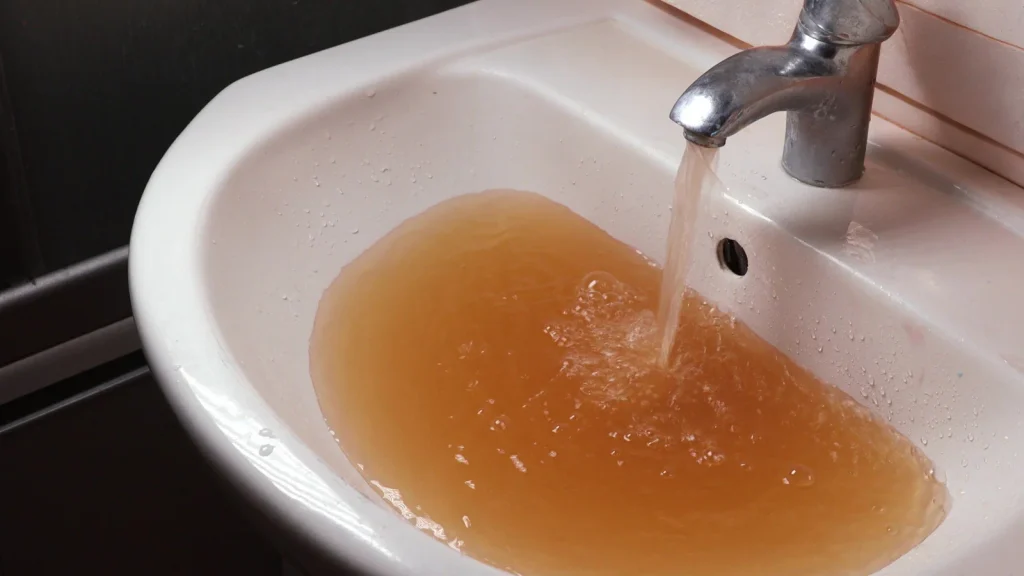
When traveling domestically or internationally, hotel rooms and vacation rentals often pose unexpected plumbing hurdles. Even when a municipality meets rigorous municipal safety standards, aging distribution networks can compromise finished water quality before it reaches your bathroom sink. Structural piping installed before mid-century codes often contains hazardous plumbing solder, galvanized iron, or lead feeder mains.
Backpackers and international travelers transitioning through urban hubs often fail to recognize that municipal testing metrics do not reflect individual tap fixtures. For instance, homeowners and residential property managers frequently schedule accredited lead testing services in Queens to isolate distribution flaws caused by historic service lines, proving that local plumbing materials directly alter tap purity independent of central reservoir treatment. Anyone staying in older accommodations should review this analysis of water quality in older buildings to learn how localized stagnation influences microbial and mineral concentrations.
Reviewing national health benchmarks, such as the EPA Ground Water and Drinking Water guidelines, underscores the reality that potable distribution depends on ongoing infrastructure integrity. When traveling abroad through developing nations, observe the practical rule of thumb: drink only sealed, factory-capped bottled beverages, boil all tap water used for brushing teeth, and avoid consuming raw, unpeeled produce rinsed in standard municipal tap water.
Sanitation, Cross-Contamination, and Camp Hygiene
A high-performance water filter cannot protect you if poor camp sanitary hygiene contaminates the clean vessel. Cross-contamination causes a substantial percentage of backcountry gastrointestinal breakdowns, often incorrectly blamed on filter manufacturing defects.
- Color-Code Your Vessels: Clearly mark all dirty collection bladders with bright orange or red electrical tape. Never interchange caps, intake hoses, or dirty collection pouches with your clean wide-mouth drinking bottles.
- Distance Latrines from Water Sources: Adhere strictly to Leave No Trace principles by depositing human waste in cat-holes dug six to eight inches deep, positioned at least 200 feet (approximately 70 adult paces) away from all creeks, lakes, and drainage channels.
- Separate Hand Washing from Rinsing: Avoid lathering biodegradable camp soap directly inside natural streams. Carry water 200 feet away to lather and rinse hands, allowing soil microbes to filter and break down the soap surfactants safely.
- Dry and Disinfect Equipment Post-Trip: Before packing gear away in long-term storage, flush hollow-fiber filters with distilled water mixed with a micro-dose of household bleach to prevent mold colonies and mildew biofilms from clogging the core fibers.
Frequently Addressed Preparedness Questions
Outdoor enthusiasts continually encounter conflicting advice regarding emergency purification and gear longevity. Reviewing this structured water testing and safety FAQ clarifies technical nuances regarding filter integrity testing, field chemical shelf-life, and storage rules.
For individuals venturing through coastal waterways, alpine snowfields, or desert canyons, specific adjustments apply:
- Snow Sourcing: Melting pristine snow yields biologically pure water, but consuming untreated snow directly drops core body temperature, accelerating hypothermia. Always melt snow in a pot containing a thin layer of liquid water to prevent scorching the bottom of your cookware.
- Desalination: Standard backpacking filters and chemical purifiers do not remove dissolved salts from ocean brine or brackish tidal estuaries. Consuming saline water accelerates cellular dehydration; seek non-saline inland seepage springs or carry sufficient municipal water capacity.
- Mineral Rebalancing: Backcountry water stripped of natural minerals or created via snowpack melting lacks trace electrolytes. Adding rehydration salts or mineral electrolyte packets prevents hyponatremia during demanding multi-day expeditions.
Field Action Protocols for Safe Drinking Water
Staying healthy on the trail or abroad requires an active, multi-barrier strategy. Redundancy is the defining rule of wilderness survival: never venture into remote terrain with only a single method of water treatment. A dropped ceramic cartridge can shatter against granite, an electronic UV lamp can suffer battery failure, and freezing temperatures can compromise hollow-fiber membranes. Always carry a secondary chemical backup, such as individually wrapped chlorine dioxide tablets, tucked safely into your first-aid kit.
Continually expand your tactical knowledge by exploring these water quality blog articles, which monitor shifting environmental regulations, seasonal pathogen blooms, and emerging purification gear. By prioritizing pristine water sources, respecting sediment management protocols, verifying your equipment’s temperature constraints, and maintaining strict camp sanitation, you can confidently explore remote wilderness and travel through unfamiliar destinations without falling victim to preventable waterborne illness.