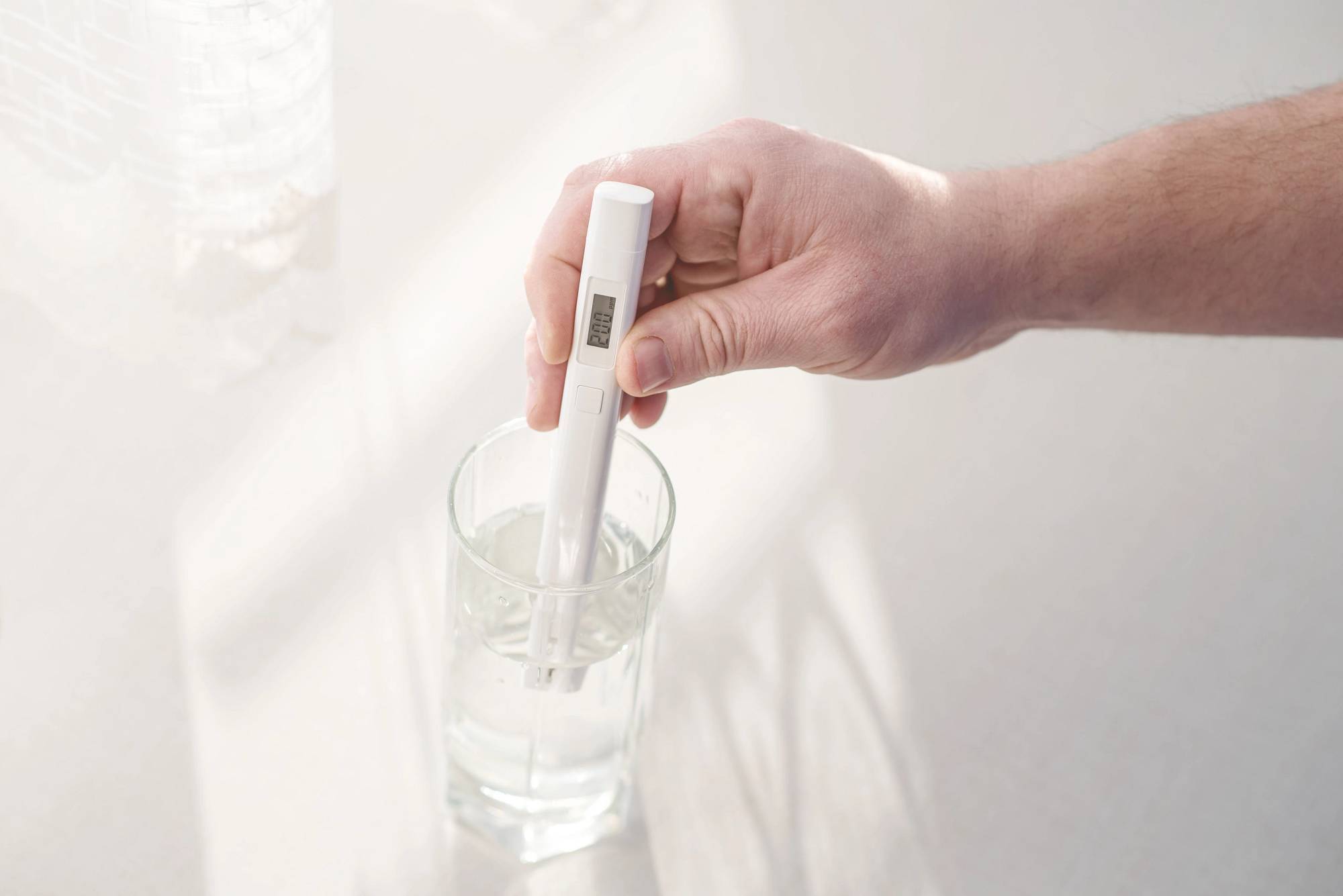
Water quality remains a major global concern, with the United States and European Union establishing standards to control PFAS and other persistent contaminants. These regulations support safe drinking water by setting strict limits and monitoring requirements. Healthcare drinking water testing in Queens helps medical facilities evaluate their water supplies, identify potential hazards, and protect patients, staff, and visitors.
Agencies in both regions strive to protect communities from these dangers. Yet, they employ different enforcement strategies. This article provides an introduction to the legislative milestones, public awareness, and debates on pollution and climate shifts. It prepares the ground for a detailed exploration of how policymakers protect water resources.
Key Takeaways
- Water quality remains a priority in both the United States and the European Union.
- PFAS, or forever chemicals, drive headlines and legal actions.
- Distinct drinking water regulations reflect varied historical and legal traditions.
- Public concern over contaminants continues to influence policy changes.
- Safe drinking water strategies respond to climate and industrial challenges.
- Cooperation across international agencies shapes shared policy goals.
Historical Context of Drinking Water Standards
Ensuring safe drinking water has always been a societal priority. Early efforts to regulate contaminants laid the groundwork for today’s standards. Records from archived regulatory records show a growing push for formal standards to protect public health. Advances in technology and changes in governance led to diverse rules, yet they all aimed at safeguarding communities from harmful pathogens.
Early Federal Initiatives in the U.S.
The first federal benchmarks emerged as lawmakers sought uniform oversight across states. This led to foundational acts that clarified responsibilities and set testing protocols. Over time, this momentum grew, leading to the Safe Drinking Water Act. This act unified guidelines nationwide. Decades of data collection helped identify contaminants needing the tightest control.
Foundational EU Directives
In Europe, a collaborative approach was taken, guided by initial EU directives. These directives aimed to unify diverse national practices. Member countries shared their expertise to create broad requirements, focusing on chemical pollution and its effects. These regulations fostered consistency across borders, evolving into stricter measures as scientific knowledge advanced.
Water Quality Benchmarks in the United States
The Safe Drinking Water Act sets the standard for water safety across the country. EPA regulations establish contaminant thresholds to safeguard public health. This includes emerging threats like PFAS compounds, leading to lawsuits against major chemical companies.
Federal mandates dictate regular testing and updates to acceptable levels. Shifts in political landscapes can influence enforcement timelines, setting new deadlines for revising contaminant levels.
- Permissible contaminant thresholds
- Testing schedules
- Penalties for non-compliance
States may adopt their own standards if federal guidelines seem too lenient.
Recent settlements underscore the conflict between industrial growth and environmental protection. The push for stricter PFAS guidelines reflects a growing demand for lower contaminant thresholds. Researchers advocate for stronger measures to mitigate health risks and uphold the public’s right to clean water.
| Pollutant | Example Threshold | Potential Impact |
| Lead | 0.015 mg/L | Neurological Issues |
| Arsenic | 0.010 mg/L | Elevated Cancer Risk |
| PFAS | Varies by State | Immune System Concerns |
EU Regulatory Framework for Safe Drinking Water
The European Commission ensures a unified legal framework for drinking water across member states. This framework aligns with the EU Water Framework Directive, aiming for clean and healthy water supplies. It establishes harmonized standards for contamination levels, regular testing, and clear reporting.
Recently, a class-based restriction on PFAS has been introduced, showing a commitment to public health. This approach emphasizes early detection and systematic monitoring. The Water Resilience Strategy, launched by the Commission, combines nature-based solutions with the polluter-pays principle. Despite progress, critics highlight the need for more binding commitments.
The Commission’s water strategies serve as a blueprint for enhanced protection and sustainable use. Regional authorities share best practices and targeted campaigns, driving progress. Through shared research, technology investment, and policy refinement, Europe’s drinking water future is being shaped.
Comparative Overview of Key Contaminant Limits
Drinking water guidelines are constantly updated as new research emerges. In the United States and the European Union, legal limits for chemical pollutants and pathogenic microbes are adjusted. This change aims to safeguard public health and adapt to the latest scientific findings.
Chemical Contaminants
Regulatory efforts focus on toxins from industrial and agricultural activities. Nitrate levels in farming areas are closely monitored, and the concern over forever chemicals like PFAS grows. Agencies like the Environmental Protection Agency and the European Commission are exploring stricter limits for these substances to minimize exposure.
Microbiological Standards
Standards against bacterial and viral contaminants are essential for tap water safety. Testing protocols ensure the absence of harmful organisms. This proactive approach prevents waterborne illnesses and limits the spread of disease-causing agents.
Emerging Threats and Updates
New challenges, such as microplastics and antibiotic-resistant bacteria, are being studied. Researchers are working on faster detection methods and better filtration systems to tackle these threats. Policymakers are refining regulations to address contaminants that may pose risks in the future.
| Contaminant | U.S. Limit | EU Limit |
| Nitrates | 10 mg/L | 50 mg/L |
| PFAS | EPA aims at stricter guideline | Revised Drinking Water Directive |
| Coliform Bacteria | Absent in 100 mL | Absent in 100 mL |
Monitoring and Enforcement Structures
In the United States, monitoring programs are a joint effort between the Environmental Protection Agency and state authorities. These partnerships establish compliance mechanisms that ensure public water systems adhere to standards. Local agencies use advanced detection tools to track harmful substances like PFAS and nitrates, preventing them from reaching dangerous levels. The involvement of community groups is key, as they push for swift action when water quality is in doubt.
Inspections are a critical component of this oversight. Field teams meticulously examine equipment, test records, and sampling methods. If consistent issues that threaten public health are found, penalties or legal action may follow. Citizens play a vital role by reporting any irregularities, compelling officials to take action and maintain water safety.
The European Commission closely monitors its member states, illustrating a different approach to federal vs. EU oversight. National authorities implement directives, tailoring them to fit local needs. The outcomes can vary due to differences in resources and capacities among countries. Yet, ensuring water quality remains a priority, with advocacy groups driving reforms where necessary.
Effective enforcement strategies underscore the need for transparency and cooperation. Governments and stakeholders are continually refining policies to address emerging contaminants, expanding protections for communities across the Atlantic.
Role of International Bodies in Shaping Policy
Organizations like the World Health Organization and intergovernmental agencies play a significant role in protecting water sources globally. They provide critical data that leads to updates on contaminants and sets global standards. This data also sparks discussions on new safety measures.
WHO Guidelines
The World Health Organization sets WHO water guidelines to address chemical and microbiological threats. These guidelines help the U.S. Environmental Protection Agency establish limits for emerging pollutants. Continuous research from various laboratories fuels revisions to these benchmarks. It also promotes consistent practices worldwide.
Local Adaptations
Each region faces unique risks and has its own set of resources, influencing policy adaptation strategies. Factors such as industrial discharges and agricultural runoff can differ, leading to stricter surveillance in some areas. European Commission directives, for instance, may align with global standards but adapt to local hazards differently. This approach ensures water management meets both local economic and environmental needs.
Technological Advances in Water Treatment
Scientists globally are on a quest to safeguard municipal water supplies. PFAS contamination is a major concern, leading to significant investments by regulatory bodies like the U.S. Environmental Protection Agency (EPA). Local and national entities collaborate to fund research, aiming to boost public confidence in cutting-edge solutions.
Filtration Innovations
Advanced filtration is a key player in removing persistent pollutants. The American Water Works Association backs research into carbon and membrane systems. These technologies are designed to capture new pollutants, addressing ongoing health issues in communities.
Disinfection Techniques
UV disinfection is gaining traction as a cleaner method to kill microorganisms without adding harmful chemicals. Facilities use custom-made lamps and reactors to neutralize bacteria and viruses. Engineers are continually improving designs to ensure water safety while cutting costs.
Desalination Progress
Desalination is becoming more critical as water scarcity worsens. Companies are exploring energy-efficient membranes and eco-friendly methods. Their goal is to find sustainable solutions that provide fresh water to both arid regions and coastal cities.
Implications for Public Health Practice
Public health authorities aim to safeguard consumer health by tracking contaminants in drinking water. PFAS lawsuits show the legal and financial toll of unchecked contamination. They underscore the severe risks to communities.
Risk assessment is key for setting contaminant limits and for quick action. The Centers for Disease Control and Prevention relies on science to create practical advisories. This keeps consumer health at the forefront. Clear data reporting helps local groups stay involved and work with experts.
Regular quality testing ensures drinking water remains safe, avoiding expensive cleanup needs. Risk assessment helps spot hazards early, averting long court battles and protecting many. Open communication builds trust and prompts swift action in public health efforts.
Cost Analysis and Funding Perspectives
Financial demands impact every upgrade and oversight effort. The U.S. has seen significant settlements due to PFAS contamination, highlighting the financial risks of water pollution. The European Union emphasizes the need for dedicated funding to protect water resources against future threats. Balancing immediate cleanup with preventive measures requires careful planning and wise decisions.
State grants and fee-based models speed up modern water infrastructure solutions. Public awareness and regulatory pressure drive the focus on contamination control and new filtration technologies. Decision-makers aim for sustainable solutions, balancing short-term fixes with long-term resilience.
Infrastructure Investments
Implementing advanced systems and updating old equipment demands significant investment. Local authorities explore rate structures to distribute costs fairly while keeping them affordable. Continuous upgrades aim to prevent future contamination, with each investment focused on addressing critical gaps.
Public-Private Partnerships
Collaborations between municipalities and private innovators are becoming common. These partnerships allow both parties to share financial burdens and leverage each other’s expertise. Joint projects benefit from technical capabilities, reduce legal costs, and streamline processes.
| Cost Element | Estimated Range |
| Infrastructure Overhaul | $5M–$20M |
| Quality Testing & Monitoring | $500K–$2M |
| Legal & Settlement Fees | $2M–$10M |
Climate Change Considerations
Intense temperature and precipitation shifts can disrupt water security in communities. Rising heat and unpredictable rainfall test existing safeguards. This highlights the need for new drought resilience methods in both urban and rural systems.
The European Commission’s Water Resilience Strategy advocates for nature-based solutions. These protect local ecosystems and ensure reliable water flows. In the U.S., some states are exploring groundwater preservation, wastewater recycling, and flood preparation. They aim to reduce extreme weather threats. Public officials are upgrading infrastructure to enhance water safety while conserving resources.
The U.S. Environmental Protection Agency promotes technologies for better drinking water purification and distribution. These efforts tackle water scarcity through cross-sector alliances and strategic planning. The goal is to balance practicality, environmental conservation, and social equity. This creates a protective shield for public health in a changing climate.
Regional Differences and Local Adaptations
Diverse landscapes and climates necessitate tailored approaches to drinking water. State regulations often surpass federal standards, addressing local challenges. Decentralized water management empowers communities to forge their own paths to safe water. This variety shows that water policy is rarely one-size-fits-all.
Variations Within the U.S.
In California, the focus is on emerging chemicals like PFAS. Maine tests rural wells more frequently. Other states have broader guidelines but struggle to update limits for arsenic and nitrate. The balance between cost and innovation is constantly shifting, as local health departments allocate resources based on urgent needs.
Variations Across the EU
EU member states adhere to shared directives but prioritize based on geography and industry. Germany and France, for example, conduct microbiological checks more often. Others refine pesticide rules for agricultural areas or boost public awareness campaigns. This adaptability encourages innovation while maintaining public trust.
| Region | Focus | Example Measures |
| California | PFAS Control | Frequent well inspections |
| Maine | Rural Water Safety | Targeted testing subsidies |
| Germany | Stringent Filtration | Extensive on-site checks |
| France | Microbiological Monitoring | Regular public reporting |
Potential Areas for Collaboration and Harmonization
The United States and the European Union face common challenges from modern pollutants and climate shifts. Both regions struggle with industrial runoff and municipal wastewater issues. By working together, they can launch joint research efforts, speeding up water treatment innovations.
Aligning regulations on chemical limits and testing times can also help. Sharing data fosters trust, while fair oversight ensures compliance. The World Health Organization’s global standards serve as a model for both regions. This alignment simplifies the adoption of new technologies, encouraging investment without unnecessary barriers.
“Coordinated action can spur innovation on advanced filtration and empower local communities worldwide,” noted a recent WHO advisory report.
Several steps can be taken to foster cooperation. These include unified funding initiatives, pilot projects for new disinfectants, and agreements on testing protocols. A clear plan guides policymakers toward shared goals, allowing for flexibility when necessary.
| Focus Area | Sample Action |
| PFAS Standards | Establish universal safety guidelines |
| Data Sharing | Join forces on surveillance methods |
| Infrastructure Grants | Fund collaborative pilot facilities |
Looking Ahead to a Healthier Future
In many places, calls for legally binding actions under the EU Water Resilience Strategy are advancing new commitments. The momentum in the United States is setting fresh targets for stricter contaminant limits and advanced monitoring. These steps reflect a shared desire to protect ecosystems and boost public health.
Scientific breakthroughs in filtration and green infrastructure point to flexible solutions. Industry leaders and local communities are exploring nature-based methods and polluter-pays principles to keep water systems resilient. PFAS and climate pressures remain critical hurdles that demand continuous innovation.
Cooperation across borders can spark a future outlook rich in practical ideas. Shared expertise fosters sustainable water management that values equity, financial responsibility, and strong policies. Lasting improvements rest on transparent collaboration among governments, research institutions, and stakeholders, bringing safe resources to people worldwide.
FAQ
Why is water quality a top concern both in the U.S. and the EU?
Water quality is a critical issue due to its impact on public health and the environment. The presence of contaminants like PFAS and microplastics highlights the need for updated standards. Industrial activities and climate change introduce new risks, making continuous updates essential.
What role did early federal initiatives in the United States play in shaping current drinking water policies?
Early legislative efforts, such as the Safe Drinking Water Act, set the stage for today’s policies. These efforts established maximum contaminant levels (MCLs) for various pollutants. They laid the groundwork for national uniformity in monitoring and reporting, paving the way for measures against emerging threats.
How do EU directives ensure uniform water standards across member states?
The European Union uses harmonized directives, like the EU Water Framework Directive, to set common benchmarks. This ensures consistency across member states. Yet, each country has the freedom to exceed these standards or tailor strategies to its local needs.
Why are PFAS often called “forever chemicals”?
PFAS compounds are called “forever chemicals” because they resist natural breakdown. They accumulate in water sources and living organisms. Both the U.S. and EU are focusing on PFAS regulation through stricter MCLs and enhanced enforcement to mitigate health risks.
How do monitoring and enforcement methods differ between the U.S. and the EU?
In the U.S., the Environmental Protection Agency (EPA) works with state authorities to conduct inspections and issue violation notices. If necessary, they pursue litigation. The EU relies on the European Commission to oversee compliance with directives. Yet, individual countries may vary in enforcement rigor.
What influence does the World Health Organization (WHO) have on water policy?
The WHO provides internationally recognized guidelines for contaminants and safety benchmarks. These guidelines inform both U.S. and EU regulations. Local adaptation can differ based on federal-state dynamics in the U.S. and centralized directives in the EU.
What technological advancements help address emerging contaminants?
Technologies like granular activated carbon filtration, UV irradiation, and ozonation target pollutants such as PFAS and antibiotic-resistant organisms. Desalination is also becoming more important, addressing freshwater scarcity due to climate change.
How do financial considerations impact strategies for securing safe drinking water?
Securing safe drinking water comes with significant costs, including infrastructure investments and legal liabilities. Public-private partnerships help distribute financial risk. Funding mechanisms, such as state grants and EU initiatives, shape modernization efforts.
Does climate change influence water regulation on both sides of the Atlantic?
Yes, climate change increases the urgency to protect water supplies. The EU’s Water Resilience Strategy and U.S. climate adaptation measures both focus on integrating nature-based solutions and long-term resilience planning.
Why do regional differences exist even under federal or union-wide rules?
States like California or Maine may set stricter PFAS limits than federal regulations. In the EU, member states adapt directives to local conditions. This regional autonomy encourages innovation but can lead to uneven standards and confusion.