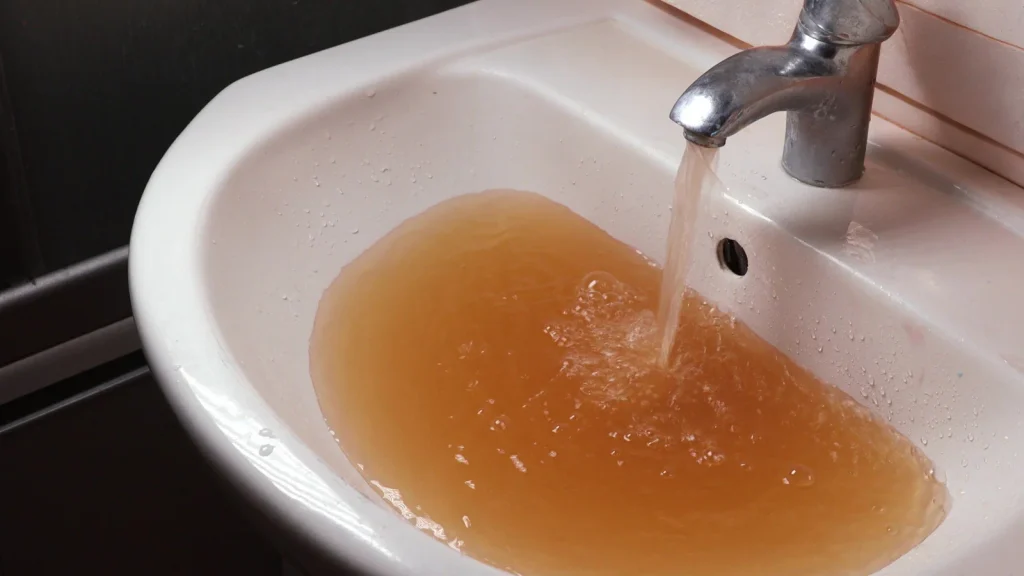
When renters sign a residential lease, they reasonably expect that turning on the kitchen tap will yield clean, potable water suitable for drinking, cooking, and daily sanitation. Yet across apartments, single-family rental homes, and multi-unit residential complexes, tap water quality remains one of the most frequently misunderstood intersections of property law, municipal infrastructure, and tenant safety. Contamination issues involving lead, copper, elevated mineral loads, volatile organic compounds, or microbial pathogens often develop invisibly inside older plumbing configurations or private well setups, leaving tenants wondering where their rights begin and landlords questioning where their statutory upkeep obligations end.
Navigating these issues requires a firm grasp of local housing codes, federal clean water standards, and the operational divide between public water utilities and interior building plumbing. Drawing upon insights from the Water Quality Journal, this guide outlines the statutory duties of residential housing providers, the steps renters must follow to document plumbing-related water concerns, and the practical methods needed to ensure domestic water safety remains uncompromised throughout a tenancy.
The Implied Warranty of Habitability and Residential Water Rights
Every residential lease agreement in the United States—whether formally drafted or established via a verbal month-to-month tenancy—carries an implicit legal covenant known as the Implied Warranty of Habitability. This legal doctrine mandates that property owners supply living quarters that meet basic baseline human living standards, which universally include reliable access to running hot and cold potable water, functioning drainage, and an environment free of serious health hazards.
However, the legal definition of potable water within rental housing statutes often hinges on physical delivery rather than cosmetic aesthetics. If tap water flows freely, meets standard pressure thresholds, and complies with fundamental municipal safety codes, minor complaints regarding water hardness, slight mineral odors, or sulfur aromas do not automatically breach the warranty of habitability unless certified laboratory testing reveals unsafe contaminant concentrations exceeding state or federal Maximum Contaminant Levels (MCLs).
When chemical or bacterial hazards are discovered in rental supply lines, housing providers have a mandatory obligation to correct the underlying structural defects. Reviewing the fundamental mechanics of domestic distribution through our water quality fundamentals guide can help both property managers and tenants understand how utility mainlines interact with interior branch piping to alter physical water conditions.
Landlord Responsibilities: Infrastructure, Upkeep, and Disclosures
Property owners bear full responsibility for the physical plumbing infrastructure situated within property boundaries. While public utilities deliver treated water up to the property curb stop or water meter, everything downstream—including the underground service line, interior riser pipes, water heaters, backflow preventers, and individual fixture faucets—falls under landlord maintenance duties.
Lead Service Lines and Internal Pipe Upkeep
The presence of legacy materials remains a primary source of indoor water contamination. Structures constructed before the 1986 Safe Drinking Water Act amendments commonly feature lead service lines, lead-soldered copper pipes, or vintage brass fixtures capable of leaching toxic heavy metals into standing water. Landlords are legally required to maintain plumbing systems in a state of good repair, which includes addressing pipe degradation, preventing galvanic corrosion, and repairing malfunctioning pressure-relief valves or deteriorating water storage tanks.
Under federal regulations, landlords must disclose known lead hazards prior to lease execution for residential properties built before 1978. Failure to disclose known plumbing deficiencies or refusing to remediate identified lead contamination can expose property owners to severe legal liability, administrative fines from municipal code enforcement agencies, and rent abatement orders.
Private Well Maintenance and Treatment Oversight
Unlike urban rental units connected to monitored civic water systems, rental homes supplied by private groundwater wells operate under distinct legal realities. Municipal suppliers are regulated under the Safe Drinking Water Act, but private domestic wells are exempt from mandatory federal testing schedules. Consequently, the burden of ensuring source water potability falls squarely on the landlord.
Rental housing operators managing private well infrastructure must schedule regular laboratory testing for coliform bacteria, nitrates, arsenic, and heavy metals. When managing unmonitored systems, property owners should align their preventative maintenance schedules with established EPA Ground Water Rule health criteria to ensure disinfection equipment, pressure tanks, and filtration media function reliably against microbial contamination.
Tenant Responsibilities: Reasonable Use, Reporting, and Fixture Care
While landlords oversee structural maintenance, tenants maintain strict duties of care to prevent avoidable contamination, infrastructure degradation, and plumbing failures during their tenancy. A collaborative approach prevents minor maintenance issues from spiraling into costly structural emergencies.
Timely Notification and Damage Mitigation
Tenants hold a primary duty to promptly notify property management when water quality issues emerge. If tap water runs discolored, displays suspended sediment, produces metallic tastes, or shows sudden pressure fluctuations, renters must submit written documentation immediately. Neglecting to report discolored water or minor leaks can cause secondary structural rot, black mold colonization, or prolonged exposure to deteriorating service pipes, which can complicate security deposit refunds and maintenance disputes.
Filter Maintenance and Fixture Care
Renters often introduce point-of-use filtration devices, including countertop filtration units, faucet-mounted purifiers, or showerhead filters. Unless a lease contract specifically includes filter cartridge replacements in the monthly rent, tenants are responsible for servicing the filtration appliances they install. Operating clogged, expired carbon filters creates unintended breeding grounds for bacterial biofilm, which degrades the cleanliness of incoming water.
Tenants should also clean faucet aerators quarterly. Mineral sediment, rust flakes, and pipe scale routinely collect in the mesh screens of kitchen and bathroom faucets, restricting water flow and creating localized reservoirs for bacterial growth. Simple unscrewing, soaking in white vinegar, and rinsing removes these mineral deposits without requiring specialized plumbing work.
Documenting and Diagnosing Tap Water Quality Problems
When physical water quality deteriorates, resolving the issue requires factual evidence rather than subjective impressions. Renters and property managers should use a structured evaluation method to locate the origin of the disturbance before assigning repair costs.
Visual and Olfactory Assessment
- Reddish-Brown or Yellow Tint: Often indicates iron rust dislodged from aging galvanized iron pipes or water heater tank sediment. If discoloration appears exclusively when hot water runs, the water heater anode rod or internal tank lining has likely degraded.
- Blue-Green Staining: Indicates copper pipe corrosion, often triggered by acidic supply water (low pH) or stray electrical currents improperly grounded to interior plumbing lines.
- Cloudy or Milky Appearance: Typically caused by harmless micro-air bubbles trapped under line pressure. If the water clears from the bottom of a glass upward over sixty seconds, the cloudiness is dissolved air. If it settles at the bottom, particulate sediment is present.
- Rotten Egg (Sulfur) Smell: Points to hydrogen sulfide gas produced by sulfur-reducing bacteria colonizing the water heater magnesium anode rod or native groundwater aquifers.
Municipal Mainline Versus Internal Plumbing Diagnostics
Determining whether water contamination originates from municipal distribution mains or interior property plumbing requires a simple comparative test:
- Inspect public utility advisories or examine regional compliance datasets through EPA water quality data and monitoring tools to verify whether neighborhood water mains are undergoing maintenance or flushing operations.
- Draw a cold water sample directly from the outdoor sillcock or main utility entry valve before water traverses internal branch piping.
- Run cold water through individual interior faucets after letting the fixtures sit idle for eight hours (a first-draw sample) to test for localized metal leaching.
- Compare the primary inlet sample against the internal first-draw sample. High contaminant readings isolated to the first-draw sample prove that internal building pipes—rather than civic utility water—are responsible for the problem.
For large multi-family buildings and planned developments, specialized commercial diagnostics are essential. Professional services like water testing for HOA communities in Manhattan provide building associations and property supervisors with actionable laboratory profiles to ensure high-density distribution lines remain fully compliant with regional housing codes.
Testing Protocols and Laboratory Verification
DIY test strips purchased from hardware stores offer quick qualitative screenings, but they lack the calibrated sensitivity required to substantiate official habitability claims or legal enforcement actions. When health hazards like lead, PFAS chemicals, volatile organic compounds, or legionella bacteria are suspected, samples must be processed by an environmental laboratory certified under the National Environmental Laboratory Accreditation Program (NELAP).
Housing providers can cross-reference laboratory test parameters against current EPA chemical contaminant monitoring rules to confirm whether inorganic compounds, synthetic pesticides, or volatile solvents fall within established health-protective tolerances. For step-by-step sampling instructions and testing frequency recommendations, consult our comprehensive water testing and safety FAQ.
Whenever chronic health symptoms or water-associated illnesses arise among household occupants, tenants should immediately seek medical advice from qualified healthcare providers while simultaneously dispatching drinking water samples for professional laboratory analysis. Medical professionals evaluate clinical symptoms, whereas accredited analytical laboratories furnish the verifiable data needed to identify chemical or biological hazards.
Remediation Strategies and Filtration Upgrades
Resolving confirmed contamination requires mechanical or point-of-entry interventions suited to the specific contaminant present:
Whole-Building vs. Point-of-Use Filtration
Point-of-use (POU) filtration units—such as under-sink reverse osmosis systems or NSF/ANSI 53 certified activated carbon filters—offer immediate, localized protection against heavy metals, chlorine byproducts, and microplastics at dedicated drinking faucets. For widespread mineral hardness, iron fouling, or microbiological hazards, landlords must consider point-of-entry (POE) whole-house treatment equipment, including automated water softeners, catalytic carbon contactors, or commercial ultraviolet (UV) disinfection arrays.
Cost Allocation and Lease Modifications
When an existing water supply meets broad legal habitability thresholds but tenants request specialized filtration for aesthetic preferences or ultra-pure drinking water, leases should clearly document operational expectations. Landlords may authorize tenant-funded under-sink systems via written lease riders that define who pays for installation, who manages cartridge maintenance, and who covers restoration expenses when vacating the property. Renters can locate validated product benchmarks and treatment guidelines by reviewing our curated collection of drinking water safety resources.
Step-by-Step Dispute Resolution for Contaminated Rental Water
When tests confirm that rental water violates safety codes and a property manager fails to take corrective measures, tenants must navigate legal remedies carefully to protect their tenancy standing:
- Compile Written Evidence: Assemble state-certified laboratory test reports, dated photographic logs of discolored fixtures, and copies of initial maintenance requests.
- Send Formal Notice of Defect: Deliver a formal, written notice via certified mail with return receipt requested. State clearly that the domestic water supply fails local housing standards, attach the certified laboratory findings, and set a reasonable repair deadline (typically 14 to 30 days depending on statutory jurisdiction).
- Request Municipal Code Inspection: Contact municipal health departments or local housing code inspectors. A formal citation from a municipal building inspector provides authoritative documentation of habitability breaches.
- Utilize Legal Remedies with Caution: In jurisdictions where statutory repair-and-deduct statutes or rent escrow procedures exist, tenants may withhold rent or fund plumbing repairs directly from rent allocations. These legal mechanisms carry strict statutory prerequisites; renters should consult a licensed tenant rights attorney or legal aid organization before withholding rent payments to avoid retaliatory eviction filings.
Property owners dealing with complex plumbing renovations or persistent contamination challenges can contact our water specialists for independent guidance on testing protocols, remediation equipment sizing, and tenant communication strategies.
Proactive Water Safety for Rental Communities
Clean domestic water requires consistent attention from both property managers and tenants. By understanding where legal responsibilities lie, maintaining internal pipe networks, and scheduling certified laboratory testing whenever water aesthetics or properties change, rental housing providers and tenants can work together to ensure household water remains healthy, clean, and reliable year-round.