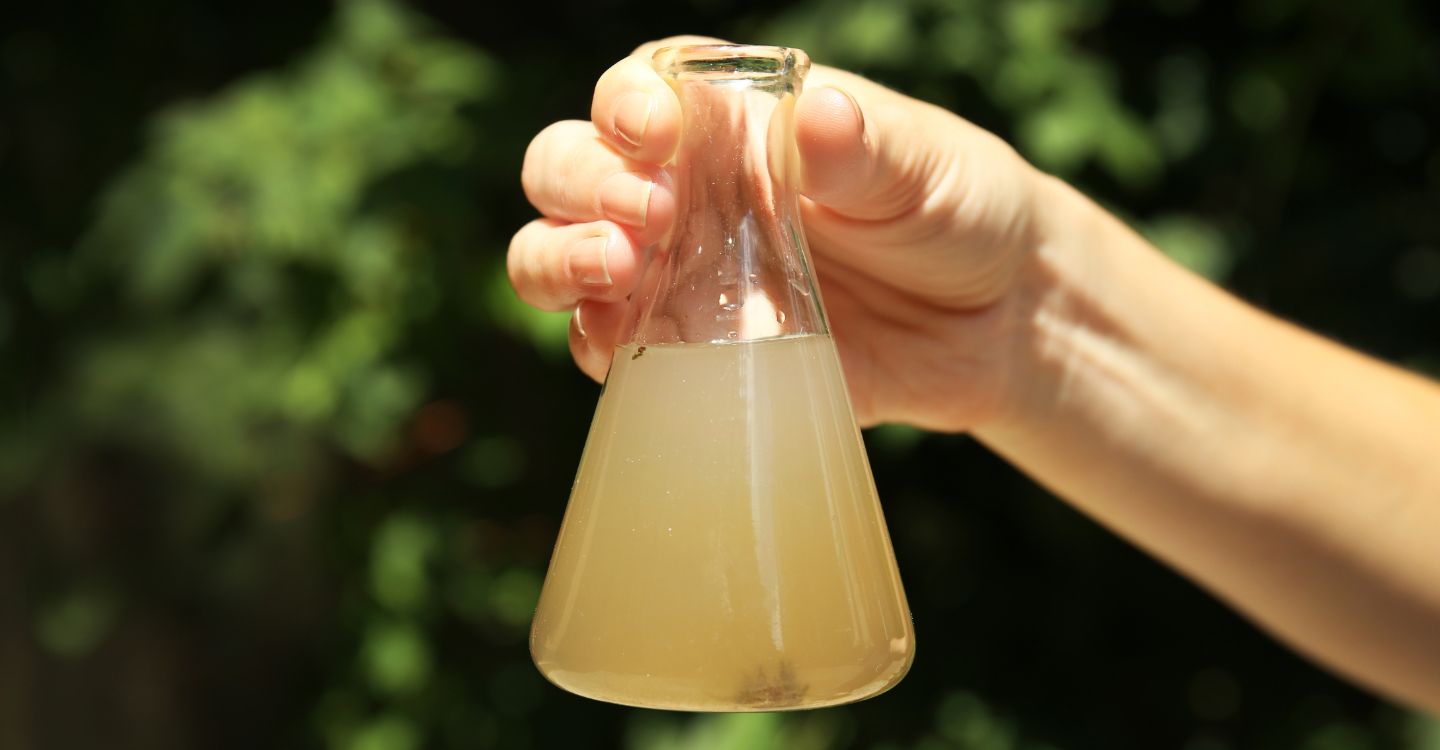
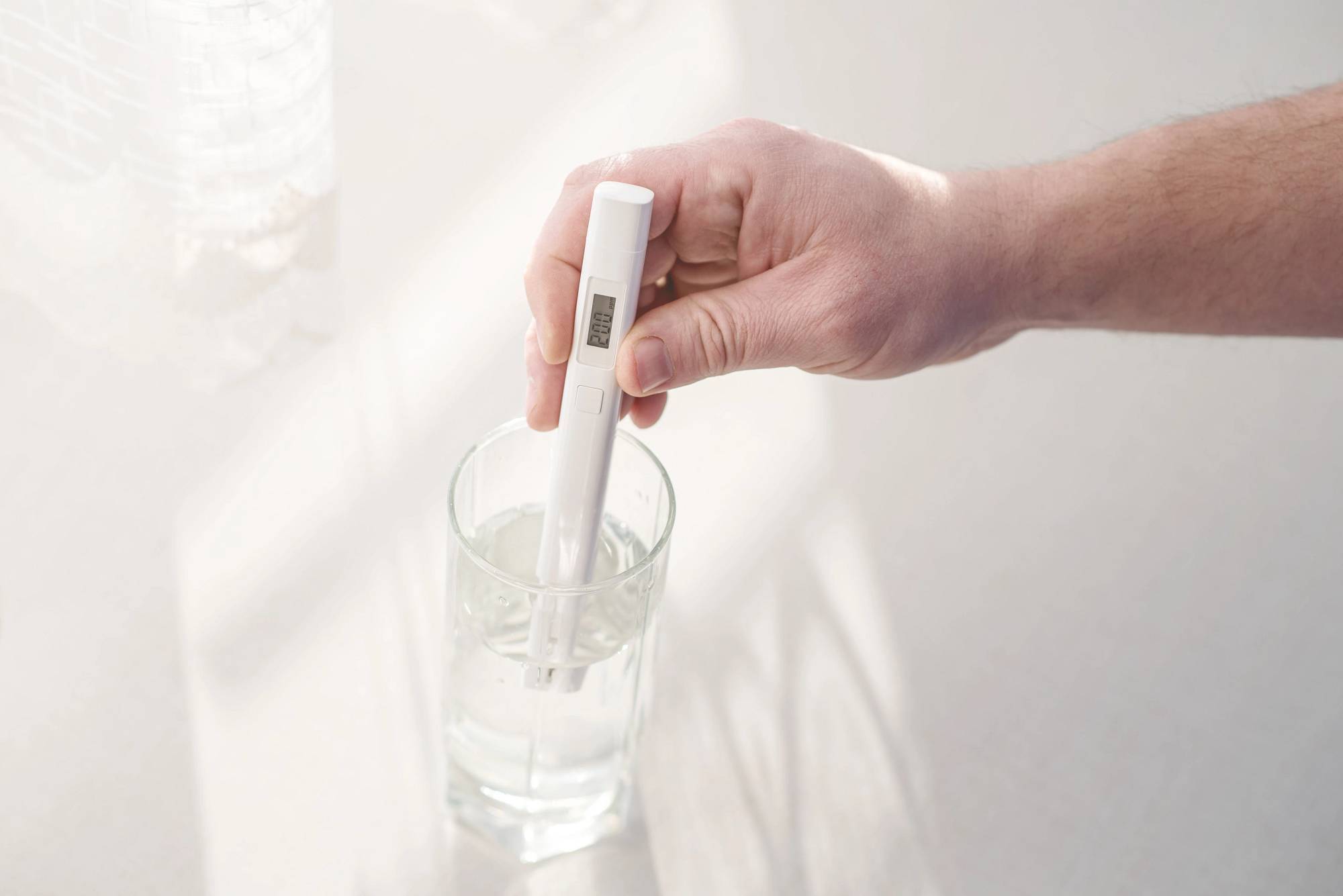
In the construction industry, a builder’s reputation is often anchored to the durability of their work. For decades, a standard home warranty covered structural defects, roof leaks, and electrical failures, while plumbing warranties were largely focused on the mechanical integrity of joints and the functionality of appliances. However, a silent shift is occurring under the floorboards and behind the drywall. Residential and commercial builders are facing a surge in warranty claims that have nothing to do with poor workmanship and everything to do with the chemistry of the water flowing through the pipes.
From pinhole leaks in copper tubing to the premature failure of high-efficiency tankless water heaters and the rapid tarnishing of luxury finishes, water quality is becoming a primary driver of post-closing liability. As builders grapple with these rising costs, they are moving away from a “hook it up and hope” mentality toward a more sophisticated, data-driven approach to water management.
The Pinhole Leak Epidemic and Material Failure
One of the most expensive warranty calls a builder can receive involves systemic pipe failure. In many regions, builders are seeing copper pipes fail within three to five years—a fraction of their expected thirty-year lifespan. While homeowners often blame “cheap pipes,” the science usually points to aggressive water chemistry.
High chloride levels, low pH, and fluctuating alkalinity can prevent the formation of the protective “patina” that keeps copper stable. Instead of a uniform layer of protection, the water creates localized pits that eventually eat through the pipe wall. When this happens across an entire multi-family development, the warranty claims can reach six or seven figures. Forward-thinking builders are now analyzing their local water profiles before selecting piping materials, realizing that a “one-size-fits-all” approach to plumbing is a fast track to litigation.
High-Efficiency Appliances: The New Vulnerability
Modern building codes and “green” initiatives have pushed builders toward high-efficiency appliances, specifically tankless water heaters and high-output boilers. These units are engineered with tight tolerances and thin-walled heat exchangers to maximize energy transfer. However, these precision components are incredibly sensitive to water quality.
Hard water—rich in calcium and magnesium—causes rapid scale accumulation inside these units. Even a thin layer of scale can cause the heat exchanger to overheat and crack, leading to a total unit failure. If a builder installs these units in a local area known for hard water without recommending or installing a softening system, they often find themselves replacing expensive appliances under warranty just twelve months later. This “efficiency paradox” is a recurring theme in the specialized reports we provide to the construction sector: the more efficient the building, the more vulnerable it is to water-borne damage.
The Biological Factor: Biofilm and Fixture Failures
Warranty claims aren’t always about catastrophic leaks; they are often about “nuisance” failures that erode buyer trust. Modern luxury fixtures, such as thermostatic mixing valves and touchless faucets, rely on delicate ceramic cartridges and solenoid valves. These components are highly susceptible to “bio-fouling”—the buildup of slimy biofilms that can occur when disinfectant residuals are low.
When a high-end shower system stops providing consistent temperature control, the homeowner calls the builder. While the builder may replace the cartridge under warranty, the root cause—poor water quality and bacterial growth—remains in the system, leading to a cycle of repeat claims. By understanding the microbial ecosystem of a building’s plumbing, builders can move from reactive repairs to proactive water treatment strategies.
The Global Shift in Construction Liability
This is not a regional phenomenon; it is part of a series of global issues as aging municipal infrastructure and changing water treatment methods alter the chemical makeup of the water reaching our buildings. In many parts of the world, the shift from chlorine to chloramines has inadvertently increased the corrosivity of water toward certain rubber gaskets and lead-free brass alloys.
Builders who operate internationally or across state lines are finding that their “standard” plumbing spec works in one city but fails in another. This has led to a surge in pre-construction water testing. By establishing a chemical baseline for a site, a builder can adjust their material specifications—switching from copper to PEX, or from brass to stainless steel—before a single warranty risk is built into the walls.
Mitigating Risk Through Professional Commissioning
To combat the rise in water-related warranty claims, the industry is adopting more rigorous “commissioning” protocols. Building commissioning used to be limited to checking for leaks and verifying water pressure. Today, it involves chemical verification.
Sophisticated builders are now conducting “flush and test” procedures before handing over the keys. This ensures that the construction process itself hasn’t introduced sediment or bacteria into the system and that the water chemistry is stable. On our blog, we frequently examine how these commissioning steps can significantly reduce the long-term maintenance burden for both the builder and the new owner.
The Role of Homeowner Education
A significant portion of water-related warranty disputes arises from a lack of homeowner education. If a builder installs a high-performance home, they must provide the owner with a manual on how to maintain the water quality. This includes instructions on how to service salt-free conditioners, when to change sediment filters, and why maintaining a specific water temperature is vital for both safety and pipe health.
When a builder can prove they provided the necessary maintenance guidelines, they are much better protected against “negligence” claims. Transparency is the best defense. Providing a baseline water report at the time of sale sets a benchmark: if the water quality degrades later due to poor homeowner maintenance, the builder’s warranty is no longer the primary liable party.
Designing for Water Age and Stagnation
One of the newest lessons builders are learning is the danger of “water age.” In large, modern homes with multiple guest bathrooms and complex recirculating loops, water can sit stagnant for days. Stagnant water is chemically aggressive and biologically unstable.
Engineers are now flagging “over-piping” as a warranty risk. By designing more compact, efficient plumbing layouts, builders can reduce the volume of stagnant water, thereby preserving the disinfectant residual and protecting the pipes. This intersection of architectural design and water chemistry is a field we are following closely, as it represents the future of durable building practices.
The Importance of Partnership
Because water chemistry is invisible and constantly changing, builders cannot be expected to be experts in every nuance of the local aquifer. Successful developers are increasingly partnering with water quality specialists to conduct site-specific audits. These experts can identify high chloride levels, corrosive pH balances, or high sediment loads that would otherwise go unnoticed until a pipe bursts three years later.
If you are a builder looking to reduce your warranty exposure or a developer planning a new project, we invite you to reach out through our contact page. Our team can help you interpret lab results and choose the materials that are best suited for your specific location.
Conclusion: Building for the Long Term
The construction industry is entering a new era where “quality” is measured by more than just square footage and curb appeal. The integrity of the water system is a fundamental component of a building’s health and the builder’s financial security. As warranty claims continue to highlight the impact of poor water quality, the industry is moving toward a standard where every new build starts with a lab report.
By respecting the chemistry of the water, builders can protect their reputations, their bottom lines, and most importantly, their customers. A house is only as strong as the systems that sustain it, and in the modern age, that means ensuring the water flowing through its veins is as stable as the foundation beneath it.