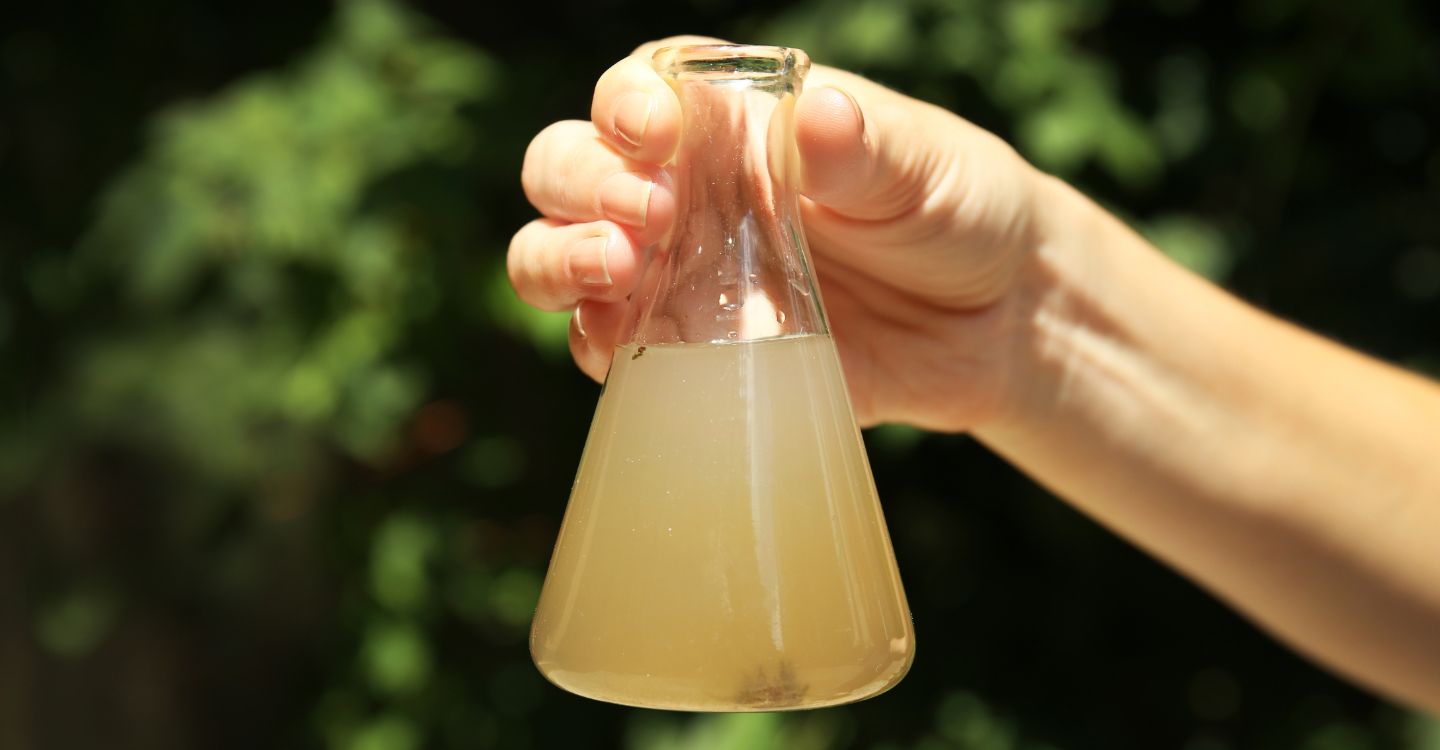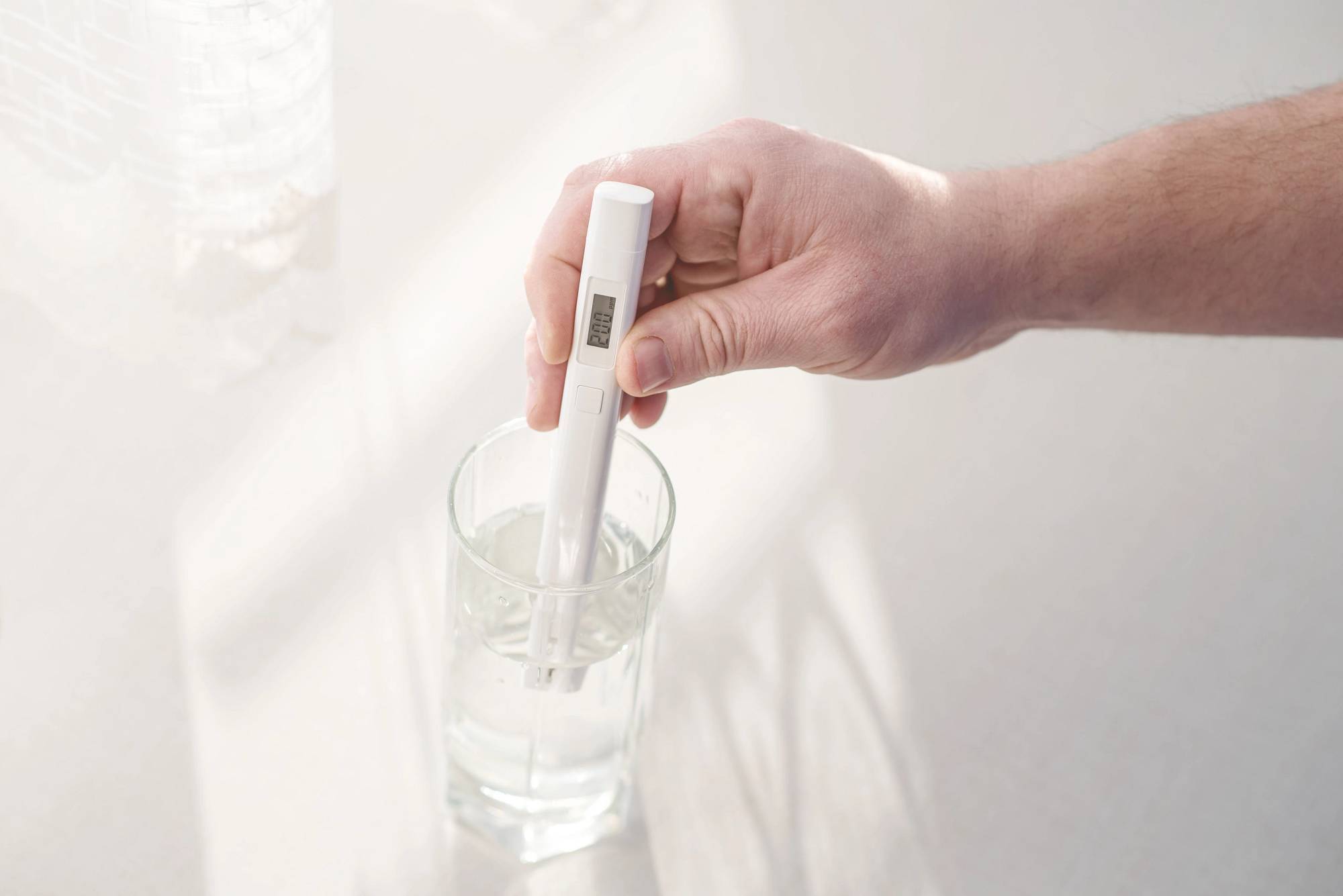
For decades, the standard operating procedure for residential and commercial builders was relatively straightforward: connect to the municipal water main or a permitted well, verify pressure, and move on to the next phase of construction. However, the landscape of modern plumbing and infrastructure is shifting. Across the country, builders are reporting a disturbing trend of premature pipe failure, “pinhole” leaks in brand-new copper systems, and the rapid degradation of high-end faucets. The culprits are often invisible—high chloride levels and a rising corrosion index—leading a new generation of proactive builders to implement comprehensive pre-installation water testing as a mandatory part of the construction timeline.
This shift marks a move toward “preventative plumbing.” By understanding the chemical makeup of the water before a single pipe is laid, builders can match their materials to the specific water chemistry of the site, avoiding million-dollar liabilities and ensuring the long-term integrity of the structure.
The Rising Chloride Threat
Chloride is one of the most aggressive ions found in water supplies. While it occurs naturally in many aquifers, its concentration in municipal and private water sources has been steadily increasing. In many regions, this is a result of road salt runoff during winter months, saltwater intrusion in coastal areas, or the over-softening of water using traditional ion-exchange systems.
When chloride levels exceed certain thresholds—often cited as 250 mg/L by the Environmental Protection Agency (EPA)—the water becomes highly conductive and corrosive to metals. For a builder, this is a ticking time bomb. High chloride levels strip away the protective “patina” that naturally forms inside copper pipes, leading to localized corrosion. Without pre-install testing, a builder might install miles of copper tubing in a luxury high-rise, only to have the system fail within three to five years due to chloride-induced pitting.
Understanding the Corrosion Index
To accurately predict how water will interact with plumbing materials, engineers and builders use various “corrosion indices,” such as the Langelier Saturation Index (LSI) or the Ryznar Stability Index (RSI). These formulas take into account pH, alkalinity, calcium hardness, and temperature to determine if water is “scale-forming” or “aggressive.”
Aggressive water—water with a negative LSI—is essentially “hungry.” Because it lacks dissolved minerals, it seeks to balance itself by dissolving the metals it touches. In our science section, we detail how even a slight shift in a building’s LSI can turn a stable plumbing system into a reactive environment. Builders are now realizing that relying on a city’s annual water report is insufficient; the LSI can change as water travels through the distribution network or sits in a building’s storage tanks, making on-site, pre-install testing a necessity for accurate material selection.
Material Selection: Beyond the Standard Specification
In the past, plumbing specifications were largely dictated by cost and local building codes. Today, they are increasingly dictated by lab results. If pre-install testing reveals high chloride levels or a highly aggressive corrosion index, a builder may opt to move away from copper entirely, favoring PEX (cross-linked polyethylene) or specialized stainless steel alloys.
However, even plastic piping isn’t immune to water chemistry issues. High levels of chlorine—used as a disinfectant—can cause certain types of plastic piping to become brittle over time. This illustrates the complexity of the modern build: there is no “universal” pipe material that works in every environment. The builder’s goal is to find the “chemical fit” between the water and the hardware. This proactive approach is a cornerstone of the specialized reports we provide to the construction industry, where data-driven material selection is the new gold standard.
The Financial Stakes: Liability and Warranty Claims
The push for pre-install testing is also being driven by the insurance and legal industries. When a brand-new building suffers from systemic pipe failure, the ensuing litigation is exhaustive. Developers, general contractors, and plumbing subcontractors often find themselves in a “blame game” regarding who was responsible for verifying the compatibility of the water and the pipes.
By implementing a mandatory testing protocol at the start of a project, builders create a “defensible data set.” If the water is found to be highly corrosive, they can issue a change order for more resilient materials or include a point-of-entry water treatment system in the initial design. This transparency protects the builder from future warranty claims and provides the buyer with peace of mind. This is an increasingly local issue, as specific municipalities grapple with changing source water that is catchng builders off guard.
The Impact of High-Efficiency Systems
Modern buildings are designed to be “green,” featuring low-flow fixtures and high-efficiency boilers. While excellent for the environment, these systems are often more sensitive to water chemistry than the robust, “wasteful” systems of the past. High-efficiency heat exchangers, for example, have very thin walls to maximize heat transfer. If the water has a high corrosion index, these expensive components can fail in a fraction of their intended lifespan.
Furthermore, low-flow fixtures increase “water age,” allowing more time for chemical reactions to occur within the pipes. A builder who ignores the chloride levels in a LEED-certified building is essentially sabotaging the very efficiency they are trying to achieve. This intersection of sustainability and chemistry is a recurring theme in our global issues coverage, as modern architecture struggles to adapt to deteriorating water quality.
The Role of Secondary Treatment in New Builds
For many builders, the lab results don’t just change the pipes; they change the mechanical room. If a site is found to have a high chloride content or an unstable pH, the builder may integrate secondary treatment systems into the build from day one. This might include:
pH Neutralizers: To balance acidic water and prevent copper leaching. Phosphate Injection: To coat the interior of pipes and provide a protective barrier against corrosion. Reverse Osmosis (RO): For specific high-priority lines to remove chlorides and other aggressive ions.
By treating the water as it enters the building, the builder can ensure that the entire internal infrastructure is protected. We discuss the latest in treatment technology frequently on our blog, helping builders stay ahead of the curve in water management.
The New Standards for Commissioning
“Commissioning” is the process of verifying that all of a building’s systems are functioning as intended. Historically, water commissioning was limited to checking for leaks. Now, it is evolving into a chemical verification process. Builders are conducting “post-install” tests to compare with their “pre-install” benchmarks, ensuring that the construction process itself hasn’t introduced new contaminants or imbalances.
This “cradle-to-grave” water monitoring is becoming a requirement for high-end residential and commercial projects. It ensures that when the keys are handed over, the plumbing is not just functional, but chemically stable. For builders looking to implement these new standards, our contact page offers a direct line to specialists who can assist in designing testing protocols for any scale of project.
Conclusion: Building for the Long Term
The trend of pre-install testing for chlorides and corrosion indices is a sign of a maturing industry. As we move away from a “one-size-fits-all” approach to plumbing, we are entering an era of bespoke infrastructure—systems designed specifically for the water they carry. For builders, the initial cost of a comprehensive lab test is a minor investment that pays massive dividends in the form of reduced liability, improved reputation, and truly durable buildings.
The silent deterioration caused by aggressive water chemistry doesn’t have to be a mystery. With the right data in hand, builders can move forward with confidence, knowing that the “veins” of their buildings are built to last as long as the foundations.