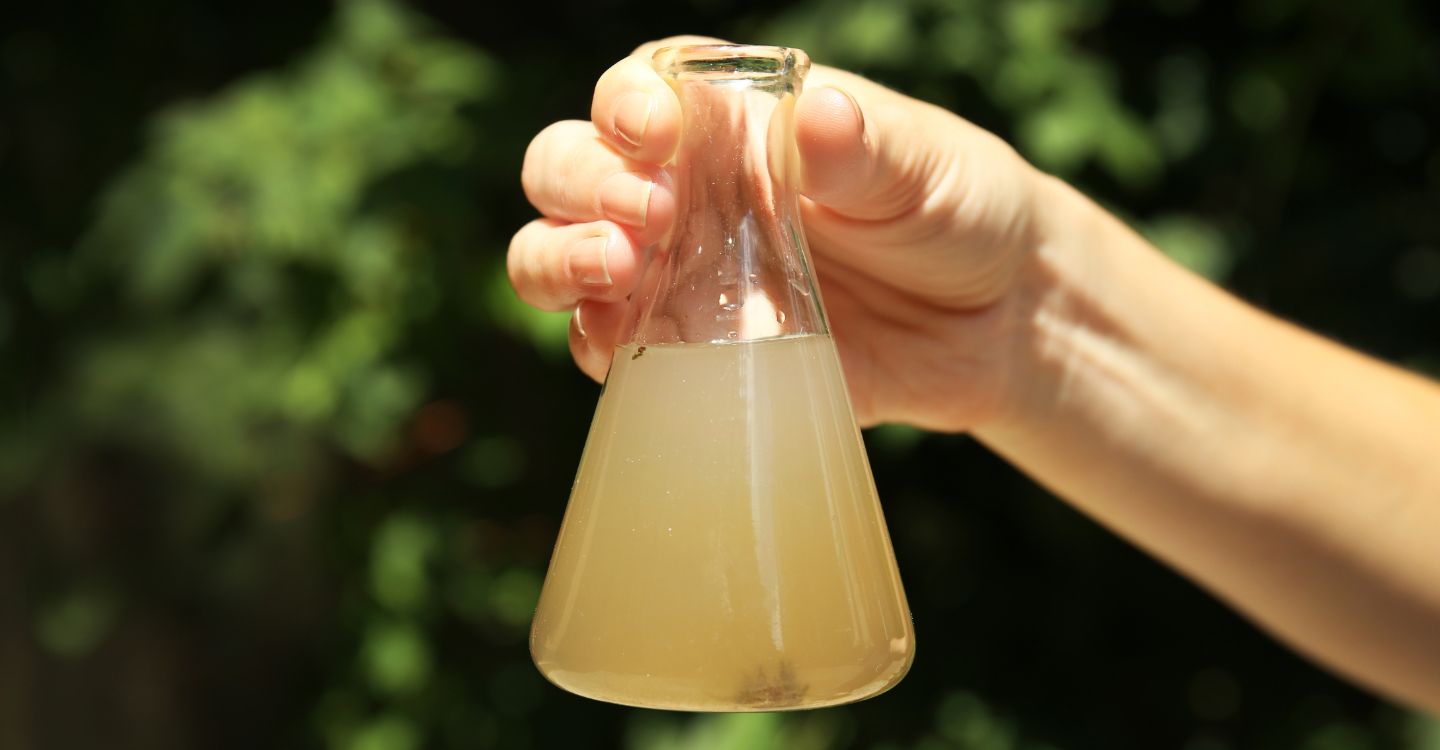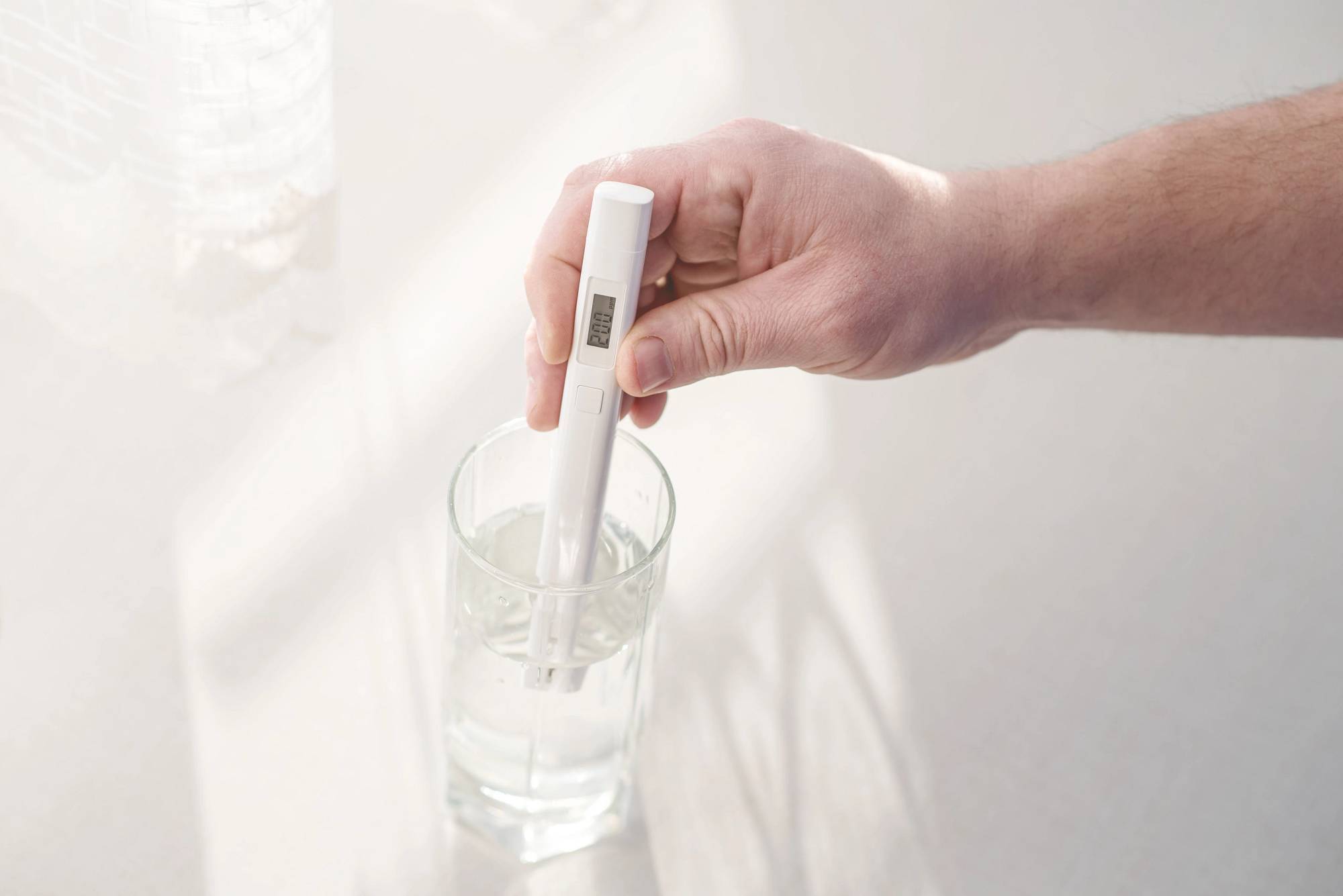
In the New Jersey residential real estate market, the Private Well Testing Act (PWTA) has long been a mandatory hurdle for any property transaction involving a private well. Established to ensure that residents are not unknowingly consuming arsenic, gross alpha, or volatile organic compounds, the PWTA is one of the most stringent environmental laws in the United States. However, in recent years, the role of these test results has evolved. No longer just a “pass/fail” check for a real estate closing, PWTA data is now fundamentally influencing the architectural and interior design of new builds and major renovations across the Garden State.
Homeowners and developers are increasingly using these lab results to dictate the physical hardware of the home. From the metallurgy of kitchen faucets to the internal components of high-end shower systems, the chemical profile of New Jersey’s groundwater is now the primary architect of the modern plumbing stack.
The PWTA as a Design Blueprint
New Jersey’s geology is incredibly diverse, ranging from the iron-rich soils of the Highlands to the acidic, sandy aquifers of the Pine Barrens. When a builder receives a PWTA report, they are looking at a chemical fingerprint that tells them exactly how the water will behave once it hits the home’s fixtures.
If the report shows a low pH (acidic water), the water is “hungry” and aggressive. In this scenario, installing standard brass fixtures can be a disaster, as the acidic water will leach lead and copper from the alloys, leading to premature failure and health risks. Consequently, we see a rise in the selection of 316-grade stainless steel fixtures or specialized PVD (Physical Vapor Deposition) coated hardware that provides a non-reactive barrier. This data-driven approach is a core part of the science behind modern home building; you cannot select the “best” fixture without first understanding the solvent that will flow through it.
Hardness and the High-End Fixture Crisis
Many new builds in North and Central Jersey grapple with extreme water hardness—high concentrations of calcium and magnesium. While not a direct health hazard, “hard” water is the enemy of modern luxury fixtures. High-end rain showerheads and thermostatic mixing valves are engineered with precision tolerances. A single season of hard water can clog the silicone nozzles and seize the ceramic cartridges, turning a five-thousand-dollar shower system into a useless wall ornament.
By analyzing PWTA results during the framing stage of a build, homeowners are making informed decisions about whole-house softening systems versus point-of-use protection. In areas with high mineral content, builders are steering clients toward fixtures with “easy-clean” finishes and accessible cartridges that can be serviced without tearing out the tile. This proactive maintenance mindset is a recurring theme in our reports, as the cost of “fixture failure” in luxury builds continues to skyrocket.
Arsenic and Gross Alpha: Moving Beyond the Wellhead
New Jersey is a local hotspot for certain naturally occurring contaminants like arsenic and radiological parameters (gross alpha). While the PWTA requires these to be addressed at the wellhead or point of entry, the presence of these contaminants often dictates the “plumbing redundancy” of the home.
For instance, if a PWTA report shows high arsenic levels, a builder may choose to install dedicated “potable lines” to the kitchen and wet bars that utilize secondary, specialized filtration. This ensures that even if the primary treatment system has a momentary breakthrough, the drinking water remains pristine. This level of “layered defense” is becoming standard in New Jersey custom builds, mirroring global issues where decentralized water treatment is becoming a necessity in high-end residential architecture.
The Corrosion Constant: Protecting the Investment
One of the most expensive “surprises” for a new homeowner is the rapid tarnishing of fixtures. In many parts of New Jersey, the groundwater contains high levels of manganese and hydrogen sulfide. These elements can cause black staining or a “rotten egg” odor that permeates the home.
When a builder sees these indicators on a PWTA report, they often suggest moving away from “living finishes” like unlacquered brass or oil-rubbed bronze. These materials react instantly with sulfur and manganese, changing color and corroding within weeks of installation. Instead, chrome or high-quality brushed nickel—which offer better chemical resistance to New Jersey’s unique water “cocktail”—become the preferred choices.
The Rise of Smart Fixtures and Water Quality Sensors
As the PWTA makes New Jersey residents more “water literate,” we are seeing an explosion in the installation of smart plumbing fixtures. These systems don’t just measure flow; they monitor the health of the water in real-time. If the incoming water chemistry shifts—perhaps due to seasonal runoff or a change in the aquifer—the system can alert the homeowner before the aggressive water has a chance to damage the home’s expensive plumbing infrastructure.
We frequently cover the intersection of technology and water safety on our blog, where we highlight how “connected” homes are using lab-grade sensors to maintain the integrity of their water supply. In New Jersey, where the PWTA has already normalized the idea of regular testing, these smart systems are finding a very receptive market.
The Impact on Real Estate Value and Compliance
The New Jersey Department of Environmental Protection (NJDEP) requires that PWTA results be shared between buyers and sellers, but the savvy builder goes a step further. By creating a “Water Infrastructure Manual” for the new home—which includes the initial PWTA results and a list of fixtures selected specifically for that water profile—they are significantly increasing the resale value of the property.
A buyer is much more confident purchasing a home when they know that the plumbing wasn’t just “installed,” but was “engineered” to handle the specific challenges of the local well water. This transparency eliminates the “fear factor” often associated with private wells and turns the water system into a documented asset rather than a hidden liability.
The Importance of Professional Interpretation
A PWTA report is a dense document filled with chemical symbols and parts-per-billion measurements. For a builder or homeowner, interpreting these results in the context of fixture selection requires a specialist’s eye. It’s not just about meeting the state’s minimum safety standards; it’s about understanding the long-term interaction between the water and the metals, plastics, and ceramics that make up a modern plumbing system.
Choosing the wrong faucet for a high-iron well in Hunterdon County is an expensive mistake. Choosing the wrong pipe material for an acidic well in Atlantic County can lead to a systemic failure of the entire home. This is why we encourage anyone building or renovating in New Jersey to treat their PWTA results as a design document, not just a legal requirement.
Final Thoughts on New Jersey Water Design
The Private Well Testing Act has done more than just protect the health of New Jersey residents; it has changed the way we build. By forcing a confrontation with the reality of groundwater chemistry, the PWTA has moved water quality to the forefront of the design process. In the modern New Jersey home, the fixtures are no longer chosen just for how they look in a showroom—they are chosen for how they will survive the reality of the water beneath the ground.
If you are embarking on a new build or a major renovation and need help translating your PWTA results into a plumbing and fixture strategy, we are here to help. Our team specializes in bridging the gap between the lab and the living room. Visit our contact page to start a conversation about your project and ensure your home’s water system is built to last.
For more insights into the evolving landscape of water safety and residential technology, be sure to check back with our blog for the latest updates on New Jersey standards and beyond.