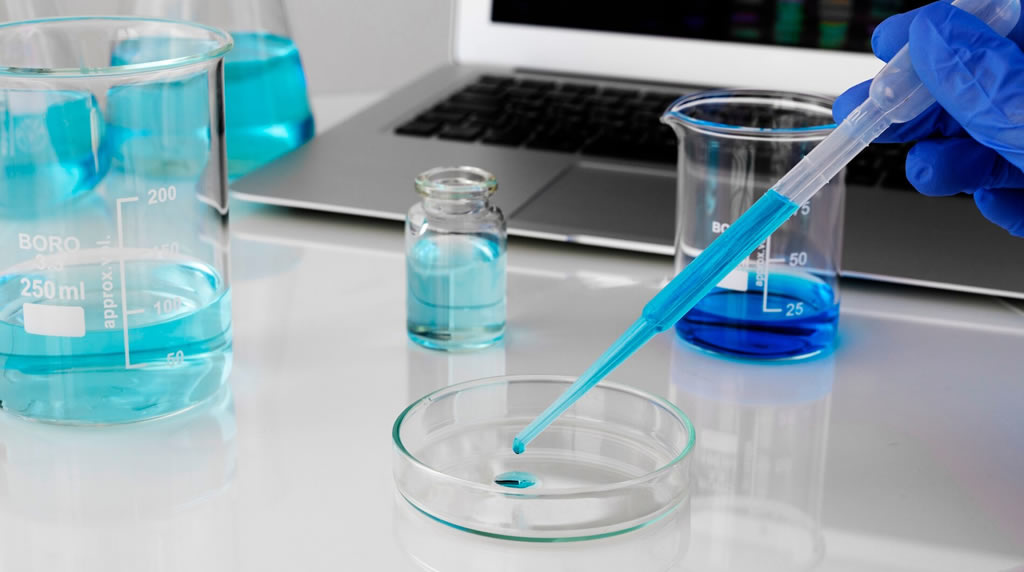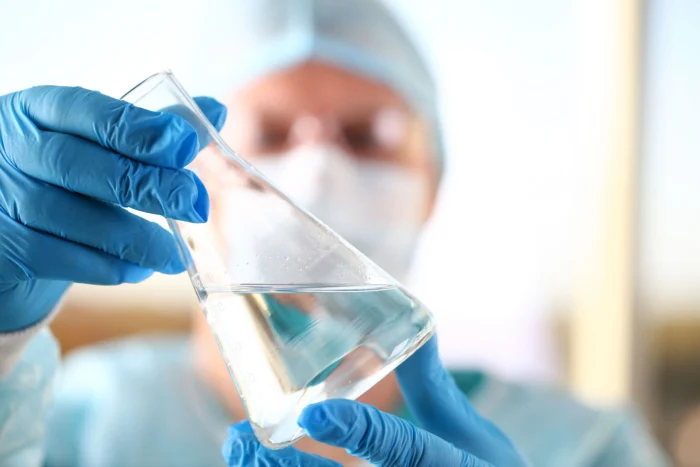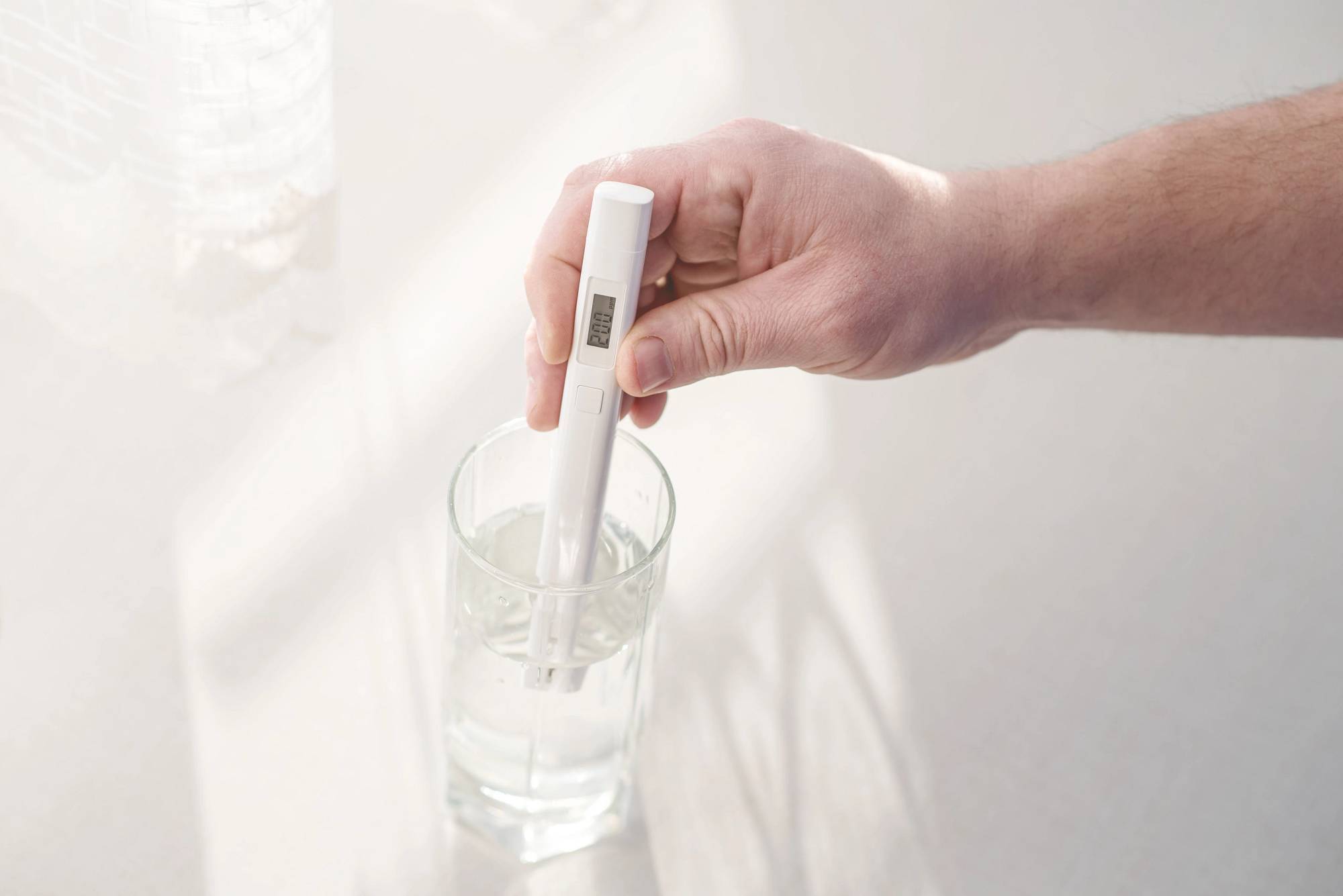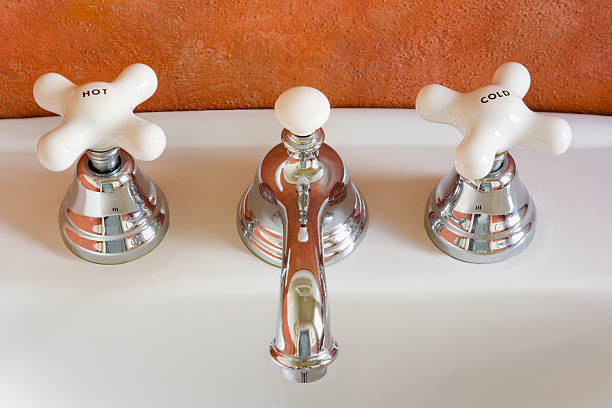
In the world of property redevelopment, the “reveal” is usually focused on the aesthetic: the polished granite countertops, the high-efficiency HVAC systems, and the sleek, modern fixtures. However, beneath the surface of these newly renovated buildings, lab results are beginning to tell a different story. Data gathered from post-renovation water quality testing is revealing a persistent and growing trend: hot water taps are failing microbial and chemical safety standards at a significantly higher rate than their cold water counterparts.
For property managers and developers, this is more than just a plumbing quirk; it is a liability and public health concern. While a building’s cold water supply often mirrors the high quality of the municipal source, the hot water system acts as a complex bioreactor that can undo all the benefits of a modern renovation. Understanding why this gap exists—and why it is widening—is essential for anyone involved in the lifecycle of large-scale property management.
The Renovation Paradox
Renovating an older building is often marketed as a way to improve efficiency and safety. In theory, replacing old galvanized pipes with copper or PEX and installing new water heaters should result in cleaner water. Yet, lab trends suggest that the act of renovation itself often introduces new variables that compromise hot water integrity.
When a building undergoes a significant “gut” renovation, sections of the plumbing are often capped off, moved, or integrated into new layouts. This creates a labyrinth of piping where water flow is not always intuitive. While the cold water lines are frequently used for construction tasks, the hot water system often sits stagnant for months during the renovation process. This period of inactivity allows for the establishment of robust biofilms that are remarkably resistant to standard flushing once the building is commissioned.
The Science of Temperature and Disinfection
The most fundamental reason for the disparity between hot and cold tap failures lies in basic chemistry. Chlorine and chloramines, the primary disinfectants used by municipal providers, are volatile. As water is heated, these disinfectants dissipate rapidly. In many renovated properties, by the time water reaches a distal hot tap on the fourth or fifth floor, the measurable residual is often zero.
Without a disinfectant residual, the hot water becomes an unprotected environment. Cold water, which typically maintains its temperature and its chlorine levels, remains relatively biostatic. Our deeper look into the science of water chemistry confirms that even a 10-degree Celsius increase in temperature can accelerate the decay of free chlorine by a factor of two or three. In a large building with a recirculating hot water loop, the water is essentially “cooked” until the disinfectant is gone, leaving the system vulnerable to the colonization of opportunistic pathogens.
Legacy Biofilms and New Infrastructure
One of the most significant challenges in renovated properties is the “hybrid” nature of the plumbing. It is rare for a renovation to replace 100% of the piping all the way to the municipal main. Often, new high-end fixtures are connected to older riser pipes. These older sections of the system often harbor decades of accumulated scale and biofilm.
When hot water is introduced into these systems at modern “energy-efficient” temperatures (which are often lower than historical settings), it creates a perfect breeding ground. The heat softens the existing scale, potentially releasing trapped contaminants and bacteria into the flow. Lab reports frequently show that while cold water “scours” the pipes and keeps temperatures low enough to inhibit growth, the hot water environment encourages the sloughing of these legacy biofilms into the water stream. This leads to the “failure” at the tap that property owners are now seeing in their compliance reports.
The Role of Water Age and Stagnation
Modern renovations often include the installation of low-flow fixtures to meet sustainability goals. While excellent for the environment, these fixtures significantly increase “water age” within the building. Water age is the time it takes for water to travel from the municipal entry point to the user’s faucet.
In a large renovated complex with low-occupancy periods (such as a luxury condo building still in its “lease-up” phase), water can sit in the hot water tanks and recirculating lines for days. Stagnation is the enemy of water quality. During these periods of low flow, the hot water cools to a lukewarm range—typically between 77°F and 113°F—which is the optimal growth range for Legionella and Pseudomonas. Because cold water lines are generally more direct and used more frequently during daily maintenance, they do not suffer from the same “aging” issues as the hot water loop.
Legionella: The Hot Water Specialist
The most concerning lab trend is the prevalence of Legionella in hot water samples. Unlike many other waterborne bacteria, Legionella thrives in the warm, aerobic environments found in water heaters and showerheads. It hides inside amoebae that live within the biofilm of the pipes, protecting it from the small amounts of heat or chlorine that might remain in the system.
Data from the Occupational Safety and Health Administration (OSHA) and other health authorities indicate that the majority of building-acquired pneumonia cases are linked to the hot water side of the plumbing. The aerosolization of hot water during showering provides a direct pathway for these bacteria to enter the lungs. In renovated properties where the system hasn’t been properly “balanced” or disinfected post-construction, the risk is significantly higher than in cold-water-only systems.
Global Trends in Building Water Safety
This issue is not confined to one region. As cities worldwide push for more “green” buildings and high-density renovations, the hot-tap failure rate is becoming a global issues priority. From London to New York, the trend is clear: the push for lower water heater temperatures (to prevent scalding and save energy) is directly correlating with an increase in hot water tap failures.
Different countries are experimenting with various solutions, from point-of-entry ultrafiltration to secondary on-site disinfection. However, the underlying problem remains the same: the hot water system requires a much more rigorous management strategy than the cold water system. A “pass” on a cold water test does not guarantee the safety of the hot water flowing from the same fixture.
Bridging the Gap: Mitigation Strategies
To reverse these lab trends, property managers must look beyond the standard “flush and go” approach after a renovation.
Thermal Disinfection While controversial due to the energy requirements and scalding risks, periodic thermal flushes (raising the water temperature to above 140°F throughout the system) remain a primary method for controlling biofilm. However, this must be done precisely to ensure the heat reaches every “dead leg” in the renovation.
Point-of-Use Filtration For high-risk renovated properties, such as senior living facilities or healthcare centers, installing filters directly on hot water showerheads and taps can provide an immediate physical barrier against bacteria while the underlying systemic issues are addressed.
Continuous Monitoring The move toward “smart” buildings allows for real-time monitoring of temperature and disinfectant residuals at the distal points of the hot water loop. By catching a drop in temperature or chlorine immediately, managers can intervene before a “failure” shows up on a lab report. This proactive approach is a frequent topic of discussion on our blog, where we track the latest in sensor technology.
The Importance of Local Support
Because every municipality has different water chemistry—some using free chlorine and others using chloramines—the way a hot water system reacts to renovation will vary. A strategy that works in a high-alkalinity area may fail in a region with soft water. Building owners should consult with local water quality experts who understand the specific nuances of the regional supply and how it interacts with modern plumbing materials.
Conclusion
The trend of hot tap failures outpacing cold in renovated properties is a wake-up call for the construction and property management industries. A renovation is not a reset button for water quality; in many cases, it is a complication. By acknowledging the unique vulnerabilities of hot water systems—specifically the loss of disinfectant residuals, the presence of legacy biofilms, and the dangers of stagnation—we can begin to design and manage buildings that are as healthy as they are beautiful.
Testing the cold water is a start, but the hot water is where the real story of a building’s health is told. As we continue to monitor these lab trends, it is clear that the future of water safety lies in the active, sophisticated management of the hot water loop.
If you are seeing concerning results in your building’s recent water tests or are planning a large-scale renovation, please reach out via our contact page. We can provide guidance on the specific testing protocols and mitigation strategies needed to ensure your hot water taps meet the highest safety standards.