Across the five boroughs, New York City’s pre-war and mid-century multi-unit buildings stand as a testament to the city’s architectural endurance. From the red-brick walk-ups of the Bronx to the sprawling co-ops of Queens, these structures house millions. However, as we move through 2026, a specific chemical signature is appearing with increasing frequency in residential laboratory audits: elevated chloride levels at the fixture. While New Yorkers are accustomed to discussing lead or chlorine, the rise of chloride in older plumbing systems represents a distinct challenge that bridges environmental runoff with internal infrastructure decay.
Recent reports indicate that the salt used to keep the city moving during the winter months, along with the aging process of internal building risers, is creating a “chloride spike” that residents can often taste but rarely identify. For those living in older multi-unit buildings, understanding the science of chloride is becoming essential for maintaining both the quality of their tap water and the longevity of their home’s plumbing.
The Winter Connection: Road Salt and Urban Infiltration
The primary source of chloride in New York City’s environment is sodium chloride—standard road salt. Every winter, the city applies hundreds of thousands of tons of salt to streets and sidewalks. As the snow melts, this salt dissolves into a highly concentrated brine that enters the soil and the complex network of underground utility corridors.
In older multi-unit buildings, the service lines connecting the building to the city main are often laid in soil that has become saturated with salt over decades. If these older pipes have small, non-surfacing leaks or microscopic cracks, the surrounding chloride-rich groundwater can migrate into the potable supply through a process of molecular diffusion. This phenomenon is a perfect example of how global issues regarding environmental chemical loads impact the very local reality of an apartment dweller’s kitchen. When a building’s intake shows a chloride level significantly higher than the city’s reservoir baseline, the “urban karst”—the salt-soaked ground beneath our feet—is often the culprit.
The “Fixture Effect”: Why Chloride Concentrations Vary
One of the most surprising findings in recent NYC audits is that chloride levels are not uniform throughout a building. A basement sample might show moderate levels, while a kitchen fixture on the sixth floor shows a significant fail. This “fixture effect” is driven by the specific mechanics of older multi-unit plumbing.
In many of these buildings, water is pumped to rooftop gravity tanks or circulated through a maze of galvanized steel and copper risers. Chloride ions are highly reactive; they increase the electrical conductivity of the water, which in turn accelerates the corrosion of the metals it touches. In apartments with older brass fixtures or “patchwork” plumbing (where new and old pipes meet), the chloride acts as a catalyst for leaching. The water isn’t just carrying chloride from the street; it is using that chloride to strip metals from the building’s internal components, resulting in a complex chemical cocktail at the tap.
The Silent Destroyer: Chloride-Induced Corrosion
For a property manager or a co-op board, high chloride is a warning sign of impending infrastructure failure. Chloride-induced corrosion is particularly aggressive because it causes “pitting”—tiny, localized holes in the pipe wall that can lead to sudden, catastrophic leaks.
In the reports generated for older NYC buildings, we often see a correlation between high chloride levels and a sudden uptick in “mystery leaks” behind walls. Because chloride strips away the protective mineral scale that usually lines a pipe’s interior, the metal is left exposed to oxygen and other contaminants. This leads to the premature failure of building-wide systems, including boilers, storage tanks, and the very risers that deliver water to individual units. On our blog, we’ve highlighted that ignoring a salty taste in the water can lead to a million-dollar plumbing assessment for the building just a few years down the line.
Aesthetic Clues and Sensory Warnings
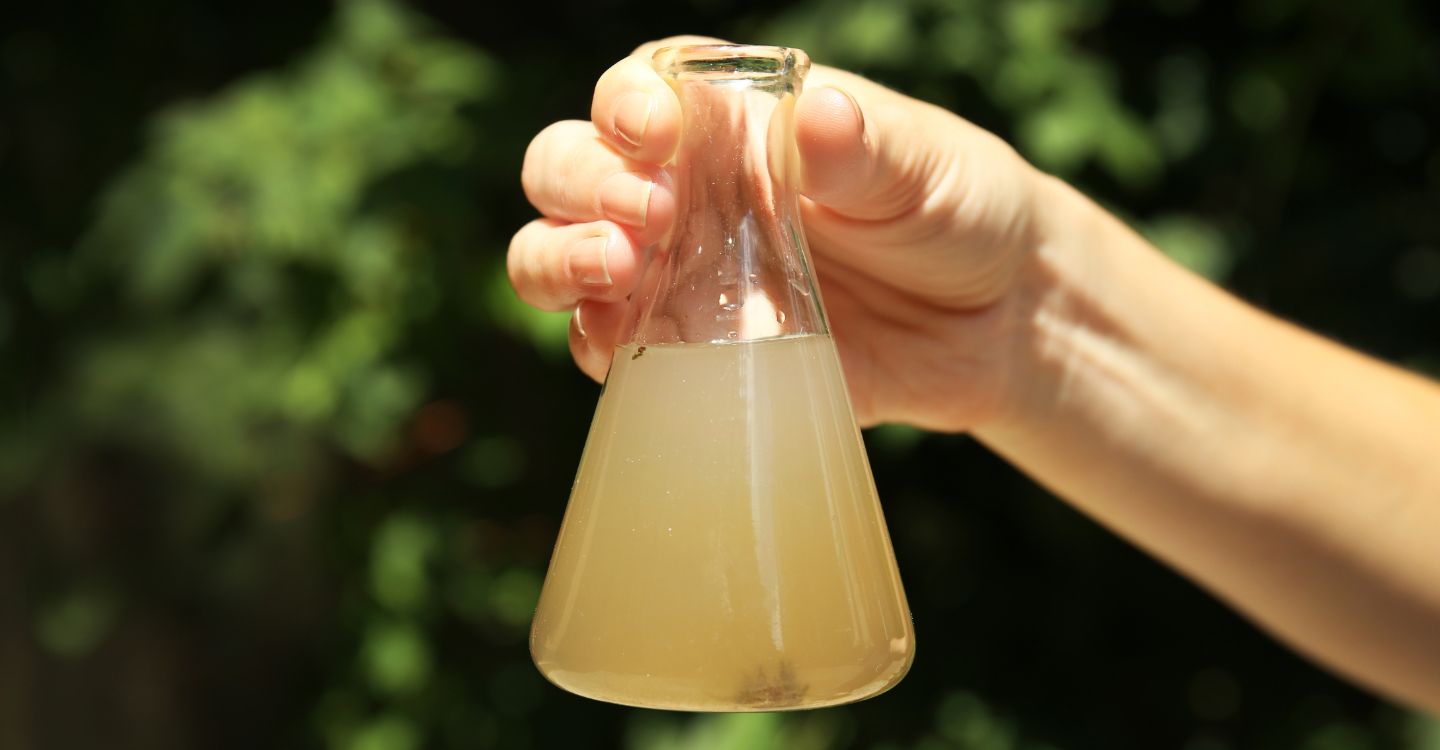
How does a New York City resident know if their building is suffering from high chloride? While only a lab can confirm the exact concentration, there are sensory clues:
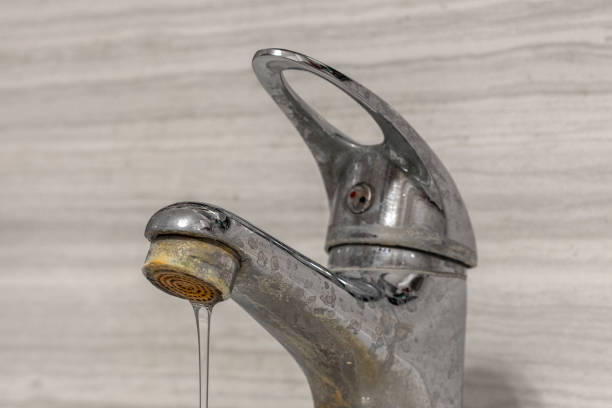
The Salty Tang: When chloride levels exceed 250 mg/L, most people will notice a faint, brackish or “ocean-like” taste in the water. This is often more pronounced in the morning after the water has sat in the pipes overnight. Cloudy Glassware: Chloride-rich water interferes with the efficiency of dish soaps and detergents. If your dishwasher is leaving a white, cloudy film on your glasses despite using high-end pods, it may be a chemical reaction to elevated salts. Fixture “Greenery”: While copper leaching usually causes blue-green stains, chloride-driven corrosion of brass fixtures often results in a crusty, white or pale-green buildup around the aerator and the base of the tap.
The Health Perspective: Sodium and Beyond
From a health standpoint, chloride is regulated by the EPA under “secondary” standards, meaning it is considered an aesthetic and technical concern rather than a direct toxicological one. However, for New Yorkers on sodium-restricted diets due to hypertension or heart conditions, the sodium that accompanies chloride in road salt runoff is a legitimate concern.
Furthermore, the science suggests that as chloride increases the corrosivity of the water, it also increases the likelihood of lead and copper leaching. For residents of pre-war buildings, a chloride problem often masks a secondary heavy metal problem. By the time you taste the salt, you may already be consuming elevated levels of lead dislodged by the corrosive brine. This intersection of chemical risks is a frequent topic of research in our global issues section.
Managing the Chloride Load in Multi-Unit Buildings
If a laboratory audit confirms high chloride in your NYC apartment, there are several steps that can be taken at both the building and individual level:
Building-Wide Intake Filtration: Some co-ops are investing in high-capacity ion-exchange systems at the main water intake. These systems are designed to swap chloride ions for less aggressive ions, protecting the entire building’s plumbing stack. Targeted Flushing: Property managers should implement a “dead-end” flushing program. By regularly clearing water from risers that serve low-occupancy units or basement utility sinks, they can prevent the salt concentration from reaching critical levels. Unit-Specific Reverse Osmosis: For individual residents, a standard carbon filter will not remove chloride. The only effective point-of-use solution for salt is a reverse osmosis (RO) system. These systems use a semi-permeable membrane to strip out dissolved ions, providing pure water at the kitchen sink. Aerator Maintenance: Residents should clean their faucet aerators monthly. Chloride causes the buildup of mineral “pebbles” that can further corrupt the water’s taste and flow.
The Importance of Professional Auditing
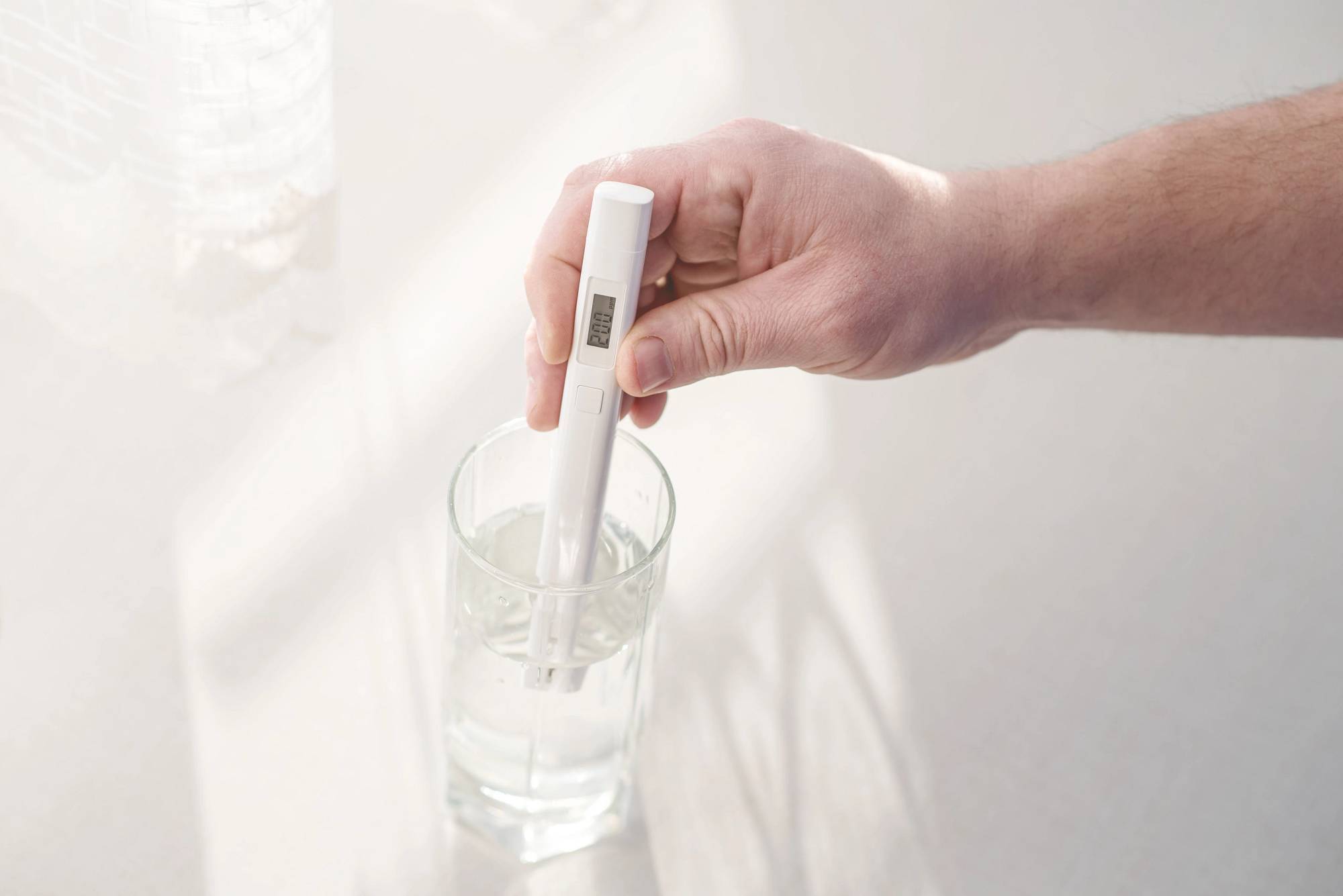
Because NYC’s infrastructure varies so wildly from block to block, a general water report from the city is not enough for residents of older multi-unit buildings. An independent laboratory audit provides a “unit-specific” snapshot. It can distinguish between a city-wide salt event and a localized corrosion issue within your building’s walls.
If you are noticing changes in the taste of your water or if your building has experienced a recent spate of leaks, the most responsible next step is to gather data. You can contact a specialist to perform a comprehensive chemical analysis. Having a clear reports profile allows co-op boards to make informed decisions about infrastructure upgrades and gives tenants the peace of mind they deserve.
Conclusion: Closing the Knowledge Gap
The discovery of high chloride in older NYC multi-unit plumbing is a reminder that our homes are part of a larger, evolving environment. The salt we use to keep our streets safe in February can reappear at our kitchen tap in April. In 2026, being a savvy New Yorker means looking beyond the “visual pass” and understanding the science of what flows through our pipes.
By identifying the presence of chloride early, we can protect the architectural heritage of our city and the health of our families. Don’t wait for a major pipe failure or a permanent change in your water’s flavor to act. Stay informed through our blog and take control of your environment today.