For residents of Staten Island’s expanding multi-unit developments, the expectation of modern living often includes the assumption of pristine utilities. However, recent laboratory audits within several mid-rise complexes on the North Shore have revealed a persistent and troubling chemical trend: the presence of low pH levels coupled with elevated copper concentrations. This “aggressive water” profile is more than just a plumbing nuisance; it is a chemical reaction that can compromise both the structural integrity of a building’s infrastructure and the health of its inhabitants.
In 2026, as infrastructure aging and local environmental shifts collide, Staten Island has become a focal point for studying how source water chemistry interacts with “premise plumbing.” While the water provided by the city is treated to be non-corrosive, the journey through the specific plumbing arrays of a multi-unit system can fundamentally alter its chemistry. Understanding the science behind these interactions is the first step for property managers and residents looking to ensure their water is as safe as it is clear.
The Chemistry of Aggressive Water: Understanding pH
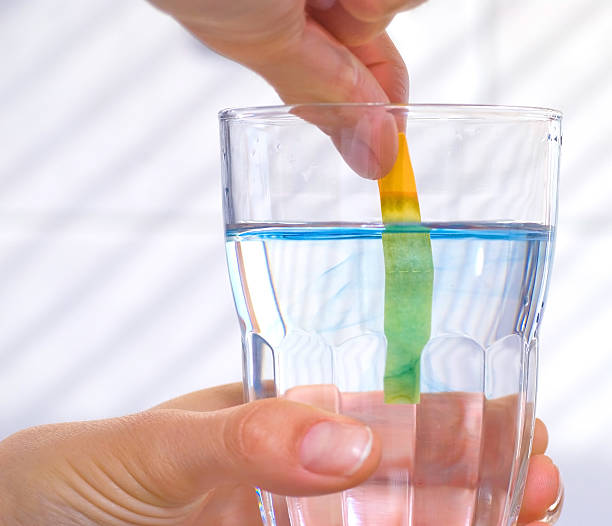
At the heart of the issue is pH, a measure of how acidic or basic a liquid is. Pure water has a neutral pH of 7.0. When water drops below this level, it becomes acidic, or “aggressive.” Acidic water acts as a solvent; it is “hungry” for minerals and metals. In the case of the Staten Island multi-unit systems recently audited, pH levels were found hovering between 6.2 and 6.5.
While a pH of 6.2 isn’t hazardous to touch, it is highly destructive to copper piping. As this slightly acidic water sits in a building’s vertical risers or horizontal branch lines, it begins to dissolve the copper walls of the pipes. This process is exacerbated in multi-unit buildings where water may sit stagnant for hours during the day while residents are at work. The result is a spike in copper levels that often exceeds the EPA’s action limit of 1.3 parts per million (ppm).
The Copper Connection: Why It Spikes in Stagnant Systems
Copper is the most common material used for residential water distribution in New York City. In a healthy system, a thin layer of mineral scale—known as a “passivation layer”—forms on the inside of the pipes, protecting the metal from the water. However, low pH water prevents this layer from forming or, worse, dissolves an existing one.
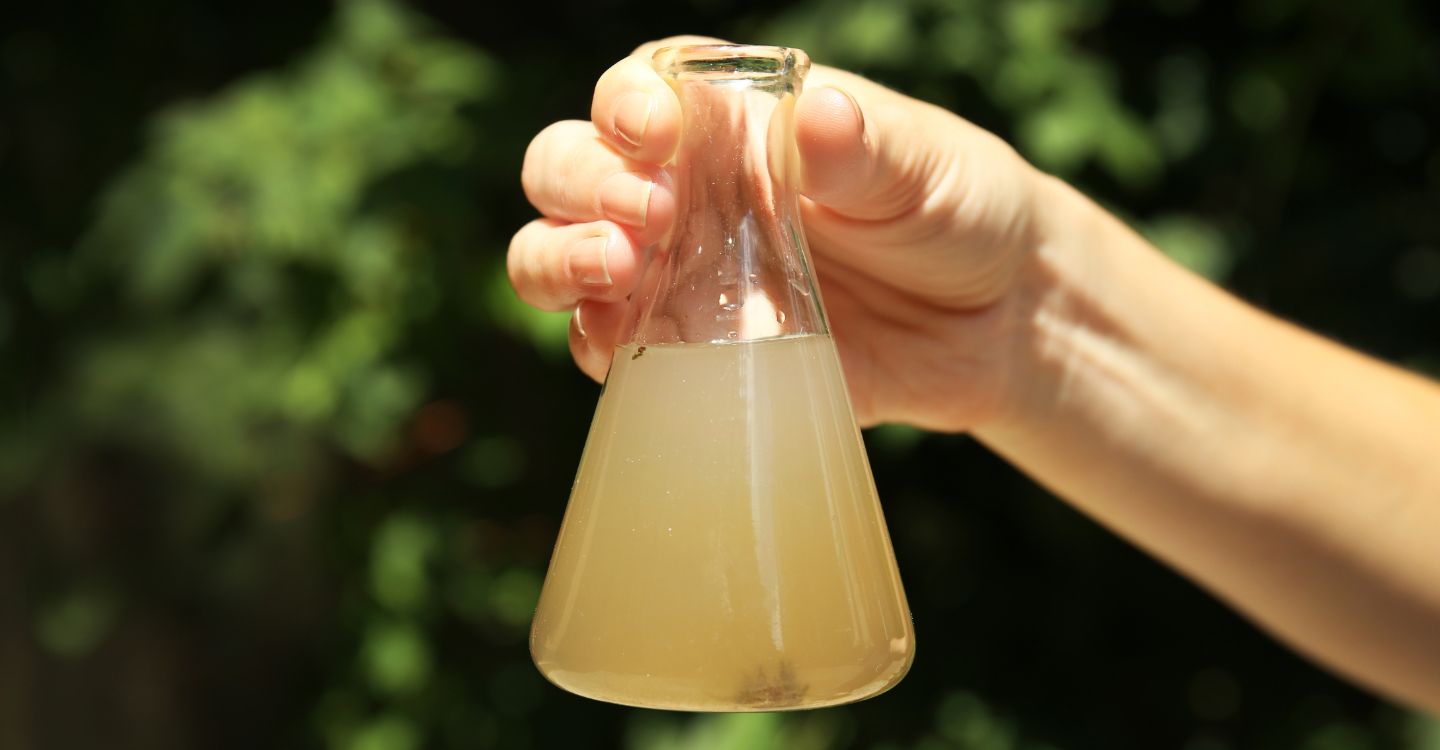
In the Staten Island complexes, the reports showed that copper levels were highest in “first-draw” samples—the water that has sat in the pipes overnight. For residents, this manifests as a bitter, metallic taste in their morning coffee or blue-green staining around bathroom drains. While copper is an essential nutrient in trace amounts, chronic exposure to high levels can lead to gastrointestinal distress, including nausea and stomach cramps. As we explore in our blog, these symptoms are often misdiagnosed as common stomach bugs, when the culprit is actually the kitchen tap.
The Role of Multi-Unit Infrastructure
Multi-unit systems present unique challenges that single-family homes do not. In a large building, water travels through a much more complex network of pumps, storage tanks, and various pipe materials.
Vertical Risers: In many Staten Island buildings, water is pumped to the top floors and then distributed downward. This creates “pressure zones” where the speed and turbulence of the water can physically scour the interior of copper pipes, further increasing the metal load. Dissimilar Metals: It is common to find “patchwork plumbing” in multi-unit systems where copper pipes are connected to brass valves or galvanized steel fittings. When acidic water passes through these connections, it triggers galvanic corrosion—a process where one metal “sacrifices” itself to the other, leading to rapid pipe thinning and localized metal spikes. Recirculation Loops: Many modern buildings use hot water recirculation loops to ensure residents get hot water instantly. This constant movement of heated, low-pH water is a recipe for accelerated copper leaching.
Staten Island’s Environmental Context
Staten Island’s water chemistry can be influenced by its unique position at the end of the city’s distribution line. As water travels from the upstate reservoirs, the levels of disinfectants and pH-balancing chemicals can fluctuate. While the city maintains rigorous standards, the “water age”—the time it takes for water to reach the furthest points of the system—can impact its stability.
Furthermore, localized construction and the disturbance of old water mains can introduce particulates that strip the protective coating from a building’s internal pipes. This is not just a New York problem; it is part of the global issues surrounding aging urban infrastructure. When you combine older street-level mains with the modern, high-flow plumbing of a new Staten Island duplex or apartment block, the chemical mismatch can be significant.
The Signs of Corrosion: What Residents Should Look For
Residents in Staten Island multi-unit buildings don’t need a lab to spot the early signs of low pH and high copper.
- Blue-Green Staining: This is the most obvious sign. If your bathtub or sink has a turquoise ring around the drain, your water is actively dissolving your building’s copper pipes.
- Metallic Taste: If the water tastes sharp or “tinny,” especially first thing in the morning, the copper concentration is likely elevated.
- Pinprick Leaks: Property managers should be on the lookout for a sudden increase in “pinhole” leaks in the basement or utility closets. This is a sign that the aggressive water has successfully eaten through the pipe wall.
Remediation and Management Strategies
The presence of low pH and high copper is a solvable problem, but it requires a proactive approach from building management and residents.
Neutralization Systems: Large buildings can install pH neutralization systems at the point of entry. these systems use calcite or magnesium oxide to naturally raise the pH of the water, making it less aggressive before it enters the building’s risers. Phosphate Treatment: Adding food-grade polyphosphates to the water can help “re-passivate” the pipes, creating a synthetic barrier between the water and the metal. Point-of-Use Filtration: For residents concerned about their immediate health, activated carbon or ion-exchange filters are highly effective at removing copper. However, as we note in our FAQ, a filter only protects the person drinking the water; it doesn’t stop the building’s pipes from thinning. Scheduled Flushing: Property managers should implement a “flushing protocol” for vacant units or low-use areas to ensure that water doesn’t sit stagnant for long enough to become saturated with copper.
The Importance of Professional Auditing
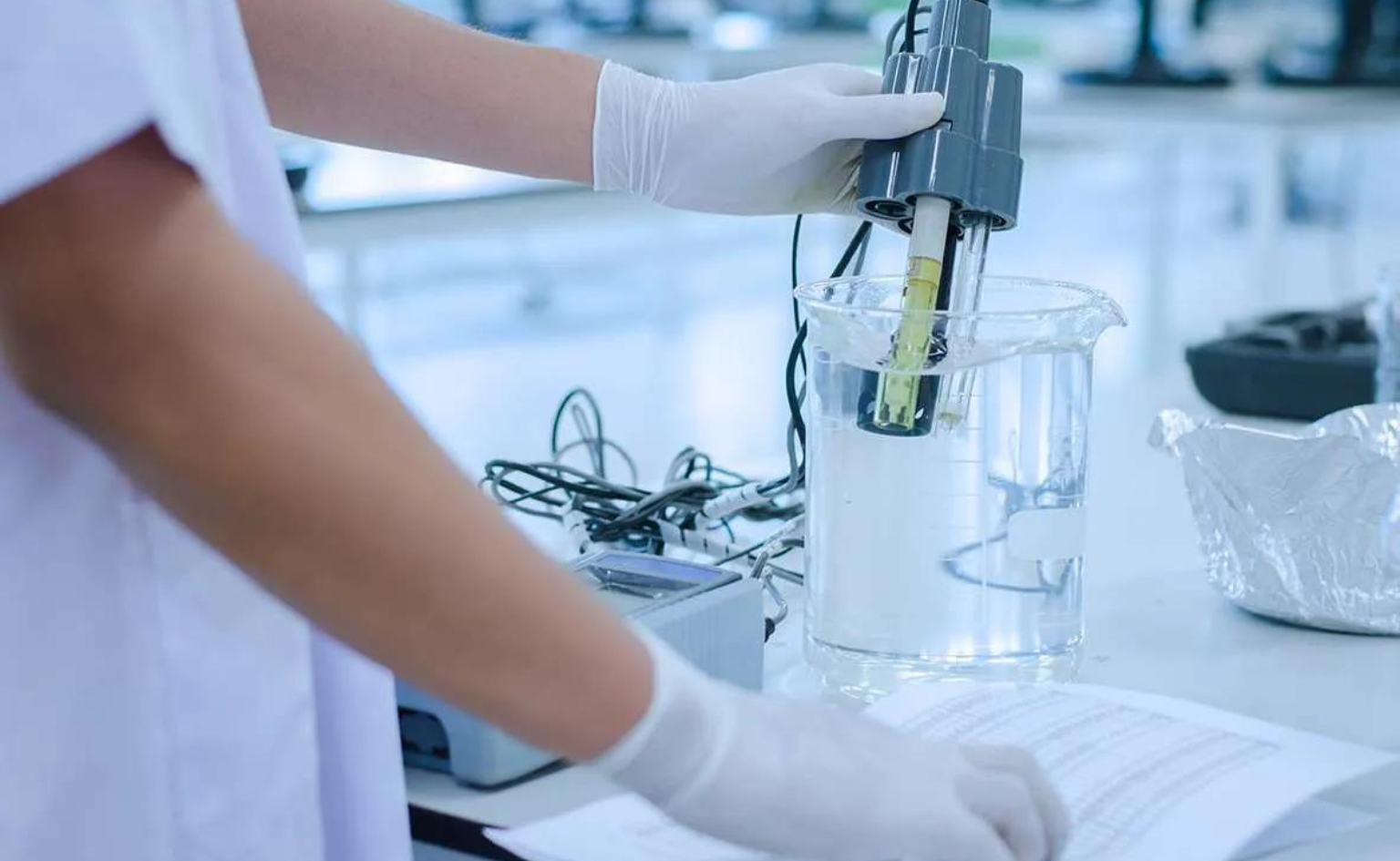
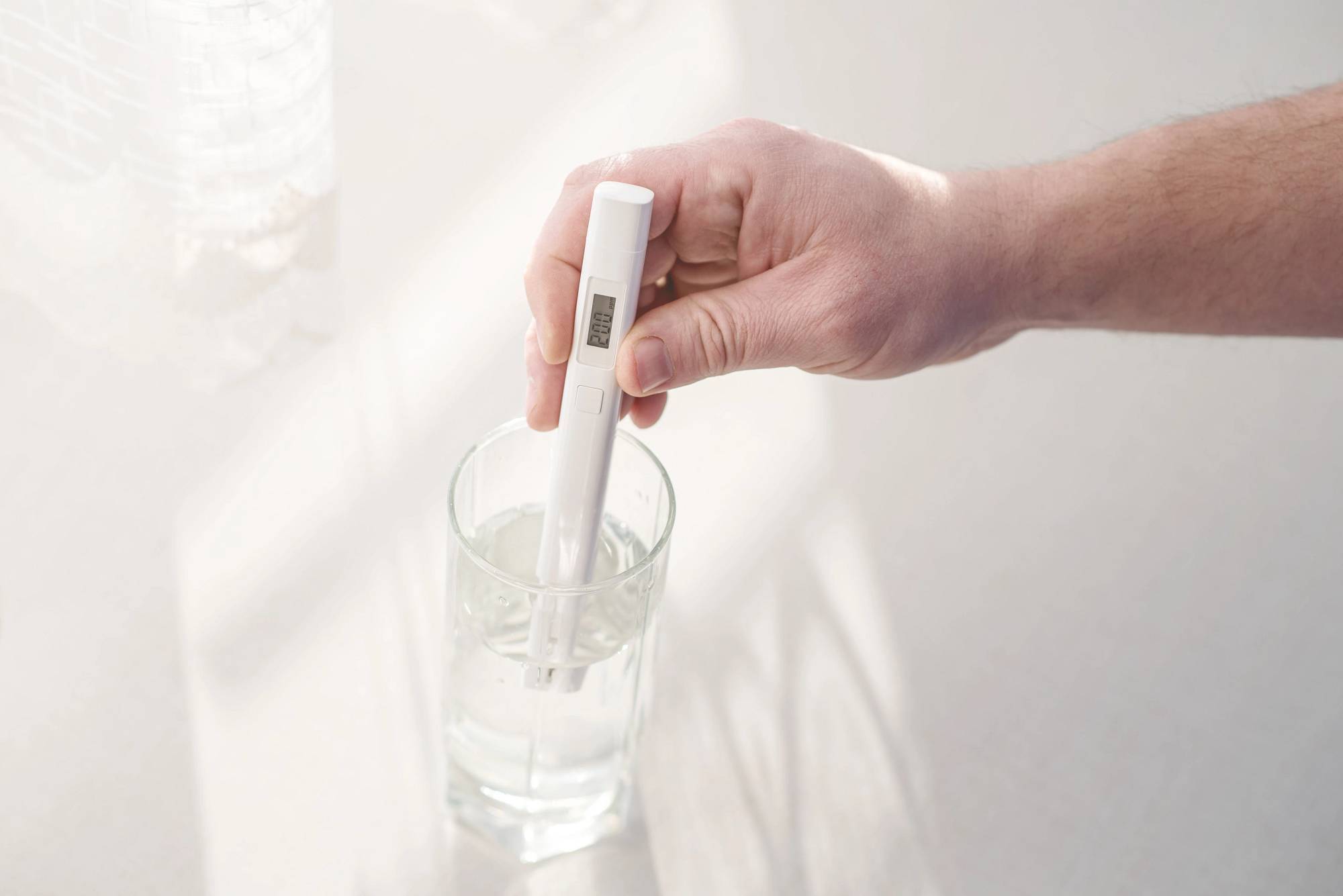
Because water chemistry is invisible, the only way to truly understand the risk is through professional auditing. A laboratory-grade analysis looks beyond just “lead and bacteria.” It evaluates the Langelier Saturation Index (LSI), a calculation that tells engineers whether water is likely to scale or corrode.
For Staten Island co-op boards and management companies, having a documented history of water reports is essential for long-term capital planning. If you know your water is aggressive today, you can treat it for a few thousand dollars rather than replacing the entire plumbing stack for hundreds of thousands of dollars five years from now. If you are concerned about your building, the best next step is to contact a specialist who understands the science of New York’s water delivery.
Conclusion: Data-Driven Safety for Staten Island
The persistence of low pH and high copper in Staten Island’s multi-unit systems is a reminder that water quality is a dynamic, localized issue. The water may be safe at the reservoir, but it is its behavior at your tap that matters most. By recognizing the signs of corrosion and utilizing professional science to guide remediation, Staten Island communities can protect both their health and their investments.
We must move away from reactive maintenance and toward a model of constant monitoring. In 2026, the data exists to make every building safe—we simply have to look for it. Whether you are a resident noticing a metallic taste or a manager seeing the first signs of pipe failure, the information you need is available. Explore our blog for more localized case studies or reach out to contact us for help interpreting your latest water audit.