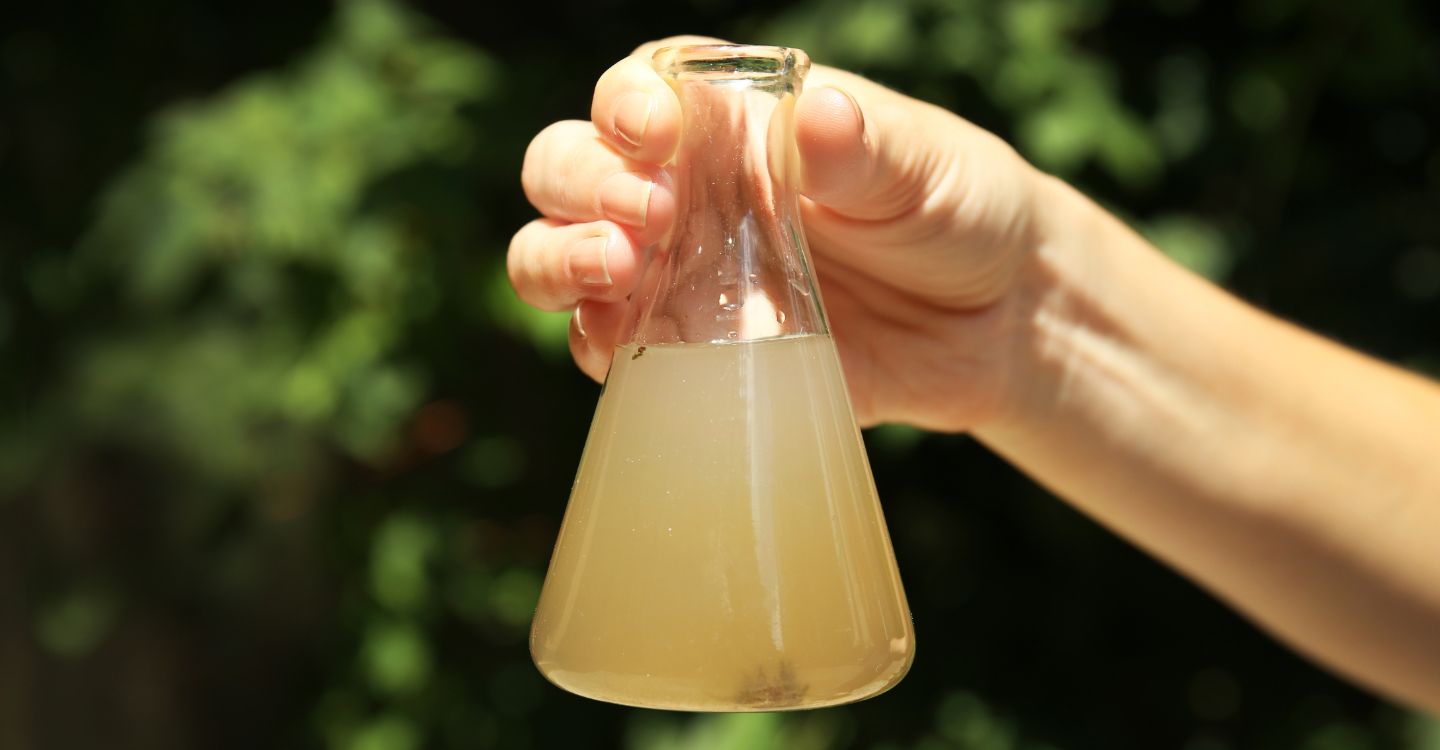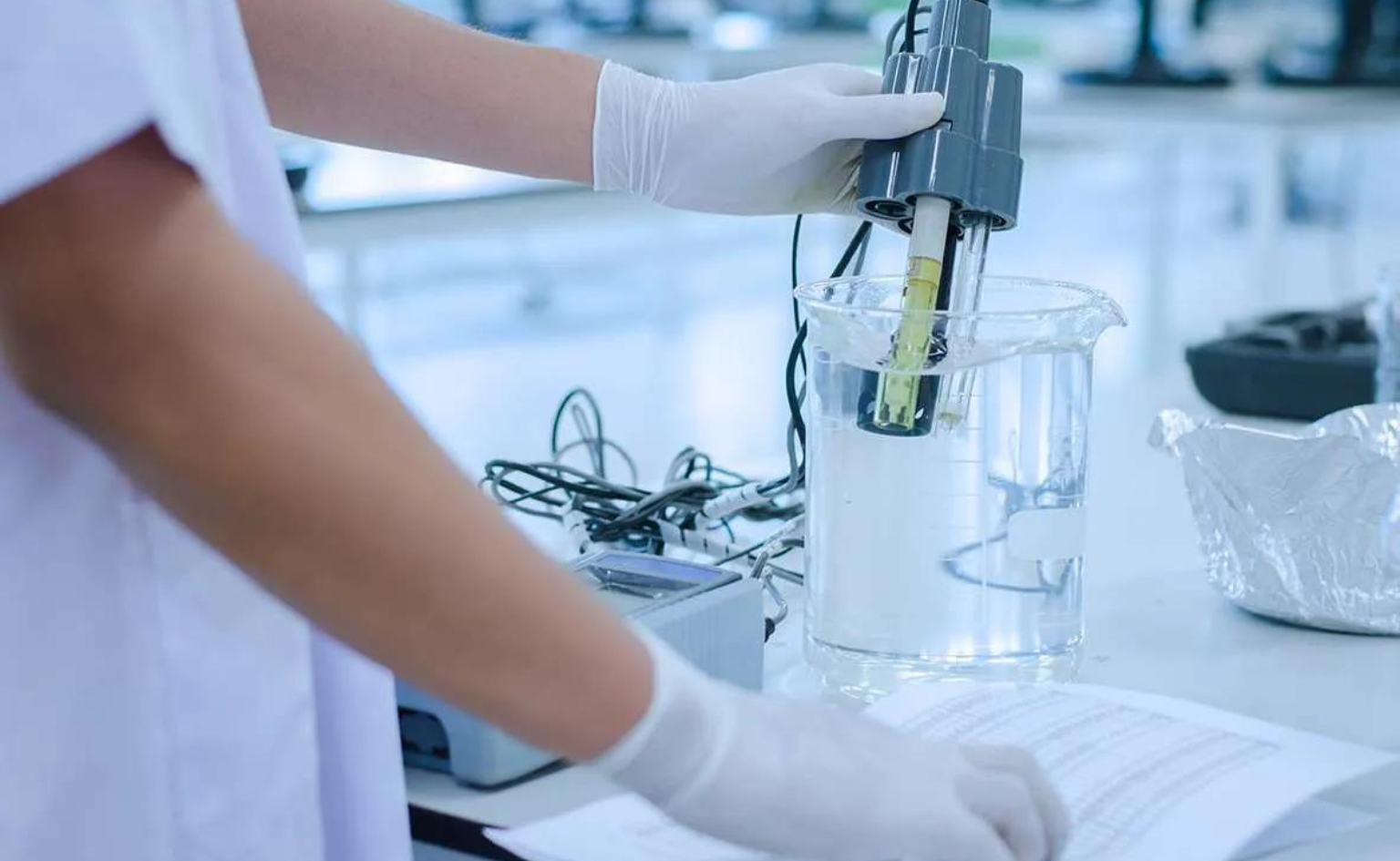
In the suburban sprawl of Staten Island, where the promise of homeownership often comes with the peace of mind of a “passed” inspection, one family’s recent experience has highlighted a significant gap in the standard real estate process. A newly purchased duplex in Great Kills, which had cleared all the traditional hurdles—structural integrity, electrical safety, and basic plumbing functionality—stumbled at a hurdle few buyers think to set: a specialized water audit. While the kitchen tap provided water that met municipal standards, the showerhead in the second-floor primary suite failed a laboratory analysis due to elevated levels of heavy metals and biological film.
This discovery underscores a critical reality in 2026: a standard home inspection is designed to ensure that water flows, but it rarely evaluates what is in that water. For the residents of this Staten Island duplex, the “clear” inspection report was only half the story. It took a deep dive into the science of premise plumbing to reveal that their brand-new sanctuary had a hidden infrastructure flaw.
The Inspection Gap: Why Traditional Checks Miss Water Quality
When a buyer in New York City hires a home inspector, the scope of work is typically defined by visible systems. The inspector will check if the water pressure is adequate, if the drains are clear, and if there are any active leaks under the sink. In some cases, they may even perform a basic “potability” test—a quick dip-stick check that looks for total coliform bacteria.
However, these tests are superficial. They do not account for the “micro-environments” within a home’s plumbing. In the Staten Island duplex, the kitchen was recently renovated with new copper lines, which provided a clean reports profile for the downstairs area. The upstairs primary bathroom, however, relied on a branch line that utilized older brass fittings and a legacy galvanized riser that had been “hidden” behind new drywall. A standard inspector has no way of seeing these internal materials, nor do they typically sample water from showerheads, assuming that if the kitchen is safe, the rest of the house must be as well.
The Showerhead as a Bio-Accumulator
The most alarming part of the Staten Island failure was the concentration of contaminants found specifically at the showerhead. Unlike kitchen faucets, which are used frequently throughout the day for cooking and drinking, showerheads often sit stagnant for long periods. This creates a prime environment for the development of biofilm—a thin, slimy layer of bacteria and microorganisms that adheres to the interior of pipes and fixtures.
In this duplex, the laboratory audit found that the hot water sitting in the galvanized riser had become increasingly corrosive. As the water sat stagnant between morning routines, it leached iron and zinc from the pipe walls. Furthermore, the showerhead itself—a modern “rainforest” model with many small, rubber nozzles—had become a reservoir for opportunistic pathogens. Because these fixtures aerosolize water, the residents were not just touching these contaminants; they were potentially inhaling them. This is a topic we explore extensively in our blog, as the risks of aerosolized water are often overlooked in residential safety.
Heavy Metals in the “Last Mile”
Staten Island’s water infrastructure is a mix of older city mains and newer localized distributions. While the water entering the duplex was treated and compliant with global issues regarding municipal supply, the “last mile” within the home’s walls changed the chemistry of the water.
The lab audit identified elevated levels of lead and copper in the shower water that were not present in the kitchen. The source was traced back to the lead-based solder used in the older upstairs branch lines. This is a common finding in Staten Island renovations, where “gut renovations” are sometimes only partial, leaving legacy plumbing in the walls to save on costs. The family’s discovery is a classic example of why a house-wide reports profile is necessary; testing just one tap is like checking only one tire on a car before a long trip.
The Role of Water Temperature in Leaching
Another factor that led to the failure at the showerhead was the temperature. Most residents shower in water that ranges from 105°F to 115°F. Hot water is significantly more corrosive than cold water. It acts as a solvent, stripping metals from the interior of the pipes and the water heater tank itself.
In the Great Kills duplex, the water heater was located in the basement, nearly 40 feet from the primary shower. This meant that every time the family showered, they were drawing water that had traveled through a long “vein” of older metal piping. The science of corrosion indicates that the longer the pipe run and the higher the temperature, the greater the likelihood of metal exceedance. This explains why the kitchen—located directly above the water heater—passed, while the upstairs bathroom failed.
Practical Steps for Staten Island Homeowners
The experience of this duplex family provides a roadmap for other buyers in the borough. If you are moving into a home, especially a renovated one, do not assume that a clean bill of health from an inspector covers your water quality.
Demand Multi-Point Sampling: A comprehensive audit should include samples from at least three points: the kitchen (most used for drinking), the primary shower (highest risk for aerosol inhalation), and the point-of-entry (to distinguish building issues from city issues).
Request First-Draw and Flushed Samples: A “first-draw” sample captures the water that has sat in the pipes overnight, revealing the extent of leaching. A “flushed” sample shows the quality of the water coming directly from the city main.
Inspect Your Fixtures: If you see blue-green staining in your tub or orange “rust” spots on your showerhead, these are visual indicators of active metal leaching. Do not wait for a physical symptom like skin irritation or hair discoloration to take action.
Consider a Whole-Home Audit: If you find issues at one tap, it is highly likely that other “dead ends” in your home’s plumbing are also compromised. You can contact an environmental professional to map your home’s specific risk zones.
Remediation: How the Duplex Was Saved
The good news for the Great Kills family was that once the problem was identified, the solution was relatively straightforward. They didn’t need to tear down the walls again. Instead, they opted for a two-pronged approach:
Point-of-Use Filtration: They installed a high-capacity, KDF-55 shower filter designed to neutralize chlorine and heavy metals at the source. This provided immediate safety for their daily hygiene routine. System Flushing and Passivation: A plumber was brought in to perform a high-pressure flush of the upstairs lines to remove the accumulated biofilm. They then introduced a food-grade “passivator” that helped rebuild the protective mineral scale inside the older pipes, slowing down future leaching.
These interventions were backed by follow-up reports that confirmed the water was now within safety limits. The cost of these fixes was a fraction of the home’s purchase price, yet the value they added in terms of health and peace of mind was immeasurable.
Conclusion: Redefining “Passed” in 2026
The story of the Staten Island duplex is a reminder that our homes are dynamic environments. The plumbing is not just a set of pipes; it is a living system that interacts with the water we use for our most intimate daily tasks. In an era where we are increasingly aware of global issues regarding water scarcity and contamination, we must also be vigilant about the “local issues” within our own walls.
A home inspection is a vital tool, but it is not a shield against chemical and biological risks. By moving beyond the standard checklist and insisting on a laboratory audit, you can ensure that your “dream home” doesn’t have a hidden nightmare in the plumbing. If you have recently moved or are noticing changes in your water’s taste or odor, the most responsible next step is verification. Visit our blog for more case studies or reach out to contact a specialist who can help you understand the science of your own home’s tap.