In the heart of the Bronx, where community-based childcare centers serve as the backbone for working families, the safety of the physical environment is a non-negotiable priority. In early 2026, a prominent daycare facility in the Highbridge neighborhood underwent a significant plumbing upgrade, replacing aging faucets and drinking fountains with modern, “lead-free” models. While the intent was to modernize the facility and enhance hygiene, the center’s administration took an extra, critical step: they ordered a comprehensive retesting of the tap water post-installation. The results of this secondary audit have sparked a conversation across the borough about the complexities of “point-of-use” safety and the hidden risks that can emerge even during a well-intentioned renovation.
For many Bronx residents, the quality of municipal water is a point of pride, yet the “last mile” of delivery—the pipes and fixtures within private buildings—remains a variable that requires constant vigilance. This daycare’s decision to retest highlights a sophisticated understanding of the science of water chemistry, proving that a new fixture is not a guarantee of purity until it is validated by a laboratory.
The False Security of “New” Fixtures
It is a common misconception that installing a new, certified “lead-free” faucet immediately solves any heavy metal concerns. Under current federal regulations, fixtures can be labeled lead-free if they contain up to 0.25% lead on wetted surfaces. While this is a stark improvement over the high-lead alloys of the past, the science of leaching tells us that even trace amounts of lead can be released into the water, especially when a fixture is brand new.
During the first few weeks of use, new brass and chrome-plated fixtures undergo a “settling-in” period. The internal surfaces of the metal are at their most reactive before a protective mineral scale has a chance to develop. In the Bronx daycare case, the initial samples taken 48 hours after the install showed lead levels that were slightly higher than the pre-renovation baseline. This “installation spike” is a well-documented phenomenon in our reports, reminding facility managers that the most dangerous time for a new tap can be its first month of operation.
Construction Residue and the Solder Factor
The daycare’s failed initial retest wasn’t solely due to the fixtures themselves. When a plumber installs new equipment, they often use soldering flux—an acidic paste—to join copper pipes. If this flux is used in excess or is not aggressively flushed from the system, it continues to eat away at the interior of the pipes and the new fixtures, leaching metals into the water.
Furthermore, the act of cutting and fitting pipes during a renovation often leaves behind tiny metal shavings and “fines” that get trapped in the aerator screens of the new faucets. These trapped particles act as constant sources of contamination, dissolving into the water every time the tap is turned on. For a Bronx daycare serving infants and toddlers, these microscopic fragments represent a significant health risk. This is why the global issues surrounding infrastructure maintenance always emphasize the need for professional, high-velocity flushing following any plumbing work.
Bacterial Regrowth During Facility Downtime
In the Bronx, many renovations occur over weekends or holiday breaks when the daycare is empty. During these periods of “facility downtime,” water sits stagnant in the new pipes and fixtures. Without the constant flow of fresh, chlorinated water from the city mains, the disinfectant residual dissipates.
This stagnation allows for the rapid development of biofilm—a thin, slimy layer of bacteria and microorganisms that attaches to the interior walls of the plumbing. Recent reports have indicated that brand-new PEX and copper lines are surprisingly susceptible to these “stagnation blooms.” When the daycare reopened, the hot water taps initially failed for elevated heterotrophic plate counts (HPC), indicating that the water was no longer biologically stable. The science of this regrowth is a primary concern for pediatric health, as young children are particularly vulnerable to waterborne pathogens.
Health Impacts: Why the Bronx Cannot Afford Complacency
The Bronx has historically faced higher rates of environmental health challenges compared to other boroughs. For children under the age of five, the health impacts of even low-level lead or bacterial exposure are profound. Lead is a potent neurotoxin that accumulates in the body, affecting cognitive development and behavioral regulation. There is no safe level of lead exposure for a developing brain.
The daycare’s decision to retest was a recognition of this reality. By catching the “installation spike” early, they were able to implement an aggressive flushing protocol and install secondary point-of-use filtration before the children returned. On our blog, we frequently argue that for high-risk facilities like daycares and schools, “legal compliance” should be the floor, not the ceiling, for water safety.
The Role of Independent Audits in Daycare Safety
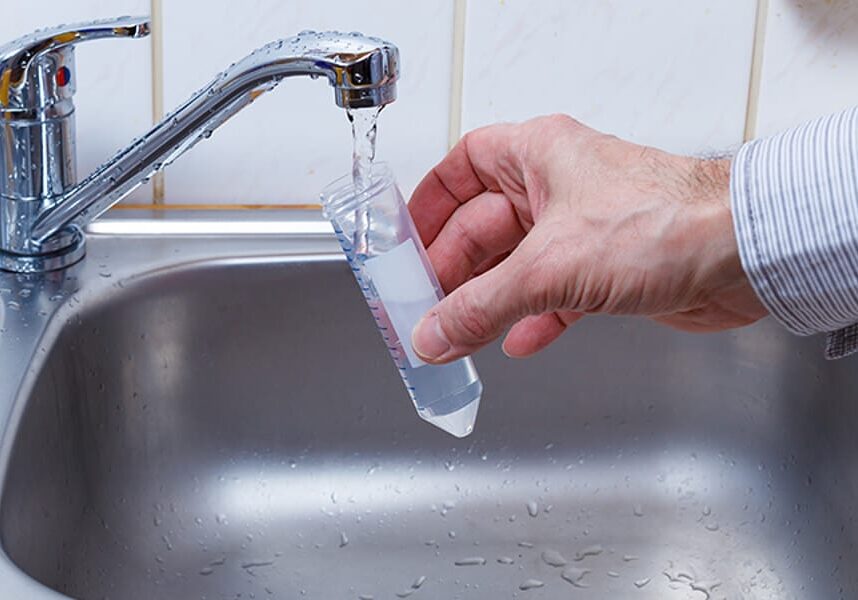
Many Bronx business owners rely on the building’s annual water tank inspection or the city’s general water quality report. However, these documents are insufficient for identifying localized failures within a specific unit’s plumbing. An independent audit uses a “first-draw” sampling technique, capturing the water that has sat in the fixture overnight—the very water that might be used to mix a baby’s formula first thing in the morning.
The Bronx daycare case proved that unit-specific testing is the only way to verify that a renovation has been successful. The data from the lab allowed the daycare to communicate transparently with parents, showing that they weren’t just guessing about safety—they were proving it. This move toward transparency is becoming a hallmark of global issues in urban management, where data-driven trust is replacing administrative assumptions.
Remediation Steps After a Failed Post-Install Test
When the daycare received its initial failed results, they did not panic; they followed a scientific remediation plan:
- Aggressive System Flushing: Running all taps at high volume for several hours to clear out soldering flux and construction debris.
- Aerator Maintenance: Removing and cleaning all faucet screens to ensure no metal shavings remained.
- Point-of-Use Filtration: Installing filters certified to NSF/ANSI Standard 53 for lead reduction as a secondary barrier.
- Thermal Flushing: Temporarily increasing hot water temperatures to eliminate the biofilm that had developed during the install.
As documented in our reports, these steps are highly effective at bringing a new system into a state of “steady-flow” safety. After two weeks of these protocols, the daycare retested a third time, and the water passed all health-based benchmarks with flying colors.
Conclusion: A Blueprint for Bronx Facilities
The Bronx daycare that retested for tap safety has provided a blueprint for every school, clinic, and residential building in the borough. Renovating plumbing is a necessary part of maintaining historic Bronx infrastructure, but the work is not finished until the water is verified at the tap. We must move beyond the “install and forget” mindset and embrace a culture of continuous monitoring.
The most effective next step for any Bronx facility manager or parent concerned about the “new pipe” smell or taste in their building is to move from suspicion to data. If you have recently upgraded your plumbing or are planning to do so, the best path forward is to contact a specialist today to schedule a post-installation audit. Let the science of a lab test provide the peace of mind that our children’s health deserves.