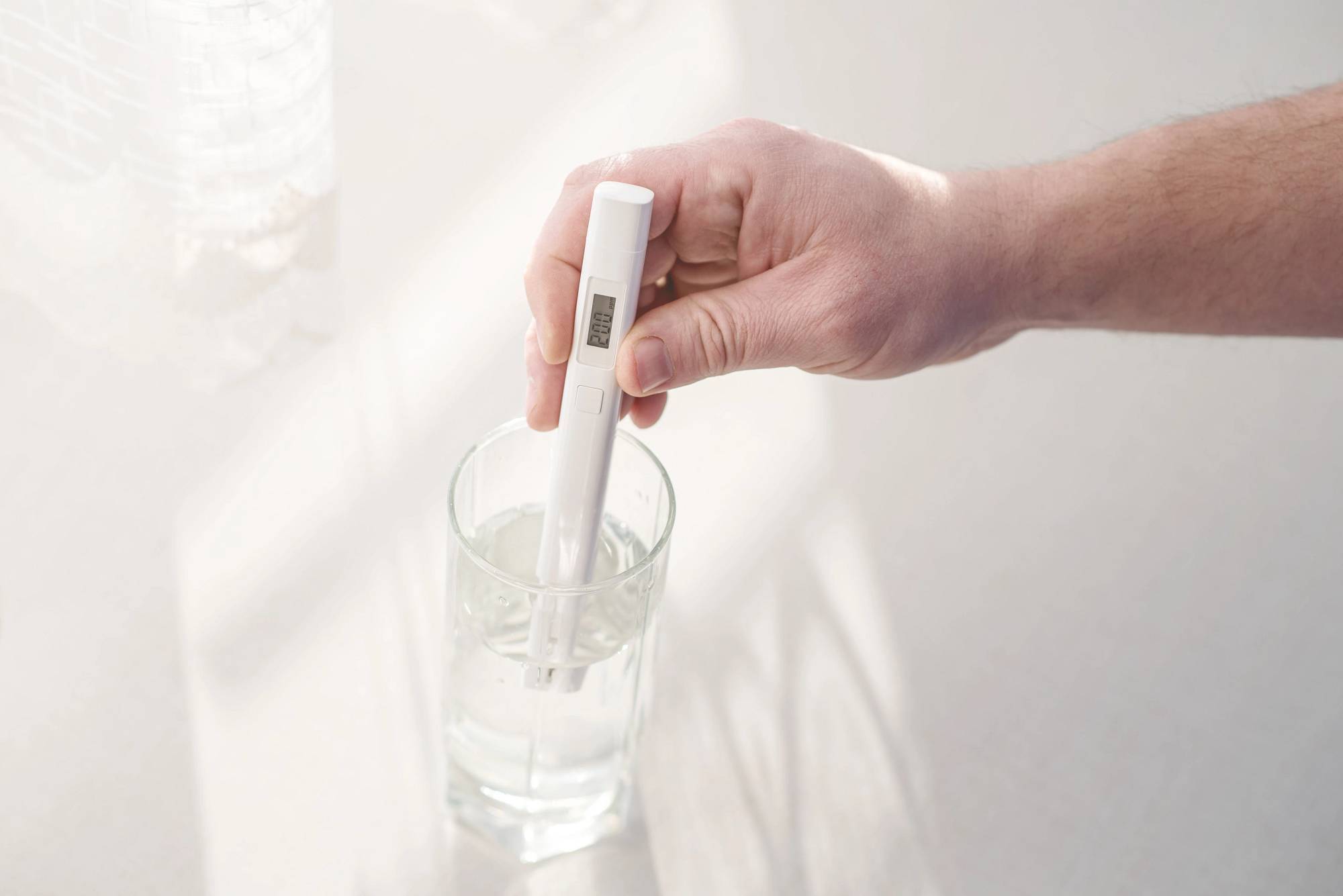
Midtown Manhattan is the epicenter of the “industrial-to-residential” pipeline. Massive former garment warehouses and printing plants are being reimagined as sprawling, multi-million dollar lofts with soaring ceilings and high-end finishes. For the new owners of these spaces, the expectation is absolute perfection, especially when it comes to the basic necessity of clean water. However, a recent case in a newly converted loft on West 37th Street has highlighted a growing concern for urban dwellers: while the cold water passed with flying colors, the hot tap failed a comprehensive safety audit.
The discovery of elevated lead, copper, and bacterial indicators in a brand-new hot water system is more than just a minor inconvenience; it is a sign of a localized infrastructure failure. In 2026, as building codes become more stringent and the science of water safety more precise, this Midtown case serves as a vital reminder that “new” plumbing is only as safe as its management.
The Hot Water Bias: Why Temperature Matters
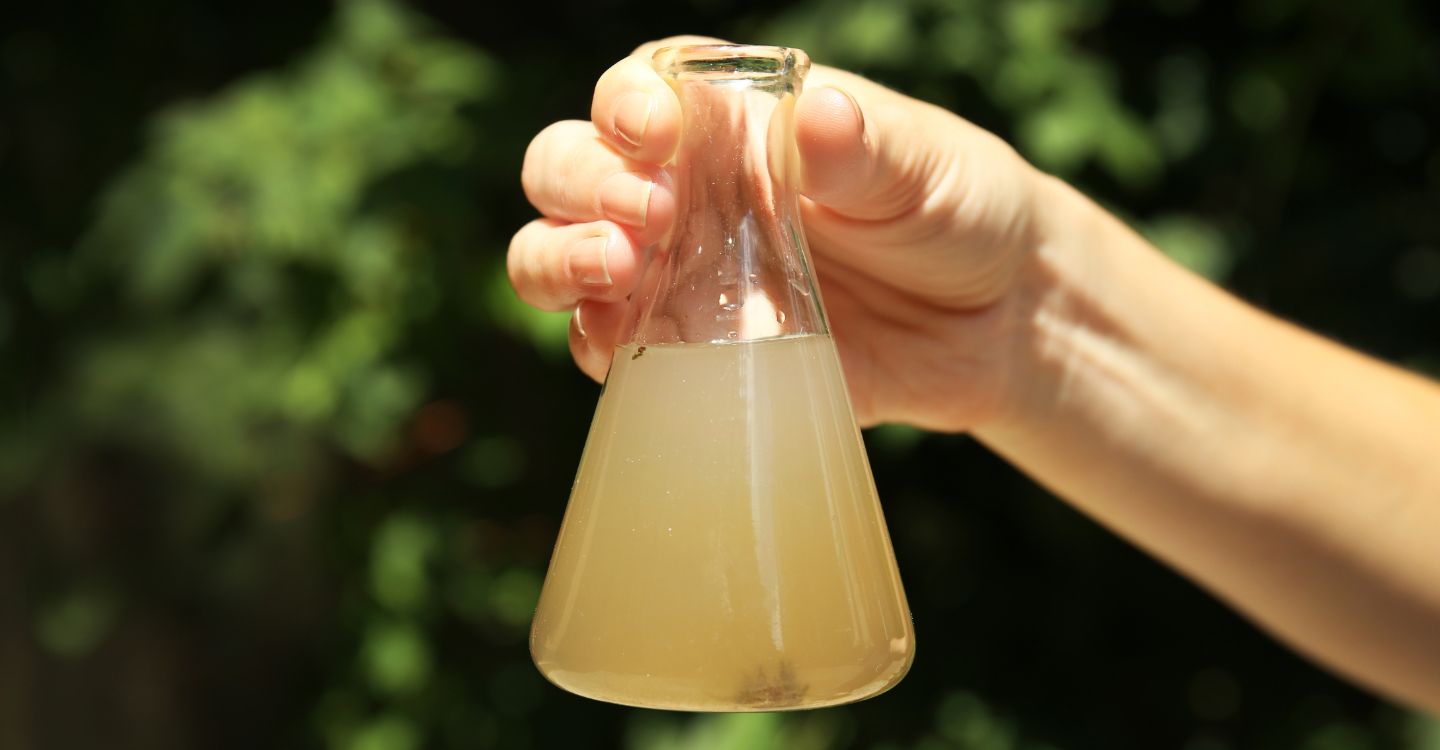
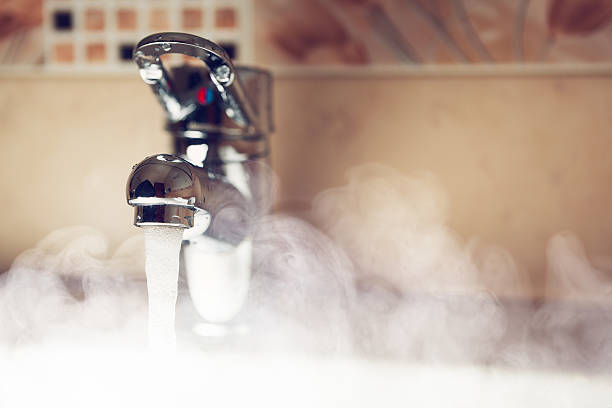
It is a common habit for New Yorkers to use cold water for drinking and cooking while reserving the hot tap for washing. This habit is rooted in a fundamental truth of plumbing: hot water is significantly more corrosive than cold water. In the Midtown loft, the laboratory reports showed that while lead levels were undetectable in the cold water, the hot water samples exceeded health-based advisory levels.
This happens because heat acts as a catalyst for chemical reactions. Hot water leaches metals from pipes, solder, and fixtures at an accelerated rate. In a large loft conversion, the water often travels through hundreds of feet of newly installed copper or brass lines. If these materials contain even trace amounts of impurities, or if the soldering flux was not properly flushed during construction, the hot water will “pull” those contaminants into the stream. For a resident who might use the hot tap to speed up a pot of pasta or mix a morning tea, this creates a hidden, daily exposure to heavy metals.
The Construction Residue Trap
The failure of the Midtown loft was traced back to a common issue in high-end renovations: construction residue. During the installation of new plumbing, various chemicals and materials are introduced into the system. This includes:
- Excess Solder Flux: The acidic paste used to clean copper pipes before soldering. If not flushed, it continues to eat away at the interior of the pipe.
- Metal Shavings: Tiny fragments of copper or brass left behind from cutting and fitting pipes.
- Lubricants: Oils used in the threading of larger galvanized risers or valves.
When these residues sit in a hot water tank or a stagnant riser, they create a concentrated “slug” of contamination. In many Midtown buildings, the hot water is stored in large central tanks or individual high-capacity heaters. These tanks act as settling basins where heavy metal particles can accumulate over time. The science of the failed test showed that the highest concentrations of contaminants were found in the “first draw” of hot water—the water that had been sitting in the local lines and the heater overnight.
Bacterial Regrowth in New Vertical Systems
Beyond heavy metals, the hot water in the Midtown loft failed for elevated bacterial counts. This is a recurring theme in our global issues research: as buildings become more energy-efficient, they often lower the temperature of their hot water heaters to save on utility costs.
However, if a hot water heater is set below 140°F (60°C), it can become a breeding ground for Legionella and other opportunistic pathogens. In a newly renovated building, water may sit stagnant for weeks while the final aesthetic touches are completed and the units are marketed. Without regular use and high enough temperatures to kill bacteria, a thin layer of biofilm can form inside the new pipes. This biofilm protects bacteria from the city’s chlorine and allows them to flourish. The Midtown resident’s “musty” hot water was a direct result of this microbial bloom.
The Problem with PEX and Plasticizers
Many modern lofts in Manhattan have moved away from traditional copper in favor of PEX (cross-linked polyethylene) piping. While PEX is resistant to the corrosion that plagues metal pipes, it is not without its own risks, particularly in hot water applications.
Some laboratory reports from 2026 have noted that certain brands of PEX can leach volatile organic compounds (VOCs) and “plasticizers” when exposed to high-temperature water. These chemicals can impart a distinct plastic taste and odor to the hot water. While often considered an aesthetic issue, the long-term health implications of these compounds are still being studied as part of global issues in plastic infrastructure. In the Midtown loft, the presence of these “new pipe” odors was the first sign that prompted the owners to order a professional test.
Lessons for the Modern Manhattan Renter and Owner
The Midtown loft case highlights that water safety is not a “set it and forget it” feature of a renovation. If you are moving into a newly converted space in Manhattan, there are proactive steps you should take:
- The Full System Flush: Ensure your contractor performs a high-velocity flush of both the cold and hot water systems. This should be done multiple times to clear out all installation debris.
- Check the Heater Temperature: Verify that your hot water heater is set to a high enough temperature (at least 140°F) to prevent bacterial growth, though you should use a thermostatic mixing valve to prevent scalding at the tap.
- Post-Occupancy Testing: Do not rely on the building’s certificate of occupancy. Order an independent tap test 30 days after you move in, once the system has had a chance to reach its normal operating state.
- Replace the Anode Rod: If you notice a “rotten egg” smell in your hot water, it may be a reaction between the water and the heater’s sacrificial anode rod. Switching to a powered anode or a different material can often solve the issue.
As we often discuss on our blog, the data from a lab test is your only real protection. Visual inspections of new pipes tell you nothing about the chemical and biological reality of the water they carry.
The Regulatory Gap in “Private” Water
One of the most frustrating aspects for the Midtown homeowner was the realization that the city’s water reports provide no protection against building-specific failures. The New York City DEP is responsible for the water until it reaches the building’s property line. Once it enters the “premise plumbing,” it is the responsibility of the owner.
In a Midtown loft conversion, the “last mile” of plumbing is entirely under the control of the developer and the management company. This underscores why individual testing is so critical. As noted in several reports, a building can be in full compliance with city standards while still delivering unsafe water to an individual resident due to localized issues in the hot water loop.
Conclusion: Demanding Quality in the Concrete Jungle
The “Midtown failed test” is a cautionary tale for anyone living in the high-density, high-history environment of Manhattan. We are surrounded by amazing engineering, but it is an engineering that requires constant validation. If your new renovation has a metallic taste, a strange odor, or if you simply want the peace of mind that your “luxury” water is actually safe, the time to act is now.
The most effective next step for any Midtown resident or loft owner is to move from assumption to verification. If you have concerns about the science of your hot water system or if you need help interpreting results from a building-wide audit, the best path forward is to contact a specialist today. Let the data ensure that every tap in your home is a source of health, not a hidden risk.