In the quiet residential pockets of Queens, where garden apartments and mid-rise co-operatives define the skyline, a new standard for water safety is being established. In March 2026, a prominent co-op board in Forest Hills made headlines by issuing a borough-wide recommendation that goes far beyond traditional maintenance. Following a scheduled “building-wide flush”—a process intended to clear sediment from the main risers—the board has advised all shareholders to perform independent, filtered tap testing.
This move signals a growing awareness that municipal water safety is not a static guarantee but a dynamic process that requires vigilance at the “last mile” of delivery. For residents of Queens, whose buildings often bridge the gap between historic charm and modern demands, understanding the science behind these recommendations is crucial for long-term health and property value.
The Mechanics of the Building-Wide Flush
A building-wide flush is a high-volume scouring of the building’s internal plumbing system. Over decades, even the best-maintained pipes develop a layer of mineral scale and “rust” on their interior walls. This is particularly true in Queens, where many co-ops still rely on original galvanized steel or unlined iron mains.
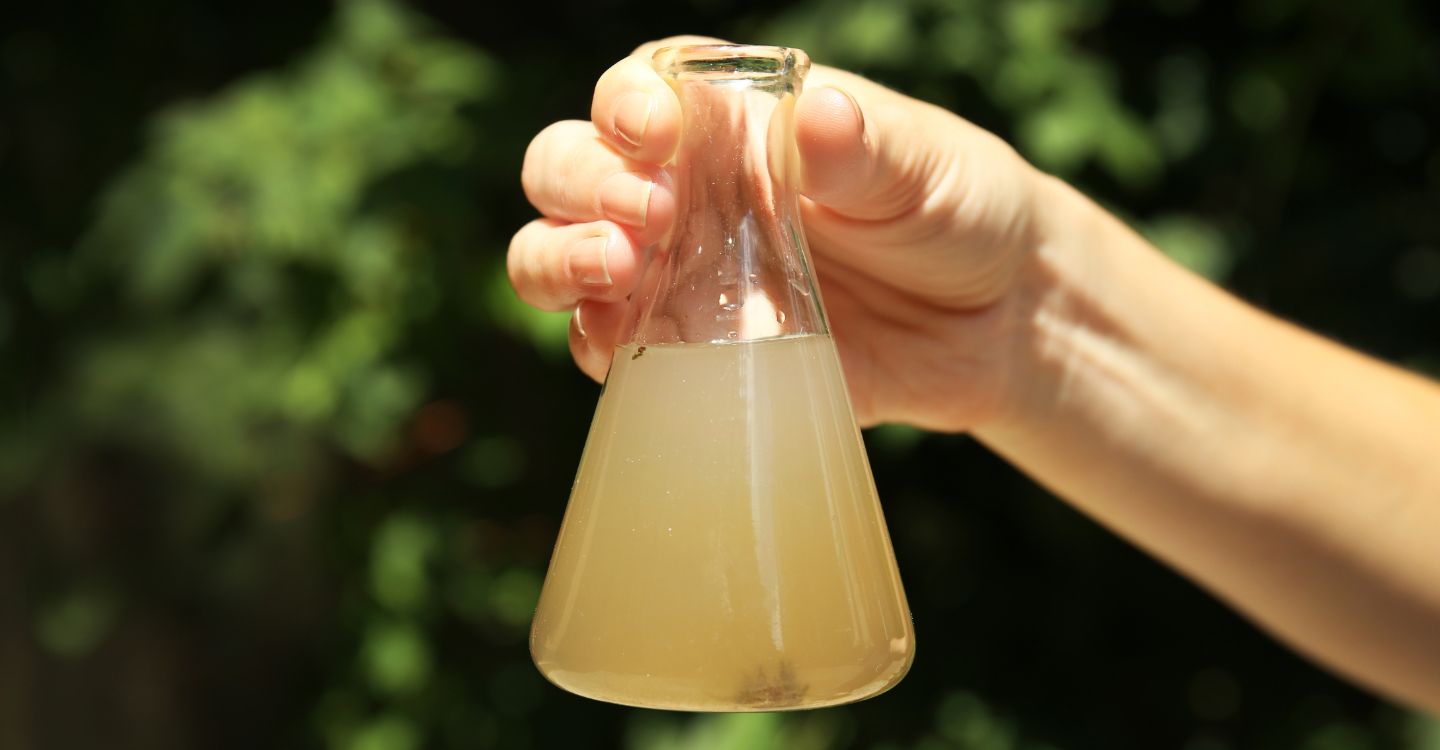
During a flush, water is moved through the system at a significantly higher velocity than normal. The physical force of this water is designed to strip away loose sediment and biofilm. However, the process is not without its risks. As we’ve noted in several reports, the turbulence created by a flush can occasionally dislodge legacy contaminants that have been sequestered in the pipe scale for years. This is why the Forest Hills board took the proactive step of recommending unit-specific testing immediately following the procedure.
The Filtered Tap Paradox: Why “Pure” Isn’t Always Pure
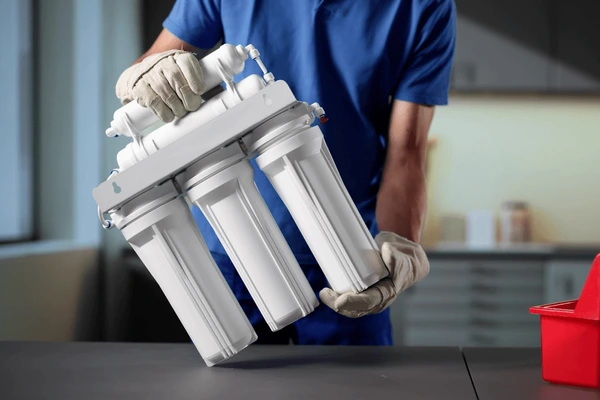
Many Queens residents believe that their under-sink or countertop filter is a foolproof barrier against any contaminants stirred up during building maintenance. However, the board’s recommendation specifically targets filtered tap testing. This is based on the science of filter exhaustion.
When a building-wide flush occurs, a sudden “slug” of fine sediment and metallic particles hits the individual apartment’s plumbing. If a resident continues to use their filter without testing it, they may be unaware that the sediment pulse has “blinded” the filter media or caused “channeling.” Channeling occurs when high-pressure particulates create microscopic paths of least resistance through the carbon block, allowing lead, copper, and other global issues like microplastics to pass through virtually untouched. By testing the water after it passes through the filter, residents can verify if their current system is actually performing as advertised.
The Queens Infrastructure Challenge: A Local Context
Queens presents a unique challenge for water quality. While the borough receives the same high-quality reservoir water as the rest of the city, its distribution network is a patchwork of eras. In neighborhoods like Jackson Heights and Sunnyside, the co-op infrastructure often includes 1940s-era lead-soldered joints and galvanized risers.
The board’s decision to recommend testing reflects a shift away from “representative sampling”—where a single tap in the basement is tested—toward “point-of-use” accountability. As we explore on our blog, the water quality in a first-floor unit can be vastly different from that on the sixth floor, depending on the material of the specific riser serving that line. A building-wide flush might improve quality for one neighbor while temporarily degrading it for another by concentrating dislodged sediment in a specific branch line.
Health Impacts and the Precautionary Principle
The primary driver for the co-op board’s recommendation is the protection of vulnerable populations. Even at levels that meet municipal “compliance,” the presence of iron, manganese, and residual lead in the water can have cumulative health impacts.
For children, even low-level lead exposure is a neurodevelopmental risk. For adults, high levels of iron and sediment can cause skin irritation and gastrointestinal distress. By encouraging shareholders to perform their own audits, the board is embracing the “precautionary principle”—the idea that it is better to verify safety through data than to assume it based on a lack of acute symptoms. This is a topic of increasing importance in global issues as urban centers worldwide struggle with aging secondary-distribution networks.
How to Perform a Post-Flush Water Audit
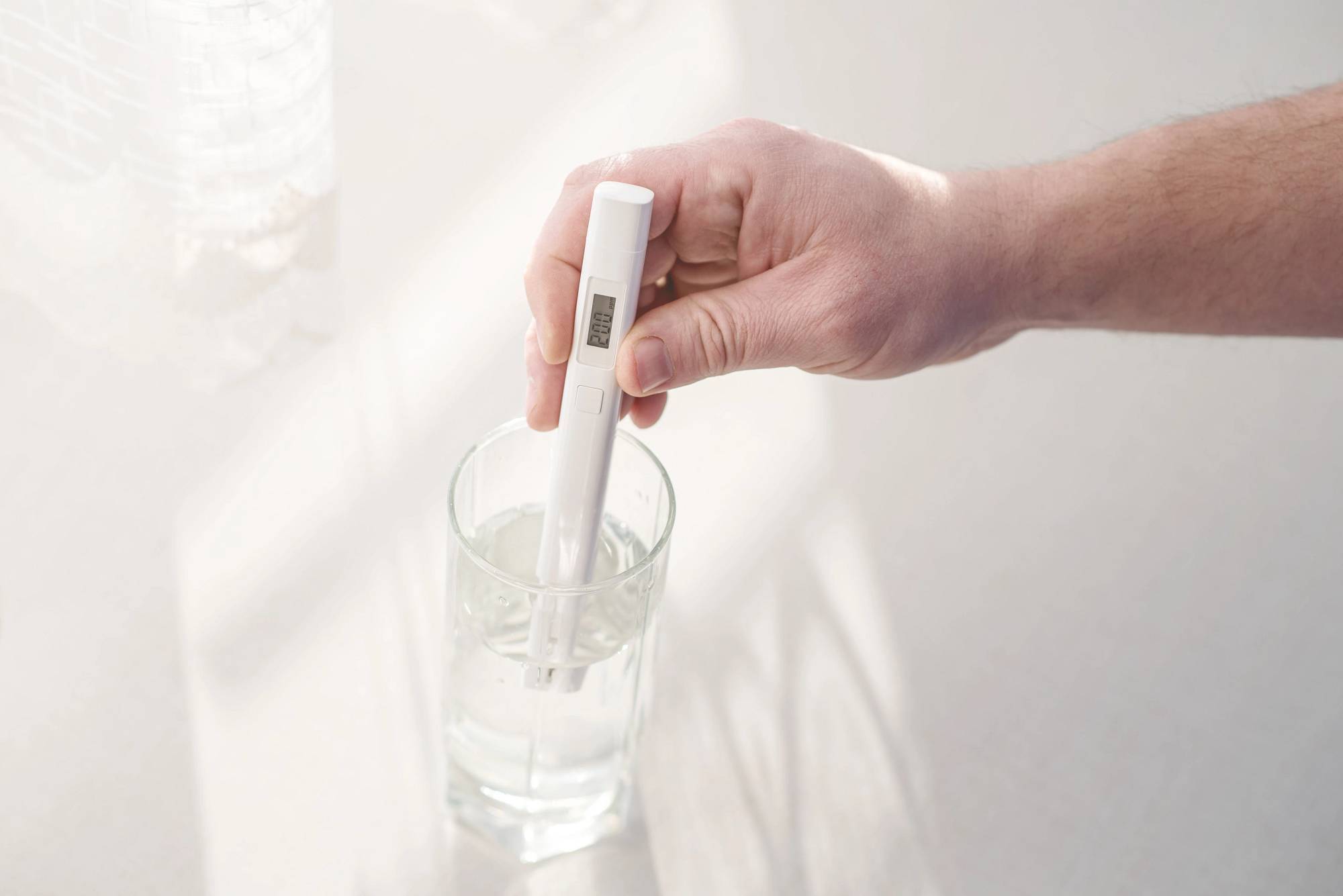
For Queens residents following the board’s advice, the process of testing should be methodical. A standard “dip test” or home-strip kit is often insufficient to detect the subtle chemical shifts that occur after a plumbing flush.
Instead, a professional audit should include:
- The “First Draw” Filtered Sample: Capturing the first water to come out of the filter after it has sat overnight. This checks for leaching from the filter housing or the faucet itself.
- The “Scour” Sample: Taking a sample after the water has run for 30 seconds to see if the building’s flush successfully cleared the local branch lines.
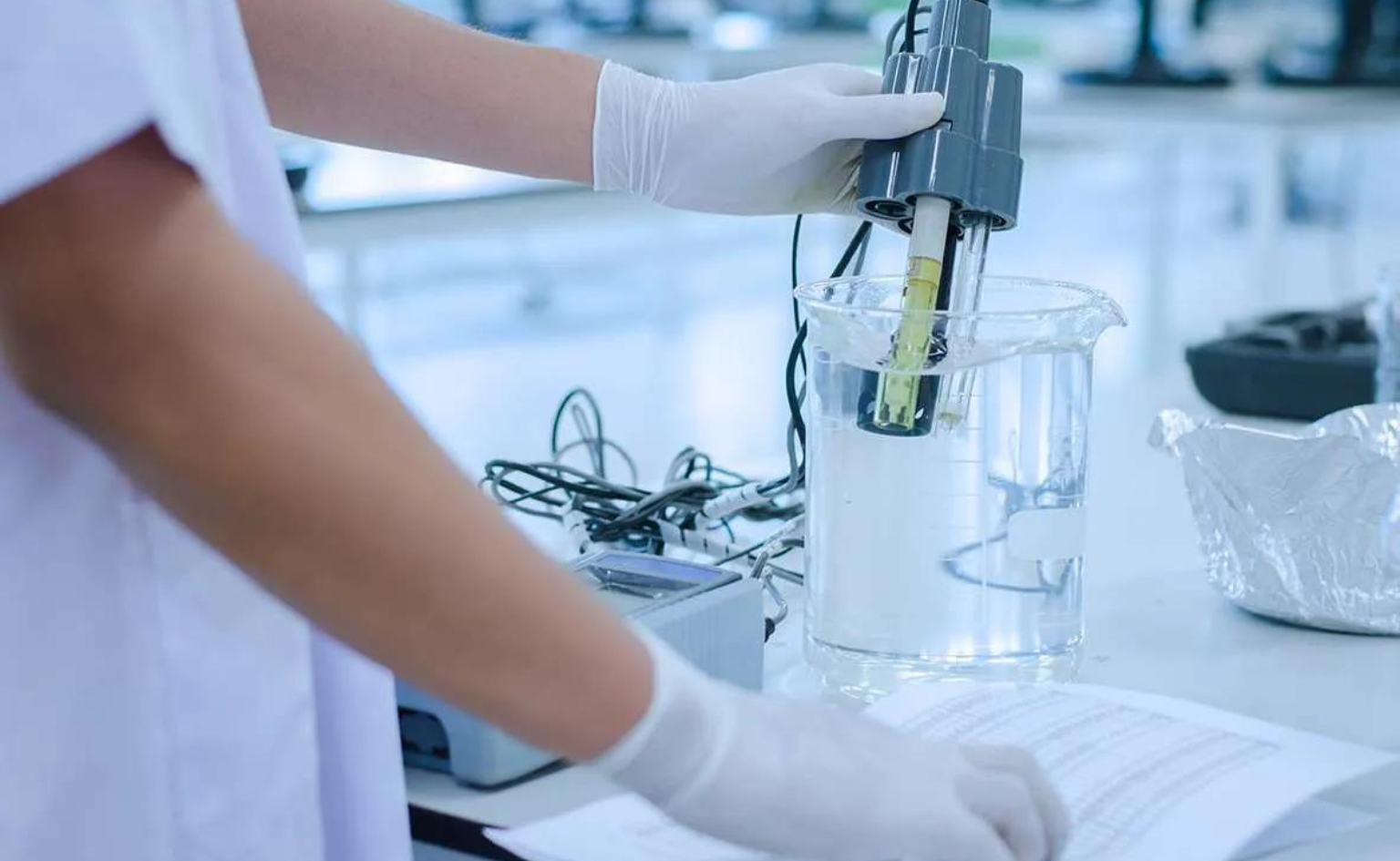
- Lab-Certified Analysis: Using a lab that can detect heavy metals like lead and copper at the parts-per-billion (ppb) level, as well as checking for Total Suspended Solids (TSS) which indicate residual sediment from the flush.
As we highlight in our recent reports, the data gained from these tests is not just for individual peace of mind; it is a vital tool for the co-op board. If multiple units on the same line report similar failures after a flush, it provides the evidence needed to prioritize capital improvements for that specific section of the building’s plumbing.
Bridging the Gap Between Municipal and Private Responsibility
The Queens co-op recommendation highlights the fine line between the city’s responsibility and the property owner’s duty. While the NYC DEP ensures the water in the street is safe, the co-op board is responsible for the “vertical mains” inside the building. This “last mile” of infrastructure is where most water quality failures occur in 2026.
By recommending filtered tap testing, the board is essentially providing a “health check” for the building’s own maintenance efforts. It acknowledges that while a flush is a necessary part of pipe longevity, it is a disruptive event that requires follow-up. On our blog, we advocate for this type of transparency as the new gold standard for New York City real estate.
Conclusion: A Model for Borough-Wide Safety
The Forest Hills co-op board has set a precedent that other Queens developments would be wise to follow. In an era where infrastructure aging is one of our most pressing global issues, proactive management is the only way to ensure the safety of our homes. A building-wide flush is a great first step, but the data from a filtered tap test is what provides the final assurance.
The most effective next step for any Queens co-op resident—especially those whose buildings have recently undergone plumbing maintenance—is to move from assumption to verification. If you have questions about the science of your filtration system or if you need help interpreting results from a recent building-wide test, the best path forward is to contact a specialist today. Don’t wait for a change in taste or color to check your water; let the data lead the way to a clearer, healthier home.