While much of the public discourse surrounding water quality in New York City focuses on lead, a quieter but equally persistent issue is gaining traction among residents of Brooklyn’s larger residential complexes. In early 2026, data from independent laboratory audits has highlighted a troubling trend: copper levels remain elevated in dozens of multi-family buildings across neighborhoods like Williamsburg, Bushwick, and Downtown Brooklyn. Unlike lead, which is often a “legacy” problem tied to 19th-century infrastructure, copper contamination is frequently a byproduct of modern plumbing practices and building-wide management choices.
For the thousands of New Yorkers living in high-density housing, the assumption that “newer is better” is being put to the test. Many of the buildings reporting these spikes are not crumbling tenements but rather mid-to-high-rise developments constructed or gut-renovated within the last twenty years. Understanding why copper persists at these levels requires a look into the science of pipe corrosion and the unique hydraulic pressures of Brooklyn’s vertical landscape.
The Mechanics of Leaching: Why Multi-Family Buildings are at Risk
Copper is the gold standard for interior plumbing due to its durability and antimicrobial properties. However, it is not an inert material. Under certain conditions, the metal can leach from the pipe walls into the water supply. In the context of Brooklyn’s multi-family units, this leaching is often driven by the chemistry of the water as it travels through the building’s internal risers.
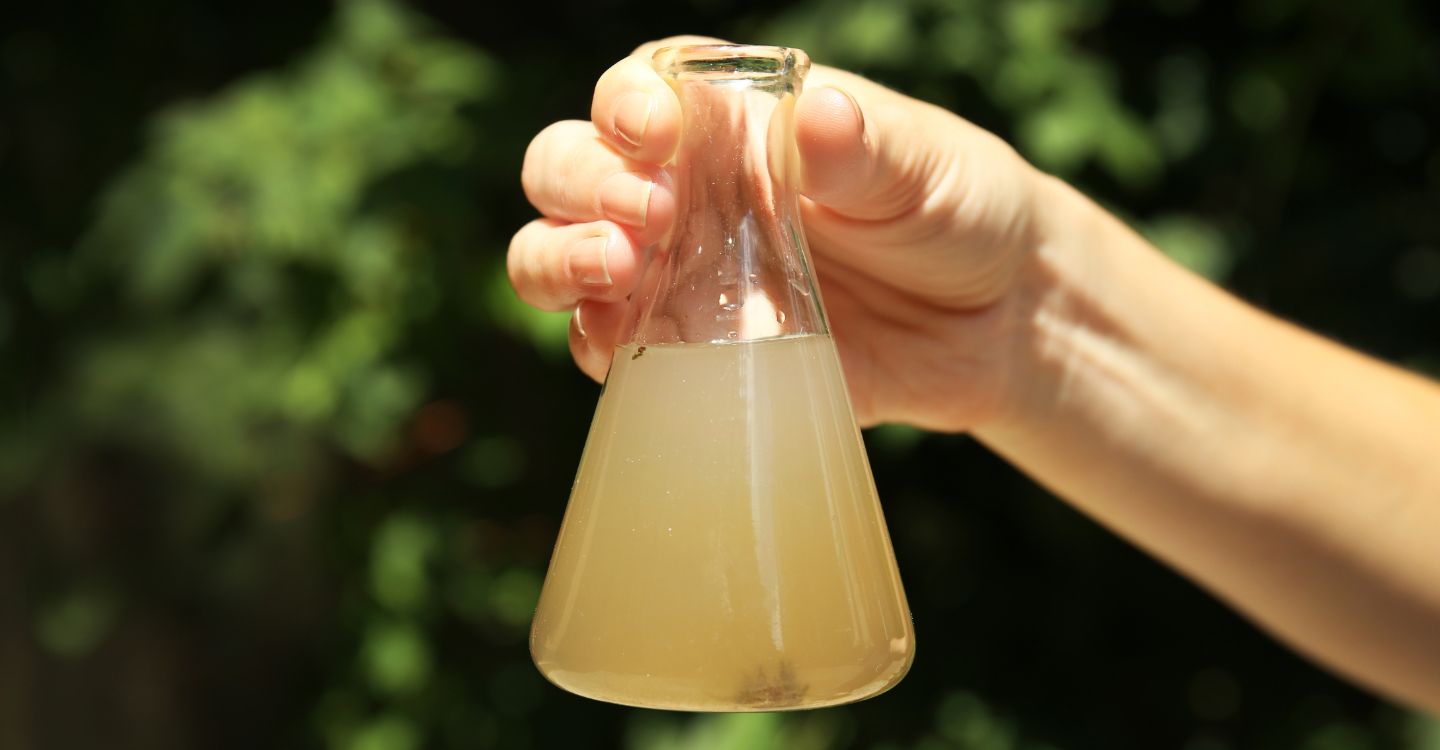
One of the primary drivers in 2026 is the “stagnation cycle.” In large buildings, water can sit for extended periods in long horizontal runs or in “dead legs” of the plumbing system during the workday when residents are out. During these hours of inactivity, the water reacts with the copper surfaces. According to various reports, the concentration of dissolved copper increases the longer the water remains in contact with the metal. When a resident returns home and pours a glass of water, they are often receiving the “first draw” of this copper-saturated liquid.
The Role of Water Chemistry and pH in Brooklyn
The municipal water entering Brooklyn from the upstate reservoirs is treated to be non-corrosive, but its chemistry can change once it enters a private building’s booster pumps and storage tanks. In some Brooklyn developments, the use of water softeners or the lack of proper corrosion inhibitors in centralized heating systems can make the water “hungry.”
Hungry water—water that is slightly acidic or low in mineral content—aggressively seeks out metals to balance its chemistry. It strips copper atoms from the pipe walls, leading to the elevated levels currently being observed. This is a classic example of how global issues regarding infrastructure aging manifest in very local, building-specific ways. While the city meets federal standards, the building’s internal environment dictates the safety of the tap.
Identifying the Signs: Blue Stains and Metallic Tastes
Residents are often the first to notice that something is wrong, even before a formal audit is conducted. High copper levels carry distinct sensory markers that are hard to ignore. The most common sign is a bitter, metallic taste in the water, particularly noticeable in the morning.
Physically, copper leaves its mark in the form of blue-green staining on sinks, tubs, and around faucet aerators. This “patina” is actually a sign of active corrosion within the walls. On our blog, we have documented cases where residents in newly built luxury rentals in Greenpoint reported vibrant blue rings in their porcelain tubs within months of moving in—a clear indicator that the building’s new copper plumbing was leaching at an unsustainable rate.
Health Impacts: The Hidden Cost of Chronic Exposure
While copper is an essential micronutrient in trace amounts, chronic exposure to elevated levels in drinking water is a significant health concern. The science behind copper toxicity shows that ingestion of high concentrations can cause acute gastrointestinal distress, including nausea, vomiting, and stomach cramps.
Over the long term, the health impacts are more severe. Chronic ingestion of copper-heavy water has been linked to liver damage and kidney issues, especially in vulnerable populations. For families with infants, the risk is amplified; babies are less able to process excess copper, and the use of copper-heavy water for mixing infant formula can lead to serious developmental setbacks. Because these symptoms often mimic common viral illnesses, many Brooklyn residents remain unaware that their “stomach bug” is actually a reaction to their plumbing.
The Challenges of Multi-Family Remediation
Addressing elevated copper in a 200-unit building is significantly more complex than in a single-family home. In a multi-family environment, the responsibility for the “last mile” of water quality is shared between the property owner and the management firm.
Current reports suggest that remediation often stalls because of the scale of the intervention required. Management may need to:
- Adjust Centralized Treatment: Installing or recalibrating corrosion control systems in the building’s basement.
- Implement Automatic Flushing: Installing “smart” valves that automatically flush stagnant water out of the risers during low-use hours.
- Replace Brass Fixtures: Many “copper” failures are actually caused by low-quality brass fittings that leach copper and zinc.
As we examine global issues in urban housing, it becomes clear that building-wide transparency is the only way to drive these changes. Residents are increasingly organizing to demand that their management companies provide annual water quality reports that go beyond the basic bacteriological tests required by the city.
Practical Steps for Brooklyn Residents
If you live in a multi-family building and suspect your copper levels are high, there are immediate steps you can take to protect your household:
- The Cold Flush: Never use the “first draw” of water for drinking or cooking. Run the cold water for 30 to 60 seconds until you feel a noticeable drop in temperature. This indicates you have moved the stagnant water out of your apartment’s pipes.
- Avoid Hot Tap Water for Cooking: Hot water is more corrosive and leaches copper much faster than cold water. Always start with cold water and heat it on the stove.
- Clean Your Aerators: Copper sediment can get trapped in the small screens on your faucets, creating a localized “hot spot” for leaching.
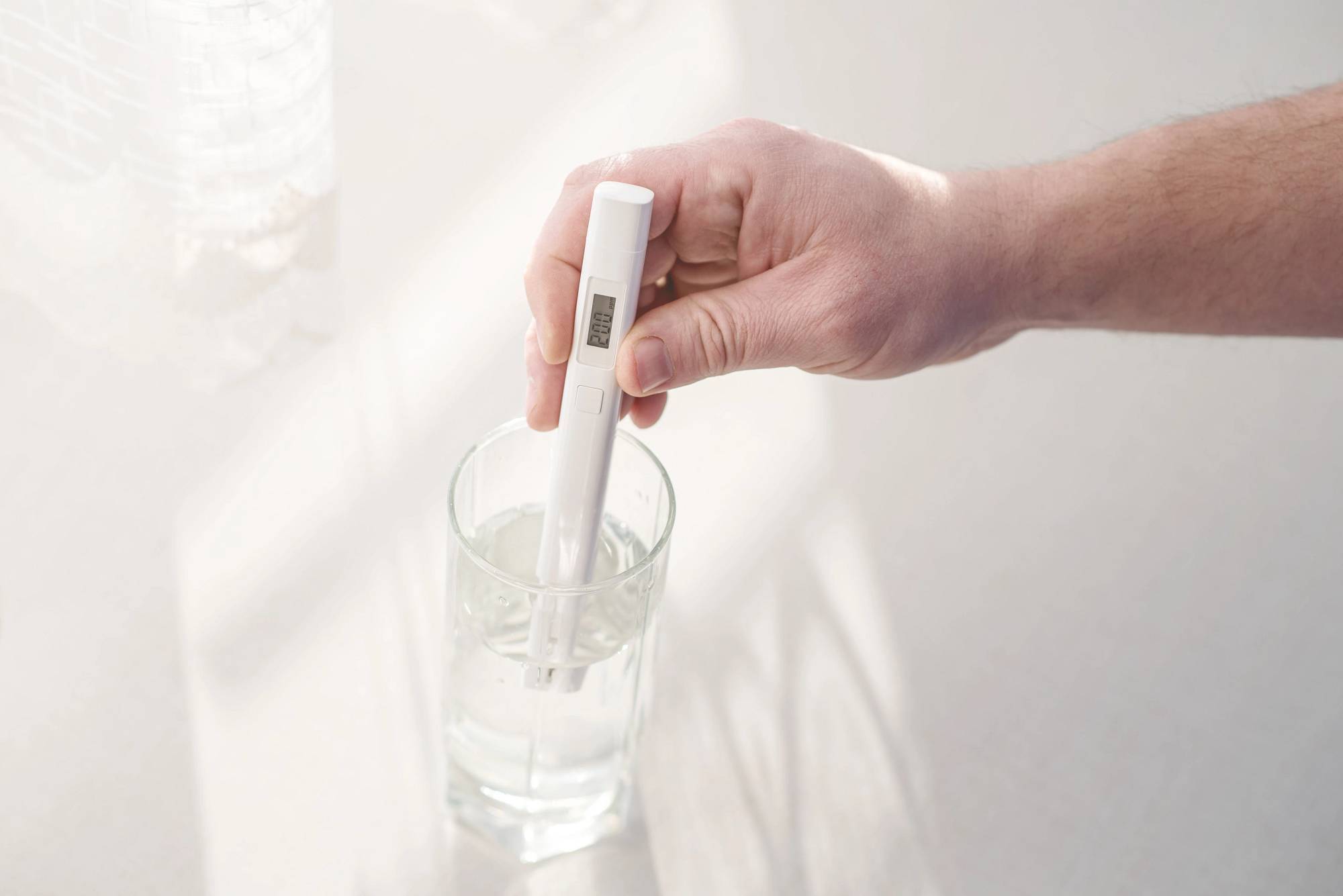
- Independent Testing: Don’t rely on building-wide reports. A unit-specific lab test is the only way to know exactly what is happening at your kitchen tap.
The Importance of Data-Driven Advocacy
The persistence of elevated copper in Brooklyn’s newer buildings is a reminder that water safety is a continuous process, not a one-time renovation goal. In 2026, the power is shifting to the residents. By utilizing the science of water testing and sharing the findings with neighbors, tenants can compel building owners to take the necessary steps toward remediation.
The most effective next step for any Brooklyn resident concerned about metallic tastes or blue staining is to verify the water quality with a professional audit. If you are looking for more information or need help interpreting results from a building-wide test, the best path forward is to contact a specialist today. Whether you are in a historic walk-up or a modern high-rise, you deserve water that is as clean as the city promises.