In the heart of Brooklyn, Park Slope is renowned for its picturesque rows of Victorian and Neo-Federal brownstones. For many families moving into the neighborhood, the purchase of a historic home is followed immediately by a vision of modernization—sleek kitchens, open floor plans, and updated fixtures. However, a recent renovation on a prominent block near Prospect Park has served as a stark reminder of the hidden legacy lurking behind those ornate limestone facades. What started as a simple bathroom remodel quickly escalated into a full-scale environmental intervention when contractors uncovered a significant prewar plumbing risk that directly impacted the home’s water safety.
The discovery of original lead service lines and lead-soldered joints is becoming a frequent occurrence in 2026 as more Park Slope residents peel back the layers of their century-old homes. While the neighborhood represents the pinnacle of Brooklyn charm, its infrastructure remains tethered to a period when lead was the industry standard for durability. Understanding how a renovation can expose these risks—and what it means for your family’s health—is essential for any homeowner in the borough’s historic districts.
The Discovery: When Modernization Meets 19th-Century Reality
The renovation in question began like any other. The homeowners, eager to replace a dated master bath, hired a team to strip the room down to the studs. As the old plaster was removed, the plumbing sub-contractor noticed something troubling: the main vertical riser feeding the upper floors was not the copper or galvanized steel they expected. Instead, it was a heavy, dull-gray pipe with the telltale “wiped” joints characteristic of prewar lead construction.
This was not just a localized issue. Further investigation revealed that while the kitchen had been updated in the 1990s with copper piping, those new lines were connected to the original lead service line that ran all the way to the street. This “patchwork” plumbing is a common science behind many failed water tests in Brooklyn. Homeowners often assume that if they see copper under their sink, they are safe, but the water’s journey from the city main to that copper pipe often involves several yards of lead-heavy infrastructure.
The Science of Lead Leaching in Historic Homes
The primary danger in these Park Slope brownstones isn’t necessarily the pipe itself, but the chemical interaction between the water and the metal. Over many decades, a protective layer of mineral scale usually builds up on the inside of old pipes, acting as a barrier. However, the physical vibrations and pressure changes inherent in a renovation can cause this scale to crack or flake off.
Once this barrier is compromised, lead begins to leach into the water at an accelerated rate. This is particularly true during periods of stagnation, such as when water sits in the pipes overnight or while the family is away during the construction process. According to several environmental reports, the “first draw” of water after a period of non-use in a home with lead plumbing can contain lead concentrations dozens of times higher than the EPA’s action level. This is a classic “last mile” failure where the city’s water is clean, but the building’s internal skeleton degrades its quality.
Galvanic Corrosion: The Hidden Catalyst
Perhaps the most insidious risk uncovered during the Park Slope renovation was evidence of galvanic corrosion. This occurs when two dissimilar metals—like the old lead service line and the new copper interior pipes—are directly connected. In the presence of water, these metals create a tiny electrical circuit.
This process significantly increases the rate at which the lead dissolves into the drinking water. For the Park Slope family, the previous partial renovation in the 1990s had unintentionally created a chemical environment that promoted lead leaching. This highlights why holistic science is necessary when approaching historic renovations; simply replacing the “visible” pipes can sometimes make the underlying lead problem worse if the connection points are not properly managed.
The Health Impacts of the “Construction Spike”
For the residents of Park Slope, many of whom are families with young children, the discovery of lead is a primary health concern. Lead is a potent neurotoxin with no safe level of exposure. The “construction spike”—the sudden increase in lead levels during and immediately after a renovation—is particularly dangerous because it is often invisible.
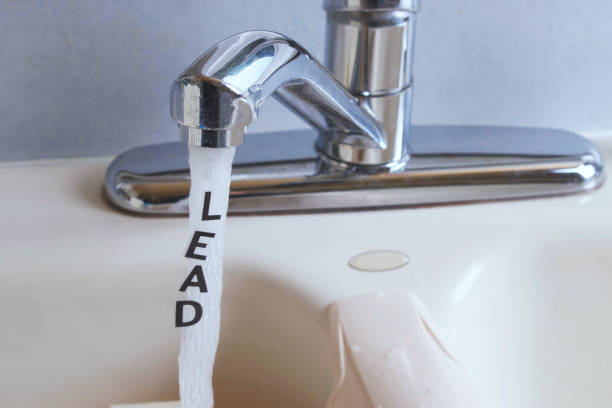
Unlike iron, which turns water brown, or sulfur, which creates an odor, lead is colorless, tasteless, and odorless. A family might continue to drink from a “renovated” kitchen tap, unaware that the vibrations from the bathroom work two floors up have sent a pulse of lead sediment into their glass. As we discuss on our blog, this hidden nature of lead is why professional tap testing is a non-negotiable step for any Brooklyn construction project.
A Global Issue in Local Pipes
The challenges faced by this Park Slope family are mirrored in historic cities across the world. From the lead-lined service pipes of London to the ancient distribution networks of Rome, the struggle to reconcile 21st-century health standards with 19th-century infrastructure is a recurring theme in global issues regarding water quality.
In 2026, many urban centers are moving toward mandatory lead service line replacement programs. However, in a neighborhood like Park Slope, where the landmark status of the buildings and the complexity of the streetscape can make external excavations expensive, the burden often falls on the individual homeowner. By viewing their local plumbing through the lens of global issues, residents can better appreciate the systemic nature of the problem and the importance of professional-grade filtration as a secondary line of defense.
Practical Steps for Park Slope Homeowners
If you are planning a renovation in a prewar Brooklyn building, or if you have recently completed one, there are several steps you should take to mitigate the risk of lead exposure:
- Perform a Material Audit: Before any walls come down, have a plumber or environmental specialist identify every inch of your service line and interior risers. Do not rely on “visual” checks of accessible pipes.
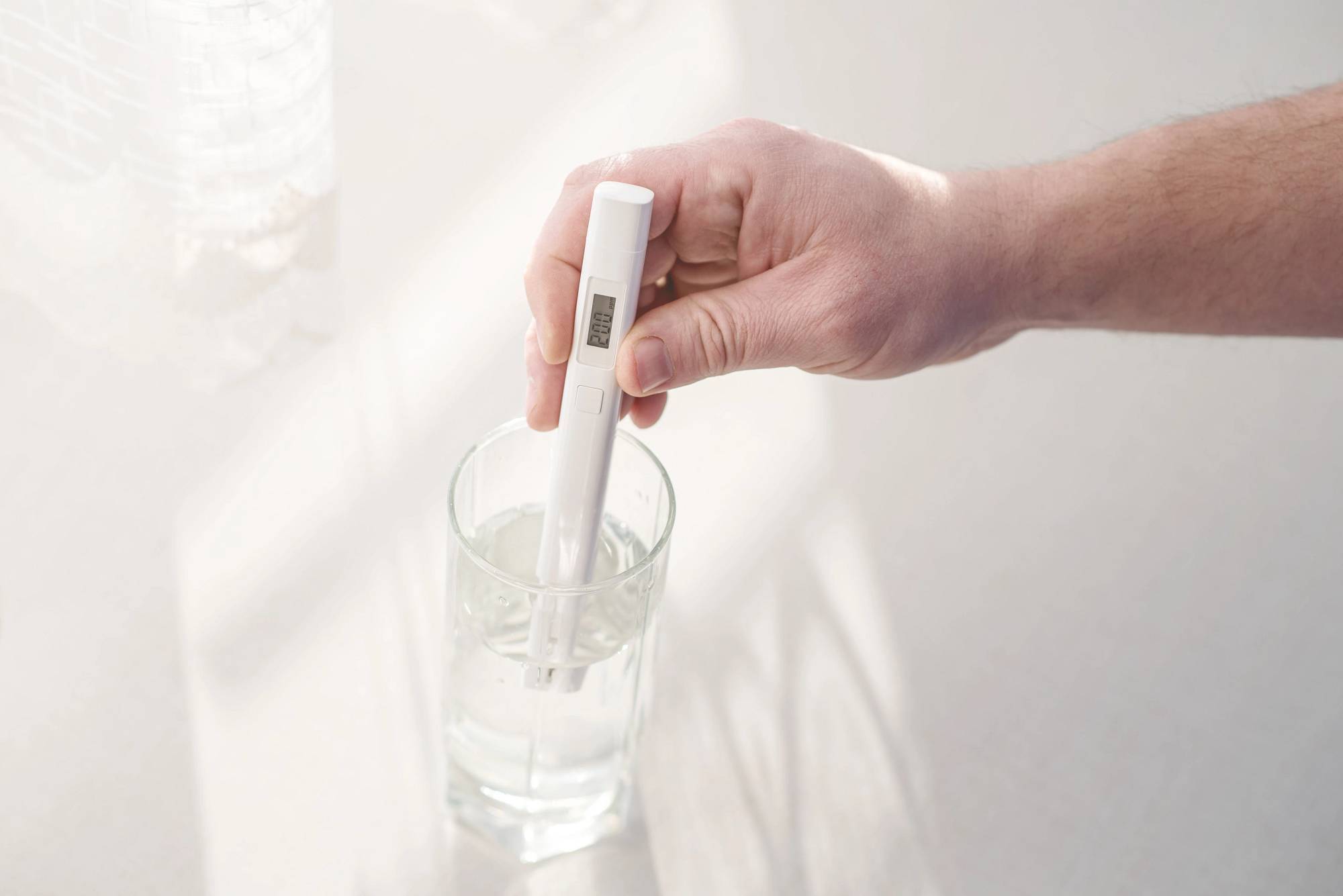
- Test the Tap, Not the Tank: Building-wide tests of water storage tanks are insufficient. You need a “first-draw” tap test specifically from the fixtures your family uses for drinking and cooking.
- Aggressive Flushing Post-Construction: After any plumbing work, flush all lines for at least 30 minutes to clear out construction debris and disturbed mineral scale.
- Install Certified Filtration: Ensure any point-of-use filters are specifically rated for lead removal (NSF/ANSI Standard 53).
As noted in recent reports, these proactive measures are the only way to ensure that a beautiful home restoration doesn’t come at the cost of your family’s safety.
The Importance of Professional Data
The Park Slope renovation story ended positively because the homeowners insisted on a comprehensive water audit after the lead pipes were discovered. They didn’t just take the contractor’s word that the new copper would solve the issue; they sought out the science of laboratory results.
In Brooklyn, where every building has a unique plumbing history, data is your most valuable asset. A lab-certified test can tell you exactly where the lead is coming from—whether it’s the service line in the street, the solder in the walls, or the brass in the faucet itself. This allows for targeted, cost-effective remediation rather than a stressful “shotgun” approach to repairs.
Conclusion: Protecting the Legacy of Park Slope
Our brownstones are more than just houses; they are the architectural soul of Brooklyn. Preserving them requires us to be stewards of not just their facades, but their internal safety as well. The discovery of lead during a Park Slope renovation is not a reason for panic, but a call for vigilance. By addressing these prewar risks head-on, we ensure that our historic homes remain healthy spaces for the next century of Brooklyn life.
The most effective next step for any Park Slope resident currently planning or undergoing a renovation is to move from assumption to verification. If you have noticed a change in your water’s taste or are concerned about the age of your plumbing, the best path forward is to contact a specialist today to schedule a comprehensive audit. Don’t wait for a renovation to uncover a risk that you can identify and solve today.