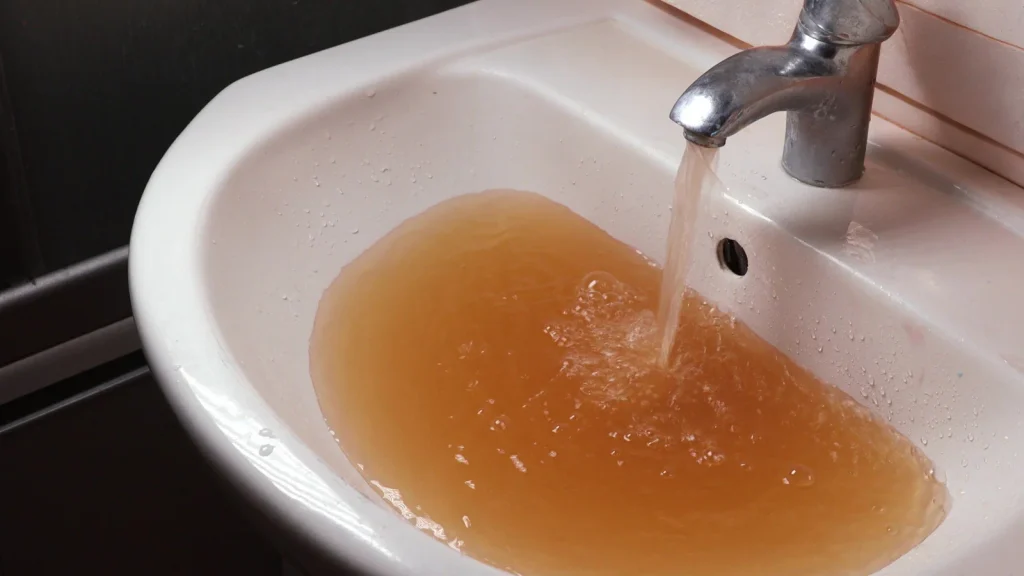
Every time you reach for a glass of water, a quiet calculation takes place. Should you turn on the kitchen tap, or reach into the refrigerator for a sealed plastic bottle? For decades, bottled water marketing has cultivated an image of pristine mountain springs, untouched glaciers, and unmatched purity. Tap water, meanwhile, frequently suffers from negative publicity, periodic municipal boil-water advisories, and lingering anxieties about aged infrastructure. Yet when scientific rigor replaces slick marketing campaigns, the answer to which water source is genuinely safer becomes far more nuanced.
Safety in drinking water is not a simple binary of “pure” versus “contaminated.” It involves regulatory oversight, treatment mechanisms, chemical stability during storage, and the physical delivery system bringing water to your lips. Exploring public data and independent laboratory findings reveals that the choice between the tap and the bottle is less about inherent superiority and much more about knowing what is in your specific supply. Before deciding which container belongs on your counter, understanding the competing systems that treat and monitor your daily hydration is essential.
The Regulatory Divide: EPA vs. FDA Oversight
The single biggest factor separating municipal tap water from packaged bottled water is the governing body responsible for its oversight. Many consumers assume bottled water undergoes stricter scrutiny because it carries a premium retail price. In practice, municipal tap water faces substantially more rigorous and transparent public testing requirements under federal law.
Municipal public water systems in the United States fall under the direct authority of the Environmental Protection Agency (EPA). Public utilities must adhere to enforceable limits established under the Safe Drinking Water Act. These standards, known formally as the National Primary Drinking Water Regulations, restrict more than 90 contaminants, including volatile organic compounds, synthetic chemicals, radioactive elements, and microbial pathogens. Large public water suppliers are mandated to run dozens or even hundreds of tests every single day, reporting results directly to state regulators and publishing annual Consumer Confidence Reports for their communities.
Bottled water, on the other hand, is legally classified as a packaged food item. As a consequence, it is regulated by the Food and Drug Administration (FDA). While FDA safety thresholds for contaminants are legally required to be at least as stringent as EPA standards, the frequency and disclosure requirements differ dramatically:
- Testing Frequency: Municipal treatment plants analyze water continuously throughout the day for turbidity, chlorine residual, and biological indicators. Bottled water facilities are generally required to test source water and final product lots far less frequently, sometimes only on a weekly or annual schedule depending on the specific contaminant category.
- Public Transparency: Your local municipal utility must publicly account for every detected contaminant and exceedance through public records. Bottled water manufacturers have no statutory obligation to disclose test results, water origins, or filtration methods on consumer labels unless specifically mandated by individual state statutes.
- Jurisdictional Loopholes: The FDA only possesses federal jurisdiction over bottled water shipped across state lines in interstate commerce. Brands sourced, bottled, and distributed entirely within a single state are primarily subject to state regulations, which vary widely in enforcement resources and inspection rigor.
A deeper look into our EPA Lead and Copper Rule compliance details overview illustrates just how structured municipal accountability remains when benchmarked against packaged consumer goods.
What Is Actually Inside Your Tap Water?
Public water utilities typically draw water from surface bodies like rivers and reservoirs, or from deep subterranean aquifers. Because natural surface water is exposed to industrial runoff, agricultural sediment, and biological contaminants, municipal treatment is aggressive and multi-phased. Typical treatment involves coagulation, sedimentation, multi-media sand or anthracite filtration, and chemical disinfection via chlorination, chloramines, or ozone.
The resulting water that leaves a modern treatment plant is generally pathogen-free and biologically safe. However, the true vulnerability of municipal tap water lies not in the treatment plant, but in the miles of aging distribution pipes that lie between the facility and your kitchen sink. Corrosive water can leach metals from service lines, brass plumbing fixtures, and vintage lead-soldered joints.
This reality is particularly stark in historic metropolitan regions where legacy architecture remains prevalent. Property owners frequently collaborate with a certified NYC lead water testing consultant to determine whether corrosive interior plumbing or buried exterior utility connections are introducing neurotoxic heavy metals into residential fixtures. Unlike organic impurities, heavy metals like lead and copper are completely colorless, odorless, and tasteless, making chemical verification the only reliable diagnostic method.
Beyond plumbing-related metals, tap water can contain low-level disinfection byproducts (DBPs), such as trihalomethanes and haloacetic acids, which form when chlorine interacts with naturally occurring organic matter. For those eager to build a comprehensive baseline understanding of mineral ions, hardness, and municipal parameters, reading our water quality fundamentals guide provides helpful foundational insight.
Demystifying Bottled Water: Source and Processing Realities
A widespread marketing misconception is that all bottled water originates from remote mountain springs. In reality, industry estimates show that nearly half of all bottled water sold worldwide is simply municipal tap water that has undergone supplemental commercial processing. This category is typically labeled as “purified water,” “distilled water,” or “reverse osmosis water.”
Commercial bottlers treat public or spring water with an array of industrial filtration methods:
- Reverse Osmosis (RO): Water is forced under pressure through a semi-permeable membrane that rejects virtually all dissolved solids, heavy metals, minerals, and large organic compounds.
- Ozonation: Ozone gas acts as a potent disinfectant without leaving a persistent chemical taste, breaking down rapidly back into pure oxygen.
- Deionization and Remineralization: Demineralized water is often artificially dosed with targeted concentrations of magnesium sulfate, potassium bicarbonate, or calcium chloride to balance pH and provide a palatable, crisp taste.
While multi-barrier processing creates a remarkably consistent product, it does not guarantee total chemical neutrality. Commercial facilities operate at high production velocities, and contamination incidents involving bacterial contamination or chemical sanitizing residues can slip through batches before distribution.
Microplastics and Chemical Leaching: The Hidden Vulnerability of Plastic
When assessing chemical and biological safety, one of the most pressing concerns surrounding bottled water is not the source water itself, but the plastic vessel holding it. The vast majority of single-use water bottles are manufactured from polyethylene terephthalate (PET or PETE).
Peer-reviewed environmental health studies consistently indicate that bottled water contains significantly higher concentrations of microplastics and nanoplastics than municipal tap water. Microscopic plastic particles are shed into the water during the manufacturing process, mechanical capping, industrial transit, and consumer storage. When plastic bottles are exposed to heat, UV sunlight, or long storage periods inside hot warehouses or delivery trucks, the risk of chemical migration accelerates.
Phthalates and antimony compounds used during PET manufacturing can leach into the water over time. While the health impacts of chronic nanoplastic ingestion are actively under scientific investigation by global toxicologists, tap water carried through copper, PEX, or stainless steel home plumbing presents an intrinsically lower lifetime exposure pathway to microplastic particulate matter.
For individuals residing in older apartment blocks where distribution integrity is uncertain, samples can be verified by an accredited drinking water lead testing laboratory in Manhattan to confirm structural safety before defaulting to single-use plastics out of misplaced health assumptions. Establishing verified baseline data prevents reliance on wasteful alternatives that carry distinct chemical challenges of their own.
Direct Comparison: Tap Water vs. Bottled Water at a Glance
Evaluating both options across objective performance dimensions helps clarify where each source excels and where each introduces trade-offs:
- Microbiological Safety: Both options provide robust protection against pathogens. Municipal plants use residual disinfectants to keep water sterile throughout distribution, while bottlers rely on sterile packaging environments.
- Heavy Metal Exposure: Bottled purified water reliably eliminates heavy metals through membrane filtration. Tap water safety depends on plumbing age; modern or verified buildings are completely safe, while aging structures can present lead risks.
- Emerging Contaminants (PFAS): Bottlers employing reverse osmosis and granular activated carbon generally strip per- and polyfluoroalkyl substances (PFAS). Municipalities are currently upgrading treatment facilities to satisfy nationwide EPA limits on these synthetic chemicals.
- Microplastic Load: Tap water displays drastically lower counts of microplastics and nanoplastics. Bottled water carries high loads shed from caps and containers.
- Financial Cost: Tap water costs less than a penny per gallon on average. Bottled water frequently costs between one and five dollars per gallon, representing an expense markup of several thousand percent.
- Environmental Footprint: Bottled water creates vast volumes of single-use plastic waste, high carbon transit footprints, and substantial water loss during industrial filtration stages. Tap water uses energy-efficient, closed-pipe community distribution.
If you need individualized guidance evaluating your home’s unique supply setup, feel free to contact us for vendor-neutral technical perspectives.
Common Myths Disproven
Several persistent assertions muddy consumer water choices. Examining the empirical evidence dismantles the most common misunderstandings:
Myth 1: “Bottled water is inherently purer than tap water.”
Because nearly 45% of bottled water comes from municipal supplies, you are often paying a steep retail premium for municipal water that was run through a standard filtration apparatus and sealed in plastic. Numerous independent testing surveys have identified instances where commercial bottled waters contained higher total dissolved organic compounds or trace bacterial counts than municipal utility lines in the same municipal region.
Myth 2: “If tap water smells like chlorine, it is dangerous to consume.”
A mild chlorine odor simply indicates that the municipal disinfectant is doing its job, protecting your family from waterborne microbial illnesses like Giardia, Legionella, and Cryptosporidium. Residual chlorine dissipates naturally when exposed to air, or it can be removed in seconds using a basic activated carbon pitcher filter.
Myth 3: “Boiling water removes all hazardous contaminants.”
Boiling is an effective emergency countermeasure against biological pathogens, bacteria, and parasites during broken water main advisories. However, boiling water causes evaporation, which actually concentrates non-volatile contaminants such as lead, nitrates, and synthetic PFAS chemicals. Boiling water that contains heavy metals increases the toxicity per ounce rather than clearing it.
The Best-of-Both-Worlds Solution: Point-of-Use Home Filtration
The choice does not have to be an all-or-nothing dilemma between uncertain municipal pipes and single-use plastic bottles. For the overwhelming majority of households, the healthiest, most cost-effective, and most ecologically responsible strategy is combining public tap water with a verified point-of-use (POU) home filtration system.
Modern residential filtration technologies eliminate the specific vulnerabilities of municipal distribution without the baggage of plastic degradation:
- Solid Carbon Block Filters: These filters absorb residual chlorine, reduce synthetic organic chemicals, eliminate off-odors, and remove fine physical sediment while preserving naturally beneficial minerals like calcium and magnesium.
- Under-Sink Reverse Osmosis Systems: Multi-stage residential RO units strip lead, arsenic, fluoride, nitrates, and persistent PFAS compounds right at the kitchen tap, delivering commercial-bottler water purity directly from your sink.
- NSF/ANSI Certifications: When selecting a home filter, avoid unverified internet marketing claims. Choose devices certified by the National Sanitation Foundation or the Water Quality Association under Standard 42 (aesthetic effects), Standard 53 (health effects such as lead and VOC removal), or Standard 58 (reverse osmosis efficiency).
Homeowners and renters can explore additional educational tools and testing databases directly on the Water Quality Journal to make informed equipment investments based on their local utility reports.
Practical Takeaways for Safe Hydration
Deciding which water is safer ultimately depends on your physical location, infrastructure age, and budget. Taking practical control of your water quality does not require drastic lifestyle overhauls, but rather consistent, informed habits:
- Request Your Annual Water Quality Report: Read your local municipal Consumer Confidence Report to learn precisely which water sources feed your home and whether your city logged any regulatory exceedances.
- Flush Your Pipes: If your home was built before 1986 and water has sat stagnant in your plumbing for more than six hours, run the tap cold for two minutes before drinking or cooking. Stagnant water leaches heavy metals at much higher rates than flowing water.
- Always Use Cold Tap Water for Cooking and Formula: Hot water dissolves plumbing metals far faster than cold water. Never draw hot tap water to prepare baby formula, brew tea, or boil pasta. Always heat cold, freshly drawn water on the stove.
- Test Instead of Guessing: If you drink from a private well or suspect vintage interior piping, invest in independent laboratory water testing rather than assuming bottled water is your only safe recourse.
- Phase Out Disposable Plastics: Transitioning to certified home filtration and stainless steel or borosilicate glass containers protects your endocrine system from plasticizers, reduces financial overhead, and dramatically lowers your personal environmental footprint.
For individuals facing serious underlying medical conditions or complex immune vulnerabilities, we advise consulting healthcare providers or certified water quality professionals to determine whether specialized microbial barriers or medical-grade filtration are indicated for your household. Clean, pure hydration remains your body’s most basic requirement; knowing how your water is collected, treated, and delivered ensures you can drink with complete confidence.
Explore our full library of public health articles and curated drinking water safety resources to stay updated on emerging regulatory standards, contaminant updates, and advanced filtration testing methodologies.