Residential water softening systems serve as the primary defense against hard minerals that damage plumbing fixtures, shorten appliance lifespans, and degrade household water performance. Most homeowners understand that hard water contains elevated levels of dissolved calcium and magnesium. However, few understand the specific chemical and mechanical processes taking place inside an ion-exchange softener—or why systematic upkeep is necessary to preserve treated water quality over time.
When an ion-exchange unit falls out of calibration or suffers mechanical fouling, water quality deteriorates rapidly. Hardness minerals bleed back into service lines, scale deposits rebuild inside water heaters, and stagnant brine reservoirs can foster bacterial slime or foul resin beads. Establishing a disciplined service regimen ensures consistent mineral removal, optimal salt efficiency, and extended equipment longevity. For a comprehensive overview of how source minerals affect household utilities, reference our water quality fundamentals guide.
The Mechanics of Ion Exchange: How Softeners Work and Fail
An ion-exchange water softener relies on a straightforward physical-chemical reaction. Raw supply water enters a pressurized mineral tank filled with thousands of tiny, negatively charged polystyrene resin beads. These beads are initially charged with loosely held sodium or potassium ions. As hard water flows down through the resin bed, the divalent positive ions—primarily calcium (Ca2+) and magnesium (Mg2+)—exhibit a stronger electrostatic attraction to the resin than the single-charge sodium ions (Na+). The resin captures the hard minerals and releases equivalent amounts of sodium into the household stream.
Eventually, the exchange sites on the resin matrix become saturated with calcium and magnesium. At this saturation threshold, the system initiates a regeneration cycle divided into distinct mechanical phases:
- Backwash: Water flows upward through the bed at high velocity, expanding the resin volume, lifting the bed, and flushing out accumulated physical sediment, rust flecks, and silt.
- Brine Draw: Concentrated brine solution from the adjacent salt tank is siphoned across the resin bed. The overwhelming concentration of sodium forces the resin to release captured calcium and magnesium ions into the wastewater stream.
- Slow Rinse and Fast Rinse: Clean water displaces remaining brine solution, re-packs the resin bed, and ensures that residual salinity does not enter the building supply lines.
- Brine Tank Refill: Fresh water enters the brine cabinet to dissolve fresh salt pellets, preparing saturated brine for the next scheduled regeneration.
If any segment of this sequence experiences mechanical failure, salt bridging, or resin degradation, whole-house water quality drops immediately. Homeowners exploring broader municipal supply dynamics can learn more on the Water Quality Journal.
Brine Tank Optimization: Salt Selection, Purity, and Bridge Prevention
The brine reservoir is the chemical engine of the regeneration sequence. The quality, purity, and physical geometry of the salt placed inside this cabinet dictate how reliably the system produces saturated brine. Operating a softener on sub-par salt leads directly to valve clogging, tank residue, and frequent bridging.
Selecting the Correct Regeneration Salt
Three primary forms of sodium chloride are sold for residential water softeners:
- Evaporated Salt Pellets: Produced by mining underground salt deposits through solution mining and evaporating the moisture under vacuum. Evaporated pellets boast 99.6% to 99.9% purity. Because they leave virtually zero insoluble residue, they minimize tank cleaning requirements and prevent valve fouling.
- Solar Salt Crystals: Harvested by evaporating seawater using sun and wind. Solar crystals typically achieve 99.5% purity. While reliable for standard systems, solar crystals dissolve slightly slower than pellets and may leave trace insolubles in regions with hard municipal water.
- Rock Salt: Mined directly from subterranean mineral deposits without extensive processing. Rock salt contains insoluble minerals, shale, and dirt that form a thick sludge layer at the bottom of the brine tank. It should generally be avoided in modern residential systems.
Homeowners following strict sodium-restricted diets often opt for potassium chloride pellets. Potassium operates effectively via the same ion-exchange principles, though systems require recalibration to account for the larger atomic weight of potassium and its slower dissolution kinetics.
Diagnosing and Resolving Salt Bridges and Mushing
Two distinct physical failures routinely disrupt brine production: salt bridges and salt mushing.
A salt bridge occurs when high ambient humidity, rapid temperature swings, or overfilling causes salt crystals to crust and fuse together above the water line. The cabinet appears completely full of salt, yet beneath the hardened crust lies an empty pocket of water. Because the water cannot contact the salt, it cannot generate brine, leaving the resin bed unregenerated.
To safely clear a salt bridge:
- Turn off the water supply bypass valve to prevent inadvertent cycling.
- Take a blunt wooden broom handle or plastic dowel and carefully tap the surface of the salt mass. Never use sharp metal tools or pry bars that could puncture the polyethylene tank wall or brine well.
- Apply steady, gentle downward pressure until the crust collapses into the reservoir below.
- Manually trigger a regeneration cycle to strip accumulated hardness from the resin bed.
Salt mushing is an equally troublesome condition occurring when pellet binders degrade, forming a thick, gelatinous paste at the base of the tank. This sludge blocks the intake screen of the brine well, preventing the injector nozzle from drawing liquid during regeneration. Resolving salt mushing requires taking the unit off-line, scooping out the spent salt, draining the murky brine, and scrubbing the tank thoroughly with clean water before refilling.
Resin Bed Preservation: Iron Fouling, Chlorine Oxidation, and Deep Cleaning
While the mechanical components of a softener can operate for decades, resin beads suffer gradual chemical degradation. Under ideal operating conditions, premium 8% or 10% cross-linked cation resin lasts between 10 and 15 years. However, specific contaminants present in well water and municipal supplies drastically shorten this service horizon.
Combating Dissolved Iron and Manganese
Clear-water iron (ferrous iron, Fe2+) passes through sediment pre-filters and binds directly to resin beads. While standard backwashing removes minor surface iron, prolonged exposure oxidizes ferrous iron into ferric iron (Fe3+) and insoluble iron hydroxide precipitates. These heavy precipitates lodge deep inside the micropores of the resin matrix, permanently blocking ion-exchange sites.
To prevent irreversible iron fouling, treat the resin bed semi-annually with a formulated resin-cleaning compound, such as sodium hydrosulfite, citric acid, or proprietary phosphoric acid liquid washes. Pour the specified chemical dose directly into the brine well, allow it to dissolve, and initiate a manual regeneration. For chronic iron challenges, consider installing an automated drip feeder that introduces liquid resin cleaner during each salt refill.
Chlorine Degradation in Municipal Water Supplies
Homes connected to municipal water networks face a different threat: chlorine and chloramines. Municipal utilities add chemical disinfectants to control biological pathognomonic risks, but these strong oxidizers sever the divinylbenzene (DVB) polymer cross-links that give resin beads their structural rigidity. Over time, oxidized resin beads swell, soften, and transform into a mushy substance that restricts water flow and creates substantial pressure drops throughout the home. Installing an activated carbon filter upstream of the softener removes residual chlorine, protecting the resin bed from premature breakdown.
Water Softeners vs. Contaminant Filtration: Setting Realistic Expectations
A frequent point of confusion among property owners is the difference between water softening and comprehensive chemical filtration. Water softeners are specifically engineered to eliminate aesthetic hardness minerals—calcium and magnesium—along with trace amounts of clear-water iron. They are not multi-barrier purifiers and cannot eliminate dangerous industrial chemicals, heavy metals, or microbiological pathogens.
For instance, standard residential softeners provide no effective reduction against legacy lead plumbing contaminants, which remain strictly governed under EPA health protection standards for lead exposure. Similarly, households drawing raw water from agricultural aquifers subject to fertilizer runoff or pesticide seepage must adopt specialized nitrate and organic chemical filtration based on EPA agricultural water quality practices.
Modern industrial contaminants present similar challenges. Synthetic per- and polyfluoroalkyl substances require specialized advanced filtration architectures, such as granular activated carbon or certified high-pressure reverse osmosis membranes. Property managers seeking targeted diagnostic data often schedule professional PFAS water testing in Manhattan to evaluate whether municipal finished water meets emerging health advisory thresholds. Relying on an ion-exchange softener to capture microscopic synthetic chemicals creates a false sense of security that jeopardizes household health.
Routine Inspection and Maintenance Protocol
Preventative upkeep should follow a disciplined schedule rather than waiting for hardness scale to show up on shower glass or faucet aerators. Implementing this tiered maintenance checklist keeps water softening hardware operating at peak efficiency:
Monthly Maintenance Tasks
- Check Salt Level: Maintain the salt level at least 3 to 4 inches above the standing water line, but avoid filling the cabinet past two-thirds capacity to minimize humidity-induced bridging.
- Inspect for Crusting: Lightly probe the salt bed to verify that loose pellets are settling smoothly down toward the extraction grid.
- Confirm Time-of-Day Settings: Digital timer clocks and demand-initiated metered valves can reset following electrical outages. Ensure the clock displays the accurate current time so regeneration occurs during low-use hours (typically 2:00 AM).
Quarterly Maintenance Tasks
- Clean the Injector and Venturi Assembly: The injector nozzle and venturi throat create the suction vacuum that draws brine out of the cabinet. Mineral deposits, sediment, or pipe scale can obstruct this microscopic orifice. Unscrew the injector cap, remove the nozzle screen, soak the components in mild vinegar or scale remover, and clear debris with a soft-bristled brush.
- Inspect the Overflow Line: Ensure the safety float inside the brine well moves freely and verify that the external overflow tube is clear of kinks, wasp nests, or obstructions.
Annual Maintenance Tasks
- Sanitize the Brine Cabinet: Let the salt deplete naturally until only a minimal layer remains. Empty remaining pellets, siphon out standing liquid, scrub the interior walls with an unscented dilute household bleach solution (one fluid ounce per gallon of clean water), and rinse thoroughly.
- Conduct a Hardness Re-Test: Source water hardness changes over time due to seasonal aquifer shifts or municipal blending adjustments. Use a calibrated liquid reagent titration test kit to measure raw input water and treated output water. If output hardness exceeds 1 grain per gallon (gpg), service or re-bed the unit. Review our water testing and safety FAQ for guidance on diagnosing irregular test outcomes.
- Exercise the Bypass Valve: Manually cycle the bypass valve between “Service” and “Bypass” modes to prevent internal rubber O-rings from seizing or developing calcified leaks.
Troubleshooting Common Softener Malfunctions
When soft water flow suddenly stops or treated water exhibits unusual odors, work through this systematic troubleshooting matrix before replacing costly mechanical components:
- Continuous Water Draining: If water runs constantly out of the drain line, an internal valve rotor seal, piston spacer, or motor microswitch has failed. Inspect the control valve circuit board to verify whether the unit is stalled mid-cycle.
- Salty Tap Water: Salty water appearing at household faucets indicates an incomplete rinse sequence. Check for low household water pressure, a clogged drain line restricting rinse flow, or an obstructed venturi injector that failed to draw clean rinse water through the mineral bed.
- High Water Level in Brine Tank: If water fills the brine tank beyond normal operating limits, inspect the brine valve assembly. A damaged safety float, loose air-check valve ball, or blocked drain line will prevent the valve from shutting off water flow during the refill cycle.
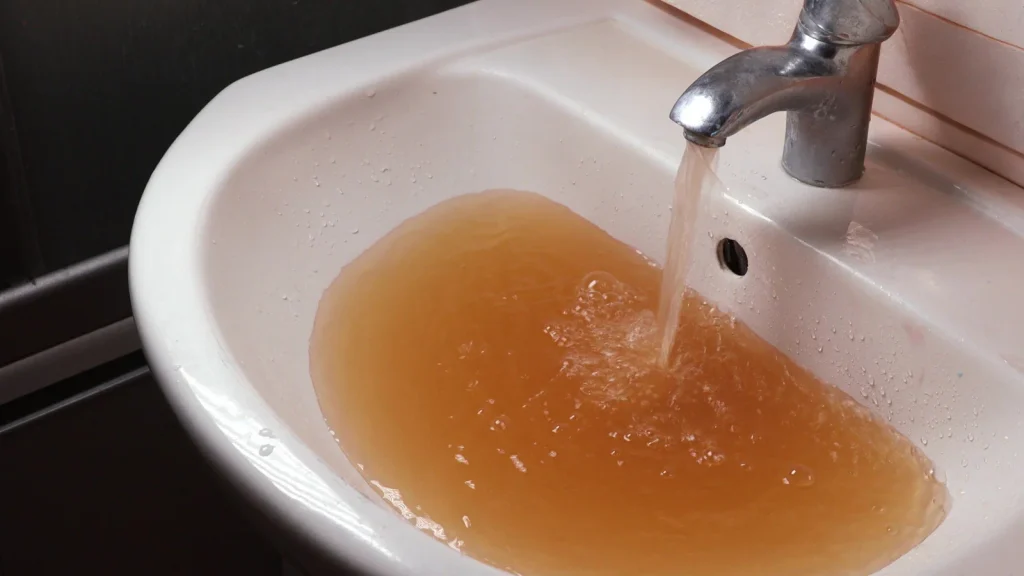
- Discolored Water Post-Regeneration: Brown or yellow water immediately following a cycle indicates severe sediment mobilization or oxidized iron release. Flush the resin bed with a chemical iron cleaner, or install an upstream 5-micron sediment pre-filter to trap incoming rust particles.
For complex system configurations or persistent pressure drop issues, consult our verified drinking water safety resources or contact us to coordinate professional onsite valve rebuilding, flow testing, and resin bed replacement.
Proactive Stewardship for Lasting Water Quality
An ion-exchange water softener is a high-precision chemical processing tool operating continuously in the background of your home. Like any specialized treatment appliance, its ability to protect household plumbing, optimize energy efficiency, and deliver consistent water quality hinges on regular maintenance. By using high-purity evaporated salt, preventing bridge formation, protecting the resin bed against chemical oxidation, and adhering to a strict inspection cadence, homeowners can safeguard their plumbing investments and enjoy soft, dependable water for years to come.