Every morning, millions of pet owners fill stainless steel, ceramic, or plastic bowls directly from the kitchen sink without a second thought. The general assumption holds that if municipal tap water meets human regulatory thresholds, it must be inherently safe for companion animals. Yet, canine and feline physiological systems process minerals, chemicals, and contaminants differently than human bodies. Their smaller body masses, distinct urinary chemistry, and lifetime reliance on a single municipal or well source make them particularly vulnerable to subtle water quality shifts.
Understanding what flows from your tap requires looking past clear appearance and absent odors. Dissolved heavy metals, disinfection byproducts, excess mineral hardness, and biological pathogens can accumulate over time, presenting risks that range from acute digestive upset to chronic organ stress. Evaluating your home supply against veterinary health standards is a necessary step in preventative pet care, ensuring your companions remain properly hydrated without unintended toxic burdens.
Canine and Feline Hydration Physiology: Why Water Quality Matters
Water drives every vital metabolic process in dogs and cats, serving as the solvent for nutrient absorption, cellular transportation, waste filtration, internal temperature regulation, and joint lubrication. While an adult human body consists of approximately 55 to 60 percent water, adult dogs and cats sit closer to 60 to 70 percent, with puppies and kittens reaching upwards of 80 percent. Even minor fluid imbalances can disrupt their enzymatic systems and electrolyte equilibrium.
Domestic cats possess an evolutionary history rooted in desert-dwelling felids. Consequently, cats have a notoriously low thirst drive and concentrated urine, historically deriving most of their moisture from fresh prey. When fed modern dry kibble diets, felines chronically hover near borderline dehydration unless clean, palatable water encourages frequent drinking. If their tap water carries a sharp chemical odor—such as residual chlorine—cats often refuse the bowl altogether, increasing the risk of lower urinary tract disease (FLUTD), urethral plugs, and painful bladder inflammation.
Dogs, by contrast, exhibit a robust thirst drive and consume significant volumes rapidly, especially active sporting breeds, brachycephalic dogs struggling with heat dissipation, and working animals. Because dogs consume proportionately more water per pound of body weight than adult humans, their relative daily exposure to trace waterborne contaminants is considerably higher. When evaluating your household plumbing, reviewing our water quality fundamentals guide provides helpful foundational context on how dissolved substances behave under different water pressure and delivery conditions.
Common Tap Water Contaminants and Their Effects on Pets
Public water systems treat raw water to satisfy national safety standards designed around human health data. However, human standards do not account for canine renal clearance rates or feline urinary crystal precipitation thresholds. Below are the primary tap water constituents that warrant closer inspection by pet owners.
1. Chlorine, Chloramines, and Disinfection Byproducts
Municipal water suppliers rely on chlorine or chloramines (a bond of chlorine and ammonia) to kill dangerous waterborne microbes during distribution. While these chemical disinfectants prevent acute biological outbreaks, their presence poses specific concerns for companion animals:
- Olfactory Aversion: Dogs possess up to 300 million olfactory receptors in their noses, compared to roughly six million in humans. A faint bleach smell that escapes human detection can be overwhelming to a dog or cat, causing behavioral water avoidance.
- Gastrointestinal Sensitivity: Sensitive pets consuming heavily chlorinated tap water may experience low-grade gastric irritation, occasional vomiting, or soft stools.
- Trihalomethanes (THMs): When chlorine reacts with residual organic matter in pipes, it produces disinfection byproducts like trihalomethanes. Long-term ingestion of elevated THMs has been studied for potential oncological and hepatic consequences in both human and mammalian models.
2. Heavy Metals: Lead, Copper, and Arsenic
Lead and copper rarely enter water at the treatment plant; instead, they leach from corroding service lines, interior copper pipes, brass fixtures, and lead-soldered joints found in pre-1986 structures. Heavy metals represent cumulative poisons that deposit into bone, liver, kidneys, and neurological tissue.
Because dogs and cats have smaller blood volumes, a lead concentration that causes subtle symptoms in an adult human can provoke acute toxicity in an animal companion. Clinical signs of lead toxicity in dogs and cats include seizures, abrupt behavioral changes, blindness, severe abdominal cramping, and microcytic anemia. For instance, commercial testing protocols that identify localized plumbing corrosion—similar to the standard procedures used for hotel lead water testing in NYC commercial properties—demonstrate that lead spikes frequently occur after plumbing disruptions, construction vibrations, or prolonged stagnation within aging supply risers.
3. Water Hardness: Calcium and Magnesium Accumulation
Hard water contains elevated concentrations of dissolved calcium and magnesium carbonates. In human health, hard water typically acts merely as a nuisance that leaves scale on fixtures or dries out skin. In veterinary medicine, the implications are more nuanced:
- Feline Urolithiasis: While dietary precursors remain the primary cause of urinary stones, consuming water with exceptionally high mineral densities adds an unnecessary load of dissolved cations. For male cats prone to calcium oxalate or struvite crystalluria, excess dietary and waterborne minerals can compound the danger of life-threatening urethral blockages.
- Canine Bladder Stones: Certain dog breeds—such as Miniature Schnauzers, Dalmatians, Shih Tzus, and Yorkshire Terriers—exhibit a genetic predisposition toward bladder and kidney stone formation. High-mineral tap water can exacerbate crystal precipitation in animals with chronic urinary tract infections or metabolic alterations.
4. Nitrates and Nitrites
Commonly found in rural areas influenced by agricultural runoff, synthetic fertilizers, or failing septic drainage systems, nitrates pose a specific biological threat known as methemoglobinemia. When ingested, nitrates convert into nitrites, binding to hemoglobin and diminishing the blood’s capacity to transport oxygen throughout the body. Young puppies and kittens are acutely susceptible to oxygen deprivation, presenting with lethargy, exercise intolerance, and cyanosis (bluish gums).
5. Fluoride
Many communities add sodium fluoride or fluorosilicic acid to tap water to prevent dental decay in humans. However, dogs and cats do not benefit from water fluoridation in the same manner, as their tooth enamel structure and cavity risks differ from humans. Furthermore, pets often ingest fluoride from multiple secondary sources, including veterinary toothpastes and processed commercial feeds. Chronic, excessive fluoride intake can impact canine bone density and joint remodeling over long spans.
Biological Pathogens: Well Water and Infrastructure Breaches
Households utilizing private wells operate outside municipal oversight, leaving water testing and disinfection entirely to the homeowner. Well water presents biological hazards that municipal supplies routinely eliminate via filtration and chlorination:
- Giardia lamblia: A microscopic protozoan parasite that forms durable cysts capable of surviving in cold groundwater. Ingestion leads to giardiasis, characterized by watery, foul-smelling diarrhea, dehydration, weight loss, and severe nutritional malabsorption in dogs and cats.
- Cryptosporidium: Another protozoan parasite characterized by extreme resistance to standard chlorine disinfection. It colonizes the epithelial lining of the small intestine, causing debilitating, watery diarrhea that is particularly hazardous to senior pets or immunocompromised animals.
- Escherichia coli and Coliform Bacteria: Fecal coliforms indicate contamination from animal waste, septic leakage, or surface runoff breaching the wellhead. Infection leads to acute enteritis, systemic distress, and potential septicemia.
The World Health Organization drinking water fact sheet outlines how microbially compromised supplies remain a persistent vector for enteric disease across all mammalian populations, reinforcing the absolute necessity of periodic biological screenings for private wells.
Water Contaminant Risk Summary for Pets
| Contaminant | Primary Sources | Impact on Dogs | Impact on Cats |
|---|---|---|---|
| Lead | Aging service lines, lead-solder pipes, brass fixtures | Lethargy, abdominal colic, seizures, neurological regression | Vomiting, anorexia, neurological deficits, muscle tremors |
| Chlorine / Chloramines | Municipal municipal distribution disinfection | Sensory aversion, mild gastrointestinal distress, dry coat | Water refusal, risk of chronic mild dehydration |
| Excess Hardness (Ca / Mg) | Limestone aquifers, deep groundwater wells | Possible exacerbation of uroliths in predisposed breeds | Added mineral load, urinary crystal formation risk |
| Giardia / Cryptosporidium | Unfiltered private wells, surface water infiltration | Profuse chronic diarrhea, progressive weight loss | Dehydration, foul-smelling stools, lethargy |
| Nitrates | Agricultural runoff, failing septic tanks | Methemoglobinemia, weakness, cyanosis in puppies | Oxygenation impairment, respiratory distress in kittens |
Evaluating Filtration Methods for Pet Hydration
Because tap water quality varies significantly by geography, infrastructure age, and water source, using targeted point-of-use filtration offers a reliable safeguard for companion animals. However, not all filtration mechanisms produce identical outcomes.
Pitcher Filters (Activated Carbon)
Basic gravity-fed carbon pitchers are effective at adsorbing free chlorine, bad tastes, and unpleasant odors, which makes water substantially more appealing to picky cats and dogs. However, standard pitcher filters have short contact times and quickly become saturated. They generally fail to remove heavy concentrations of nitrates, total dissolved solids (TDS), fluoride, or dissolved heavy metals unless certified explicitly under NSF/ANSI Standard 53 for heavy metal reduction.
Solid Carbon Block Filters
Under-sink or countertop solid block carbon systems force water through tightly compressed carbon matrices. These units reliably capture chlorine, chloramines, volatile organic compounds (VOCs), pesticides, microplastics, and trace pharmaceuticals, preserving beneficial hydration without chemical aftertastes. When paired with lead-selective resins, carbon blocks provide exceptional broad-spectrum protection for suburban and urban pets connected to city lines.
Reverse Osmosis (RO) Purification
Reverse osmosis forces pressurized water across a semipermeable membrane with microscopic pores down to 0.0001 microns. It strips out up to 99 percent of all dissolved contaminants, including lead, nitrates, PFAS (“forever chemicals”), arsenic, and fluoride. For pets suffering from recurring kidney stones or chronic renal disease, an RO unit removes virtually all mineral hardness, taking pressure off compromised filtration organs. If utilizing whole-house or point-of-use reverse osmosis, owners should consult a veterinarian regarding overall dietary electrolyte levels, as RO water contains zero baseline minerals.
Distilled Water: Caution Required
Distilled water is created through boiling and condensation, yielding completely demineralized water. While distilled water is sterile and clean, veterinary nutritionists generally caution against using it as an exclusive, indefinite hydration source for healthy animals. Prolonged consumption of completely demineralized water can cause osmotic imbalances in cellular tissues, potentially drawing electrolytes from the body during digestion if the pet’s regular diet lacks adequate mineral density.
Hygiene Practices: The Overlooked Vector in Water Safety
Water quality does not end at the faucet. The vessel holding the water can rapidly compromise pristine, filtered water through microbial colonisation. Pet mouths carry millions of oral bacteria that transfer directly to the bowl during every drinking session.
When standing water remains in a dish at room temperature, bacteria and fungi form a slippery matrix known as a biofilm. Biofilms protect opportunistic bacteria—such as Pseudomonas, Serratia marcescens (often visible as a pink film), and Staphylococcus—from light rinsing. Animals drinking from biofilm-coated bowls ingest heavy bacterial colonies daily, which can irritate oral tissues, cause periodontitis, or trigger recurring stomach distress.
To preserve clean drinking conditions, adopt the following containment practices:
- Select Non-Porous Materials: Use high-grade stainless steel, heavy porcelain, or lead-free ceramic bowls. Plastic dishes easily develop micro-scratches that harbor deep bacterial colonies that cannot be disinfected through ordinary washing.
- Wash Daily with Heat and Soap: Rinse bowls daily with hot water and pet-safe dish detergent, using a dedicated sponge to prevent cross-contamination from human cooking surfaces. Run bowls through a high-heat dishwasher cycle multiple times per week.
- Maintain Recirculating Fountains: Pet fountains keep water moving, which naturally entices cats and dogs to drink. However, their internal impellers, pumps, and tubes require complete disassembly and sanitization every one to two weeks to eliminate deep biofilm accumulation.
Determining When to Test Your Home Water Supply
If you source water from a regulated municipality, you have legal access to an annual Consumer Confidence Report (CCR) detailing public testing results. However, this document reflects water as it leaves municipal treatment facilities—it does not account for the corroded piping or soldered junctions between the street main and your pet’s bowl. Reviewing the MedlinePlus consumer guide on drinking water health offers valuable direction on human and animal exposures to typical plumbing-derived contaminants.
Homeowners should arrange independent, certified laboratory testing under any of the following circumstances:
- Your home relies on a private or shared groundwater well (testing should occur annually for coliforms, nitrates, and heavy metals).
- Your home was built prior to 1986, when plumbing codes first restricted the use of high-percentage lead solder on domestic lines.
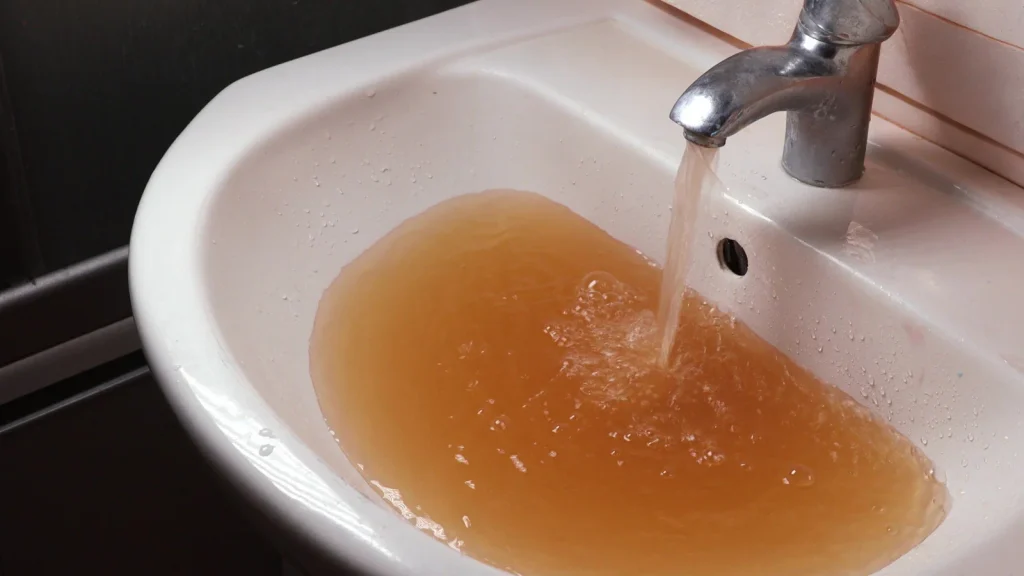
- Your tap water exhibits noticeable turbidity, cloudiness, rust particles, or metallic aftertastes.
- Your pets exhibit unexplained, persistent gastrointestinal symptoms, sudden lethargy, or chronic urinary tract irritation that does not resolve with standard dietary changes.
- Local construction, earthmoving, or public infrastructure repair work has recently broken ground nearby, which can dislodge sediment cakes inside distribution mains.
If you encounter ambiguous testing results, suspect plumbing corrosion, or need assistance selecting certified filtration equipment suited to your plumbing dynamics, you can contact us for technical clarification and testing guidance.
Practical Guidelines for Everyday Pet Water Safety
Safeguarding your companion animals does not necessitate extreme measures, but it does require conscious habits. Implementing the following daily protocols will protect your pets from the most common waterborne hazards:
- Flush the Tap: If municipal water has sat motionless in your plumbing lines overnight or throughout a long workday, run the cold kitchen tap on high for 60 to 90 seconds before filling the pet bowl. This flushes out stagnant water that has had prolonged contact with indoor pipes and soldering.
- Never Use Hot Tap Water: Always draw cold water for your pets. Hot water heaters dissolve metals from tanks and internal plumbing significantly faster than cold lines, increasing heavy metal concentrations. Cold water is also far more palatable to animals.
- Audit Outdoor Access: Prevent your dogs from drinking out of stagnant puddles, garden hoses, birdbaths, or neighborhood retention ponds. These reservoirs regularly harbor toxic blue-green algae (cyanobacteria), leptospirosis bacteria shed by wildlife urine, and agricultural chemicals.
- Consult Professionals on Health Anomalies: Water alterations cannot replace medical interventions. If your dog or cat suddenly displays excessive water consumption (polydipsia) or stops drinking altogether (adipsia), seek immediate veterinary care, as these shifts often indicate diabetes, kidney failure, or endocrine disorders.
For more insights on regional filtration technologies, contaminant benchmarks, and testing standards, explore our broad collection of drinking water safety resources. By combining informed water sourcing, disciplined bowl hygiene, and verified filtration, you provide your companion animals with the clean hydration foundation they need for a long, healthy life. Visit the Water Quality Journal to stay up to date with ongoing laboratory reports, contaminant alerts, and consumer water guidance.